¡bienvenidos a Mi Blog!
¡estoy encantado de tenerte aquí! Antes de sumergirnos en el contenido, me encantaría que te unieras a mí en mis plataformas de redes sociales. Es donde comparto ideas adicionales, me conecto con nuestra increíble comunidad y te mantengo actualizado sobre las últimas noticias. Así es como puedes mantenerte conectado:
📘 Facebook: Lina Metal
<PREC YouTube: Canal de metal Lina «ver tutoriales, demostraciones y guías detalladas
¡Ahora embarquémonos juntos en este viaje! Espero que el contenido aquí no sólo te resulte revelador sino también inspirador y valioso. ¡Empezemos!
Tabla de contenidos
Introducción
El acero inoxidable para fundición a la cera perdida se utiliza ampliamente cuando los fabricantes necesitan geometría compleja, resistencia a la corrosión, dimensiones repetibles y un componente más limpio en forma casi neta que el que muchos métodos de fundición convencionales pueden proporcionar de manera económica.
Sin embargo, para los compradores OEM, elegir la fundición a la cera perdida implica mucho más que seleccionar “acero inoxidable” en un dibujo.
La calidad final de una fundición depende de la selección de la aleación, la precisión del patrón de cera, la preparación de la carcasa, el diseño de las compuertas, el control de fusión, la solidificación, el tratamiento térmico, la asignación dimensional, los requisitos de mecanizado y la estrategia de inspección.
Esta es la razón por la que los proyectos exitosos de fundición a la cera perdida de acero inoxidable generalmente comienzan con ingeniería de fabricación en lugar de solo herramientas.
Lina Metalworks proporciona servicios de fundición personalizados cubriendo fundición a la cera perdida, fundición en arena, fundición en moldes metálicos, fundición centrífuga y otras soluciones de conformado de metales para piezas industriales complejas. Secundario mecanizado de precisión también se puede integrar cuando las superficies fundidas por sí solas no pueden cumplir con la tolerancia final o los requisitos funcionales.
Conclusiones clave:
- La fundición a la cera perdida se adapta bien a piezas de acero inoxidable con formas complejas, características internas, secciones delgadas y geometría detallada.
- La selección del grado de acero inoxidable debe seguir los requisitos de corrosión, resistencia, temperatura, mecanizado y servicio.
- Las tolerancias de fundición deben separarse en dimensiones fundidas y dimensiones críticas mecanizadas.
- Las compuertas, la contracción, la calidad de la carcasa y la solidificación influyen fuertemente en los defectos de fundición.
- El mecanizado CNC debe planificarse antes de las herramientas en lugar de agregarse después de que aparezcan problemas de fundición.
- El tratamiento térmico y el acabado de superficies pueden influir significativamente en el rendimiento final.
- Los requisitos de inspección deben coincidir con el riesgo real y la función del componente.
- Los compradores OEM deben proporcionar planos, cantidad anual, especificaciones de materiales, dimensiones críticas y condiciones operativas antes de que comiencen las herramientas.
¿qué es la fundición a la cera perdida de acero inoxidable?
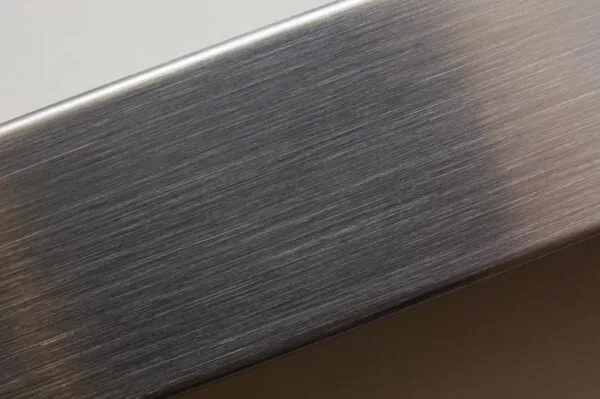
El acero inoxidable para fundición a la cera perdida se refiere a la producción de componentes de acero inoxidable mediante el proceso de fundición a la cera perdida, también conocido comúnmente como fundición de precisión o fundición a la cera perdida.
Primero se produce un patrón de cera con la forma del componente requerido. Luego se pueden ensamblar múltiples patrones de cera en un sistema de canal central para crear un árbol de fundición.
El conjunto de cera se recubre repetidamente con suspensión cerámica y material refractario hasta que se forma una cubierta suficientemente fuerte.
Luego se retira la cera dejando una cavidad cerámica hueca.
En esta cavidad se vierte acero inoxidable fundido, donde se solidifica hasta darle la forma requerida.
Después de enfriar, se retira la carcasa cerámica y se separan las piezas fundidas individuales del sistema de canal.
Otras operaciones pueden incluir:
- tratamiento térmico
- granallado
- molienda
- mecanizado CNC
- pulido
- pasivación
- inspección dimensional
- ensayos no destructivos
Los principios básicos y el desarrollo histórico del proceso se explican en el descripción general del casting de inversiones.
La fundición a la cera perdida se valora por su capacidad para fabricar formas complejas con buena repetibilidad y calidad de superficie en una amplia gama de metales y aleaciones.
¿por qué utilizar la fundición a la cera perdida para acero inoxidable?
El acero inoxidable se puede mecanizar, forjar, estampar, soldar o fundir.
El proceso correcto depende de la geometría y los requisitos funcionales.
La fundición a la cera perdida se vuelve particularmente útil cuando el componente contiene características que requerirían un mecanizado significativo si se fabricara con material sólido.
Geometría compleja
La fundición a la cera perdida puede reproducir formas como:
- superficies curvas
- costillas
- jefes
- perfiles irregulares
- características de montaje
- pasajes internos
- secciones delgadas
- transiciones complejas
Esto puede reducir la cantidad de componentes separados necesarios en un conjunto.
En lugar de mecanizar varias piezas y unirlas más tarde, los diseñadores pueden consolidar múltiples características en una sola pieza fundida.
Fabricación en forma casi neta
Una fundición a la cera perdida bien diseñada puede aproximarse mucho al componente terminado.
Esto reduce la eliminación innecesaria de material.
Para las piezas de acero inoxidable, esto puede resultar particularmente valioso cuando el mecanizado eliminaría cantidades sustanciales de material relativamente caro.
Mejor calidad superficial que muchas piezas fundidas convencionales
La fundición a la cera perdida generalmente proporciona una calidad superficial más fina que la fundición en arena tradicional porque la carcasa de cerámica reproduce el patrón de cera con mayor detalle.
Esto no significa que cada superficie cumplirá automáticamente con los requisitos funcionales finales.
Los asientos de rodamientos, las superficies de sellado, las áreas roscadas, los orificios de precisión y las interfaces de ensamblaje herméticas aún pueden requerir mecanizado secundario.
Flexibilidad de diseño
La fundición a la cera perdida es adecuada para muchas formas que serían difíciles de producir utilizando únicamente forja o mecanizado convencional.
Esa flexibilidad es una de las razones por las que Lina Metalworks incluye la fundición de precisión en su ámbito más amplio capacidades de fundición de metales, junto con la fundición en arena y otros procesos.
Factor 1: elija la aleación de fundición de acero inoxidable adecuada
“El ”acero inoxidable” describe una gran familia de aleaciones en lugar de un solo material.
Por lo tanto, elegir la calidad correcta es una de las primeras decisiones en un proyecto de fundición de acero inoxidable.
Lina Metalworks trabaja con acero inoxidable junto con aleaciones a base de acero al carbono, hierro, cobre, aluminio y níquel en sus servicios de fabricación.
Acero inoxidable austenítico
Los aceros inoxidables austeníticos se seleccionan comúnmente cuando la resistencia a la corrosión y la durabilidad general son importantes.
Con frecuencia se los considera para:
- componentes de manipulación de fluidos
- equipos relacionados con alimentos
- estructuras de equipos médicos
- hardware industrial
- componentes relacionados con el mar
- piezas de procesamiento químico
Los grados relacionados con la familia de la serie 300 son ampliamente reconocidos en la fabricación industrial.
Acero inoxidable martensítico
Se pueden considerar grados martensíticos donde la dureza, la resistencia al desgaste o la resistencia mecánica juegan un papel más importante.
El tratamiento térmico se vuelve particularmente importante cuando la dureza final y el rendimiento mecánico son críticos.
Acero inoxidable endurecedor de precipitaciones
Los aceros inoxidables endurecedores por precipitación pueden proporcionar una combinación de resistencia a la corrosión y alta resistencia.
Se pueden considerar para componentes mecánicos más exigentes donde los grados de acero inoxidable convencionales no proporcionan la resistencia requerida.
Aceros fundidos resistentes a la corrosión
Cuando el rendimiento del material es crítico, los compradores no deben simplemente especificar una designación genérica de acero inoxidable.
Deben identificarse claramente las normas de materiales aplicables, la composición química, las condiciones del tratamiento térmico, las propiedades mecánicas y los requisitos de corrosión.
ISO mantiene estándares que abordan específicamente los aceros fundidos resistentes a la corrosión para aplicaciones generales.
Lista de verificación de selección de materiales
Antes de elegir una aleación, pregunte:
- ¿La pieza funcionará en interiores o exteriores?
- ¿Entrará en contacto con agua, sal, productos químicos, ácidos u otros medios corrosivos?
- ¿Qué carga mecánica experimentará?
- ¿Es importante la resistencia al desgaste?
- ¿Funcionará a temperatura elevada?
- ¿La pieza requiere soldadura después de la fundición?
- ¿las superficies críticas requerirán mecanizado CNC?
- ¿se requiere pulido o pasivación?
Estas preguntas son más útiles que elegir una aleación basada únicamente en el nombre del material.
Factor 2: Diseñar la pieza para el proceso de fundición de inversiones
Uno de los mayores errores en la fundición personalizada es enviar un modelo CAD terminado a la fundición sin considerar cómo se solidificará realmente el componente.
Una pieza que es fácil de modelar no es automáticamente fácil de fundir.
Evite secciones pesadas innecesarias
Las secciones locales muy gruesas pueden enfriarse más lentamente que las áreas circundantes.
Esto crea diferencias en el comportamiento de solidificación y puede aumentar el riesgo de contracción interna.
Siempre que sea posible, los diseñadores deberían aspirar a una distribución de las paredes más equilibrada.
Utilice transiciones graduales
Se pueden crear transiciones abruptas entre secciones delgadas y gruesas:
- concentración de estrés
- enfriamiento inconsistente
- dificultades alimentarias
- distorsión
- defectos localizados
Las transiciones graduales y los radios apropiados pueden mejorar la capacidad de fabricación.
Agregue filetes cuando corresponda
Las esquinas internas afiladas suelen ser indeseables en el diseño de fundición.
Los filetes pueden mejorar el flujo de metal y reducir la concentración de tensiones.
También pueden hacer que la producción de patrones de cera y la formación de conchas cerámicas sean más confiables.
Considere la consolidación de partes
La fundición a la cera perdida a veces puede combinar varios componentes fabricados o mecanizados en una sola pieza.
Por ejemplo, un soporte con protuberancias, orejetas de montaje, soportes curvos y nervaduras de refuerzo podría requerir varias operaciones de mecanizado y soldadura.
Combinar estas características puede simplificar el ensamblaje.
Sin embargo, la consolidación sólo debe utilizarse cuando realmente mejore la fabricación y el rendimiento.
Crear una complejidad innecesaria simplemente porque la fundición a la cera perdida puede reproducirse rara vez es una buena práctica de diseño.
Factor 3: Comprender las tolerancias de fundición de inversiones
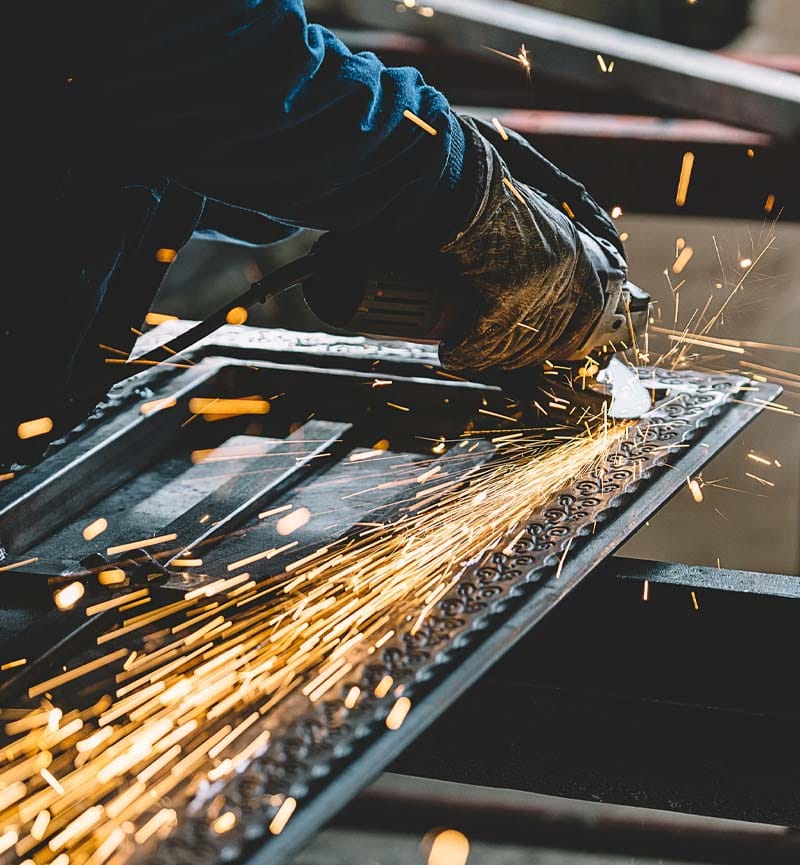
La fundición a la cera perdida es un proceso de fundición de precisión, pero la “precisión” no significa que a todas las dimensiones se les deban asignar tolerancias de nivel CNC.
Esta distinción es fundamental para la adquisición de OEM.
Dimensiones tal como se funden
Muchas características no críticas pueden permanecer en la condición de reparto.
Ejemplos incluyen:
- perfiles externos
- costillas no funcionales
- superficies generales de la carcasa
- transiciones estructurales
- áreas libres
Mantener tolerancias realistas de fundición ayuda a controlar la complejidad de la producción.
Dimensiones mecanizadas
Las características funcionales críticas deben identificarse por separado.
Estos pueden incluir:
- asientos de rodamientos
- orificios del eje
- caras selladas
- superficies de apareamiento
- hilos
- agujeros de precisión
- localización de superficies
Estas características se pueden producir con margen de mecanizado y terminar de usar mecanizado CNC.
Las capacidades de mecanizado de Lina incluyen fresado, torneado, taladrado, taladrado, rectificado y otras operaciones de precisión para componentes que requieren dimensiones finales más estrictas.
No toleres demasiado el dibujo
Aplicar tolerancias excesivamente estrictas en todas las dimensiones puede llevar a:
- mecanizado adicional
- más inspección
- mayor riesgo de rechazo
- herramientas más complicadas
- mayor costo de producción
Un mejor dibujo distingue entre:
Dimensiones críticas a la función
y
Dimensiones generales de fundición.
Esto permite al fabricante aplicar el proceso apropiado a cada característica.
Fundición a la Inversión versus Fundición en Arena para Acero Inoxidable
La fundición a la cera perdida no es automáticamente el mejor método de fundición para todos los componentes de acero inoxidable.
La fundición en arena sigue siendo valiosa para muchas piezas más grandes o menos exigentes geométricamente.
| Factor | Fundición de inversiones | Fundición de arena |
|---|---|---|
| Geometría compleja | Excelente | Bien |
| Detalles finos | Excelente | Moderado |
| Acabado superficial | Mejor | Más duro |
| Consistencia dimensional | Más alto | Moderado |
| Capacidad de gran parte | Moderado | Excelente |
| Complejidad de herramientas | Más alto | Generalmente más bajo |
| Capacidad de pared delgada | Mejor | Más limitado |
| Mecanizado secundario | A menudo reducido | A menudo mayor |
| Flexibilidad del prototipo | Moderado | Bien |
| Uso típico | Componentes de precisión detallados | Fundiciones estructurales más grandes |
Lina Metalworks apoya tanto la fundición a la cera perdida como la fundición en arena, lo que permite que la estrategia de fabricación siga el componente en lugar de forzar cada proyecto a un solo proceso.
Elija Casting de inversión cuando
Considere el casting de inversión cuando la pieza lo requiera:
- intrincada geometría externa
- detalles finos
- secciones relativamente delgadas
- calidad superficial mejorada
- dimensiones repetibles
- mecanizado reducido
- consolidación de características
Elija Casting en arena cuando
La fundición en arena puede ser más adecuada cuando:
- el componente es grande
- de todos modos, las superficies se mecanizarán exhaustivamente
- la geometría es relativamente simple
- la cantidad de producción es limitada
- la flexibilidad de las herramientas es importante
- los requisitos de acabado superficial son moderados
Por lo tanto, el proceso de fundición debe seleccionarse entre el dibujo y la aplicación en lugar de un método de fabricación preferido.
Factor 4: Control de Puerta y Solidificación
Muchos problemas de calidad de fundición se originan antes de que el metal fundido entre al molde.
El sistema de compuerta y alimentación influye en cómo llega el metal a la cavidad, cómo escapan el aire y los gases y cómo se solidifica el componente.
Sistema de puerta
El sistema de compuerta normalmente incluye canales que guían el material fundido hacia la cavidad de fundición.
Su diseño afecta:
- velocidad de llenado
- turbulencia
- distribución de temperatura
- secuencia de solidificación
- riesgo de inclusión
- alimentación por contracción
Un revestimiento mal diseñado puede producir defectos incluso si la aleación y la carcasa son correctas.
Contracción
El metal se contrae a medida que se enfría.
El proceso de fabricación debe tener en cuenta este comportamiento desde el diseño del patrón hasta la solidificación.
Diferentes aleaciones de acero inoxidable pueden presentar diferentes características de fundición, lo que significa que las herramientas no pueden diseñarse únicamente a partir de dimensiones terminadas.
Puntos calientes
Las secciones pesadas pueden permanecer fundidas por más tiempo que las áreas circundantes.
Estas regiones pueden convertirse en posibles lugares de contracción si no se alimentan adecuadamente.
La simulación de fundición, la experiencia en fundición, la optimización de secciones y el diseño de puertas pueden ayudar a reducir este riesgo.
Factor 5: Prevenir defectos comunes de fundición de acero inoxidable
El objetivo es la fundición sin defectos, pero la fundición es un proceso de fabricación térmica que involucra metal fundido, moldes cerámicos, gases, solidificación y cambio dimensional.
Comprender los defectos comunes ayuda a los compradores a crear planes de inspección más realistas.
Porosidad
La porosidad se refiere a los huecos dentro de la pieza fundida.
Las posibles influencias pueden incluir:
- gas
- contracción
- condiciones de alimentación
- calidad fundida
- control de procesos
La importancia de la porosidad depende de dónde ocurre y de qué debe hacer el componente.
Una pieza fundida cosmética y una pieza fundida que contiene presión no requieren necesariamente los mismos criterios de aceptación.
Defectos de contracción
Puede ocurrir contracción cuando el material fundido no puede alimentar adecuadamente una región durante la solidificación.
El diseño y la estrategia de puerta son fundamentales para controlar este problema.
Inclusiones
El material extraño puede quedar atrapado dentro de la fundición.
La limpieza de la masa fundida, la integridad de la cáscara, las condiciones de vertido y la disciplina del proceso influyen en el riesgo de inclusión.
Errores
Se produce un error de funcionamiento cuando el metal fundido no llena completamente la cavidad del molde.
Merecen especial atención los tramos delgados y las vías de flujo complejas.
Grietas
El agrietamiento puede deberse a varios factores metalúrgicos o térmicos.
La geometría, el comportamiento de la aleación, la velocidad de enfriamiento, la tensión residual y el manejo posterior a la fundición pueden contribuir.
Defectos superficiales
Las irregularidades de la superficie pueden estar relacionadas con:
- calidad del patrón de cera
- calidad de la carcasa cerámica
- daños en el proyectil
- penetración metálica
- limpieza
- operaciones finales
Para piezas fundidas de acero críticas, los métodos de inspección visual y no destructiva pueden definirse mediante especificaciones aplicables. ISO mantiene normas que abordan las pruebas visuales y radiográficas de piezas fundidas de acero y hierro.
Factor 6: Planificar el mecanizado secundario antes del utillaje
Uno de los principios más importantes en la fundición de precisión es:
No diseñe primero la fundición y piense en mecanizarla más adelante.
Durante el diseño de fundición se deben considerar el margen de mecanizado, la estrategia de referencia, las superficies de sujeción y las referencias de inspección.
Por qué las piezas fundidas necesitan mecanizado
Incluso las piezas fundidas de inversión de alta precisión pueden requerir mecanizado cuando un componente contiene:
- orificios de precisión
- hilos
- ajustes de rodamientos
- superficies de sellado
- planitud controlada
- posiciones de agujeros de alta precisión
- interfaces de ensamblaje críticas
Fundición + Mecanizado CNC
Un flujo de trabajo de fabricación híbrido puede parecer:
Patrón de cera
↓
Carcasa de cerámica
↓
Fundición de acero inoxidable
↓
Tratamiento térmico
↓
Limpieza
↓
Mecanizado CNC
↓
Tratamiento superficial
↓
Inspección final
Este enfoque permite que el proceso de fundición cree una geometría masiva compleja mientras el mecanizado se centra únicamente en áreas funcionales críticas.
Puede ser mucho más eficiente que mecanizar el componente completo a partir de acero inoxidable sólido.
Lina Metalworks combina casting con mecanizado de precisión, que es especialmente relevante para cuerpos de bombas, componentes tipo válvula, bridas, carcasas, componentes estructurales y otras piezas metálicas complejas que requieren tanto geometría formada como interfaces de precisión.
Fundición a la inversión versus mecanizado CNC a partir de sólidos
Los compradores OEM preguntan con frecuencia si un componente de acero inoxidable debe fundirse a la inversión o mecanizarse a partir de barras o palanquillas.
Ninguno de los procesos es universalmente mejor.
| Requisito | Fundición de inversiones | CNC de sólido |
| Geometría externa compleja | Excelente | Posible pero puede requerir un ciclo de tiempo prolongado |
| Características internas del reparto | Gran ventaja | A menudo difícil |
| Cantidades muy bajas | Puede resultar menos atractivo | A menudo atractivo |
| Repetir producción | Fuerte | Fuerte |
| Utilización de materiales | Alto para formas cercanas a la red | Se puede eliminar más material |
| Cambios de diseño | Requiere consideración de herramientas | Más fácil de reprogramar |
| Superficies de precisión apretadas | Generalmente mecanizado secundario | Excelente |
| Partes curvas muy complejas | Fuerte | Depende de la máquina y del acceso |
| Gran margen de mecanizado | Generalmente innecesario | Inherente al proceso |
| Consolidación parcial | Excelente | Más limitado |
Para muchos proyectos industriales, la respuesta correcta no es la fundición ni el mecanizado.
Es fundición más mecanizado.
Factor 7: Construir el Plan de Control de Calidad adecuado
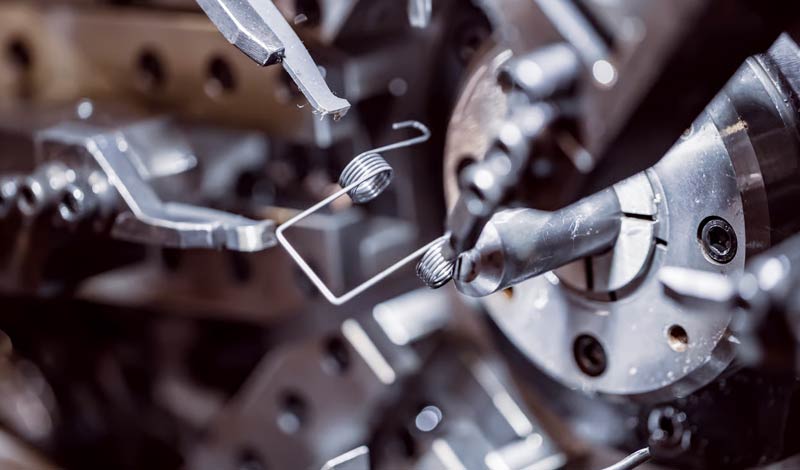
Un proyecto de fundición a la cera perdida de alta calidad necesita una estrategia de inspección definida.
La inspección debe basarse en la función y el riesgo en lugar de simplemente realizar todas las pruebas disponibles.
Verificación de materiales
El control de materiales puede incluir:
- verificación de composición química
- certificados materiales
- trazabilidad térmica
- identificación de aleaciones
Los requisitos exactos dependen de las especificaciones del cliente y los estándares aplicables.
ASTM A957/A957M cubre requisitos comunes para piezas fundidas de acero donde se requiere el cumplimiento metalúrgico de las especificaciones de fundición de acero relevantes.
Inspección dimensional
La inspección dimensional puede implicar:
- calibradores
- micrómetros
- medidores
- accesorios
- máquinas de medición de coordenadas
- inspección de perfiles
Las dimensiones críticas deben acordarse antes de que comience la producción.
Inspección visual
La inspección de superficies puede identificar problemas visibles como:
- grietas
- relleno incompleto
- condiciones anormales de la superficie
- molienda excesiva
- inclusiones obvias
- deformación
Ensayos no destructivos
Dependiendo de la función de la parte, los métodos de END pueden incluir:
- pruebas radiográficas
- inspección de partículas magnéticas
- inspección penetrante
- pruebas ultrasónicas
No todos los castings requieren todos los métodos.
El plan de inspección debe reflejar el riesgo de aplicación.
Pruebas mecánicas
Cuando sea necesario, las pruebas mecánicas pueden evaluar propiedades tales como:
- resistencia a la tracción
- comportamiento de rendimiento
- dureza
- elongación
- propiedades de impacto
Los requisitos dependen de la aleación y de las especificaciones del cliente.
Normas de fundición a la cera perdida de acero inoxidable
Los estándares deben seleccionarse de acuerdo con los requisitos materiales, de aplicación, de la industria y contractuales.
Una referencia internacional relevante es ISO 16468, que especifica requisitos técnicos para piezas fundidas de inversión de acero, aleación de níquel y aleación de cobalto.
ASTM también mantiene especificaciones relacionadas con las piezas fundidas de acero, incluidos los requisitos metalúrgicos generales.
Las normas no deberían simplemente agregarse a un dibujo con fines de marketing.
El comprador y el fabricante deben identificar:
- especificación de material requerida
- criterios de aceptación
- nivel de inspección
- estándar dimensional
- condición de tratamiento térmico
- requisitos superficiales
- Cerințe de END
- requisitos de documentación
antes de que comience la producción.
¿qué afecta el costo de fundición de inversiones?
Los compradores OEM suelen centrarse en el peso de fundición, pero el peso es sólo un factor.
Complejidad de herramientas
Herramientas de cera más complicadas pueden aumentar la inversión inicial en el proyecto.
Características como diapositivas, núcleos, estrategias de separación inusuales y extracción de patrones difíciles pueden afectar el diseño de herramientas.
Aleación
Los diferentes grados de acero inoxidable tienen diferentes requisitos de materia prima y procesamiento.
Las aleaciones especiales también pueden requerir un tratamiento térmico o de fusión más controlado.
Geometría de partes
La geometría compleja puede aumentar:
- dificultad para fabricar conchas
- requisitos de puerta
- riesgo de lanzamiento
- tiempo final
Cantidad
El volumen de producción afecta la forma en que se distribuyen los costos de herramientas y configuración.
Un proyecto que requiera 200 piezas al año no debería necesariamente utilizar la misma estrategia de fabricación que uno que requiera 100.000.
Mecanizado
El mecanizado puede convertirse en un importante factor de costos cuando un dibujo asigna tolerancias estrictas a muchas superficies.
Diseñar más funciones en condiciones de fundición puede reducir el mecanizado innecesario.
Inspección
La inspección avanzada agrega valor cuando es necesario, pero la inspección innecesaria también agrega costos.
Los requisitos de calidad deben coincidir con la función.
Acabado superficial
El pulido, la pasivación, el granallado, el recubrimiento y otros tratamientos secundarios deben identificarse tempranamente.
Acero inoxidable fundido a la inversión versus acero inoxidable forjado
La forja es otro proceso de fabricación importante de componentes de acero inoxidable.
La forja generalmente utiliza fuerza de compresión para dar forma al metal sólido, mientras que la fundición por inversión llena la cavidad del molde con material fundido.
Ventajas de la fundición de inversiones
El casting de inversiones es particularmente fuerte cuando:
- la geometría es compleja
- se pueden consolidar múltiples características
- se requieren formas internas o curvas
- el conformado casi neto reduce el mecanizado
Forjando ventajas
Puede ser preferible forjar para componentes donde:
- las propiedades mecánicas direccionales son críticas
- se trata de una carga extremadamente alta
- la geometría es compatible con matrices de forja
- el flujo de materiales y la estructura de granos son prioridades de diseño importantes
Por lo tanto, los dos procesos deberían evaluarse según requisitos funcionales en lugar de competir en un simple “¿cuál es más fuerte?” pregunta.
Un futuro grupo de contenido de fundición puede conectar este tema directamente con artículos de fundición versus forja, acero forjado, diseño de fundición y mecanizado posterior a la fundición.
Aplicaciones de la fundición a la cera perdida de acero inoxidable
La fundición a la cera perdida se utiliza en muchos sectores industriales porque puede producir componentes metálicos complejos en lugar de un producto terminado en particular.
Las aplicaciones de fabricación comunes pueden incluir:
Componentes de bomba y válvula
Los conductos de flujo, carcasas, impulsores, estructuras de válvulas y componentes de conexión complejos pueden beneficiarse de la fundición en forma cercana a la red seguida del mecanizado.
Componentes de maquinaria
La maquinaria industrial puede utilizar fundición:
- soportes
- viviendas
- palancas
- componentes de montaje
- conectores estructurales
Equipos energéticos
Se pueden seleccionar piezas fundidas de acero inoxidable y aleaciones especiales cuando la corrosión, la temperatura, la resistencia o la exposición ambiental requieran materiales más capaces.
Equipos médicos y de precisión
Los componentes inoxidables complejos se pueden fundir y posteriormente mecanizar, pulir o terminar según los requisitos de la aplicación.
Automoción y Transporte
La fundición a la cera perdida puede soportar componentes mecánicos complejos donde la repetibilidad y la geometría justifican las herramientas.
Estos ejemplos de aplicación deben verse como demostraciones de capacidad de fabricación más que como categorías de productos fijas.
Lina Metalworks presta servicios a múltiples sectores manufactureros a través de capacidades integradas de fundición, mecanizado, estampado, forjado, doblado y soldadura fuerte.
Cómo encaja la fundición a la cera perdida en la fabricación integral de metales
Muchas piezas fundidas OEM no están terminadas cuando salen del molde.
Una cadena de suministro completa puede incluir:
Casting
→ Tratamiento térmico
→ Mecanizado CNC
→ Rectificado
→ Soldadura o Soldadura
→ Tratamiento superficial
→ Inspección
→ Asamblea
Es por eso que evaluar a un proveedor sólo por su capacidad de fundición puede resultar limitante.
Los compradores OEM también deberían preguntarse si el proveedor puede gestionar las operaciones posteriores.
Lina Metalworks combina fundición con mecanizado y otros servicios de metalurgia, apoyando proyectos desde diseño y herramientas personalizados hasta fabricación y procesamiento secundario.
El artículo existente de la empresa Fundición de arte personalizada: guía completa de soluciones de fundición de metales de precisión también explica cómo se pueden combinar la fundición a la cera perdida, la fundición en arena, el mecanizado y el acabado dentro de un único flujo de trabajo de fundición.
¿qué debería enviar a un fabricante de fundición a la cera perdida?
Una solicitud de cotización profesional debe contener más de un modelo 3D.
Idealmente, proporcione:
- Dibujo 2D
- PASO u otro modelo 3D
- grado acero inoxidable
- requisitos de tratamiento térmico
- demanda anual
- cantidad por lotes
- tolerancias dimensionales
- características críticas
- acabado superficial
- requisitos de mecanizado
- requisitos de inspección
- temperatura de funcionamiento
- ambiente de corrosión
- normas aplicables
- requisitos de embalaje
Si la selección del material no está finalizada, proporcione las condiciones de funcionamiento.
Un proveedor experimentado de fundición puede ayudar a evaluar si el acero inoxidable, el acero al carbono, la aleación de níquel, el aluminio u otro material se adapta mejor al proyecto.
Preguntas que debe hacerle a un proveedor de fundición a la cera perdida de acero inoxidable
Antes de aprobar un socio fabricante, los compradores OEM deben preguntar:
¿qué proceso de casting de inversión utiliza?
Los diferentes sistemas de conchas y procesos de fundición pueden proporcionar diferentes combinaciones de precisión, calidad de la superficie y economía de producción.
¿Qué aleaciones de acero inoxidable puedes fundir?
Asegúrese de que el proveedor comprenda la aleación requerida en lugar de simplemente aceptar la designación del material.
¿qué dimensiones deberían permanecer tal como están fundidas?
Un proveedor capaz debería ayudar a distinguir las tolerancias de fundición de los requisitos de mecanizado.
¿puede proporcionar mecanizado CNC secundario?
El mecanizado integrado puede simplificar el control de datos, la logística, la inspección y la coordinación de proveedores.
¿cómo se controlan los defectos de fundición?
Pregunte sobre el control de procesos en lugar de aceptar una declaración genérica como “calidad 100%”
¿Qué inspecciones puedes realizar?
La capacidad de inspección debe coincidir con los requisitos del proyecto.
¿puede soportar cantidades de bajo volumen y producción?
Diferentes programas requieren diferentes herramientas y estrategias de producción.
Lina Metalworks’ Servicio de casting admite componentes personalizados desde requisitos individuales o de pequeño volumen hasta programas de producción más grandes, utilizando diferentes métodos de fundición según la estructura y el volumen de la pieza.
Conclusión
El acero inoxidable de fundición a la cera perdida es más valioso cuando un componente necesita algo más que resistencia a la corrosión por sí solo.
Su verdadera ventaja proviene de combinar el rendimiento del material de acero inoxidable con la capacidad de producir una geometría compleja con forma casi neta.
Para los compradores OEM, siete factores merecen especial atención:
- selección de aleaciones de acero inoxidable
- diseño de piezas apto para fundición
- asignación de tolerancia realista
- control de puerta y solidificación
- prevención de defectos de fundición
- mecanizado secundario planificado
- control de calidad específico de la aplicación
Por lo tanto, un proyecto de fundición exitoso debe diseñarse como un proceso de fabricación integrado.
La fundición debe considerar cómo se producirá el patrón de cera, cómo fluirá el metal fundido, cómo se solidificará la fundición, qué áreas requieren mecanizado, cómo se terminará la superficie y cómo se inspeccionará finalmente el componente.
Para piezas donde la fundición a la cera perdida por sí sola no puede proporcionar todas las características finales, combinándose fundición personalizada con mecanizado de precisión puede proporcionar un camino más práctico desde geometría sin procesar compleja hasta componentes OEM terminados.
En lugar de preguntar sólo “¿Se puede emitir esta parte?”, los compradores deberían hacer una pregunta más útil:
“¿Qué combinación de fundición, mecanizado, tratamiento térmico, acabado e inspección producirá este componente de manera confiable al volumen de producción requerido?”
Ese enfoque conduce a decisiones DFM más sólidas, tolerancias más realistas y un proceso de fabricación más escalable.
Preguntas frecuentes
¿la fundición a la cera perdida es buena para el acero
Sí. La fundición a la cera perdida se usa ampliamente con acero inoxidable porque puede reproducir geometría compleja con buena repetibilidad dimensional y calidad de superficie, aprovechando al mismo tiempo la resistencia a la corrosión y las propiedades mecánicas del acero inoxidable.
¿qué grados de acero inoxidable se pueden fundir a la inversión?
Se puede producir una variedad de grados de acero fundido inoxidable y resistente a la corrosión dependiendo de la capacidad de fundición y los requisitos del proyecto. La aleación correcta debe seleccionarse de acuerdo con los requisitos de corrosión, resistencia, tratamiento térmico, temperatura y rendimiento mecánico.
¿es la fundición a la cera perdida más precisa que la fundición en
La fundición a la cera perdida generalmente proporciona una mejor precisión dimensional y detalles superficiales más finos que la fundición en arena convencional. Sin embargo, la fundición en arena puede resultar más práctica para componentes más grandes, geometrías más simples y ciertos proyectos de bajo volumen.
¿la fundición a la cera perdida elimina el mecanizado CNC?
No siempre. Muchas dimensiones pueden permanecer fundidas, pero los orificios de precisión, los asientos de los cojinetes, las roscas, las superficies de sellado, las características de ubicación y las interfaces de tolerancia estrecha suelen requerir un mecanizado secundario.
¿puede la fundición a la cera perdida crear formas
Sí. La geometría compleja es una de las principales razones por las que los fabricantes eligen el proceso de fundición a la cera perdida, particularmente cuando un componente contiene características detalladas que de otro modo requerirían un mecanizado extenso o una fabricación de varias piezas.
¿qué causa los defectos en las piezas fundidas de acero inoxidable?
Las causas potenciales pueden implicar activación, alimentación, calidad de la masa fundida, condición de la cubierta cerámica, comportamiento del material, solidificación, geometría o control del proceso. La causa raíz depende del defecto específico y del diseño de fundición.
¿cuál es la diferencia entre fundición de precisión y fundición a la cera perdida?
En el uso industrial, la “fundición de precisión” se usa comúnmente para referirse a la fundición a la cera perdida porque el proceso es capaz de reproducir formas complejas con una precisión dimensional relativamente alta.
¿se pueden tratar térmicamente las piezas fundidas a
Sí. Dependiendo de la aleación y de las propiedades mecánicas requeridas, los componentes fundidos pueden someterse a un tratamiento térmico adecuado después de la fundición.
¿puede la fundición a la cera perdida manejar pedidos OEM de bajo volumen
Puede hacerlo, pero la idoneidad económica depende de las herramientas, la geometría, la aleación, la cantidad y la demanda futura esperada. Para algunos componentes de muy bajo volumen o grandes, la fundición en arena o el mecanizado pueden ser más apropiados.
¿Qué información debo proporcionar para una cotización de casting?
Proporcione dibujos, archivos 3D, especificaciones de materiales, cantidades, tolerancias críticas, requisitos de mecanizado, tratamiento térmico, acabado superficial, requisitos de inspección y condiciones operativas. Esto permite al fabricante evaluar el proceso completo en lugar de simplemente citar el peso de fundición.