Willkommen auf Mein Blog!
Ich freue mich sehr, dich hier zu haben! bevor wir in die Inhalte eintauchen, würde ich mich freuen, wenn du mich auf meinen Social Media Plattformen begleitest, hier teile ich extra Einblicke, verbinde mich mit unserer tollen Community, halte dich über die neuesten Nachrichten auf dem Laufenden So bleibst du in Verbindung:
📘 Facebook: Lina Metal
️ YouTube: Lina Metal Channel – Anschauungs-Tutorials, Demos und ausführliche Anleitungen
Nun, lasst uns gemeinsam auf diese Reise gehen! ich hoffe, ihr findet die Inhalte hier nicht nur aufschlussreich sondern auch inspirierend und wertvoll, los geht's!
Inhaltsverzeichnis
Einleitung
Feinguss-Edelstahl wird häufig verwendet, wenn Hersteller komplexe Geometrie, Korrosionsbeständigkeit, wiederholbare Abmessungen und eine sauberere, nahezu netzförmige Komponente benötigen, als viele herkömmliche Gießverfahren wirtschaftlich bieten können.
Für OEM-Käufer bedeutet die Wahl des Feingusses jedoch weit mehr als die Auswahl von “Edelstahl” auf einer Zeichnung.
Die endgültige Qualität eines Gussstücks hängt von der Legierungsauswahl, der Genauigkeit des Wachsmusters, der Schalenvorbereitung, dem Gating-Design, der Schmelzkontrolle, der Erstarrung, der Wärmebehandlung, der Maßhaltigkeit, den Bearbeitungsanforderungen und der Inspektionsstrategie ab.
Aus diesem Grund beginnen erfolgreiche Feingussprojekte aus Edelstahl in der Regel mit der Fertigungstechnik und nicht nur mit dem Werkzeugbau.
Lina Metalworks stellt Custom Casting Dienstleistungen Belag Feinguss, Sandguss, Metallformguss, Schleuderguss, und andere Metallumformlösungen für komplexe Industrieteile Sekundär Präzisionsbearbeitung Integriert werden kann auch, wenn Gussflächen allein nicht den endgültigen Toleranz - oder Funktionsanforderungen genügen können.
Wichtige Erkenntnisse:
- Feinguss eignet sich gut für Edelstahlteile mit komplexen Formen, Innenmerkmalen, Dünnprofilen und detaillierter Geometrie.
- Die Auswahl der Edelstahlsorte sollte den Korrosions-, Festigkeits-, Temperatur-, Bearbeitungs- und Serviceanforderungen entsprechen.
- Gusstoleranzen sollten in gegossene Abmessungen und bearbeitete kritische Abmessungen unterteilt werden.
- Gating, Schrumpfung, Schalenqualität und Erstarrung haben großen Einfluss auf Gussfehler.
- Die CNC-Bearbeitung sollte vor dem Werkzeug geplant und nicht nach Auftreten von Gießproblemen hinzugefügt werden.
- Wärmebehandlung und Oberflächenveredelung können die Endleistung erheblich beeinflussen.
- Die Inspektionsanforderungen sollten dem tatsächlichen Risiko und der Funktion des Bauteils entsprechen.
- OEM-Käufer sollten vor Beginn der Werkzeuge Zeichnungen, Jahresmenge, Materialspezifikation, kritische Abmessungen und Betriebsbedingungen vorlegen.
Was ist Feinguss-Edelstahl?
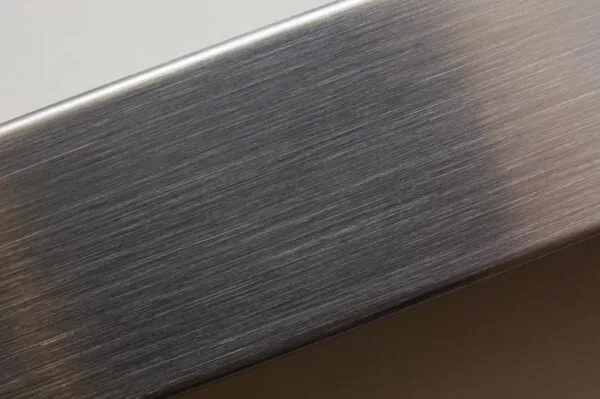
Feinguss-Edelstahl bezeichnet die Herstellung von Edelstahlbauteilen im Feingussverfahren, allgemein auch als Präzisionsguss oder Wachsausschmelzguss bezeichnet.
Es wird zunächst ein Wachsmuster in Form der benötigten Komponente hergestellt, anschließend können mehrere Wachsmuster auf einem zentralen Läufersystem zusammengesetzt werden, um einen Gießbaum zu erstellen.
Die Wachsanordnung wird wiederholt mit Keramikaufschlämmung und feuerfestem Material beschichtet, bis eine ausreichend starke Hülle entsteht.
Anschließend wird das Wachs entfernt, so dass ein hohler Keramikhohlraum zurückbleibt.
In diesen Hohlraum wird geschmolzener Edelstahl gegossen, wo er in die erforderliche Form erstarrt.
Nach dem Abkühlen wird die Keramikschale entfernt und einzelne Gussteile vom Läufersystem getrennt.
Weitere Operationen können sein:
- Wärmebehandlung
- Kugelstrahlen
- Schleifen
- CNC-Bearbeitung
- Polieren
- Passivierung
- Maßprüfung
- Zerstörungsfreie Prüfung
Die Grundprinzipien und die historische Entwicklung des Prozesses werden in der erläutert Investmentguss Übersicht.
Feinguss wird für seine Fähigkeit geschätzt, komplizierte Formen mit guter Wiederholbarkeit und Oberflächenqualität in einer Vielzahl von Metallen und Legierungen herzustellen.
Warum Investment Casting für Edelstahl verwenden?
Edelstahl kann bearbeitet, geschmiedet, gestanzt, geschweißt oder gegossen werden.
Der richtige Prozess hängt von der Geometrie und den funktionalen Anforderungen ab.
Feinguss wird besonders nützlich, wenn das Bauteil Merkmale enthält, die bei Herstellung aus massivem Material eine erhebliche Bearbeitung erfordern würden.
Komplexe Geometrie
Feinguss kann Formen wie: reproduzieren
- Gekrümmte Flächen
- Rippen
- Chefs
- Unregelmäßige Profile
- Montagemerkmale
- Innendurchgänge
- Dünnschliffe
- Komplexe Übergänge
Dadurch kann die Anzahl der in einer Baugruppe erforderlichen separaten Komponenten reduziert werden.
Anstatt mehrere Teile zu bearbeiten und später zu verbinden, können Designer möglicherweise mehrere Merkmale in einem Gussstück zusammenfassen.
Nahezu netzförmige Fertigung
Ein gut konzipierter Feinguss kann die fertige Komponente genau annähern.
Dadurch wird unnötiger Materialabtrag reduziert.
Bei Edelstahlteilen kann dies besonders wertvoll sein, wenn bei der Bearbeitung andernfalls erhebliche Mengen relativ teuren Materials entfernt würden.
Bessere Oberflächenqualität als viele herkömmliche Gussteile
Feinguss sorgt im Allgemeinen für eine feinere Oberflächenqualität als herkömmlicher Sandguss, da die Keramikschale das Wachsmuster detaillierter nachbildet.
Dies bedeutet nicht, dass jede Oberfläche automatisch den endgültigen funktionalen Anforderungen entspricht.
Lagersitze, Dichtflächen, Gewindebereiche, Präzisionsbohrungen und dichte Montageschnittstellen erfordern möglicherweise noch eine Sekundärbearbeitung.
Designflexibilität
Feinguss eignet sich für viele Formen, die allein durch Schmieden oder konventionelle Bearbeitung nur schwer herzustellen wären.
Diese Flexibilität ist einer der Gründe, warum Lina Metalworks Präzisionsguss in sein breiteres Spektrum einbezieht Metallgussfähigkeiten, neben Sandguss und anderen Verfahren.
Faktor 1: Wählen Sie die richtige Edelstahl-Gusslegierung
“Edelstahl” beschreibt eine große Familie von Legierungen und nicht ein einzelnes Material.
Die Wahl der richtigen Sorte ist daher eine der ersten Entscheidungen in einem Feinguss-Edelstahlprojekt.
Lina Metalworks arbeitet in seinen Produktionsdienstleistungen neben Kohlenstoffstahl, Eisen, Kupfer, Aluminium und Nickelbasislegierungen auch mit Edelstahl.
Austenitischer Edelstahl
Austenitische rostfreie Stähle werden üblicherweise ausgewählt, wenn Korrosionsbeständigkeit und allgemeine Haltbarkeit wichtig sind.
Sie werden häufig für Folgendes in Betracht gezogen:
- Fluidumschlagkomponenten
- Lebensmittelbezogene Ausrüstung
- Medizinische Gerätebauwerke
- Industriehardware
- Marinebezogene Komponenten
- Chemische Verarbeitungsteile
Die mit der 300er-Familie verbundenen Klassen sind in der industriellen Fertigung weithin anerkannt.
Martensitischer Edelstahl
Martensitische Qualitäten können in Betracht gezogen werden, bei denen Härte, Verschleißfestigkeit oder mechanische Festigkeit eine größere Rolle spielen.
Eine Wärmebehandlung wird besonders wichtig, wenn Endhärte und mechanische Leistung entscheidend sind.
Niederschlagshemmender Edelstahl
Ausscheidungshärtende rostfreie Stähle können eine Kombination aus Korrosionsbeständigkeit und hoher Festigkeit bieten.
Sie können für anspruchsvollere mechanische Komponenten in Betracht gezogen werden, bei denen herkömmliche Edelstahlqualitäten nicht die erforderliche Festigkeit bieten.
Korrosionsbeständige Gussstähle
Wenn die Materialleistung entscheidend ist, sollten Käufer nicht einfach eine generische Edelstahlbezeichnung angeben.
Anwendbare Materialstandards, chemische Zusammensetzung, Wärmebehandlungszustand, mechanische Eigenschaften und Korrosionsanforderungen sollten klar identifiziert werden.
ISO hält Standards aufrecht, die sich speziell mit korrosionsbeständigen Gussstählen für allgemeine Anwendungen befassen.
Checkliste für die Materialauswahl
Bevor Sie eine Legierung auswählen, fragen Sie:
- Wird das Teil drinnen oder draußen betrieben?
- Wird es mit Wasser, Salz, Chemikalien, Säuren oder anderen ätzenden Medien in Kontakt kommen?
- Welche mechanische Belastung wird es erfahren?
- Ist Verschleißfestigkeit wichtig?
- Wird es bei erhöhter Temperatur betrieben?
- Muss das Teil nach dem Gießen geschweißt werden?
- Werden kritische Oberflächen eine CNC-Bearbeitung erfordern?
- Ist Polieren oder Passivieren erforderlich?
Diese Fragen sind nützlicher als die Wahl einer Legierung, die ausschließlich auf der Materialbezeichnung basiert.
Faktor 2: Entwerfen Sie das Teil für den Feingussprozess
Einer der größten Fehler beim Custom Casting ist es, ein fertiges CAD-Modell an die Gießerei zu schicken, ohne zu überlegen, wie sich das Bauteil tatsächlich verfestigen wird.
Ein Teil, das einfach zu modellieren ist, lässt sich nicht automatisch leicht gießen.
Vermeiden Sie unnötige schwere Abschnitte
Sehr dicke lokale Abschnitte können langsamer abkühlen als umliegende Gebiete.
Dadurch entstehen Unterschiede im Erstarrungsverhalten und es kann das Risiko einer inneren Schrumpfung erhöhen.
Wo möglich, sollten Designer eine ausgewogenere Wandverteilung anstreben.
Verwenden Sie schrittweise Übergänge
Abrupte Übergänge zwischen dünnen und dicken Abschnitten können Folgendes bewirken:
- Spannungskonzentration
- Uneinheitliche Kühlung
- Fressschwierigkeiten
- Verzerrungsverzerrung
- Lokalisierte Mängel
Allmähliche Übergänge und entsprechende Radien können die Herstellbarkeit verbessern.
Filets hinzufügen, wo es angebracht ist
Scharfe Innenecken sind bei der Gusskonstruktion oft unerwünscht.
Filets können den Metallfluss verbessern und die Spannungskonzentration verringern.
Sie können auch die Herstellung von Wachsmustern und die Bildung von Keramikschalen zuverlässiger machen.
Erwägen Sie eine Teilkonsolidierung
Feinguss kann manchmal mehrere gefertigte oder bearbeitete Komponenten zu einem Stück kombinieren.
Beispielsweise könnte eine Halterung mit Vorsprüngen, Befestigungsnasen, gebogenen Stützen und Verstärkungsrippen andernfalls mehrere Bearbeitungs- und Schweißvorgänge erfordern.
Das Zusammenfügen dieser Funktionen kann die Montage vereinfachen.
Allerdings sollte die Konsolidierung nur dann eingesetzt werden, wenn sie die Herstellung und Leistung wirklich verbessert.
Unnötige Komplexität zu erzeugen, nur weil Feinguss sie reproduzieren kann, ist selten eine gute Designpraxis.
Faktor 3: Investment Casting-Toleranzen verstehen
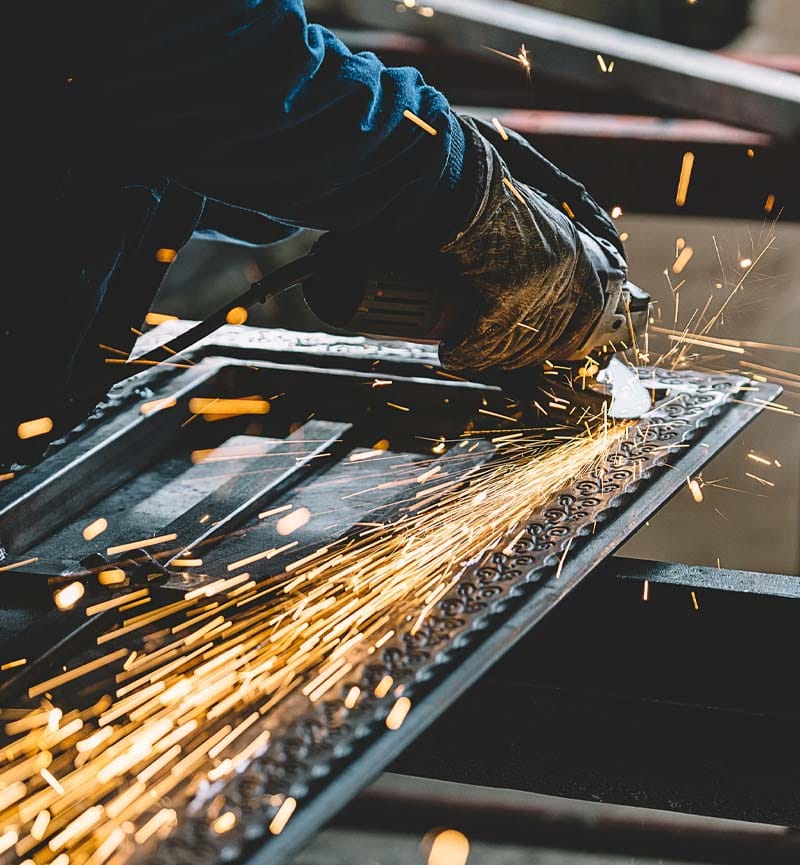
Feinguss ist ein Präzisionsgussverfahren, aber “Präzision” bedeutet nicht, dass jeder Dimension Toleranzen auf CNC-Ebene zugewiesen werden sollten.
Diese Unterscheidung ist für die OEM-Beschaffung von entscheidender Bedeutung.
Abmessungen nach Cast
Viele unkritische Funktionen können im Gusszustand verbleiben.
Beispiele sind:
- Außenprofile
- Nicht funktionsfähige Rippen
- Allgemeine Gehäuseflächen
- Strukturübergänge
- Räumungsflächen
Die Einhaltung realistischer Gusstoleranzen trägt zur Kontrolle der Produktionskomplexität bei.
Bearbeitete Abmessungen
Kritische Funktionsmerkmale sollten gesondert identifiziert werden.
Dazu können gehören:
- Lagersitze
- Schachtbohrungen
- Dichtflächen
- Passflächen
- Gewinde
- Präzisionslöcher
- Ortungsflächen
Diese Funktionen können mit Bearbeitungszuschuss hergestellt und mit diesem Gerät fertiggestellt werden CNC-Bearbeitung.
Zu Linas Bearbeitungsfähigkeiten gehören Fräsen, Drehen, Bohren, Bohren, Schleifen und andere Präzisionsvorgänge für Komponenten, die engere Endabmessungen erfordern.
Übertoleranzieren Sie die Zeichnung nicht
Die Anwendung übermäßig enger Toleranzen auf jede Dimension kann zu Folgendem führen:
- Zusatzbearbeitung
- Mehr Inspektion
- Höheres Ablehnungsrisiko
- Kompliziertere Werkzeuge
- Produktionskosten erhöht
Eine bessere Zeichnung unterscheidet zwischen:
Critical-to-function-dimensionen
und
Allgemeine Gießabmessungen.
Dadurch kann der Hersteller auf jede Funktion den entsprechenden Prozess anwenden.
Feinguss vs. Sandguss für Edelstahl
Feinguss ist nicht automatisch für jedes Edelstahlbauteil die beste Gießmethode.
Sandguss bleibt für viele größere oder weniger geometrisch anspruchsvolle Teile wertvoll.
| Faktor | Investment Casting | Sandguss |
|---|---|---|
| Komplexe Geometrie | Ausgezeichnet | Gut |
| Feine Details | Ausgezeichnet | Mäßig |
| Oberflächenbeschaffenheit | Besser | Räuber |
| Dimensionskonsistenz | Höher | Mäßig |
| Großteiligkeit | Mäßig | Ausgezeichnet |
| Werkzeugkomplexität | Höher | Allgemein niedriger |
| Dünnwandfähigkeit | Besser | Beschränktere |
| Sekundärbearbeitung | Oft reduziert | Oft größer |
| Prototypenflexibilität | Mäßig | Gut |
| Typische Verwendung | Detaillierte Präzisionskomponenten | Größere Strukturgussteile |
Lina Metalworks unterstützt sowohl Feinguss als auch Sandguss, sodass die Fertigungsstrategie der Komponente folgen kann, anstatt jedes Projekt in einen Prozess zu zwingen.
Wählen Sie Investment Casting Wann
Erwägen Sie Investment Casting, wenn das Teil Folgendes erfordert:
- Komplizierte äußere Geometrie
- Feindetails
- Relativ dünne Abschnitte
- Verbesserte Oberflächenqualität
- Wiederholbare Abmessungen
- Reduzierte Bearbeitung
- Merkmalskonsolidierung
Wählen Sie Sandguss wann
Sandguss kann geeigneter sein, wenn:
- Das Bauteil ist groß
- Oberflächen werden ohnehin umfangreich bearbeitet
- Geometrie ist relativ einfach
- Produktionsmenge begrenzt ist
- Werkzeugflexibilität ist wichtig
- Die Anforderungen an die Oberflächenbeschaffenheit sind moderat
Der Gießprozess sollte daher aus dem Ziehen und Auftragen und nicht aus einem bevorzugten Herstellungsverfahren ausgewählt werden.
Faktor 4: Steuerung und Verfestigung
Viele Probleme mit der Gussqualität entstehen, bevor geschmolzenes Metall in die Form gelangt.
Das Gating- und Zuführsystem beeinflusst, wie Metall in den Hohlraum gelangt, wie Luft und Gase entweichen und wie die Komponente erstarrt.
Gating-system
Das Gating-System umfasst typischerweise Kanäle, die geschmolzenes Material in den Gießhohlraum führen.
Sein Design wirkt sich aus:
- Füllgeschwindigkeit
- Turbulenz
- Temperaturverteilung
- Erstarrungsfolge
- Einschlussrisiko
- Schwindfütterung
Schlecht konstruierte Gating kann Defekte erzeugen, selbst wenn Legierung und Schale ansonsten korrekt sind.
Schrumpfung
Metall zieht sich zusammen, während es abkühlt.
Der Herstellungsprozess muss dieses Verhalten vom Musterdesign bis zur Erstarrung berücksichtigen.
Verschiedene Edelstahllegierungen können unterschiedliche Gießeigenschaften aufweisen, was bedeutet, dass Werkzeuge nicht ausschließlich nach fertigen Abmessungen entworfen werden können.
Hot Spots
Schwere Abschnitte können länger geschmolzen bleiben als umliegende Gebiete.
Diese Regionen können zu potenziellen Schrumpfungsorten werden, wenn sie nicht ordnungsgemäß ernährt werden.
Gießsimulation, Gießereierfahrung, Abschnittsoptimierung und Gating-Design können alle dazu beitragen, dieses Risiko zu reduzieren.
Faktor 5: Verhindern Sie häufige Gussfehler aus Edelstahl
Das Ziel ist das Null-Fehler-Gießen, aber das Gießen ist ein thermischer Herstellungsprozess, der geschmolzenes Metall, Keramikformen, Gase, Erstarrung und Maßänderungen umfasst.
Das Verständnis häufiger Mängel hilft Käufern, realistischere Inspektionspläne zu erstellen.
Porosität
Unter Porosität versteht man Hohlräume im Gussstück.
Mögliche Einflüsse können sein:
- Gas
- Schwindung
- Fütterungsbedingungen
- Schmelzqualität
- Prozesssteuerung
Die Bedeutung der Porosität hängt davon ab, wo sie auftritt und was die Komponente tun muss.
Ein Kosmetikguss und ein druckhaltiger Guss erfordern nicht unbedingt die gleichen Akzeptanzkriterien.
Schrumpfungsfehler
Schrumpfung kann auftreten, wenn geschmolzenes Material während der Erstarrung einen Bereich nicht ausreichend versorgen kann.
Design- und Gating-Strategie sind von zentraler Bedeutung für die Kontrolle dieses Problems.
Einschlüsse
Fremdmaterial kann im Gussstück eingeschlossen werden.
Schmelzsauberkeit, Schalenintegrität, Gießbedingungen und Prozessdisziplin beeinflussen das Einschlussrisiko.
Fehlläufe
Ein Fehllauf entsteht, wenn geschmolzenes Metall den Formhohlraum nicht vollständig ausfüllt.
Besondere Aufmerksamkeit verdienen dünne Abschnitte und komplexe Fließwege.
Risse
Risse können durch mehrere metallurgische oder thermische Faktoren entstehen.
Geometrie, Legierungsverhalten, Abkühlgeschwindigkeit, Eigenspannung und Handhabung nach dem Gießen können alle dazu beitragen.
Oberflächenfehler
Oberflächenunregelmäßigkeiten können zusammenhängen mit:
- Wachsmuster Qualität
- Keramikschalenqualität
- Granatenschaden
- Metalldurchdringung
- Reinigung
- Endbearbeitungsvorgänge
Für kritische Stahlgussteile können visuelle und zerstörungsfreie Inspektionsmethoden durch geltende Spezifikationen definiert werden. ISO hält Standards für visuelle Tests und Röntgentests von Stahl- und Eisengussteilen ein.
Faktor 6: Planen Sie die Sekundärbearbeitung vor dem Werkzeugbau
Eines der wichtigsten Prinzipien im Präzisionsguss ist:
Entwerfen Sie nicht zuerst den Guss und denken Sie später an die Bearbeitung.
Bei der Gießkonstruktion sollten Bearbeitungszulage, Bezugsstrategie, Klemmflächen und Inspektionsreferenzen berücksichtigt werden.
Warum Gussteile bearbeitet werden müssen
Selbst hochpräzise Feingussteile erfordern möglicherweise eine Bearbeitung, wenn ein Bauteil Folgendes enthält:
- Präzisionsbohrungen
- Gewinde
- Lagerpassungen
- Dichtflächen
- Kontrollierte Ebenheit
- Hochgenaue Lochpositionen
- Kritische Montageschnittstellen
Gießen + CNC-Bearbeitung
Ein hybrider Fertigungsworkflow kann aussehen wie:
Wachsmuster
↓
Keramikmuschel
↓
Edelstahlguss
↓
Wärmebehandlung
↓
Reinigung
↓
CNC-Bearbeitung
↓
Oberflächenbehandlung
↓
Endkontrolle
Dieser Ansatz ermöglicht es dem Gießprozess, die komplexe Schüttgeometrie zu erzeugen, während sich die Bearbeitung nur auf kritische Funktionsbereiche konzentriert.
Es kann viel effizienter sein als die Bearbeitung des gesamten Bauteils aus massivem Edelstahl.
Lina Metalworks kombiniert Gussguss Mit Präzisionsbearbeitung, was besonders relevant für Pumpenkörper, Ventilkomponenten, Flansche, Gehäuse, Strukturkomponenten und andere komplexe Metallteile ist, die sowohl geformte Geometrie- als auch Präzisionsschnittstellen erfordern.
Feinguss vs. CNC-Bearbeitung aus Festkörper
OEM-Käufer fragen häufig, ob eine Edelstahlkomponente aus Feinguss oder aus Stangen oder Knüppeln gefertigt werden sollte.
Keiner der beiden Prozesse ist allgemein besser.
| Voraussetzung | Investment Casting | CNC aus Fest |
| Komplexe äußere Geometrie | Ausgezeichnet | Möglich, kann aber eine lange Zykluszeit erfordern |
| Innere Gussmerkmale | Starker Vorteil | Oft schwierig |
| Sehr geringe Mengen | Vielleicht weniger attraktiv | Oft attraktiv |
| Wiederholproduktion | Stark | Stark |
| Materialverwertung | Hoch für netznahe Formen | Möglicherweise wird mehr Material entfernt |
| Designänderungen | Erfordert Werkzeugüberlegung | Einfacher umprogrammieren |
| Enge Präzisionsflächen | Üblicherweise Sekundärbearbeitung | Ausgezeichnet |
| Hochkomplexe gebogene Teile | Stark | Hängt von Maschine und Zugang ab |
| Großbearbeitungszulage | In der Regel unnötig | Prozessinhärent |
| Teilkonsolidierung | Ausgezeichnet | Beschränktere |
Bei vielen Industrieprojekten ist die richtige Antwort nicht Gießen oder Bearbeiten.
Es ist Gießen plus Bearbeitung.
Faktor 7: Erstellen Sie den richtigen Qualitätskontrollplan
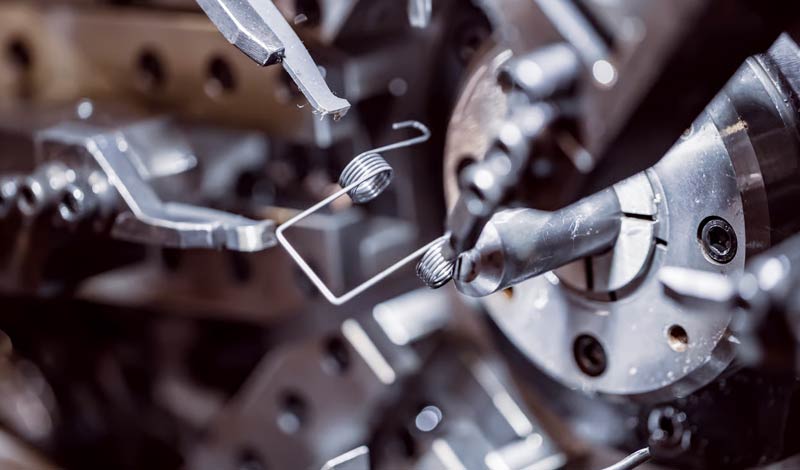
Ein hochwertiges Feinguss-Projekt braucht eine definierte Inspektionsstrategie.
Die Inspektion sollte auf Funktion und Risiko basieren und nicht einfach jeden verfügbaren Test durchführen.
Materialprüfung
Die Materialkontrolle kann umfassen:
- Überprüfung der chemischen Zusammensetzung
- Materialzertifikate
- Wärmerückverfolgbarkeit
- Legierungskennzeichnung
Die genauen Anforderungen hängen von den Kundenspezifikationen und den geltenden Standards ab.
ASTM A957/A957 M deckt gemeinsame Anforderungen für Stahl-Investmentgussteile ab, bei denen die metallurgische Einhaltung der einschlägigen Stahlgussspezifikationen erforderlich ist.
Dimensionsinspektion
Die Dimensionsprüfung kann Folgendes umfassen:
- Messschieber
- Mikrometer
- Messgeräte
- Vorrichtungen
- Koordinatenmessmaschinen
- Profilprüfung
Kritische Abmessungen sollten vor Produktionsbeginn vereinbart werden.
Visuelle Inspektion
Bei der Oberflächeninspektion können sichtbare Probleme festgestellt werden, wie zum Beispiel:
- Risse
- Unvollständige Füllung
- Abnormale Oberflächenbedingungen
- Übermahlen
- offensichtliche Einschlüsse
- Deformierung
Zerstörungsfreie Prüfung
Abhängig von der Teilefunktion können ZfP-Methoden Folgendes umfassen:
- Röntgenuntersuchung
- Magnetpartikelprüfung
- Durchdringungsinspektion
- Ultraschallprüfung
Nicht jeder Guss erfordert jede Methode.
Der Inspektionsplan sollte das Anwendungsrisiko widerspiegeln.
Mechanische Prüfung
Bei Bedarf können bei mechanischen Tests Eigenschaften bewertet werden, wie zum Beispiel:
- Zugfestigkeit
- Ertragsverhalten
- Härte
- Dehnung
- Schlageigenschaften
Die Anforderungen hängen von der Legierung und der Kundenspezifikation ab.
Edelstahl-Feuergussstandards
Standards sollten nach Material, Anwendung, Branche und vertraglichen Anforderungen ausgewählt werden.
Eine relevante internationale Referenz ist ISO 16468, das technische Anforderungen für Feingussteile aus Stahl, Nickellegierung und Kobaltlegierung festlegt.
ASTM unterhält auch Spezifikationen zu Stahl-Investmentgussteilen, einschließlich allgemeiner metallurgischer Anforderungen.
Normen sollten nicht einfach zu Marketingzwecken einer Zeichnung hinzugefügt werden.
Käufer und Hersteller sollten Folgendes identifizieren:
- Erforderliche Materialspezifikation
- Akzeptanzkriterien
- Inspektionsebene
- Maßstandard
- Wärmebehandlungszustand
- Oberflächenanforderungen
- ZfP-Anforderungen
- Dokumentationsanforderungen
Vor Produktionsbeginn.
Was wirkt sich auf die Kosten für den Investmentcasting aus?
Soem-Käufer konzentrieren sich oft auf das Gussgewicht, aber das Gewicht ist nur ein Faktor.
Komplexität der Werkzeuge
Kompliziertere Wachswerkzeuge können die anfänglichen Projektinvestitionen erhöhen.
Funktionen wie Objektträger, Kerne, ungewöhnliche Trennstrategien und schwierige Musterextraktion können das Werkzeugdesign beeinträchtigen.
Legierung
Verschiedene Edelstahlsorten haben unterschiedliche Rohstoff- und Verarbeitungsanforderungen.
Spezielle Legierungen erfordern möglicherweise auch ein kontrollierteres Schmelzen oder eine Wärmebehandlung.
Teilgeometrie
Komplexe Geometrie kann zunehmen:
- Schalenbauschwierigkeit
- Gating-anforderungen
- Gießrisiko
- Endzeit
Menge
Das Produktionsvolumen beeinflusst die Verteilung der Werkzeug- und Einrichtungskosten.
Ein Projekt, das jährlich 200 Teile benötigt, sollte nicht unbedingt die gleiche Fertigungsstrategie anwenden wie ein Projekt, das 100.000 Teile erfordert.
Bearbeitung
Die Bearbeitung kann zu einem erheblichen Kostenfaktor werden, wenn eine Zeichnung vielen Oberflächen enge Toleranzen zuweist.
Durch die Gestaltung weiterer Funktionen im Gusszustand können unnötige Bearbeitungen reduziert werden.
Inspektion
Eine erweiterte Inspektion bietet bei Bedarf einen Mehrwert, aber unnötige Inspektionen erhöhen auch die Kosten.
Qualitätsanforderungen sollten mit der Funktion übereinstimmen.
Oberflächenfinish
Polieren, Passivieren, Strahlen, Beschichten und andere Sekundärbehandlungen sollten frühzeitig erkannt werden.
Feinguss-Edelstahl vs. geschmiedeter Edelstahl
Das Schmieden ist ein weiteres wichtiges Herstellungsverfahren für Edelstahlbauteile.
Beim Schmieden wird im Allgemeinen Druckkraft verwendet, um festes Metall zu formen, während beim Feinguss ein Formhohlraum mit geschmolzenem Material gefüllt wird.
Vorteile des Investment Casting
Besonders stark ist das Investment Casting, wenn:
- Geometrie ist komplex
- Mehrere Merkmale können konsolidiert werden
- Es sind innere oder gekrümmte Formen erforderlich
- Near-Net-Formgebung reduziert Bearbeitung
Vorteile schmieden
Schmieden kann für Komponenten bevorzugt sein, bei denen:
- Richtungsmechanische Eigenschaften sind entscheidend
- Es handelt sich um eine extrem hohe Belastung
- Geometrie ist kompatibel mit Schmiedegesenken
- Materialfluss und Kornstruktur sind wichtige Designprioritäten
Die beiden Prozesse sollten daher nach funktionalen Anforderungen bewertet werden, anstatt sich auf eine einfache “welche ist stärker?” Frage zu stellen.
Ein zukünftiger Gussinhaltscluster kann dieses Thema direkt mit Guss- und Schmiedeartikeln, geschmiedetem Stahl, Gussdesign und Nachgussbearbeitungsartikeln verbinden.
Anwendungen von Feinguss-Edelstahl
Feinguss wird in vielen Industriezweigen eingesetzt, da er komplexe Metallkomponenten und nicht ein bestimmtes Endprodukt herstellen kann.
Zu den gängigen Fertigungsanwendungen können gehören:
Pumpen- und Ventilkomponenten
Komplexe Strömungskanäle, Gehäuse, Laufräder, Ventilstrukturen und Verbindungskomponenten können vom nahezu netzförmigen Gießen und anschließender Bearbeitung profitieren.
Maschinenkomponenten
Industriemaschinen können gegossen werden:
- Klammern
- Gehäuse
- Hebel
- Montagekomponenten
- Strukturverbinder
Energieausrüstung
Edelstahl- und Speziallegierungsgussteile können ausgewählt werden, wenn Korrosion, Temperatur, Festigkeit oder Umgebungseinwirkung leistungsfähigere Materialien erfordern.
Medizinische und Präzisionsausrüstung
Komplexe Edelstahlkomponenten können entsprechend den Anwendungsanforderungen gegossen und anschließend bearbeitet, poliert oder fertiggestellt werden.
Automobil und Transport
Feinguss kann komplexe mechanische Komponenten unterstützen, bei denen Wiederholbarkeit und Geometrie Werkzeuge rechtfertigen.
Diese Anwendungsbeispiele sollten als Demonstration der Fertigungsfähigkeit und nicht als feste Produktkategorien betrachtet werden.
Lina Metalworks bedient mehrere Fertigungssektoren durch integrierte Guss-, Bearbeitungs-, Stanz-, Schmiede-, Biege- und Hartlötfunktionen.
Wie Investment Casting in die One-Stop-Metallherstellung passt
Viele OEM-Gussteile sind nicht fertig, wenn sie die Form verlassen.
Eine vollständige Lieferkette kann Folgendes umfassen:
Gießen
→ Wärmebehandlung
→ CNC-Bearbeitung
→ Schleifen
→ Schweißen oder Hartlöten
→ Oberflächenbehandlung
→ Inspektion
→ Versammlung
Aus diesem Grund kann die Bewertung eines Lieferanten nur nach Gießereikapazitäten einschränkend sein.
OEM-Käufer sollten auch fragen, ob der Lieferant nachgelagerte Abläufe verwalten kann.
Lina Metalworks kombiniert Guss mit Bearbeitung und anderen Metallbearbeitungsdienstleistungen und unterstützt Projekte vom kundenspezifischen Design und Werkzeugbau bis hin zur Fertigung und Sekundärverarbeitung.
Der bestehende Artikel des Unternehmens Custom Art Casting: Kompletter Leitfaden für Präzisionsmetallgusslösungen Erklärt außerdem, wie Feinguss, Sandguss, Bearbeitung und Endbearbeitung in einem einzigen Gussablauf kombiniert werden können.
Was sollten Sie einem Hersteller von Feinguss schicken?
Ein professioneller RFQ sollte mehr als ein 3 D-Modell enthalten.
Im Idealfall stellen:
- 2 D-Zeichnung
- STEP oder anderes 3 D-Modell
- Edelstahlqualität
- Anforderungen an die Wärmebehandlung
- Jahresnachfrage
- Chargenmenge
- Maßtoleranzen
- Kritische Eigenschaften
- Oberflächenbeschaffenheit
- Bearbeitungsanforderungen
- Prüfanforderungen
- Betriebstemperatur
- Korrosionsumgebung
- Anzuwendende Normen
- Verpackungsanforderungen
Wenn die Materialauswahl noch nicht abgeschlossen ist, geben Sie stattdessen die Betriebsbedingungen an.
Ein erfahrener Gießlieferant kann dann bei der Bewertung helfen, ob Edelstahl, Kohlenstoffstahl, Nickellegierung, Aluminium oder ein anderes Material besser zum Projekt passt.
Fragen, die Sie einem Lieferanten für Feinguss aus Edelstahl stellen sollten
Bevor ein Fertigungspartner genehmigt wird, sollten OEM-Käufer fragen:
Welches Feingussverfahren nutzen Sie?
Verschiedene Schalensysteme und Gießereiprozesse können unterschiedliche Kombinationen aus Präzision, Oberflächenqualität und Produktionsökonomie bieten.
Welche Edelstahllegierungen kann man gießen?
Stellen Sie sicher, dass der Lieferant die erforderliche Legierung versteht, anstatt einfach die Materialbezeichnung zu akzeptieren.
Welche Maße sollen im Gusszustand bleiben?
Ein fähiger Lieferant sollte dabei helfen, Gusstoleranzen von Bearbeitungsanforderungen zu unterscheiden.
Können Sie eine sekundäre CNC-Bearbeitung anbieten?
Integrierte Bearbeitung kann die Datenkontrolle, Logistik, Inspektion und Lieferantenkoordination vereinfachen.
Wie steuert man Gussfehler?
Fragen Sie nach der Prozesskontrolle, anstatt eine generische Aussage wie “1001TP3 T-Qualität” zu akzeptieren”
Welche Inspektionen können Sie anbieten?
Die Inspektionsfähigkeit sollte den Projektanforderungen entsprechen.
Können Sie geringe Mengen und Produktionsmengen unterstützen?
Verschiedene Programme erfordern unterschiedliche Werkzeug- und Produktionsstrategien.
Lina Metalworks’ Casting-service Unterstützt kundenspezifische Komponenten von individuellen oder kleinvolumigen Anforderungen durch größere Produktionsprogramme, wobei je nach Teilestruktur und Volumen unterschiedliche Gießmethoden verwendet werden.
Schlussfolgerung
Feinguss-Edelstahl ist am wertvollsten, wenn ein Bauteil mehr als nur Korrosionsbeständigkeit benötigt.
Sein eigentlicher Vorteil ergibt sich aus der Kombination der Materialleistung von Edelstahl mit der Fähigkeit, komplexe netznahe Geometrie zu erzeugen.
Für OEM-Käufer verdienen sieben Faktoren besondere Aufmerksamkeit:
- Auswahl der Edelstahllegierung
- Gießfreundliche Teilegestaltung
- Realitätsnahe Toleranzzuordnung
- Gating- und Erstarrungskontrolle
- Gießfehlerverhinderung
- Geplante Sekundärbearbeitung
- Anwendungsspezifische Qualitätskontrolle
Ein erfolgreiches Gießprojekt sollte daher als integrierter Herstellungsprozess konzipiert werden.
Die Gießerei muss überlegen, wie das Wachsmuster hergestellt wird, wie geschmolzenes Metall fließt, wie sich der Guss verfestigt, welche Bereiche bearbeitet werden müssen, wie die Oberfläche fertiggestellt wird und wie das Bauteil letztendlich geprüft wird.
Für Teile, bei denen Feinguss allein nicht jedes letzte Merkmal bieten kann, Kombination Maßguss Mit Präzisionsbearbeitung Einen praktischeren Weg von der komplexen Rohgeometrie bis zu fertigen OEM-Komponenten bieten kann.
Anstatt nur zu fragen, “Kann dieser Teil gegossen werden?”, sollten Käufer eine nützlichere Frage stellen:
“Welche Kombination aus Gießen, Bearbeiten, Wärmebehandlung, Veredelung und Inspektion wird diese Komponente zuverlässig bei dem erforderlichen Produktionsvolumen erzeugen?”
Dieser Ansatz führt zu stärkeren DFM-Entscheidungen, realistischeren Toleranzen und einem skalierbareren Herstellungsprozess.
FAQ
Ist Feinguss gut für Edelstahl?
Ja. Feinguss wird häufig bei Edelstahl verwendet, da er komplexe Geometrie mit guter Maßwiederholbarkeit und Oberflächenqualität reproduzieren und gleichzeitig die Korrosionsbeständigkeit und die mechanischen Eigenschaften von Edelstahl nutzen kann.
Welche Edelstahlsorten können Feinguss sein?
Abhängig von der Gießereifähigkeit und den Projektanforderungen können verschiedene Edelstahl- und korrosionsbeständige Gussstahlsorten hergestellt werden. Die richtige Legierung sollte entsprechend den Anforderungen an Korrosion, Festigkeit, Wärmebehandlung, Temperatur und mechanische Leistung ausgewählt werden.
Ist Feinguss präziser als Sandguss?
Feinguss bietet im Allgemeinen eine bessere Maßhaltigkeit und feinere Oberflächendetails als herkömmlicher Sandguss Sandguss kann jedoch für größere Komponenten, einfachere Geometrien und bestimmte Projekte mit geringem Volumen praktischer sein.
Eliminiert der Feinguss die CNC-Bearbeitung?
Nicht immer. Viele Abmessungen können im Gusszustand bleiben, aber Präzisionsbohrungen, Lagersitze, Gewinde, Dichtflächen, Positionierungsmerkmale und Grenzflächen mit enger Toleranz erfordern häufig eine Sekundärbearbeitung.
Kann Feinguss komplexe Formen herstellen?
Ja. Komplexe Geometrie ist einer der Hauptgründe, warum Hersteller sich für das Feingussverfahren entscheiden, insbesondere wenn ein Bauteil detaillierte Merkmale enthält, die andernfalls eine umfangreiche Bearbeitung oder mehrteilige Fertigung erfordern würden.
Was verursacht Mängel bei Edelstahl-Feingussteilen?
Mögliche Ursachen können Gating, Beschickung, Schmelzqualität, Zustand der Keramikschale, Materialverhalten, Erstarrung, Geometrie oder Prozesskontrolle sein. Die Grundursache hängt vom spezifischen Defekt und der Gusskonstruktion ab.
Was ist der Unterschied zwischen Präzisionsguss und Feinguss?
Im industriellen Sprachgebrauch wird “Präzisionsguss” üblicherweise für den Feinguss verwendet, da das Verfahren in der Lage ist, komplexe Formen mit relativ hoher Maßgenauigkeit zu reproduzieren.
Können Feingussteile wärmebehandelt werden?
Ja. Abhängig von der Legierung und den erforderlichen mechanischen Eigenschaften können Gusskomponenten nach dem Gießen einer geeigneten Wärmebehandlung unterzogen werden.
Kann Feinguss OEM-Aufträge mit geringem Volumen verarbeiten?
Das kann es, aber die wirtschaftliche Eignung hängt von Werkzeug, Geometrie, Legierung, Menge und erwartetem zukünftigen Bedarf ab. Für einige sehr volumenarme oder große Komponenten kann Sandguss oder Bearbeitung besser geeignet sein.
Welche Informationen sollte ich für ein Casting-Angebot angeben?
Zeichnungen, 3 D-Dateien, Materialspezifikation, Mengen, kritische Toleranzen, Bearbeitungsanforderungen, Wärmebehandlung, Oberflächenbeschaffenheit, Prüfanforderungen und Betriebsbedingungen bereitstellen Dies ermöglicht es dem Hersteller, den gesamten Prozess zu bewerten, anstatt einfach das Gießgewicht anzugeben.