¡bienvenidos a Mi Blog!
¡estoy encantado de tenerte aquí! Antes de sumergirnos en el contenido, me encantaría que te unieras a mí en mis plataformas de redes sociales. Es donde comparto ideas adicionales, me conecto con nuestra increíble comunidad y te mantengo actualizado sobre las últimas noticias. Así es como puedes mantenerte conectado:
📘 Facebook: Lina Metal
<PREC YouTube: Canal de metal Lina «ver tutoriales, demostraciones y guías detalladas
¡Ahora embarquémonos juntos en este viaje! Espero que el contenido aquí no sólo te resulte revelador sino también inspirador y valioso. ¡Empezemos!
Tabla de contenidos
Conclusiones clave
- Comprensión profunda de fundición a presión de cobre flujo de trabajo industrial y de procesos
- Desglose a nivel de ingeniería de temperatura, presión y dinámica del molde
- Estándares globales (ISO, ASTM) que rigen la producción de fundición a presión de cobre
- Estructura de costos, control de defectos y estrategias de optimización de procesos
- Estudios de casos industriales reales de los sectores de energía, automoción y electrónica
- Comparación con tecnologías alternativas de conformado de metales
- Tendencias del mercado y dirección futura del desarrollo en fundición de cobre
Introducción
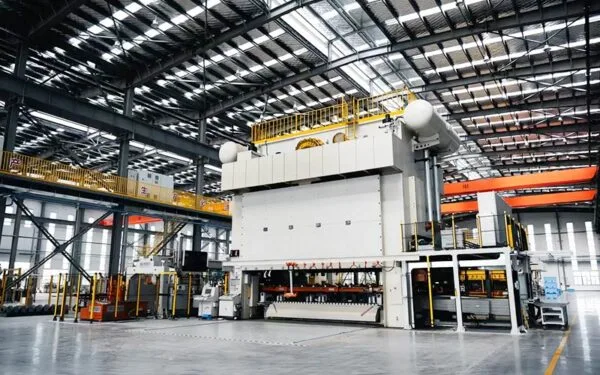
Fundición a presión de cobre es un proceso de fabricación crítico en industrias que requieren alta conductividad eléctrica, rendimiento térmico y durabilidad estructural. A medida que se acelera la electrificación global, especialmente en vehículos eléctricos, sistemas de energía renovable e infraestructura de redes inteligentes, la demanda de componentes de cobre de precisión ha aumentado significativamente.
Según un informe de la industria mundial de fundición de metales de 2025, los componentes de aleación de cobre representan aproximadamente 18-22% de producción de hardware eléctrico de alto rendimiento, con una demanda que crece constantemente debido a la expansión de los vehículos eléctricos y la miniaturización de la electrónica de potencia.
A diferencia de los métodos de fundición convencionales, fundición a presión de cobre combina tecnología de inyección de alta presión con moldes de acero de precisión para producir componentes con tolerancias estrictas, porosidad mínima y resistencia mecánica superior.
¿qué es la fundición a presión de cobre?
Definición de ingeniería
La fundición a presión de cobre es un proceso de conformado de metales a alta presión en el que se inyecta cobre fundido o aleaciones de cobre en moldes de acero para formar componentes de precisión.
Permite la producción en masa con una precisión dimensional constante.
Comportamiento material del cobre
Copper are:
- Punct de derretimiento: 1085°C
- Conductividad térmica: ~390 W/m·K
- Conductividad eléctrica: ~100% IACS (Norma Internacional de Cobre Recocido)
Estas propiedades lo hacen esencial para sistemas eléctricos y térmicos.
Descripción general del proceso de fundición a presión de cobre (flujo de trabajo de ingeniería)
El proceso de fundición a presión de cobre implica múltiples etapas estrictamente controladas diseñadas para garantizar la estabilidad metalúrgica y la precisión dimensional.
1. Selección de Materias Primas e Ingeniería de Aleaciones
El cobre rara vez se utiliza en forma pura para la fundición a presión.
Aleaciones comunes incluyen:
- Cobre-zinc (latón)
- Cobre-estaño (bronce)
- Aleaciones de cobre-níquel
Propósito de ingeniería
La aleación mejora:
- Fluidez durante el casting
- Resistencia mecánica
- Resistencia al desgaste
- Maquinabilidad
2. Etapa de fusión a alta temperatura
El cobre se funde en hornos de inducción o hornos de resistencia.
Parámetros clave
- Rango de temperatura: 1085°C -1200°C
- Atmósfera de control de oxidación: protección contra gases inertes o flujo
Desafío de ingeniería
La oxidación del cobre ocurre rápidamente a altas temperaturas.
Esto requiere condiciones atmosféricas controladas.
3. Fase de inyección (formado a alta presión)
El cobre fundido se inyecta en un molde de acero bajo presión extrema.
Datos típicos del proceso
- Presiune de injecție: 100 ñan 1200 bar
- Velocidad de inyección: accionamiento hidráulico de alta velocidad
- Tiempo de llenado: milisegundos a segundos
Función de ingeniería
La alta presión garantiza:
- Relleno de cavidades completas
- Porosidad reducida
- Estructura de grano denso
4. Control de solidificación y refrigeración
La velocidad de enfriamiento afecta directamente la calidad de la microestructura.
Características de enfriamiento
- El enfriamiento rápido mejora el refinamiento del grano
- El enfriamiento controlado reduce la tensión interna
Timp tipic de răcire: 10-60 segundos
5. Expulsión y Desmoldeo
Después de la solidificación, los pasadores eyectores liberan el componente.
Consideración clave
Una expulsión inadecuada puede causar:
- Craqueo superficial
- Distorsión dimensional
6. Procesamiento Secundario
Incluye:
- Recorte
- mecanizado CNC
- Pulido de superficies
- Galvanoplastia o recubrimiento
Parámetros del proceso de fundición a presión de cobre (tabla estándar industrial)
| Parámetro | Gama industrial | Impacto en la calidad |
|---|---|---|
| Temperatura de fusión | 1085°C -1200°C | Crítico |
| Temperatura del moho | 150°C -300°C | Alto |
| Presión de inyección | 100 ñan 1200 bar | Crítico |
| Tiempo de enfriamiento | 10 -10 60 seg | Alto |
| Tolerancia | ±0,05 --±0,2 mm | Muy alto |
| Tiempo de ciclo | 30 -120 seg | Medio |
Fundición a presión de cobre frente a otras tecnologías de conformado de metales
Fundición a presión de cobre versus fundición a presión de arena
| Característica | Fundición a presión | Fundición de arena |
|---|---|---|
| Precisión | Alto (±0,05 mm) | Bajo (±1 mm) |
| Velocidad de producción | Alto | Bajo |
| Acabado superficial | Suave | Duro |
| Costo Eficiencia | Alto en producción en masa | Bajo costo de configuración |
Fundición a presión de cobre versus fundición a presión
La fundición a la cera perdida ofrece una mayor complejidad geométrica pero una menor eficiencia.
- Fundición a presión: producción más rápida
- Casting de inversión: mejor para prototipos
- Fundición a presión: menor costo unitario a escala
Ventajas de la fundición a presión de cobre en sistemas de ingeniería

Alta retención de conductividad eléctrica
La fundición a presión de cobre preserva la conductividad cercana 100% IACS, lo que lo hace ideal para sistemas de energía.
Mejora de la densidad estructural
La formación a alta presión reduce los huecos internos.
Esto mejora la resistencia a la fatiga.
Eficiencia de producción en masa
Una vez que se completan las herramientas, el tiempo del ciclo permanece estable.
Esto respalda la fabricación industrial a gran escala.
Limitaciones de la fundición a presión de cobre
Alto costo de herramientas
Los moldes para troqueles pueden costar entre $5.000-$50.000+ dependiendo de la complejidad.
Estrés térmico en moldes
La alta temperatura de fusión acelera el desgaste del molde.
Sensibilidad al proceso
Pequeñas desviaciones de temperatura o presión afectan la calidad final.
Aplicaciones industriales de Fundición a presión de cobre
Sistemas de energía eléctrica
Utilizado en:
- Barras colectoras
- Conectores de alta tensión
- Componentes del circuito
Industria automotriz
Utilizado en:
- Conectores de batería para vehículos eléctricos
- Componentes de la carcasa del motor
- Sistemas de gestión térmica
Maquinaria Industrial
Utilizado en:
- Intercambiadores de calor
- Componentes de la bomba
- Piezas mecánicas conductoras
Fundición a presión de cobre Análisis de defectos
Defectos comunes
1. Porosidad
Causado por gas atrapado durante la inyección.
Reduce la resistencia mecánica.
2. Defectos de contracción
Ocurre durante un enfriamiento desigual.
Conduce a una inconsistencia dimensional.
3. Contaminación por oxidación
El cobre reacciona rápidamente con el oxígeno.
Impacta la conductividad.
Técnicas de control de calidad
- Inspección de rayos X
- Pruebas ultrasónicas
- Medición dimensional CMM
- Análisis de composición espectral
Estándares y cumplimiento de la industria
Estándares ISO
- ISO 8062: Tolerancias de fundición
- ISO 9001: Sistemas de gestión de calidad
Normas ASTM
- ASTM B505: Fundiciones a presión de aleación de cobre
- ASTM E8: Normas de pruebas mecánicas
Normas eléctricas
- Puntos de referencia de conductividad IEC
- Estándar de conductividad del cobre IACS
Perspectivas del mercado global y tendencias del Libro Blanco
Impulsores del crecimiento del mercado
- Ampliación de los vehículos eléctricos
- Infraestructura de energías renovables
- Desarrollo de redes inteligentes
- Miniaturización de la electrónica
Información del informe de la industria (2025)
Se prevé que la demanda mundial de fundición de aleaciones de cobre crezca a 4.5-6.2% CAGR hasta 2030.
Tendencia de sostenibilidad
Los fabricantes están adoptando:
- Aleaciones de cobre reciclables
- Sistemas de fusión de bajas emisiones
- Hornos energéticamente eficientes
Estudios de casos industriales reales
Estudio de caso 1: Fabricante de sistemas de baterías para vehículos eléctricos
Un proveedor europeo de vehículos eléctricos adoptó la fundición a presión de cobre para conectores.
Resultados:
- 28% mejora en la eficiencia de la conductividad
- 19% reducción de la resistencia térmica
Estudio de caso 2: Proyecto de mejora de la red eléctrica
Se desplegaron barras colectoras de cobre fundido a presión en las subestaciones.
Resultados:
- Reducción de la pérdida de energía en 15%
- Estabilidad de carga mejorada
Estudio de caso 3: Sistemas industriales de transferencia de calor
Los intercambiadores de calor de cobre fundido a presión reemplazaron las piezas mecanizadas.
Resultados:
- 22% mejor eficiencia térmica
- Menor frecuencia de mantenimiento
Análisis de la estructura de costos de la fundición a presión de cobre
Desglose de costos
| Elemento de costo | Porcentaje |
|---|---|
| Costo del material | 30–40% |
| Costo del molde | 20–35% |
| Costo energético | 15–25% |
| Costo laboral | 10–15% |
Ventaja de costos del ciclo de vida
Aunque el costo inicial es alto, la eficiencia a largo plazo reduce el costo total de propiedad 15–30% en entornos de producción en masa.
Estrategias de optimización de procesos
Optimización del control de temperatura
Mantener una temperatura estable del horno reduce los defectos de oxidación.
Extensión de vida útil del molde
El uso de aceros para herramientas avanzados aumenta la vida útil del molde hasta en 40%.
Integración de automatización
Las plantas modernas se integran:
- Sistemas robóticos de vertido
- Detección de defectos basada en IA
- Monitoreo de procesos en tiempo real
Preguntas frecuentes
Qué es fundición a presión de cobre ¿usado para?
Se utiliza para fabricar componentes eléctricos e industriales de precisión.
Común en automoción, electrónica y sistemas energéticos.
¿por qué es difícil la fundición a presión de cobre
Porque el cobre tiene un punto de fusión muy alto y se oxida fácilmente.
Esto requiere un estricto control del proceso.
¿es la fundición a presión de cobre mejor que el aluminio
El cobre ofrece mayor conductividad y rendimiento térmico.
El aluminio es más ligero y económico.
¿qué temperatura se requiere para la fundición a presión de cobre?
Normalmente entre 1085°C y 1200°C dependiendo del tipo de aleación.
¿cuánto duran las piezas fundidas a presión de cobre
Pueden durar décadas debido a su resistencia a la corrosión y durabilidad.
La vida útil depende del entorno de la aplicación.
Conclusión
El proceso de fundición a presión de cobre representa una de las tecnologías de conformado de metales más avanzadas y técnicamente exigentes en la fabricación moderna. Su capacidad para ofrecer alta conductividad, geometría de precisión y durabilidad estructural lo hace indispensable en aplicaciones eléctricas, automotrices e industriales.
A medida que las industrias globales avancen hacia la electrificación y los sistemas de alta eficiencia, la fundición a presión de cobre seguirá desempeñando un papel fundamental a la hora de permitir soluciones de ingeniería de próxima generación.