Willkommen auf Mein Blog!
Ich freue mich sehr, dich hier zu haben! bevor wir in die Inhalte eintauchen, würde ich mich freuen, wenn du mich auf meinen Social Media Plattformen begleitest, hier teile ich extra Einblicke, verbinde mich mit unserer tollen Community, halte dich über die neuesten Nachrichten auf dem Laufenden So bleibst du in Verbindung:
📘 Facebook: Lina Metal
️ YouTube: Lina Metal Channel – Anschauungs-Tutorials, Demos und ausführliche Anleitungen
Nun, lasst uns gemeinsam auf diese Reise gehen! ich hoffe, ihr findet die Inhalte hier nicht nur aufschlussreich sondern auch inspirierend und wertvoll, los geht's!
Inhaltsverzeichnis
Wichtige Erkenntnisse
- Tiefes Verständnis für Kupferdruckguss Prozess und industrieller Workflow
- Aufschlüsselung von Temperatur, Druck und Formdynamik auf technischer Ebene
- Globale Standards (ISO, ASTM) zur Regelung der Kupferdruckgussproduktion
- Kostenstruktur, Fehlerkontrolle und Prozessoptimierungsstrategien
- Echte industrielle Fallstudien aus den Bereichen Energie, Automobil und Elektronik
- Vergleich mit alternativen Metallumformtechnologien
- Markttrends und zukünftige Entwicklungsrichtung im Kupferguss
Einleitung
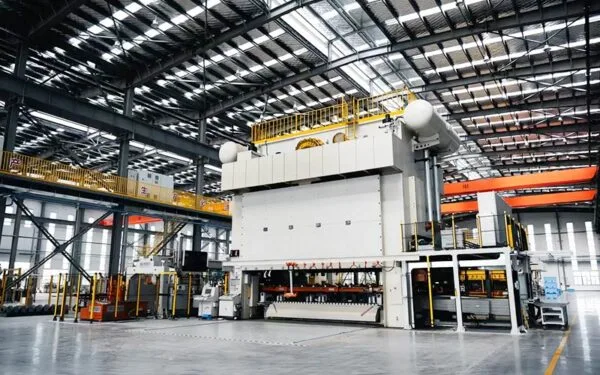
Kupferdruckguss ist ein entscheidender Prozess, der eine hohe elektrische Leitfähigkeit, thermische Leistung und strukturelle Haltbarkeit erfordert. Da die weltweite Elektrifizierungsbeschleunigung in der Industrie, insbesondere in Elektrofahrzeugen, erneuerbaren Energien und Smart-Grid-Herstellung, die Nachfrage nach Präzisionskupferkomponenten erheblich gestiegen ist.
Laut einem globalen Bericht der Metallgussindustrie aus dem Jahr 2025 machen Kupferlegierungskomponenten etwa aus 18 – 221 TP3T der Hochleistungsfertigung elektrischer Hardware, wobei die Nachfrage aufgrund der Erweiterung von Elektrofahrzeugen und der Miniaturisierung der Leistungselektronik stetig wächst.
Im Gegensatz zu herkömmlichen Gießverfahren, Kupferdruckguss Kombiniert Hochdruck-Einspritztechnologie mit Präzisionsstahlformen, um Komponenten mit engen Toleranzen, minimaler Porosität und überlegener mechanischer Festigkeit herzustellen.
Was ist Kupferdruckguss?
Technische Definition
Kupferdruckguss ist ein Hochdruck-Metallumformverfahren, bei dem geschmolzenes Kupfer oder Kupferlegierungen in Stahlformen eingespritzt werden, um Präzisionskomponenten zu bilden.
Es ermöglicht eine Massenproduktion mit gleichbleibender Maßhaltigkeit.
Materialverhalten von Kupfer
Kupfer hat:
- Schmelzpunkt: 1085°C
- Wärmeleitfähigkeit: ~390 W/m·K
- Elektrische Leitfähigkeit: ~1001TP3 T IACS (International Annealed Copper Standard)
Diese Eigenschaften machen es für elektrische und thermische Systeme unerlässlich.
Übersicht über den Kupferdruckgussprozess (Engineering Workflow)
Die Kupferdruckgussverfahren Es umfasst mehrere streng kontrollierte Stufen, die die metallurgische Stabilität und Maßgenauigkeit gewährleisten sollen.
1. Rohstoffauswahl und Legierungstechnik
Kupfer wird in reiner Form selten zum Druckguss verwendet.
Zu den gängigen Legierungen gehören:
- Kupfer-zink (Messing)
- Kupfer-zinn (Bronze)
- Kupfer-nickel-legierungen
Technischer Zweck
Legierung verbessert:
- Flüssigkeit beim Gießen
- Mechanische Festigkeit
- Verschleißfestigkeit
- Bearbeitbarkeit
2. Hochtemperatur-Schmelzstufe
Kupfer wird in Induktionsöfen oder Widerstandsöfen geschmolzen.
Schlüsselparameter
- Temperaturbereich: 1085°C 1200°C
- Oxidationskontrollatmosphäre: Inertgas- oder Flussschutz
Technische Herausforderung
Die Kupferoxidation erfolgt bei hohen Temperaturen schnell.
Dies erfordert kontrollierte atmosphärische Bedingungen.
3. Injektionsphase (Hochdruckformung)
Geschmolzenes Kupfer wird unter extremem Druck in eine Stahlform eingespritzt.
Typische Prozessdaten
- Einspritzdruck: 100 1200 bar
- Einspritzgeschwindigkeit: hydraulische Hochgeschwindigkeitsbetätigung
- Füllzeit: Millisekunden bis Sekunden
Ingenieurfunktion
Hoher Druck sorgt:
- Vollhohlraumfüllung
- Reduzierte Porosität
- Dichte Kornstruktur
4. Erstarrungs- und Kühlkontrolle
Die Abkühlgeschwindigkeit wirkt sich direkt auf die Mikrostrukturqualität aus.
Kühleigenschaften
- Schnelle Kühlung verbessert die Kornverfeinerung
- Durch die kontrollierte Kühlung wird die innere Belastung reduziert
Typische Abkühlzeit: 10 60 Sekunden
5. Auswurf und Entformung
Nach dem Erstarren geben Ejektorstifte das Bauteil ab.
Schlüsselüberlegung
Unsachgemäßer Auswurf kann Folgendes verursachen:
- Oberflächenrissbildung
- Dimensionsverzerrung
6. Sekundärverarbeitung
Beinhaltet:
- Trimmen
- CNC-Bearbeitung
- Oberflächenpolieren
- Galvanisieren oder Beschichten
Parameter des Kupferdruckgussverfahrens (industrielle Standardtabelle)
| Parameter | Branchenbereich | Auswirkungen auf die Qualität |
|---|---|---|
| Schmelztemp | 1085°C 1200°C | Kritisch |
| Schimmeltempeln | 150°C 300°C | Hoch |
| Einspritzdruck | 100 1200 bar | Kritisch |
| Abkühlzeit | 10 60 Sek | Hoch |
| Toleranz | ±0,05 ±0,2 mm | Sehr hoch |
| Zykluszeit | 30 120 Sek | Mittel |
Kupferdruckguss im Vergleich zu anderen Metallumformungstechnologien
Kupferdruckguss vs. Sandguss
| Merkmal | Druckguss | Sandguss |
|---|---|---|
| Präzision | Hoch (±0,05 mm) | Niedrig (±1 mm) |
| Produktionsgeschwindigkeit | Hoch | Niedrig |
| Oberflächenfinish | Glatt | Rau |
| Kosteneffizienz | Hoch in der Massenproduktion | Geringe Einrichtungskosten |
Kupferdruckguss vs. Feinguss
Feinguss bietet eine höhere geometrische Komplexität, aber eine geringere Effizienz.
- Druckguss: schnellere Produktion
- Feinguss: besser für Prototypen
- Druckguss: geringere Kosten pro Einheit im Maßstab
Vorteile des Kupferdruckgießens in technischen Systemen

Hohe elektrische Leitfähigkeitsrückhaltung
Kupferdruckguss behält eine Leitfähigkeit nahe bei 100%-IACS, was es ideal für Energiesysteme macht.
Verbesserung der strukturellen Dichte
Durch Hochdruckumformen werden innere Hohlräume reduziert.
Dadurch wird die Ermüdungsbeständigkeit verbessert.
Massenproduktionseffizienz
Sobald die Werkzeuge abgeschlossen sind, bleibt die Zykluszeit stabil.
Damit wird die industrielle Fertigung im großen Maßstab unterstützt.
Einschränkungen des Kupferdruckgusses
Hohe Werkzeugkosten
Formformen können zwischen kosten $5,00 –$50,000+ Abhängig von der Komplexität.
Thermische Belastung auf Formen
Hohe Schmelztemperatur beschleunigt den Verschleiß der Form.
Prozessempfindlichkeit
Kleine Abweichungen in Temperatur oder Druck beeinträchtigen die Endqualität.
Industrielle Anwendungen von Kupferdruckguss
Elektrische Energiesysteme
Verwendet in:
- Sammelschienen
- Hochspannungssteckverbinder
- Schaltungskomponenten
Automobilindustrie
Verwendet in:
- EV Batteriesteckverbinder
- Motorgehäuse Komponenten
- Wärmemanagementsysteme
Industriemaschinen
Verwendet in:
- Wärmetauscher
- Pumpenbauteile
- Leitfähige mechanische Teile
Kupferdruckguss Fehleranalyse
Häufige Mängel
1. Porosität
Verursacht durch eingeschlossenes Gas während der Injektion.
Reduziert die mechanische Festigkeit.
2. Schrumpfungsfehler
Tritt bei ungleichmäßiger Abkühlung auf.
Führt zu dimensionaler Inkonsistenz.
3. Oxidationskontamination
Kupfer reagiert schnell mit Sauerstoff.
Beeinflusst die Leitfähigkeit.
Techniken zur Qualitätskontrolle
- Röntgenuntersuchung
- Ultraschallprüfung
- CMM-Dimensionsmessung
- Spektrale Zusammensetzungsanalyse
Branchenstandards und Compliance
ISO-Standards
- ISO 8062: Gusstoleranzen
- ISO 9001: Qualitätsmanagementsysteme
ASTM-Standards
- ASTM B505: Druckgussteile aus Kupferlegierung
- ASTM E8: Mechanische Prüfnormen
Elektrische Standards
- IEC-Leitfähigkeitsbenchmarks
- IACS-Kupferleitfähigkeitsstandard
Globale Markteinblicke und Weißbuchtrends
Marktwachstumstreiber
- Ausbau von Elektrofahrzeugen
- Erneuerbare-Energien-Infrastruktur
- Entwicklung intelligenter Netze
- Miniaturisierung der Elektronik
Branchenbericht Insight (2025)
Der weltweite Gussbedarf aus Kupferlegierungen wird voraussichtlich steigen 4.56.2% CAGR bis 2030.
Nachhaltigkeitstrend
Hersteller übernehmen:
- Recyclingfähige Kupferlegierungen
- Emissionsarme Schmelzsysteme
- Energieeffiziente Öfen
Echte industrielle Fallstudien
Fallstudie 1: Hersteller von Elektrofahrzeugbatteriesystemen
Ein europäischer Elektrofahrzeuglieferant hat Kupferdruckguss für Steckverbinder eingeführt.
Ergebnisse:
- 281TP3 T Verbesserung der Leitfähigkeitseffizienz
- 19% Verringerung des Wärmewiderstands
Fallstudie 2: Projekt zur Netzverbesserung
In Umspannwerken wurden Kupferdruckgussschienen eingesetzt.
Ergebnisse:
- Reduzierter Energieverlust um 15%
- Verbesserte Belastbarkeit
Fallstudie 3: Industrielle Wärmeübertragungssysteme
Kupferdruckgusswärmetauscher ersetzten bearbeitete Teile.
Ergebnisse:
- 22% besserer thermischer Wirkungsgrad
- Niedrigere Wartungsfrequenz
Kostenstrukturanalyse des Kupferdruckgießens
Kostenaufschlüsselung
| Kostenelement | Prozentualer Anteil |
|---|---|
| Materialkosten | 30–40% |
| Schimmelkosten | 20–35% |
| Energiekosten | 15–25% |
| Arbeitskosten | 10–15% |
Lebenszykluskostenvorteil
Obwohl die Anschaffungskosten hoch sind, reduziert die langfristige Effizienz die Gesamtbetriebskosten um 15–30% In Massenproduktionsumgebungen.
Prozessoptimierungsstrategien
Optimierung der Temperaturregelung
Die Aufrechterhaltung einer stabilen Ofentemperatur reduziert Oxidationsfehler.
Lebensdauerverlängerung für Schimmel
Die Verwendung fortschrittlicher Werkzeugstähle erhöht die Lebensdauer der Form um bis zu 40%.
Automatisierungsintegration
Moderne Pflanzen integrieren:
- Robotergießanlagen
- KI-basierte Fehlererkennung
- Prozessüberwachung in Echtzeit
FAQ
Was ist Kupferdruckguss Verwendet für?
Es wird zur Herstellung präziser elektrischer und industrieller Komponenten verwendet.
Häufig in Automobil-, Elektronik- und Energiesystemen.
Warum ist Kupferdruckguss schwierig?
Denn Kupfer hat einen sehr hohen Schmelzpunkt und oxidiert leicht.
Dies erfordert eine strenge Prozesskontrolle.
Ist Kupferdruckguss besser als Aluminium?
Kupfer bietet eine höhere Leitfähigkeit und thermische Leistung.
Aluminium ist leichter und billiger.
Welche Temperatur ist für Kupferdruckguss erforderlich?
Typischerweise zwischen 1085°C und 1200°C Je nach Legierungstyp.
Wie lange halten Kupferdruckgussteile?
Sie können aufgrund der Korrosionsbeständigkeit und Haltbarkeit Jahrzehnte halten.
Die Lebensdauer hängt von der Anwendungsumgebung ab.
Schlussfolgerung
Die Kupferdruckgussverfahren stellt eine der fortschrittlichsten und technisch anspruchsvollsten Metallumformtechnologien in der modernen Fertigung dar. Seine Fähigkeit, hohe Leitfähigkeit, Präzisionsgeometrie und strukturelle Haltbarkeit zu liefern, macht es für elektrische, automobile und industrielle Anwendungen unverzichtbar.
Während sich die globale Industrie auf Elektrifizierung und hocheffiziente Systeme verlagert, wird Kupferdruckguss weiterhin eine entscheidende Rolle bei der Ermöglichung technischer Lösungen der nächsten Generation spielen.