¡bienvenidos a Mi Blog!
¡estoy encantado de tenerte aquí! Antes de sumergirnos en el contenido, me encantaría que te unieras a mí en mis plataformas de redes sociales. Es donde comparto ideas adicionales, me conecto con nuestra increíble comunidad y te mantengo actualizado sobre las últimas noticias. Así es como puedes mantenerte conectado:
📘 Facebook: Lina Metal
<PREC YouTube: Canal de metal Lina «ver tutoriales, demostraciones y guías detalladas
¡Ahora embarquémonos juntos en este viaje! Espero que el contenido aquí no sólo te resulte revelador sino también inspirador y valioso. ¡Empezemos!
Tabla de contenidos
Introducción
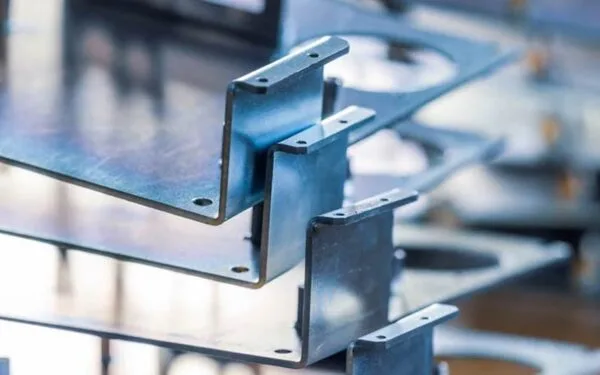
La flexión de chapa metálica es un proceso crítico en la fabricación moderna, que influye en todo, desde paneles de automóviles y componentes aeroespaciales hasta electrodomésticos y equipos industriales. Seleccionando el el mejor acero para doblar chapas es esencial para lograr ángulos precisos, calidad constante e integridad estructural duradera. Con avances en grados de acero, tecnologías de tratamiento térmico y maquinaria de doblado, 2026 marca una nueva era para soluciones de doblado de alto rendimiento, eficientes y rentables. Esta guía completa explora las propiedades de los materiales, las aplicaciones industriales, los estándares técnicos, los estudios de casos del mundo real y las recomendaciones de expertos para seleccionar el acero ideal para doblar chapas metálicas.
Puntos clave de esta guía
- Descripción general de los grados de acero de alto rendimiento adecuados para doblar chapas
- Comparación de propiedades mecánicas y rendimiento de flexión
- Consideraciones sobre tratamiento térmico y recubrimiento
- Marco de selección de materiales para diferentes industrias
- Optimización del proceso de herramientas y flexión
- Normas y certificaciones industriales para la flexión de acero
- Estudios de casos que destacan aplicaciones exitosas
- Consejos de expertos y consejos para la resolución de problemas
- Tendencias e innovaciones en 2026 para el conformado de chapa
Comprender el mejor acero para doblar chapas metálicas
Lo que hace que el acero sea ideal para doblar
El acero ideal para flexión equilibra la ductilidad, el límite elástico, la resistencia a la tracción y la calidad del acabado superficial. La combinación correcta reduce el resorte, evita grietas y garantiza ángulos de curvatura consistentes. Los materiales que ofrecen un alto alargamiento y una microestructura uniforme generalmente funcionan mejor durante operaciones de flexión complejas.
Propiedades mecánicas que afectan la capacidad de flexión
- Performanță de răspuns: Un límite elástico más bajo reduce la fuerza necesaria para doblar el material, lo que permite una formación más precisa.
- Resistencia a la tracción: El acero debe soportar tensiones sin fracturarse; Una mayor resistencia a la tracción respalda las aplicaciones estructurales.
- Alargamiento: Mide la capacidad de estiramiento del material; un mayor alargamiento reduce la probabilidad de grietas a lo largo de las líneas de curvatura.
- Dureza: Los aceros excesivamente duros pueden provocar desgaste de las herramientas y grietas, mientras que los aceros blandos pueden deformarse de forma indeseable.
Tipos de Acero para Doblado de Chapa
Acero laminado en frío (CRS)
El acero laminado en frío se utiliza ampliamente debido a su superficie lisa y su espesor preciso. Su bajo resorte y sus propiedades mecánicas uniformes lo hacen ideal para aplicaciones de alta precisión, como paneles de automóviles, carcasas eléctricas y electrodomésticos. El CRS suele estar recubierto con capas de zinc, fosfato u orgánicas para proteger contra la corrosión.
Acero laminado en caliente (HRS)
El acero laminado en caliente es más grueso, más dúctil y menos costoso que el CRS. HRS se utiliza comúnmente en aplicaciones de servicio pesado, incluidas estructuras de construcción y equipos industriales. Si bien el acabado de la superficie es más rugoso que el CRS, las técnicas de flexión adecuadas garantizan un excelente rendimiento estructural.
Acero inoxidable
Grados como el acero inoxidable 304 y 316 son resistentes a la corrosión y mantienen un buen rendimiento de flexión. El acero inoxidable requiere mayor fuerza para doblarse debido a su resistencia a la tracción, pero ofrece durabilidad y resistencia superiores en ambientes químicos, alimentarios y exteriores. A menudo se recomienda recocer antes de doblar para mejorar la ductilidad.
Acero de baja aleación y alta resistencia (HSLA)
El acero HSLA proporciona una combinación de resistencia y ductilidad moderada. Sus propiedades para ahorrar peso lo hacen ideal para chasis de automóviles, componentes aeroespaciales y paneles de construcción livianos. Los aceros HSLA pueden requerir herramientas especializadas y procesos de flexión controlados para evitar grietas o problemas de resorte.
Acero galvanizado
El acero galvanizado ofrece protección de la superficie contra la corrosión, lo que lo hace adecuado para aplicaciones en exteriores. Doblar acero galvanizado requiere atención a la integridad del recubrimiento, ya que una tensión excesiva puede provocar microfisuras en la capa protectora.
Marco de selección de materiales para doblado de chapa metálica
Recomendaciones específicas de la industria
- Fabricación de automóviles: Acero CRS o HSLA para paneles y componentes estructurales precisos.
- Equipos industriales y de construcción: Acero HRS o HSLA para aplicaciones estructurales y de soporte de carga.
- Equipos alimentarios y farmacéuticos: Acero inoxidable 304 o 316 para superficies resistentes a la corrosión.
- Cerramientos eléctricos: CRS con revestimiento para mayor durabilidad y facilidad de fabricación.
Consideraciones sobre el espesor y el radio de curvatura
El espesor del material afecta directamente al radio de curvatura mínimo. Los aceros más gruesos requieren radios de curvatura más amplios y plegadoras más fuertes. Comprender las propiedades mecánicas del material garantiza ángulos de curvatura precisos sin comprometer la integridad estructural.
Tabla comparativa: Mejor acero para doblar chapa metálica
| Tipo de acero | Rendimiento fuerte (MPa) | Resistencia a la tracción (MPa) | Alargamiento (%) | Mejores aplicaciones | Nivel de costo |
|---|---|---|---|---|---|
| Acero laminado en frío | 210–280 | 340–410 | 28–35 | Paneles de automoción, electrodomésticos | Medio |
| Acero laminado en caliente | 180–250 | 350–450 | 25–30 | Marcos estructurales, tanques | Bajo |
| Acero inoxidable 304 | 205–215 | 520–580 | 40 | Industria alimentaria, equipos médicos | Alto |
| Acero inoxidable 316 | 215–225 | 540–600 | 45 | Ambientes químicos al aire libre | Alto |
| Acero HSLA | 350–420 | 450–500 | 20–25 | Automoción, construcción | Medio-alto |
| Acero galvanizado | 180–270 | 360–420 | 25–35 | Techos, cerramientos exteriores | Medio |
Consideraciones avanzadas
Tratamiento térmico y flexión
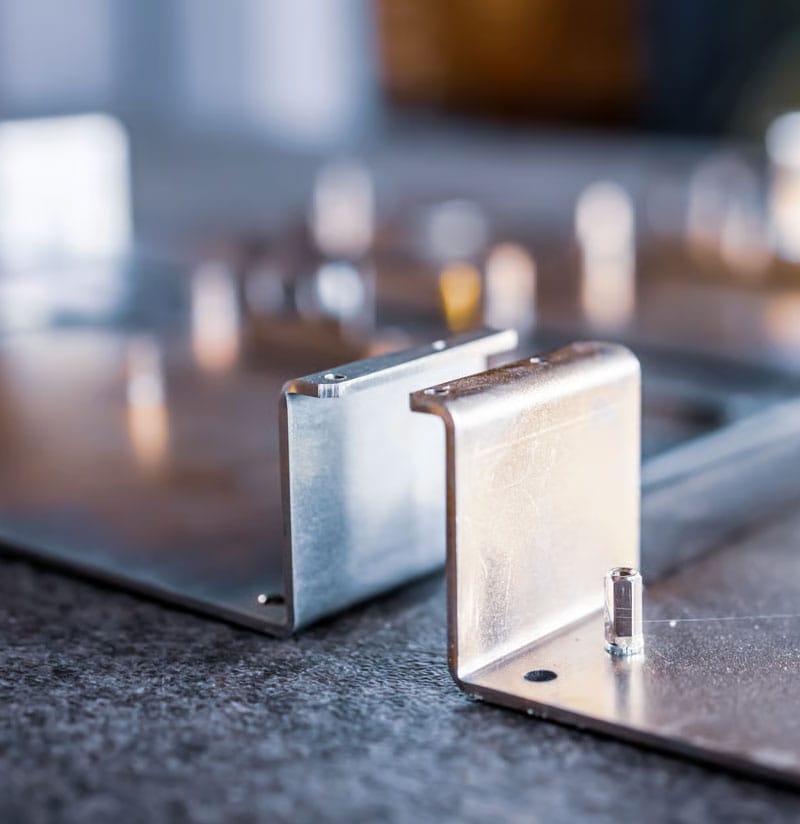
Los tratamientos térmicos como el recocido y el alivio de tensiones pueden mejorar la ductilidad y reducir el retorno elástico. Los aceros con alto contenido de carbono o los aceros HSLA a menudo se benefician del tratamiento térmico previo a la flexión para evitar grietas.
Recubrimientos y Tratamientos Superficiales
Los recubrimientos superficiales mejoran la resistencia a la corrosión pero pueden influir en la capacidad de flexión. Los aceros galvanizados, pintados o con recubrimiento en polvo necesitan parámetros de flexión controlados para mantener la integridad del recubrimiento.
Optimización de herramientas
El uso del troquel, el radio de perforación y la lubricación correctos mejora el rendimiento de flexión y prolonga la vida útil de la herramienta. Los troqueles cortados con láser o mecanizados por CNC proporcionan curvaturas de alta precisión y reducen las imperfecciones de los bordes.
Estándares y Certificaciones
- ISO 9445: Especificaciones del acero laminado en frío
- DIN EN 10130: Aceros bajos en carbono reducidos en frío
- ASTM A1008: Acero al carbono laminado en frío
- Pautas FEM: Normas de doblado y conformado para aplicaciones industriales
Estudios de casos
Fabricación de paneles automotrices
Material: CRS 1,2 mm
Reto: Logre curvas de 90° con un mínimo de retorno elástico.
Resultado: Las herramientas optimizadas y el radio de curvatura redujeron el retorno del resorte a <2%, lo que garantiza dimensiones consistentes del panel.
Gabinetes de la industria alimentaria
Material: Acero inoxidable 304
Reto: Curvas estrechas de 90° sin microfisuras.
Resultado: El recocido antes de doblar mejoró la ductilidad y permitió un conformado preciso sin comprometer la resistencia a la corrosión.
Paneles de Construcción Industrial
Material: HRS 2,5 mm
Reto: Flexión para estructura estructural con deformación mínima.
Resultado: El proceso de flexión controlado y las herramientas adecuadas minimizaron las grietas y mejoraron la precisión del ensamblaje.
Tendencias e Innovaciones en 2026
- Flexión asistida por láser: Reduce los requisitos de fuerza y mejora la precisión.
- Frenos de prensa inteligentes: Los sensores integrados optimizan el ángulo de curvatura y compensan el retroceso.
- Producția de oțel sustentable: Los grados de acero reciclado y con bajas emisiones de carbono están ganando popularidad.
- Mantenimiento predictivo: El monitoreo impulsado por IA para máquinas dobladoras mejora la vida útil y la eficiencia de las herramientas.
Conclusión
Seleccionando el el mejor acero para doblar chapas en 2026 se requiere un conocimiento profundo de las propiedades mecánicas, los requisitos de la industria y las tecnologías de flexión avanzadas. El acero laminado en frío sigue siendo el estándar para aplicaciones de precisión, mientras que los aceros inoxidables y HSLA son indispensables en escenarios resistentes a la corrosión y de alta resistencia. Al considerar las propiedades de los materiales, el tratamiento térmico, las herramientas y los estándares de la industria, los fabricantes pueden lograr una calidad constante, reducir el desperdicio de material y maximizar la eficiencia de la producción.
Preguntas frecuentes
¿qué es el el mejor acero para doblar chapas?
El acero laminado en frío es ideal para la mayoría de aplicaciones de precisión. Se prefieren los aceros inoxidables y HSLA cuando se requiere resistencia a la corrosión o alta resistencia.
¿Se puede doblar el acero con alto contenido de carbono sin agrietarse
Sí, pero se recomienda un recocido previo o un tratamiento térmico para mejorar la ductilidad.
¿el espesor afecta el rendimiento de flexión?
Absolutamente. Las láminas más gruesas requieren radios de curvatura más grandes y herramientas más resistentes para evitar grietas o deformaciones.
¿cómo impactan los recubrimientos en la flexión?
Los recubrimientos como la galvanización reducen ligeramente la ductilidad; La lubricación adecuada y las técnicas de flexión controlada minimizan los daños.
¿es el acero inoxidable más difícil de doblar que el CRS?
Sí, debido a su mayor resistencia a la tracción, se necesitan herramientas especializadas y una técnica cuidadosa.