Willkommen auf Mein Blog!
Ich freue mich sehr, dich hier zu haben! bevor wir in die Inhalte eintauchen, würde ich mich freuen, wenn du mich auf meinen Social Media Plattformen begleitest, hier teile ich extra Einblicke, verbinde mich mit unserer tollen Community, halte dich über die neuesten Nachrichten auf dem Laufenden So bleibst du in Verbindung:
📘 Facebook: Lina Metal
️ YouTube: Lina Metal Channel – Anschauungs-Tutorials, Demos und ausführliche Anleitungen
Nun, lasst uns gemeinsam auf diese Reise gehen! ich hoffe, ihr findet die Inhalte hier nicht nur aufschlussreich sondern auch inspirierend und wertvoll, los geht's!
Inhaltsverzeichnis
Einleitung
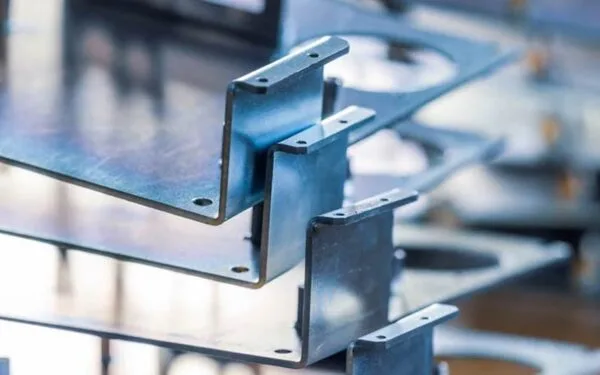
Blechbiegung ist ein kritischer Prozess in der modernen Fertigung, der alles beeinflusst, von Automobilplatten und Luft - und Raumfahrtkomponenten bis hin zu Haushaltsgeräten und Industriegeräten Auswahl der Bester Stahl für Blechbiegung Ist unerlässlich, um präzise Winkel, gleichbleibende Qualität und lang anhaltende strukturelle Integrität zu erreichen Mit Fortschritten bei Stahlsorten, Wärmebehandlungstechnologien und Biegemaschinen markiert 2026 eine neue Ära für leistungsstarke, effiziente und kostengünstige Biegelösungen Dieser umfassende Leitfaden untersucht Materialeigenschaften, industrielle Anwendungen, technische Standards, reale Fallstudien und Expertenempfehlungen für die Auswahl des idealen Stahls für die Blechbiegung.
Kernpunkte dieses Leitfadens
- Übersicht über Hochleistungsstahlsorten, die für das Blechbiegen geeignet sind
- Vergleich der mechanischen Eigenschaften und der Biegeleistung
- Überlegungen zur Wärmebehandlung und Beschichtung
- Materialauswahlrahmen für verschiedene Branchen
- Werkzeug - und Biegeprozessoptimierung
- Industriestandards und Zertifizierungen für Stahlbiegung
- Fallstudien, die erfolgreiche Anwendungen hervorheben
- Expertentipps und Ratschläge zur Fehlerbehebung
- Trends und Innovationen im Jahr 2026 für die Blechumformung
Den besten Stahl für das Biegen von Blechen verstehen
Was Stahl ideal zum Biegen macht
Stahl ideal zum Biegen gleicht Duktilität, Streckgrenze, Zugfestigkeit, und Oberflächengüte aus Die richtige Kombination reduziert das Zurückfedern, verhindert Risse und sorgt für gleichmäßige Biegewinkel Materialien, die eine hohe Dehnung und gleichmäßige Mikrostruktur bieten, leisten im Allgemeinen bei komplexen Biegevorgängen eine bessere Leistung.
Mechanische Eigenschaften, die die Biegefähigkeit beeinträchtigen
- Streckgrenze: Eine geringere Streckgrenze verringert die zum Biegen des Materials erforderliche Kraft und ermöglicht so eine präzisere Formung.
- Zugfestigkeit: Stahl muss Spannungen standhalten, ohne zu brechen; Eine höhere Zugfestigkeit unterstützt strukturelle Anwendungen.
- Dehnung: Misst die Dehnfähigkeit des Materials; Eine höhere Dehnung verringert die Wahrscheinlichkeit von Rissen entlang der Biegungslinien.
- Härte: Übermäßig harte Stähle können zu Werkzeugverschleiß und Rissen führen, während sich weiche Stähle unerwünscht verformen können.
Stahlsorten zum Biegen von Blechen
Kaltgewalzter Stahl (CRS)
Kaltgewalzter Stahl ist aufgrund seiner glatten Oberfläche und präzisen Dicke weit verbreitet. Aufgrund seiner geringen Rückfederung und gleichmäßigen mechanischen Eigenschaften eignet er sich ideal für hochpräzise Anwendungen wie Automobilplatten, Elektrogehäuse und Verbrauchergeräte. CRS wird häufig mit Zink, Phosphat oder organischen Schichten zum Korrosionsschutz beschichtet.
Warmgewalzter Stahl (HRS)
Warmgewalzter Stahl ist dicker, duktiler und kostengünstiger als CRS. HRS wird häufig in Hochleistungsanwendungen verwendet, einschließlich Baugerüsten und Industrieanlagen. Während die Oberflächenbeschaffenheit rauer als CRS ist, sorgen geeignete Biegetechniken für eine hervorragende strukturelle Leistung.
Edelstahl
Güten wie Edelstahl 304 und 316 sind korrosionsbeständig bei gleichbleibender guter Biegeleistung Edelstahl benötigt aufgrund seiner Zugfestigkeit höhere Kraft zum Biegen, bietet aber in chemischen, Lebensmittel - und Außenumgebungen eine überlegene Haltbarkeit und Beständigkeit, oft wird das Glühen vor dem Biegen empfohlen, um die Duktilität zu verbessern.
Hochfester niedriglegierter Stahl (HSLA)
HSLA-Stahl bietet eine Kombination aus Festigkeit und mäßiger Duktilität. Aufgrund seiner gewichtssparenden Eigenschaften eignet er sich ideal für Automobilchassis, Luft- und Raumfahrtkomponenten und Leichtbauplatten. HSLA-Stähle erfordern möglicherweise spezielle Werkzeuge und kontrollierte Biegeprozesse, um Risse oder Rückfederungsprobleme zu verhindern.
Verzinktem Stahl
Verzinkter Stahl bietet Oberflächenschutz gegen Korrosion, wodurch er sich für Außenanwendungen eignet Das Biegen von verzinktem Stahl erfordert Aufmerksamkeit auf die Beschichtungsintegrität, da eine übermäßige Beanspruchung zu Mikrorissen der Schutzschicht führen kann.
Materialauswahlrahmen für das Biegen von Blechen
Branchenspezifische Empfehlungen
- Automobilbau: CRS - oder HSLA-Stahl für präzise Platten und Strukturbauteile.
- Bau- und Industrieausrüstung: HRS - oder HSLA-Stahl für tragende und strukturelle Anwendungen.
- Lebensmittel- und Pharmaausrüstung: Edelstahl 304 oder 316 für korrosionsbeständige Oberflächen.
- Elektrische Gehäuse: CRS mit Beschichtung für Haltbarkeit und einfache Herstellung.
Überlegungen zu Dicke und Biegeradius
Die Materialdicke wirkt sich direkt auf den minimalen Biegeradius aus Dickere Stähle benötigen breitere Biegeradien und stärkere Pressbremsen Das Verständnis der mechanischen Eigenschaften des Materials gewährleistet genaue Biegungswinkel, ohne die strukturelle Integrität zu beeinträchtigen.
Vergleichstabelle: Bester Stahl für Blechbiegung
| Stahltyp | Streckgrenze (MPa) | Zugfestigkeit (MPa) | Dehnung (%) | Beste Anwendungen | Kostenniveau |
|---|---|---|---|---|---|
| Kaltgewalzter Stahl | 210–280 | 340–410 | 28–35 | Automobilplatten, Geräte | Mittel |
| Warmgewalzter Stahl | 180–250 | 350–450 | 25–30 | Strukturrahmen, Tanks | Niedrig |
| Edelstahl 304 | 205–215 | 520–580 | 40 | Lebensmittelindustrie, medizinische Ausrüstung | Hoch |
| Edelstahl 316 | 215–225 | 540–600 | 45 | Outdoor, chemische Umgebungen | Hoch |
| HSLA-Stahl | 350–420 | 450–500 | 20–25 | Automobil, Bau | Mittelhoch |
| Verzinktem Stahl | 180–270 | 360–420 | 25–35 | Dachdeckerei, Außenanlagen | Mittel |
Erweiterte Überlegungen
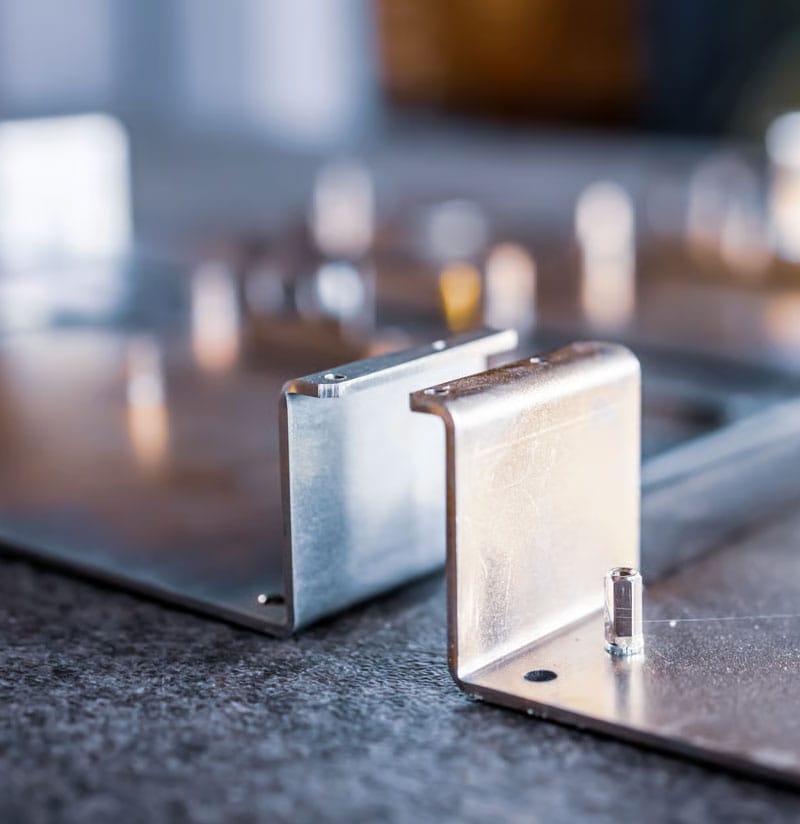
Wärmebehandlung und Biegung
Wärmebehandlungen wie Glühen und Spannungsabbau können die Duktilität verbessern und das Zurückfedern reduzieren. Kohlenstoffreiche Stähle oder HSLA-Stähle profitieren häufig von einer Wärmebehandlung vor dem Biegen, um Risse zu verhindern.
Beschichtungen und Oberflächenbehandlungen
Oberflächenbeschichtungen verbessern die Korrosionsbeständigkeit, können jedoch die Biegbarkeit beeinflussen. Verzinkte, lackierte oder pulverbeschichtete Stähle benötigen kontrollierte Biegeparameter, um die Beschichtungsintegrität aufrechtzuerhalten.
Werkzeugoptimierung
Die Verwendung der richtigen Matrize, des Stempelradius und der Schmierung verbessert die Biegeleistung und verlängert die Werkzeuglebensdauer. Lasergeschnittene oder CNC-bearbeitete Matrizen sorgen für hochpräzise Biegungen und reduzieren Kantenunvollkommenheiten.
Standards und Zertifizierungen
- ISO 9445: Spezifikationen für kaltgewalzten Stahl
- DIN EN 10130: Kaltreduzierte kohlenstoffarme Stähle
- ASTM A1008: Kaltgewalzter Kohlenstoffstahl
- FEM-Richtlinien: Biege - und Umformnormen für industrielle Anwendungen
Fallstudien
Herstellung von Automobilplatten
Material: CRS 1,2 mm
Herausforderung: Erzielen Sie 90° -Biegungen mit minimalem Rückfederung.
Ergebnis: Optimierte Werkzeuge und Biegeradius reduzierten die Rückfederung auf <2% und sorgten so für konsistente Plattenabmessungen.
Schränke der Lebensmittelindustrie
Material: Edelstahl 304
Herausforderung: Enge 90° - Biegungen ohne Mikrorisse.
Ergebnis: Das Glühen vor dem Biegen verbesserte die Duktilität und ermöglichte eine präzise Formung ohne Beeinträchtigung der Korrosionsbeständigkeit.
Industriebauplatten
Material: HRS 2,5 mm
Herausforderung: Biegung für Strukturgerüst mit minimaler Verformung.
Ergebnis: Kontrollierter Biegeprozess und richtige Werkzeuge minimierten Risse und verbesserten die Montagegenauigkeit.
Trends und Innovationen im Jahr 2026
- Lasergestütztes Biegen: Reduziert den Kraftbedarf und verbessert die Präzision.
- Intelligente Pressbremsen: Integrierte Sensoren optimieren Biegewinkel und Kompensation für Rückfederung.
- Nachhaltige Stahlproduktion: Kohlenstoffarme und recycelte Stahlsorten erfreuen sich zunehmender Beliebtheit.
- Vorausschauende Wartung: KI-gesteuerte Überwachung für Biegemaschinen verbessert die Lebensdauer und Effizienz des Werkzeugs.
Schlussfolgerung
Auswahl der Bester Stahl für Blechbiegung Im Jahr 2026 erfordert ein tiefes Verständnis der mechanischen Eigenschaften, der Anforderungen der Industrie und fortschrittlicher Biegetechnologien Kaltgewalzter Stahl bleibt der Standard für Präzisionsanwendungen, während rostfreie und HSLA-Stähle in korrosionsbeständigen und hochfesten Szenarien unverzichtbar sind Durch die Berücksichtigung von Materialeigenschaften, Wärmebehandlung, Werkzeugen und Industriestandards können Hersteller eine gleichbleibende Qualität erreichen, Materialabfälle reduzieren und die Produktionseffizienz maximieren.
FAQ
Was ist die Bester Stahl für Blechbiegung?
Kaltgewalzter Stahl ist ideal für die meisten Präzisionsanwendungen Edelstahl - und HSLA-Stähle werden bevorzugt, wenn Korrosionsbeständigkeit oder hohe Festigkeit erforderlich sind.
Kann kohlenstoffreicher Stahl rissfrei gebogen werden?
Ja, aber vorglühen oder Wärmebehandlung wird empfohlen, um die Duktilität zu verbessern.
Beeinflusst die Dicke die Biegeleistung?
Absolut. Dickere Bleche benötigen größere Biegeradien und stärkere Werkzeuge, um Risse oder Verformungen zu vermeiden.
Wie wirken sich Beschichtungen auf das Biegen aus
Beschichtungen wie die Verzinkung verringern die Duktilität leicht; Richtige Schmierung und kontrollierte Biegetechniken minimieren Schäden.
Ist Edelstahl schwieriger zu biegen als CRS?
Ja, aufgrund der höheren Zugfestigkeit sind spezielle Werkzeuge und eine sorgfältige Technik erforderlich.