¡bienvenidos a Mi Blog!
¡estoy encantado de tenerte aquí! Antes de sumergirnos en el contenido, me encantaría que te unieras a mí en mis plataformas de redes sociales. Es donde comparto ideas adicionales, me conecto con nuestra increíble comunidad y te mantengo actualizado sobre las últimas noticias. Así es como puedes mantenerte conectado:
📘 Facebook: Lina Metal
<PREC YouTube: Canal de metal Lina «ver tutoriales, demostraciones y guías detalladas
¡Ahora embarquémonos juntos en este viaje! Espero que el contenido aquí no sólo te resulte revelador sino también inspirador y valioso. ¡Empezemos!
Tabla de contenidos
Conclusiones clave
- Aprende qué Casting de arte es y por qué es esencial en la fabricación de arte moderno.
- Descubra las diferencias entre fundición a la cera perdida, fundición en arena y mecanizado CNC para aplicaciones artísticas.
- Explore materiales adecuados para esculturas, instrumentos musicales, objetos decorativos y obras de arte arquitectónicas.
- Comprenda cómo la fundición de arte personalizada combina la precisión de la ingeniería con la creatividad artística.
- Compare diferentes procesos de fundición para seleccionar la solución adecuada para su proyecto.
- Conozca los estándares de inspección de calidad utilizados en fundiciones de arte profesionales.
- Descubra aplicaciones comunes, consideraciones de diseño y flujos de trabajo de fabricación.
- Encuentre respuestas a preguntas frecuentes de artistas, diseñadores, fabricantes y compradores globales.
Introducción
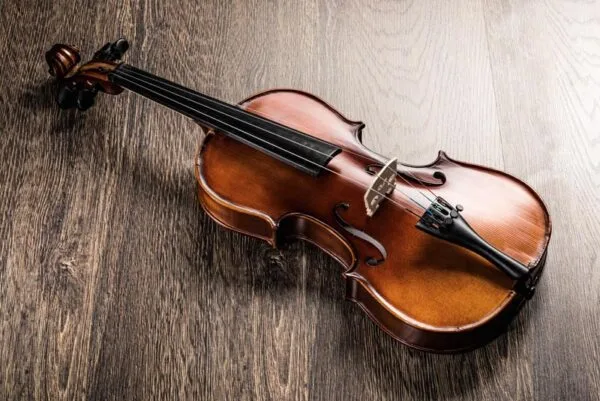
El arte siempre ha reflejado la creatividad, la cultura y la artesanía humanas. Desde monumentales esculturas públicas y intrincados adornos decorativos hasta componentes de instrumentos musicales elaborados con precisión, el metal ha seguido siendo uno de los materiales más valorados en la fabricación artística durante siglos.
Hoy, Casting de arte ha evolucionado mucho más allá de las técnicas tradicionales de fundición. La fundición personalizada moderna combina ingeniería digital, fabricación de precisión, mecanizado CNC, fundición a la cera perdida y acabado de superficies avanzado para producir obras de arte que cumplan tanto con las expectativas estéticas como con los requisitos estructurales.
Ya sea diseñando una escultura de bronce para una plaza pública, fabricando instalaciones de acero inoxidable para arquitectura comercial, produciendo marcos de iluminación decorativos o creando componentes de precisión para instrumentos musicales, elegir el adecuado Fundición de arte personalizada la solución influye directamente en la apariencia, la durabilidad, la eficiencia de producción y el rendimiento a largo plazo.
Esta guía explora todos los aspectos importantes de la fundición de arte profesional, ayudando a artistas, diseñadores, empresas de ingeniería, museos, mayoristas y compradores OEM a comprender mejor las tecnologías de fundición modernas y seleccionar la solución de fabricación más adecuada.
¿qué es el casting de arte personalizado?
La fundición de arte personalizada se refiere al proceso de fabricación de producir componentes metálicos artísticos personalizados utilizando tecnologías de fundición especializadas. A diferencia de las piezas fundidas industriales estándar que priorizan únicamente la funcionalidad, las piezas fundidas artísticas deben equilibrar la integridad estructural con la excelencia estética.
Los fabricantes profesionales de fundición de arte trabajan en estrecha colaboración con diseñadores, arquitectos, escultores, museos y clientes industriales para transformar modelos digitales, bocetos o prototipos físicos en productos metálicos terminados.
La personalización típica incluye:
- Producción de esculturas
- Componentes de instrumentos musicales
- Herrajes arquitectónicos decorativos
- Instalaciones artísticas
- Monumentos públicos
- Adornos de jardín
- Obras de arte religiosas
- Decoraciones interiores de lujo
- Restauración del patrimonio cultural
Cada proyecto generalmente requiere una evaluación de ingeniería individualizada porque los productos artísticos a menudo presentan geometrías complejas, texturas finas, paredes delgadas o detalles decorativos intrincados.
Por qué la fundición de arte sigue siendo importante en la fabricación moderna
Aunque han surgido muchas tecnologías de fabricación, la fundición sigue siendo uno de los métodos más eficientes para producir productos metálicos artísticos con formas complejas y una calidad superficial excepcional.
Libertad de diseño
La fundición de arte permite a los diseñadores crear geometrías que serían difíciles o imposibles utilizando métodos de mecanizado tradicionales.
Se pueden fabricar curvas orgánicas, estructuras huecas, texturas decorativas y formas escultóricas con una alta consistencia dimensional.
Flexibilidad de materiales
Diferentes proyectos artísticos requieren diferentes características materiales.
Ejemplos incluyen:
- Alto rendimiento acústico
- Excelente resistencia a la corrosión
- Calidad de pulido superior
- Estructuras ligeras
- Alta resistencia estructural
Las tecnologías de fundición admiten numerosas aleaciones de ingeniería adecuadas para estos requisitos.
Durabilidad a largo plazo
Muchas esculturas al aire libre permanecen expuestas a la luz solar, la lluvia, la nieve, la humedad y la contaminación durante décadas.
La fundición adecuada combinada con materiales adecuados garantiza una excelente resistencia a la intemperie y al mismo tiempo minimiza los costos de mantenimiento.
Comprender el concepto central del casting artístico
Precisión artística
La precisión artística se refiere a la fidelidad con la que el casting final reproduce el concepto original del diseñador.
Las fundiciones modernas combinan escaneo 3D, modelado CAD y fabricación de moldes de precisión para preservar incluso los detalles artísticos más pequeños.
Integridad estructural
Las hermosas obras de arte también deben seguir siendo mecánicamente confiables.
La ingeniería profesional garantiza que los productos decorativos posean suficiente resistencia sin comprometer la apariencia artística.
Calidad de la superficie
La calidad de la superficie influye directamente en el atractivo visual.
Los procesos de fundición profesional minimizan:
- Porosidad superficial
- Defectos de contracción
- Líneas flash
- Desajuste del moho
- Rugosidad
Una superficie lisa también reduce el tiempo de pulido y mejora el rendimiento del recubrimiento.
Consistencia dimensional
Para proyectos que involucran múltiples piezas idénticas, la coherencia se vuelve esencial.
La fundición de precisión permite a los fabricantes producir cientos o miles de componentes idénticos manteniendo estrictas tolerancias dimensionales.
Aplicaciones comunes de la fundición de arte
Moderno Casting de arte apoya numerosas industrias donde se cruzan la creatividad y la ingeniería.
Fabricación de esculturas
Las esculturas siguen siendo uno de los sectores de aplicación más importantes.
Ejemplos incluyen:
- Esculturas públicas
- Hitos de la ciudad
- Estatuas conmemorativas
- Esculturas de jardín
- Exposiciones del museo
Estos proyectos suelen requerir grandes soportes estructurales combinados con superficies artísticas refinadas.
Componentes de instrumentos musicales
El metal juega un papel fundamental en muchos instrumentos musicales.
Los componentes fundidos típicos incluyen:
- Soportes para instrumentos de latón
- Marcos de piano
- Bases de instrumentos de percusión
- Accesorios para instrumentos de cuerda
- Accesorios decorativos para instrumentos
La fabricación de precisión ayuda a mantener la estabilidad dimensional al tiempo que mejora tanto la funcionalidad como la apariencia.
Iluminación decorativa
La iluminación decorativa moderna incorpora cada vez más estructuras metálicas fundidas personalizadas.
Ejemplos incluyen:
- Marcos de lámpara
- Brazos de araña
- Soportes decorativos
- Accesorios de iluminación de lujo
La fundición permite diseños elegantes manteniendo la estabilidad estructural.
Decoración Arquitectónica
Los proyectos arquitectónicos suelen incluir productos metálicos artísticos personalizados.
Aplicaciones incluyen:
- Fachadas decorativas
- Esculturas de entrada
- Adornos de pasamanos
- Columnas artísticas
- Señalización arquitectónica
Estos productos requieren tanto confiabilidad de ingeniería como armonía visual.
Restauración del Patrimonio Cultural
Los museos y las organizaciones de preservación histórica frecuentemente dependen de la fundición personalizada.
Aplicaciones incluyen:
- Restauración de monumentos
- Replicación de esculturas históricas
- Reproducción de hardware antiguo
- Componentes arquitectónicos patrimoniales
La replicación de precisión ayuda a preservar la autenticidad histórica y al mismo tiempo extiende la vida útil del producto.
Tipos de servicios de casting de arte
Diferentes proyectos artísticos requieren diferentes tecnologías de fabricación.
Seleccionar el proceso apropiado depende de la complejidad del diseño, el volumen de producción, el material y el presupuesto.
Servicio de fundición de inversiones
La fundición a la cera perdida es una de las tecnologías más utilizadas para productos metálicos artísticos que requieren una precisión excepcional.
Características clave
- Excelente precisión dimensional
- Acabado superficial liso
- Adecuado para geometrías intrincadas
- Desperdicio mínimo de material
Debido a que los patrones de cera pueden reproducir detalles extremadamente finos, la fundición a la cera perdida es ideal para productos artísticos que presentan texturas decorativas y formas complejas.
Las aplicaciones típicas incluyen:
- Medallas
- Insignias
- Accesorios para instrumentos musicales
- Adornos decorativos
- Bellas esculturas
Servicio de fundición de arena
La fundición en arena sigue siendo una de las soluciones más económicas para producir grandes componentes artísticos.
Principales ventajas
- Herramientas rentables
- Adecuado para piezas fundidas grandes
- Producción de moldes flexibles
- Amplia compatibilidad de materiales
Este proceso se selecciona comúnmente para:
- Grandes esculturas
- Bases monumentales
- Decoraciones de jardín
- Instalaciones de arte público
- Estructuras de soporte arquitectónico
Aunque el acabado superficial es generalmente más rugoso que la fundición a la cera perdida, el mecanizado y acabado secundario pueden lograr excelentes resultados visuales.
Servicio de mecanizado CNC
El mecanizado CNC se combina frecuentemente con la fundición para mejorar la precisión.
Operatii tipic include:
- Perforación de precisión
- Fresado superficial
- Mecanizado de hilos
- Acabado de perfil
- Corrección dimensional
Para productos artísticos de alta gama, el mecanizado CNC garantiza un montaje perfecto manteniendo la integridad del diseño.
Fabricación híbrida
Muchos proyectos premium combinan varias tecnologías de fabricación.
Por ejemplo:
Fundición de inversiones
↓
Tratamiento térmico
↓
Mecanizado CNC
↓
Pulido a mano
↓
Revestimiento superficial
↓
Inspección final
Este flujo de trabajo integrado equilibra precisión, eficiencia y calidad artística.
Selección de materiales para el casting artístico
La selección de materiales es una de las decisiones más críticas de todos Casting de arte proyecto. Diferentes metales ofrecen combinaciones únicas de apariencia, resistencia, resistencia a la corrosión, maquinabilidad y costo. Seleccionar el material adecuado garantiza que la obra de arte terminada no solo cumpla con las expectativas estéticas sino que también funcione de manera confiable durante toda su vida útil.
Antes de recomendar un material, las fundiciones profesionales suelen evaluar:
- Aplicación interior o exterior
- Requisitos de carga estructural
- Expectativas de acabado superficial
- Ambiente de corrosión
- Estilo artístico
- Presupuesto de producción
- Vida útil esperada
Cobre y Aleaciones de Cobre
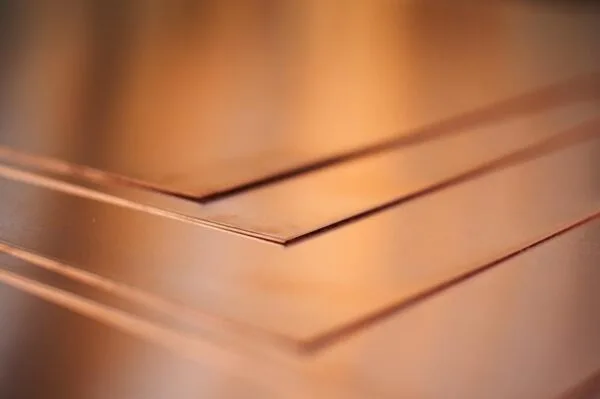
Las aleaciones de cobre se han asociado con la fabricación artística durante miles de años. Su excelente moldeabilidad y belleza natural los convierten en uno de los materiales preferidos para esculturas e instrumentos musicales.
Ventajas
- Excelente ductilidad
- Excelentes propiedades acústicas
- Atractivo color natural
- Fácil pulido y acabado
- Buena resistencia a la corrosión
Las aplicaciones típicas incluyen:
- Instrumente muzicale cu latón
- Esculturas de bronce
- Adornos decorativos
- Placas artísticas
- Reproducciones históricas
Aluminio y Aleaciones de Aluminio
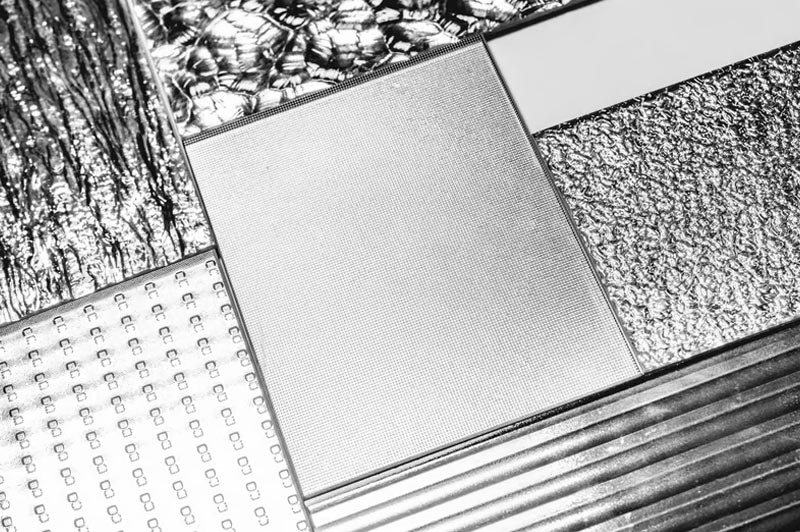
El aluminio se usa ampliamente cuando se requieren estructuras livianas sin sacrificar la resistencia.
En comparación con las aleaciones de cobre, el aluminio reduce significativamente los costos de transporte e instalación.
Características
- Ligero
- Alta resistencia a la corrosión
- Fácil mecanizado
- Excelente acabado superficial
- Alta reciclabilidad
Aplicații comune include:
- Marcos de iluminación decorativos
- Esculturas modernas
- Estructuras expositivas
- Sistemas de exhibición de arte
- Decoraciones arquitectónicas
Acero inoxidable
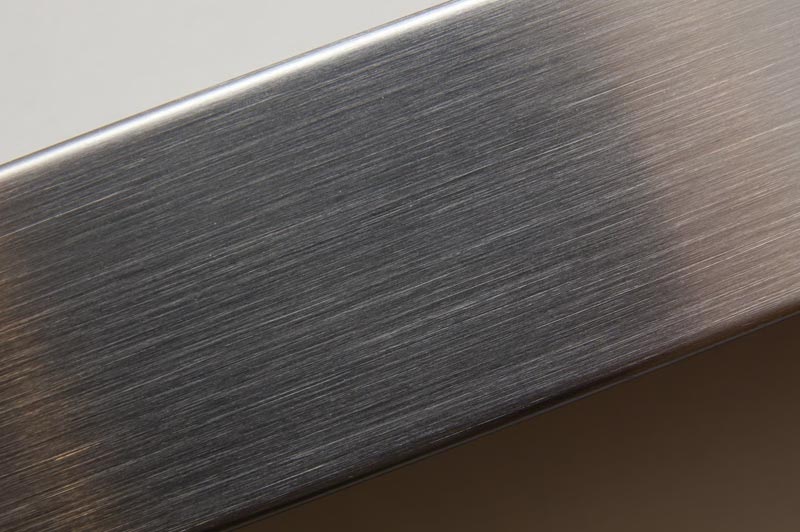
El acero inoxidable se ha vuelto cada vez más popular en el arte público contemporáneo debido a su apariencia moderna y durabilidad excepcional.
Las esculturas de acero inoxidable pulido con espejo se han convertido en elementos icónicos en aeropuertos, centros comerciales, museos y paisajes urbanos.
Beneficios
- Excelente resistencia a la corrosión
- Alta resistencia estructural
- Larga vida útil
- Bajo mantenimiento
- Excelente rendimiento de pulido
Aplicaciones incluyen:
- Esculturas al aire libre
- Instalaciones públicas
- Obra arquitectónica
- Decoraciones comerciales
- Exposiciones del museo
Hierro fundido
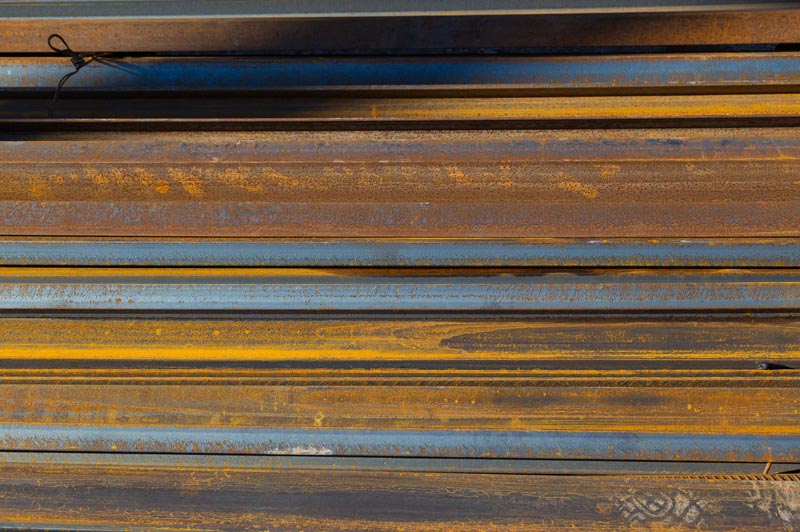
Aunque es más pesado que otros materiales, el hierro fundido sigue siendo una excelente opción para proyectos que requieren la máxima estabilidad.
Aplicaciones adecuadas
- Cimentaciones escultóricas
- Bases monumentales
- Instalaciones paisajísticas
- Estructuras de asientos públicos
- Grandes marcos de soporte
Su excelente resistencia a la compresión lo hace especialmente adecuado para instalaciones artísticas pesadas.
Comparación de materiales para el casting de arte
| Material | Peso | Resistencia a la corrosión | Acabado superficial | Aplicaciones típicas |
|---|---|---|---|---|
| Bronce | Medio | Excelente | Excelente | Esculturas, estatuas, instrumentos musicales |
| Aluminio | Luz | Muy bueno | Excelente | Estructuras decorativas, instalaciones |
| Acero inoxidable | Medio | Sobresaliente | Acabado de espejo disponible | Arte público, arquitectura |
| Hierro fundido | Pesado | Moderado | Bien | Bases escultóricas, monumentos |
| Latón | Medio | Bien | Excelente | Instrumentos musicales, productos decorativos |
La elección del material siempre debe considerar tanto los objetivos artísticos como los requisitos de ingeniería.
El proceso completo de fabricación de fundición de arte
Profesional Casting de arte los proyectos implican mucho más que verter metal fundido en un molde. Cada etapa de producción contribuye a la apariencia final, la precisión dimensional y la confiabilidad estructural de la obra de arte.
Paso 1 -consulta de Diseño
Cada proyecto comienza con la comunicación entre el cliente y el equipo de ingeniería.
La información comúnmente recopilada incluye:
- Dibujos de productos
- Modelos 3D
- Requisitos materiales
- Expectativas de acabado superficial
- Cantidad
- Calendario de entrega
La colaboración temprana reduce los riesgos de producción y acorta el plazo de entrega.
Paso 2 -Evaluación de Ingeniería
Los ingenieros analizan el diseño desde perspectivas tanto de fabricación como estructurales.
Esta etapa evalúa:
- Viabilidad de fundición
- Espesor de pared
- Ángulo de tiro
- Subsidio por contracción
- Asignación de mecanizado
- Diseño de puerta y corredor
Una ingeniería adecuada evita defectos comunes de fundición antes de que comience la producción.
Paso 3 «producción de moldes
Dependiendo del proceso seleccionado, los moldes pueden incluir:
- Moldes de cera
- Moldes de arena
- Moldes metálicos
- Moldes de resina
La precisión del molde determina directamente la calidad de la fundición final.
Paso 4 ñancelo de metal
Las materias primas se seleccionan cuidadosamente y se funden a temperaturas controladas.
Monitor de fundiciones modernas:
- Composición química
- Temperatura de vertido
- Ambiente de horno
- Niveles de impureza
Estos parámetros garantizan propiedades mecánicas estables.
Paso 5 ñan el casting
El metal fundido se vierte en moldes preparados en condiciones cuidadosamente controladas.
Técnicas profesionales de vertido minimizan:
- Atrapamiento aéreo
- Cierres fríos
- Cavidades de contracción
- Errores
Paso 6 -ñacaneo Limpieza y Racío
Después de la solidificación, las piezas fundidas se someten a operaciones de limpieza.
Los procedimientos típicos incluyen:
- Quitando corredores
- Molienda
- Explosión de disparos
- Eliminación de arena
- Preparación de superficies
Esta etapa prepara productos para operaciones de acabado.
Paso 7 ñame mecanizado CNC
Las dimensiones críticas a menudo requieren mecanizado secundario.
Echipamente CNC îmbunătățește:
- Precisión del orificio
- Planitud
- Precisión del montaje
- Consistencia dimensional
Esta combinación de fundición y mecanizado ofrece calidad artística y precisión de ingeniería.
Paso 8 -'Tratamiento de Superficies
El acabado superficial determina la apariencia final de los productos artísticos.
Tratamientos comunes incluyen:
- Pulido de espejos
- Acabado cepillado
- Arenado
- Acabado en bronce antiguo
- Galvanoplastia
- Recubrimiento en polvo
- Pintura
- Coloración de pátina
Diferentes acabados crean efectos visuales completamente diferentes a partir del mismo casting.
Paso 9 -gnante Inspección Final
Antes del envío, cada producto se somete a una inspección exhaustiva para garantizar que cumpla con las especificaciones del cliente.
Control de Calidad en el Casting de Arte Profesional
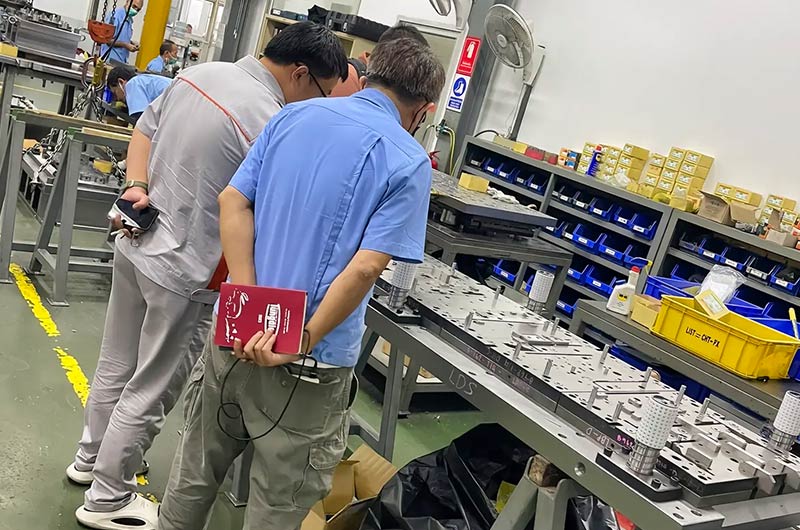
Un control de calidad confiable es esencial para producir componentes artísticos de primera calidad.
Las fundiciones profesionales establecen procedimientos de inspección durante todo el proceso de fabricación en lugar de depender únicamente de la inspección final.
Inspección de materiales entrantes
Las materias primas se prueban antes de entrar en producción.
Los elementos de inspección incluyen:
- Composición química
- Certificados materiales
- Condición de la superficie
- Trazabilidad por lotes
Esto evita que materiales defectuosos entren en el proceso de fabricación.
Medición dimensional (CMM)
Las máquinas de medición de coordenadas (CMM) verifican la precisión dimensional de componentes complejos.
Beneficiile includ:
- Medición de alta precisión
- Informes de inspección digital
- Verificación de calidad repetible
- Problemas de montaje reducidos
Inspección de acabado superficial
La apariencia de la superficie es especialmente importante para los productos artísticos.
Inspectores evalúan:
- Suavidad
- Defectos superficiales
- Consistencia del color
- Calidad de pulido
- Textura decorativa
El acabado de alta calidad mejora tanto el valor estético como la satisfacción del cliente.
Pruebas de dureza
El rendimiento mecánico se verifica mediante pruebas de dureza.
Esto ayuda a garantizar:
- Tratamiento térmico adecuado
- Propiedades estables del material
- Larga vida útil
Diferentes aleaciones requieren diferentes rangos de dureza según la aplicación.
100% Inspección visual de piezas críticas
Los productos destinados a museos, interiores de lujo u obras de arte públicas suelen someterse a una inspección visual completa.
Inspectores verifican:
- Grietas
- Porosidad
- Manchas superficiales
- Variaciones de color
- Integridad geométrica
Esta revisión final garantiza que cada componente crítico cumpla con los estándares artísticos y de ingeniería antes de la entrega.
Comparación de diferentes procesos de fundición de arte
Seleccionar el proceso de fabricación adecuado es una de las decisiones más importantes en un Casting de arte proyecto. Cada método de casting tiene sus propias fortalezas, limitaciones y escenarios de aplicación ideales. Comprender estas diferencias ayuda a artistas, diseñadores, arquitectos y equipos de adquisiciones a tomar decisiones informadas basadas en la calidad, el presupuesto, el volumen de producción y la complejidad del proyecto.
Fundición a la inversión versus fundición en arena
Ambos procesos se utilizan ampliamente en la fabricación artística, pero satisfacen diferentes necesidades de producción.
| Característica | Fundición de inversiones | Fundición de arena |
|---|---|---|
| Precisión dimensional | Excelente | Bien |
| Acabado superficial | Muy suave | Moderado |
| Geometría compleja | Excelente | Bien |
| Costo de herramientas | Más alto | Inferior |
| Volumen de producción | Pequeño a mediano | Mediano a grande |
| Tamaño típico del producto | Pequeño a mediano | Mediano a muy grande |
| Desperdicio de materiales | Bajo | Moderado |
| Mejores aplicaciones | Esculturas, medallas, piezas de instrumentos | Bases de monumentos, grandes esculturas, estructuras arquitectónicas |
Cuándo elegir el casting de inversiones
El casting de inversiones es la solución preferida cuando los proyectos lo requieren:
- Detalles decorativos finos
- Estructuras de paredes delgadas
- Alta precisión dimensional
- Postprocesamiento mínimo
- Calidad de superficie premium
Ejemplos típicos incluyen:
- Esculturas de museo
- Adornos decorativos de lujo
- Accesorios para instrumentos musicales
- Medallas artísticas
- Productos personalizados de alta gama
Cuando el lanzamiento en arena es más adecuado
La fundición en arena se convierte en una opción práctica durante la fabricación:
- Grandes esculturas
- Monumentos públicos
- Estructuras de soporte pesadas
- Instalaciones paisajísticas
- Fundamentos arquitectónicos
Ofrece mayor flexibilidad para componentes grandes y al mismo tiempo mantiene los costos de herramientas relativamente bajos.
Fundición de arte versus mecanizado CNC
Aunque el mecanizado y la fundición CNC se utilizan a menudo juntos, tienen diferentes propósitos.
| Comparación | Casting de arte | Mecanizado CNC |
|---|---|---|
| Formas orgánicas complejas | Excelente | Limitado |
| Utilización de materiales | Alto | Inferior |
| Eficiencia de producción | Alto para piezas complejas | Alto para piezas simples |
| Detalle de superficie | Excelente | Excelente |
| Herramientas iniciales | Requerido | Mínimo |
| Mejor cantidad de producción | Mediano a grande | Pequeño a mediano |
En lugar de tecnologías competidoras, la fundición y el mecanizado se complementan entre sí. Muchos productos artísticos de primera calidad comienzan como piezas fundidas y luego se perfeccionan utilizando mecanizado CNC para obtener características de precisión.
Bronce versus acero inoxidable para proyectos artísticos
La selección de materiales influye significativamente tanto en la apariencia como en el rendimiento a largo plazo.
| Característica | Bronce | Acero inoxidable |
|---|---|---|
| Aspecto tradicional | Excelente | Moderado |
| Aspecto moderno | Moderado | Excelente |
| Resistencia a la corrosión | Excelente | Sobresaliente |
| Mantenimiento | Bajo | Muy bajo |
| Rendimiento al aire libre | Excelente | Excelente |
| Acabado de espejo | Limitado | Sobresaliente |
| Restauración Histórica | Excelente | Moderado |
| Arquitectura contemporánea | Bien | Excelente |
Bronce
El bronce ha sido el material preferido para las esculturas artísticas durante siglos debido a su apariencia cálida y excelentes propiedades de fundición.
Ventajas incluyen:
- Rica textura artística
- Proceso de envejecimiento natural
- Excelente durabilidad
- Autenticidad histórica
Acero inoxidable
El acero inoxidable se ha vuelto cada vez más popular para el arte público moderno.
Su superficie reflectante crea efectos visuales dinámicos al interactuar con la luz y la arquitectura circundantes.
Las aplicaciones típicas incluyen:
- Esculturas urbanas
- Instalaciones comerciales
- Obra de arte del aeropuerto
- Decoraciones hoteleras
- Exposiciones contemporáneas
Artesanía hecha a mano versus fabricación automatizada
Moderno Casting de arte combina con éxito la artesanía tradicional con tecnologías de fabricación avanzadas.
Acabado hecho a mano
Artesanos experimentados realizan:
- Persiguiendo superficies
- Refinamiento de texturas
- Pulido artístico
- Coloración de pátina
- Grabado decorativo
Estas operaciones manuales preservan el carácter artístico que las máquinas por sí solas no pueden replicar.
Fabricación Digital
Las fundiciones modernas utilizan cada vez más:
- Diseño CAD
- Programación CAM
- mecanizado CNC
- escaneo 3D
- Medición láser
- Inspección de calidad digital
Estas tecnologías mejoran la coherencia al tiempo que reducen los errores de producción.
Los mejores resultados de fabricación se logran cuando la precisión digital se combina con una artesanía especializada.
Consideraciones de diseño para un casting artístico exitoso
También debe fabricarse un diseño visualmente atractivo. La colaboración temprana entre diseñadores e ingenieros de fundición puede reducir los costos de producción y al mismo tiempo mejorar la calidad del producto.
Espesor de la pared
El espesor uniforme de la pared promueve un flujo metálico suave y reduce la probabilidad de contracción de las cavidades, deformaciones o tensiones internas. Las secciones extremadamente delgadas pueden requerir fundición a la cera perdida u optimización del diseño.
Ángulos de borrador
Los ángulos de tiro permiten retirar la pieza fundida del molde sin dañar las características delicadas. Incluso un ángulo de tiro pequeño puede mejorar la eficiencia de producción y la vida útil del molde.
Estructuras de soporte
Las esculturas grandes a menudo requieren soportes internos ocultos para mejorar la rigidez y soportar cargas ambientales, de transporte y de instalación.
Textura superficial
Diferentes texturas crean diferentes efectos visuales. Los diseñadores deben especificar si el producto final requiere:
- Pulido de espejos
- Acabado satinado
- Textura arenada
- pátina antigua
- Metal cepillado
- Oxidación natural
La planificación temprana garantiza que el proceso de acabado seleccionado complemente el concepto artístico.
Opciones de acabado de superficies en fundición de arte
El tratamiento de superficies suele ser el paso final que transforma una fundición de metal en una obra de arte terminada.
Pulido de espejos
El pulido de espejos produce una superficie altamente reflectante que mejora la interacción de la luz y crea una apariencia contemporánea. Se utiliza habitualmente para esculturas de acero inoxidable en espacios públicos.
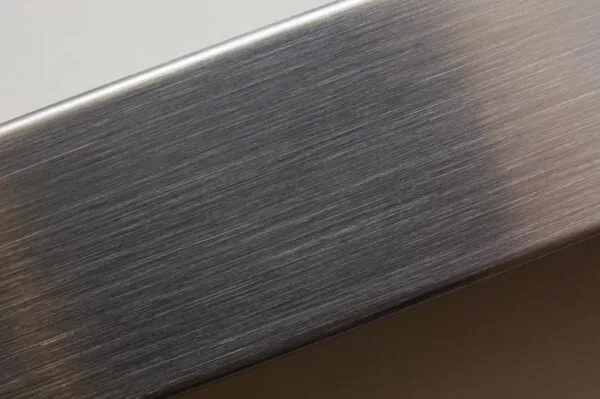
Acabado cepillado
Un acabado cepillado proporciona una textura lineal sutil que reduce el deslumbramiento manteniendo al mismo tiempo un aspecto refinado y moderno.
Pátina antigua
La patinación química crea efectos envejecidos de bronce o cobre, agregando profundidad, carácter y autenticidad histórica a esculturas y piezas decorativas.
Recubrimiento en polvo
El recubrimiento en polvo ofrece protección duradera del color y excelente resistencia a la intemperie, lo que lo hace adecuado para productos decorativos para exteriores.
Galvanoplastia
La galvanoplastia aplica una fina capa metálica, como níquel, cromo u oro, para mejorar la resistencia a la corrosión y el atractivo decorativo.
Industrias que se benefician de la fundición de arte personalizada
Personalizado Casting de arte presta servicios a una amplia gama de industrias donde la creatividad, la durabilidad y la precisión son igualmente importantes.
Arte Público y Paisajes Urbanos
Las ciudades invierten cada vez más en esculturas, monumentos e instalaciones artísticas para mejorar los espacios públicos y fortalecer la identidad cultural.
Museos e Instituciones Culturales
Los museos dependen de la fundición de precisión para proyectos de restauración, reproducciones históricas, exhibiciones y sistemas de montaje personalizados.
Interiores hoteleros y comerciales
Hoteles, residencias de lujo, centros comerciales y edificios de oficinas incorporan elementos decorativos personalizados para crear entornos arquitectónicos distintivos.
Proyectos Religiosos y Conmemorativos
Las campanas de las iglesias, las estatuas conmemorativas, las placas conmemorativas y las esculturas ceremoniales requieren materiales duraderos y una artesanía meticulosa para preservar su importancia cultural a lo largo del tiempo.
Fabricación de instrumentos musicales
Los componentes fundidos con precisión mejoran la estabilidad estructural, el rendimiento acústico y la calidad visual en instrumentos de metal, equipos de percusión, marcos de piano y accesorios personalizados.
Tendencias del mercado global en fundición de arte
El global Casting de arte la industria ha evolucionado significativamente durante la última década. A medida que la arquitectura, el arte público, el turismo cultural y la decoración de interiores personalizada continúan expandiéndose, la demanda de soluciones de fundición de metales de alta calidad ha aumentado en los mercados desarrollados y emergentes.
Los informes de la industria indican que la fabricación de metales personalizados y la fundición de precisión siguen siendo segmentos importantes de la fabricación avanzada. Las crecientes inversiones en desarrollo urbano, infraestructura pública, museos, proyectos comerciales de lujo y arquitectura paisajística continúan creando nuevas oportunidades para fundiciones de arte en todo el mundo.
Varias tendencias están dando forma al mercado actual.
Mayor demanda de personalización
En lugar de comprar productos estandarizados, muchos clientes ahora buscan soluciones artísticas personalizadas que reflejen conceptos de diseño únicos o identidades de marca.
La personalización puede incluir:
- Diseños escultóricos únicos
- Obra corporativa
- Decoraciones arquitectónicas
- Reproducciones de museos
- Obras de arte de edición limitada
- Componentes de mobiliario artístico
Esta tendencia ha alentado a las fundiciones a adoptar sistemas de producción flexibles capaces de manejar proyectos tanto de pequeña como de gran escala.
Integración de diseño digital
La tecnología digital ha transformado la forma en que se diseñan y fabrican los productos artísticos.
Las fundiciones modernas comúnmente se integran:
- Modelado CAD 3D
- Ingeniería inversa
- escaneo 3D
- Simulación digital
- Programación CNC
- Medición láser
Estas tecnologías acortan los ciclos de desarrollo y al mismo tiempo mejoran la comunicación entre diseñadores y fabricantes.
Fabricación sostenible
La responsabilidad medioambiental se ha vuelto cada vez más importante en la fabricación de metales.
Muchas fundiciones profesionales continúan mejorando la sostenibilidad a través de:
- Reciclaje de chatarra
- Sistemas de fusión energéticamente eficientes
- Reducción del desperdicio de material
- Sistemas de recogida de polvo
- Tratamiento de aguas residuales
- Equipos de producción de bajas emisiones
Estas iniciativas ayudan a reducir el impacto ambiental y al mismo tiempo mejoran la utilización de recursos.
Mayores expectativas sobre la calidad de la superficie
Los clientes de hoy esperan que los productos fundidos cumplan con los estándares artísticos y de ingeniería.
Esto ha aumentado la inversión en:
- Equipos de pulido automatizados
- Rectificado de precisión
- Sistemas de recubrimiento avanzados
- Acabado robótico
- Inspección de calidad digital
Como resultado, moderno Casting de arte los productos suelen requerir menos posprocesamiento y al mismo tiempo logran una mayor consistencia visual.
Estándares internacionales relevantes para la fundición de arte
La producción de piezas fundidas artísticas de alta calidad requiere el cumplimiento de sistemas de calidad y estándares técnicos reconocidos internacionalmente. Si bien los estándares aplicables varían según el material, la aplicación y el mercado de destino, muchas fundiciones profesionales implementan prácticas integrales de gestión de calidad durante todo el proceso de fabricación.
Gestión de Calidad ISO 9001
ISO 9001 proporciona un marco para mantener una calidad de producción consistente a través de procedimientos estandarizados, control de procesos, documentación y mejora continua.
Para los clientes, esto significa una mayor confianza en la consistencia y trazabilidad del producto.
Estándares de materiales
Las especificaciones de los materiales ayudan a garantizar una composición química y propiedades mecánicas consistentes.
Dependiendo de la aleación seleccionada y del mercado objetivo, los fabricantes pueden hacer referencia a normas como:
- ASTM
- ES
- DIN
- JIS
- GB
Estos estándares ayudan a mantener la compatibilidad con los requisitos de ingeniería y construcción.
Normas de inspección de superficies
Los procedimientos de inspección profesionales suelen incluir:
- Examen visual
- Medición de rugosidad superficial
- Verificación dimensional
- Ensayos no destructivos (cuando sea necesario)
Estas inspecciones ayudan a garantizar que las piezas fundidas terminadas cumplan con los requisitos tanto funcionales como estéticos.
Servicios OEM y ODM para fundición de arte personalizada
Muchos clientes necesitan algo más que fabricar solos. Los proveedores profesionales suelen ofrecer servicios integrales de OEM y ODM que respaldan proyectos desde el desarrollo del concepto hasta la entrega final.
Fabricación OEM
OEM (Original Equipment Manufacturing) permite a los clientes suministrar sus propios diseños de productos mientras la fundición gestiona la producción.
El soporte típico de OEM incluye:
- Selección de materiales
- Fabricación de moldes
- Fundición de precisión
- mecanizado CNC
- Acabado superficial
- Embalaje
- Exportar documentación
Este enfoque se adapta bien a marcas establecidas que buscan una capacidad de producción confiable.
Desarrollo ODM
Los servicios ODM (Original Design Manufacturing) están diseñados para clientes que requieren asistencia técnica durante el desarrollo del producto.
Los equipos de ingeniería pueden ayudar con:
- Optimización del concepto
- Diseño estructural
- Análisis de fabricabilidad
- Producción de prototipos
- Mejoras en el diseño
- Optimización de costos
La colaboración con ODM puede reducir significativamente el tiempo de desarrollo y al mismo tiempo mejorar el rendimiento del producto.
Del concepto a la obra de arte terminada
Cada exitoso Casting de arte el proyecto sigue un proceso de desarrollo estructurado que equilibra la creatividad artística con la viabilidad de fabricación.
Desarrollo de conceptos
El proyecto comienza con una idea, boceto, modelo digital o muestra de referencia.
Se aclaran los objetivos de diseño para establecer la apariencia, dimensiones, materiales y requisitos funcionales deseados.
Revisión de ingeniería
El equipo de ingeniería evalúa si el diseño se puede fabricar de manera eficiente manteniendo la integridad artística.
Las posibles mejoras pueden incluir:
- Optimización del espesor de pared
- Refuerzo de soporte
- Ajustes de dirección de fundición
- Simplificación del molde
La optimización temprana ayuda a reducir los costos de producción y mejorar la calidad de la fundición.
Producción de prototipos
Muchos proyectos comienzan con un prototipo antes de la producción en masa.
La evaluación de prototipos permite a los clientes verificar:
- Aspecto general
- Textura superficial
- Precisión dimensional
- Compatibilidad de montaje
- Calidad del acabado
Los comentarios recopilados durante esta etapa ayudan a minimizar los riesgos durante la producción a gran escala.
Producción masiva
Una vez aprobado el prototipo, la producción se desarrolla según los procedimientos de calidad establecidos.
Durante toda la fabricación, los inspectores monitorean los parámetros críticos para garantizar la consistencia del producto en cada lote de producción.
Embalaje y Entrega Internacional
La fabricación de alta calidad debe complementarse con un transporte seguro.
Los proveedores profesionales suelen ofrecer soluciones de embalaje basadas en el tamaño, el peso, el destino y el método de transporte del producto.
Embalaje protector
Las medidas de protección pueden incluir:
- Protección contra espuma
- Envoltura antioxidante
- Amortiguación de burbujas
- Cajas de madera
- Refuerzo de estructura de acero
- Protección contra la humedad
Estos materiales ayudan a minimizar los daños al transporte durante el envío a larga distancia.
Exportar documentación
Los clientes internacionales generalmente requieren documentación como:
- Factura Comercial
- Lista de embalaje
- Conocimiento de embarque
- Certificado de origen
- Certificados de materiales (si se solicita)
- Informes de inspección
La documentación precisa facilita el despacho de aduanas y mejora la eficiencia de la entrega.
Cómo elegir el socio de casting artístico adecuado
Seleccionar un socio de fabricación confiable es tan importante como elegir el material o el proceso de fundición adecuados.
Antes de realizar un pedido, los compradores deben evaluar varios factores clave.
Experiencia en fabricación
Es más probable que un proveedor experimentado comprenda los requisitos artísticos complejos y proporcione soluciones prácticas de ingeniería.
Revisar proyectos anteriores y experiencia en aplicaciones puede ayudar a evaluar las capacidades de fabricación.
Capacidades técnicas
Una fundición profesional debe ofrecer servicios de fabricación integrados, incluidos fundición, mecanizado, acabado, inspección y montaje.
Esto reduce los desafíos de coordinación y mejora la eficiencia general de la producción.
Gestión de Calidad
Los fabricantes confiables mantienen procedimientos de inspección documentados en cada etapa de producción.
Los clientes deben buscar proveedores capaces de proporcionar informes de inspección, certificaciones de materiales y registros de producción rastreables.
Eficiencia de la comunicación
La comunicación eficaz es esencial, especialmente para proyectos internacionales que involucran diseños personalizados.
El soporte de ingeniería responsivo y las actualizaciones oportunas del proyecto ayudan a garantizar una cooperación fluida desde la aprobación del diseño hasta la entrega final.
Fiabilidad de entrega
La programación de producción constante, el embalaje seguro y la logística coordinada contribuyen a la finalización puntual del proyecto y a una mayor satisfacción del cliente.
Tendencias futuras de desarrollo de la industria de fundición de arte
El Casting de arte la industria está entrando en una nueva fase impulsada por la transformación digital, los materiales avanzados y la demanda global de soluciones artísticas personalizadas. El desarrollo futuro se centrará en una mayor precisión, ciclos de producción más rápidos y prácticas de fabricación más sostenibles.
Fabricación de gemelos digitales
La tecnología de gemelos digitales permite a los fabricantes simular todo el proceso de fundición antes de que comience la producción. Esto ayuda a predecir defectos, optimizar el diseño del molde y reducir los costos de prueba y error.
Ventajas clave incluyen:
- Iteraciones de prototipos reducidas
- Precisión mejorada de la predicción de defectos
- Validación de diseño más rápida
- Menor desperdicio de material
Optimización del diseño asistida por IA
La inteligencia artificial se utiliza cada vez más para analizar la resistencia estructural, la distribución del peso y la capacidad de fabricación de componentes artísticos.
Las herramientas de IA ayudan a los ingenieros:
- Optimice la geometría para la viabilidad de la fundición
- Reducir las áreas de concentración de estrés
- Mejorar la eficiencia en el uso de materiales
- Mejorar la seguridad estructural
Expansión de la fabricación híbrida
Futuro Casting de arte los sistemas se combinarán cada vez más:
- Reparto de inversiones
- mecanizado CNC
- Impresión 3D (creación rápida de prototipos)
- Pulido robótico
- Tratamiento de superficies láser
Este modelo híbrido garantiza tanto el detalle artístico como la precisión industrial.
Innovación estructural ligera
La demanda de esculturas e instalaciones livianas está creciendo, especialmente en proyectos sensibles al transporte, como exposiciones y arte público temporal.
La investigación de nuevas aleaciones se centra en:
- Aleaciones de aluminio de alta resistencia
- Compuestos de bronce ligeros
- Metales híbridos resistentes a la corrosión
Ingeniería de superficies inteligentes
El acabado de superficies está evolucionando hacia sistemas inteligentes y automatizados.
Los desarrollos futuros incluyen:
- Pulido controlado por robot
- Sistemas de recubrimiento adaptativos
- Capas nanoprotectoras
- Recubrimientos autorreparables (investigación emergente)
Estudios de casos de proyectos del mundo real
Estudio de caso 1: Instalación pública de esculturas (Europa)
Un proyecto de desarrollo de la ciudad requirió una gran escultura de acero inoxidable para una plaza central.
Requisitos del proyecto:
- Altura: 6,5 metros
- Acabado espejo
- Diseño de resistencia al viento
- Durabilidad anticorrosión
Soluție:
- Fundición en arena + acabado CNC
- Refuerzo de estructura de acero inoxidable
- Sistema de pulido multietapa
Resultado:
- Instalado exitosamente en 45 días
- Deformación cero después de pruebas estacionales
- Alto compromiso público e impacto turístico
Estudio de caso 2: Producción de componentes de instrumentos musicales
Un fabricante de instrumentos musicales necesitaba componentes de latón de precisión para instrumentos de percusión.
Requisitos:
- Alta estabilidad acústica
- Tolerancia dimensional estricta
- Superficies internas lisas
Soluție:
- Proceso de casting de inversiones
- Acabado CNC de precisión
- Pruebas de rendimiento acústico
Resultado:
- Coherencia mejorada de la resonancia del sonido
- Reducción de la variación de la producción
- Mayor durabilidad del producto
Estudio de caso 3: Decoración interior de hoteles de lujo
Una cadena de hoteles de lujo requería elementos metálicos decorativos personalizados para los interiores de los vestíbulos.
Requisitos:
- Estética visual de primera calidad
- Texturas artísticas complejas
- Resistencia a la corrosión
Soluție:
- Fundición de inversión en bronce
- Acabado de pátina antigua
- Refinamiento del pulido a mano
Resultado:
- Percepción de lujo interior mejorada
- Estabilidad superficial a largo plazo
- Fuerte refuerzo de la identidad de marca
Preguntas frecuentes
Qué es Casting de arte ¿usado para?
Art Casting se utiliza para producir esculturas, componentes de instrumentos musicales, decoraciones arquitectónicas y obras de arte en metal personalizadas con formas complejas y detalles finos.
¿qué materiales son mejores para la fundición artística?
Los materiales comunes incluyen bronce, acero inoxidable, aluminio, latón y hierro fundido, cada uno elegido en función de su resistencia, apariencia y entorno de aplicación.
¿cuál es la diferencia entre fundición a la cera perdida y fundición en arena?
La fundición a la cera perdida ofrece mayor precisión y superficies más suaves, mientras que la fundición en arena es más adecuada para estructuras artísticas pesadas o a gran escala.
¿se puede personalizar Art Casting?
Sí, la mayoría de las fundiciones profesionales ofrecen personalización completa, incluido soporte de diseño, selección de materiales, acabado de superficies y optimización estructural.
¿art Casting es adecuado para uso en exteriores?
Sí. Materiales como el acero inoxidable y el bronce se utilizan ampliamente para esculturas de exterior debido a su resistencia a la corrosión y durabilidad.
¿Cuánto tiempo lleva el proceso de casting?
Dependiendo de la complejidad, el tiempo de producción suele oscilar entre 2 y 6 semanas, incluida la fabricación, fundición, mecanizado y acabado de moldes.
¿Se pueden producir pedidos en lotes pequeños o de una sola pieza?
Sí. Muchas fundiciones admiten la producción personalizada en lotes pequeños e incluso en una sola pieza para proyectos artísticos.
¿qué acabados están disponibles en Art Casting?
Las opciones de acabado incluyen pulido de espejos, cepillado, chorro de arena, pátina antigua, recubrimiento en polvo y galvanoplastia.
¿brindas soporte de diseño?
Sí. Los equipos de ingeniería pueden ayudar con la optimización del diseño, el análisis estructural y la evaluación de la capacidad de fabricación.
¿Cómo se controla la calidad?
La calidad se garantiza mediante inspección de materiales, medición dimensional (CMM), pruebas de superficie, pruebas de dureza e inspección visual 100% para componentes críticos.
Conclusión
Personalizado Casting de arte representa la fusión perfecta de creatividad artística y tecnología de fabricación avanzada. Permite a diseñadores, arquitectos e ingenieros transformar ideas en obras de arte en metal duraderas y de alta precisión adecuadas para aplicaciones funcionales y decorativas.
Desde esculturas de bronce e instalaciones de acero inoxidable hasta componentes de instrumentos musicales de precisión y decoraciones arquitectónicas, las tecnologías de fundición modernas brindan flexibilidad, precisión y escalabilidad inigualables.
A medida que la demanda mundial de productos metálicos artísticos personalizados continúa creciendo, los fabricantes que integran diseño digital, ingeniería de precisión y artesanía calificada seguirán a la vanguardia de la industria.
Ya sea para arte público, interiores comerciales, proyectos culturales o diseño industrial, profesional Casting de arte las soluciones garantizan que cada concepto pueda transformarse en una forma física duradera con belleza e integridad estructural.