Welcome to My Blog!
I’m thrilled to have you here! Before we dive into the content, I’d love for you to join me on my social media platforms. It’s where I share extra insights, connect with our amazing community, and keep you updated on the latest news. Here’s how you can stay connected:
📘 Facebook: Lina Metal
▶️ YouTube: Lina Metal Channel – watch tutorials, demos, and in-depth guides
Now, let’s embark on this journey together! I hope you find the content here not only insightful but also inspiring and valuable. Let’s get started!
Table of Contents
Key Takeaways
- Learn what Art Casting is and why it is essential in modern art manufacturing.
- Discover the differences between investment casting, sand casting, and CNC machining for artistic applications.
- Explore suitable materials for sculptures, musical instruments, decorative objects, and architectural artwork.
- Understand how custom art casting combines engineering precision with artistic creativity.
- Compare different casting processes to select the right solution for your project.
- Learn about quality inspection standards used in professional art foundries.
- Discover common applications, design considerations, and manufacturing workflows.
- Find answers to frequently asked questions from artists, designers, manufacturers, and global buyers.
Introduction
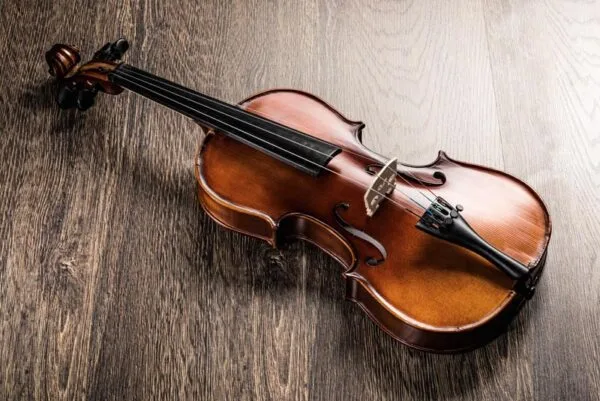
Art has always reflected human creativity, culture, and craftsmanship. From monumental public sculptures and intricate decorative ornaments to precision-crafted musical instrument components, metal has remained one of the most valued materials in artistic manufacturing for centuries.
Today, Art Casting has evolved far beyond traditional foundry techniques. Modern custom casting combines digital engineering, precision manufacturing, CNC machining, investment casting, and advanced surface finishing to produce artworks that meet both aesthetic expectations and structural requirements.
Whether designing a bronze sculpture for a public square, manufacturing stainless steel installations for commercial architecture, producing decorative lighting frames, or creating precision components for musical instruments, choosing the right Custom Art Casting solution directly influences appearance, durability, production efficiency, and long-term performance.
This guide explores every major aspect of professional art casting, helping artists, designers, engineering companies, museums, wholesalers, and OEM buyers better understand modern casting technologies and select the most suitable manufacturing solution.
What Is Custom Art Casting?
Custom Art Casting refers to the manufacturing process of producing customized artistic metal components using specialized casting technologies. Unlike standard industrial castings that prioritize functionality alone, artistic castings must balance structural integrity with aesthetic excellence.
Professional art casting manufacturers work closely with designers, architects, sculptors, museums, and industrial clients to transform digital models, sketches, or physical prototypes into finished metal products.
Typical customization includes:
- Sculpture production
- Musical instrument components
- Decorative architectural hardware
- Artistic installations
- Public monuments
- Garden ornaments
- Religious artworks
- Luxury interior decorations
- Cultural heritage restoration
Every project typically requires individualized engineering evaluation because artistic products often feature complex geometries, fine textures, thin walls, or intricate decorative details.
Why Art Casting Remains Important in Modern Manufacturing
Although many manufacturing technologies have emerged, casting remains one of the most efficient methods for producing artistic metal products with complex shapes and exceptional surface quality.
Freedom of Design
Art casting allows designers to create geometries that would be difficult or impossible using traditional machining methods.
Organic curves, hollow structures, decorative textures, and sculptural forms can all be manufactured with high dimensional consistency.
Material Flexibility
Different artistic projects require different material characteristics.
Examples include:
- High acoustic performance
- Excellent corrosion resistance
- Superior polishing quality
- Lightweight structures
- High structural strength
Casting technologies support numerous engineering alloys suitable for these requirements.
Long-Term Durability
Many outdoor sculptures remain exposed to sunlight, rain, snow, humidity, and pollution for decades.
Proper casting combined with suitable materials ensures excellent weather resistance while minimizing maintenance costs.
Understanding the Core Concept of Art Casting
Artistic Accuracy
Artistic accuracy refers to how faithfully the final casting reproduces the designer’s original concept.
Modern foundries combine 3D scanning, CAD modeling, and precision mold manufacturing to preserve even the smallest artistic details.
Structural Integrity
Beautiful artwork must also remain mechanically reliable.
Professional engineering ensures that decorative products possess sufficient strength without compromising artistic appearance.
Surface Quality
Surface quality directly influences visual appeal.
Professional casting processes minimize:
- Surface porosity
- Shrinkage defects
- Flash lines
- Mold mismatch
- Roughness
A smooth surface also reduces polishing time and improves coating performance.
Dimensional Consistency
For projects involving multiple identical pieces, consistency becomes essential.
Precision casting allows manufacturers to produce hundreds or thousands of identical components while maintaining strict dimensional tolerances.
Common Applications of Art Casting
Modern Art Casting supports numerous industries where creativity and engineering intersect.
Sculpture Manufacturing
Sculptures remain one of the largest application sectors.
Examples include:
- Public sculptures
- City landmarks
- Memorial statues
- Garden sculptures
- Museum exhibits
These projects often require large structural supports combined with refined artistic surfaces.
Musical Instrument Components
Metal plays a critical role in many musical instruments.
Typical cast components include:
- Brass instrument stands
- Piano frames
- Percussion instrument bases
- String instrument fittings
- Decorative instrument accessories
Precision manufacturing helps maintain dimensional stability while enhancing both functionality and appearance.
Decorative Lighting
Modern decorative lighting increasingly incorporates custom cast metal structures.
Examples include:
- Lamp frames
- Chandelier arms
- Decorative brackets
- Luxury lighting accessories
Casting enables elegant designs while maintaining structural stability.
Architectural Decoration
Architectural projects often include customized artistic metal products.
Applications include:
- Decorative facades
- Entrance sculptures
- Handrail ornaments
- Artistic columns
- Architectural signage
These products require both engineering reliability and visual harmony.
Cultural Heritage Restoration
Museums and historical preservation organizations frequently rely on custom casting.
Applications include:
- Monument restoration
- Historical sculpture replication
- Antique hardware reproduction
- Heritage architectural components
Precision replication helps preserve historical authenticity while extending product lifespan.
Types of Art Casting Services
Different artistic projects require different manufacturing technologies.
Selecting the appropriate process depends on design complexity, production volume, material, and budget.
Investment Casting Service
Investment casting is one of the most widely used technologies for artistic metal products requiring exceptional precision.
Key Characteristics
- Excellent dimensional accuracy
- Smooth surface finish
- Suitable for intricate geometries
- Minimal material waste
Because wax patterns can reproduce extremely fine details, investment casting is ideal for artistic products featuring decorative textures and complex shapes.
Typical applications include:
- Medals
- Badges
- Musical instrument fittings
- Decorative ornaments
- Fine sculptures
Sand Casting Service
Sand casting remains one of the most economical solutions for producing large artistic components.
Main Advantages
- Cost-effective tooling
- Suitable for large castings
- Flexible mold production
- Wide material compatibility
This process is commonly selected for:
- Large sculptures
- Monument bases
- Garden decorations
- Public art installations
- Architectural support structures
Although surface finish is generally rougher than investment casting, secondary machining and finishing can achieve excellent visual results.
CNC Machining Service
CNC machining is frequently combined with casting to improve precision.
Typical operations include:
- Precision drilling
- Surface milling
- Thread machining
- Profile finishing
- Dimensional correction
For high-end artistic products, CNC machining ensures perfect assembly while maintaining design integrity.
Hybrid Manufacturing
Many premium projects combine several manufacturing technologies.
For example:
Investment Casting
↓
Heat Treatment
↓
CNC Machining
↓
Hand Polishing
↓
Surface Coating
↓
Final Inspection
This integrated workflow balances precision, efficiency, and artistic quality.
Material Selection for Art Casting
Material selection is one of the most critical decisions in any Art Casting project. Different metals offer unique combinations of appearance, strength, corrosion resistance, machinability, and cost. Selecting the appropriate material ensures that the finished artwork not only meets aesthetic expectations but also performs reliably throughout its service life.
Before recommending a material, professional foundries typically evaluate:
- Indoor or outdoor application
- Structural load requirements
- Surface finish expectations
- Corrosion environment
- Artistic style
- Production budget
- Expected service life
Copper and Copper Alloys
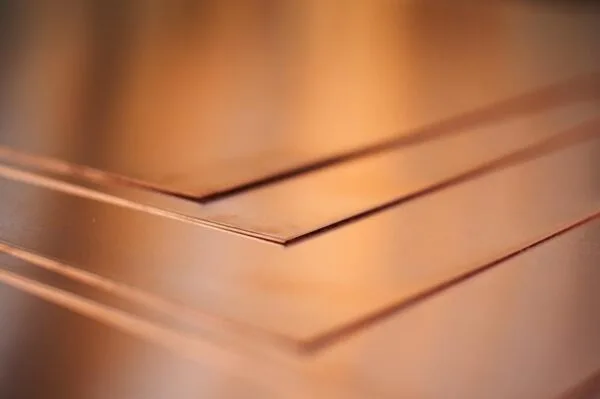
Copper alloys have been associated with artistic manufacturing for thousands of years. Their excellent castability and natural beauty make them one of the preferred materials for sculptures and musical instruments.
Advantages
- Excellent ductility
- Outstanding acoustic properties
- Attractive natural color
- Easy polishing and finishing
- Good corrosion resistance
Typical applications include:
- Brass musical instruments
- Bronze sculptures
- Decorative ornaments
- Artistic plaques
- Historical reproductions
Aluminum and Aluminum Alloys
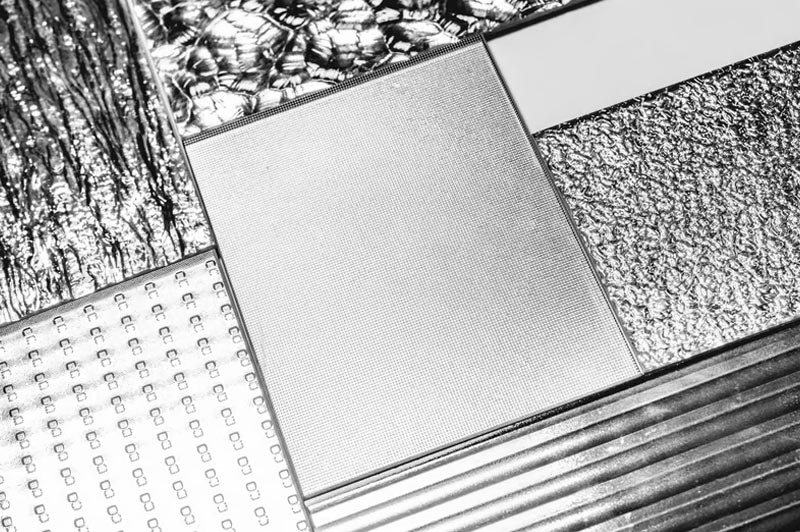
Aluminum is widely used where lightweight structures are required without sacrificing strength.
Compared with copper alloys, aluminum significantly reduces transportation and installation costs.
Characteristics
- Lightweight
- High corrosion resistance
- Easy machining
- Excellent surface finishing
- High recyclability
Common applications include:
- Decorative lighting frames
- Modern sculptures
- Exhibition structures
- Art display systems
- Architectural decorations
Stainless Steel
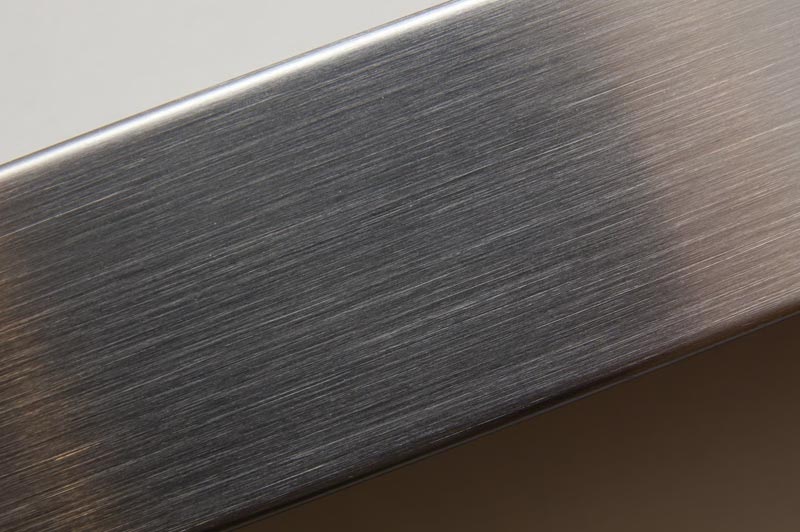
Stainless steel has become increasingly popular in contemporary public art because of its modern appearance and exceptional durability.
Mirror-polished stainless steel sculptures have become iconic features in airports, commercial centers, museums, and urban landscapes.
Benefits
- Outstanding corrosion resistance
- High structural strength
- Long service life
- Low maintenance
- Excellent polishing performance
Applications include:
- Outdoor sculptures
- Public installations
- Architectural artwork
- Commercial decorations
- Museum exhibits
Cast Iron
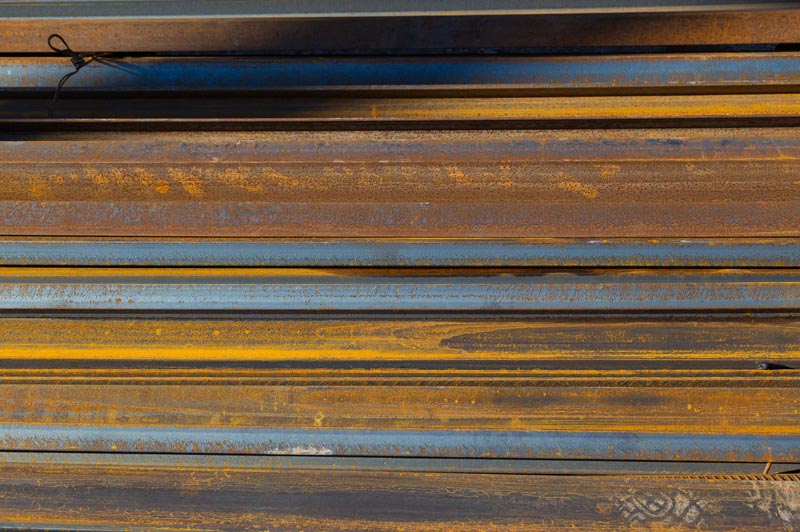
Although heavier than other materials, cast iron remains an excellent choice for projects requiring maximum stability.
Suitable Applications
- Sculpture foundations
- Monument bases
- Landscape installations
- Public seating structures
- Large supporting frames
Its excellent compressive strength makes it particularly suitable for heavy artistic installations.
Material Comparison for Art Casting
| Material | Weight | Corrosion Resistance | Surface Finish | Typical Applications |
|---|---|---|---|---|
| Bronze | Medium | Excellent | Excellent | Sculptures, statues, musical instruments |
| Aluminum | Light | Very Good | Excellent | Decorative structures, installations |
| Stainless Steel | Medium | Outstanding | Mirror Finish Available | Public art, architecture |
| Cast Iron | Heavy | Moderate | Good | Sculpture bases, monuments |
| Brass | Medium | Good | Excellent | Musical instruments, decorative products |
The choice of material should always consider both artistic goals and engineering requirements.
The Complete Art Casting Manufacturing Process
Professional Art Casting projects involve much more than pouring molten metal into a mold. Every production stage contributes to the final appearance, dimensional accuracy, and structural reliability of the artwork.
Step 1 – Design Consultation
Every project begins with communication between the customer and the engineering team.
Information commonly collected includes:
- Product drawings
- 3D models
- Material requirements
- Surface finish expectations
- Quantity
- Delivery schedule
Early collaboration reduces production risks and shortens lead time.
Step 2 – Engineering Evaluation
Engineers analyze the design from both manufacturing and structural perspectives.
This stage evaluates:
- Casting feasibility
- Wall thickness
- Draft angle
- Shrinkage allowance
- Machining allowance
- Gate and runner design
Proper engineering prevents common casting defects before production begins.
Step 3 – Mold Production
Depending on the selected process, molds may include:
- Wax molds
- Sand molds
- Metal molds
- Resin molds
The accuracy of the mold directly determines the quality of the final casting.
Step 4 – Metal Melting
Raw materials are carefully selected and melted under controlled temperatures.
Modern foundries monitor:
- Chemical composition
- Pouring temperature
- Furnace atmosphere
- Impurity levels
These parameters ensure stable mechanical properties.
Step 5 – Casting
Molten metal is poured into prepared molds under carefully controlled conditions.
Professional pouring techniques minimize:
- Air entrapment
- Cold shuts
- Shrinkage cavities
- Misruns
Step 6 – Cleaning and Fettling
After solidification, castings undergo cleaning operations.
Typical procedures include:
- Removing runners
- Grinding
- Shot blasting
- Sand removal
- Surface preparation
This stage prepares products for finishing operations.
Step 7 – CNC Machining
Critical dimensions often require secondary machining.
CNC equipment improves:
- Hole accuracy
- Flatness
- Assembly precision
- Dimensional consistency
This combination of casting and machining delivers both artistic quality and engineering precision.
Step 8 – Surface Treatment
Surface finishing determines the final appearance of artistic products.
Common treatments include:
- Mirror polishing
- Brushed finish
- Sandblasting
- Antique bronze finish
- Electroplating
- Powder coating
- Painting
- Patina coloring
Different finishes create completely different visual effects from the same casting.
Step 9 – Final Inspection
Before shipment, each product undergoes comprehensive inspection to ensure it meets customer specifications.
Quality Control in Professional Art Casting
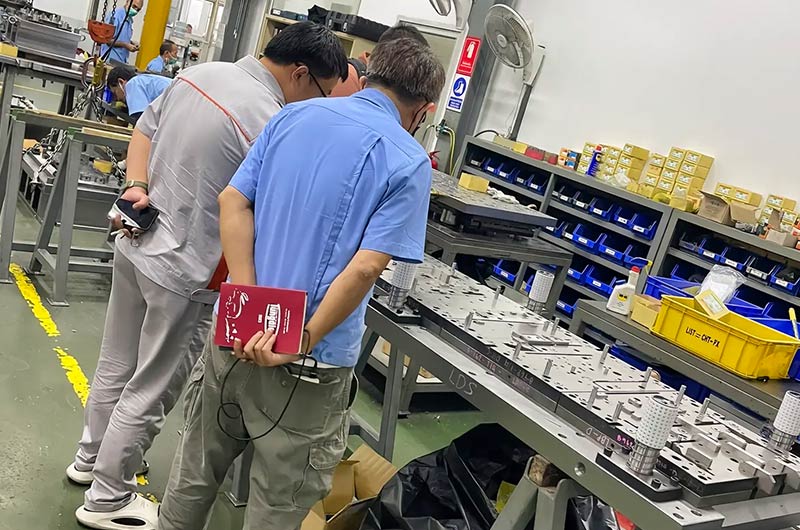
Reliable quality control is essential for producing premium artistic components.
Professional foundries establish inspection procedures throughout the manufacturing process rather than relying only on final inspection.
Incoming Material Inspection
Raw materials are tested before entering production.
Inspection items include:
- Chemical composition
- Material certificates
- Surface condition
- Batch traceability
This prevents defective materials from entering the manufacturing process.
Dimensional Measurement (CMM)
Coordinate Measuring Machines (CMM) verify dimensional accuracy for complex components.
Benefits include:
- High precision measurement
- Digital inspection reports
- Repeatable quality verification
- Reduced assembly problems
Surface Finish Inspection
Surface appearance is especially important for artistic products.
Inspectors evaluate:
- Smoothness
- Surface defects
- Color consistency
- Polishing quality
- Decorative texture
High-quality finishing enhances both aesthetic value and customer satisfaction.
Hardness Testing
Mechanical performance is verified through hardness testing.
This helps ensure:
- Proper heat treatment
- Stable material properties
- Long service life
Different alloys require different hardness ranges depending on application.
100% Visual Inspection for Critical Parts
Products intended for museums, luxury interiors, or public artworks often undergo complete visual inspection.
Inspectors check:
- Cracks
- Porosity
- Surface blemishes
- Color variations
- Geometric integrity
This final review ensures that every critical component meets both engineering and artistic standards before delivery.
Comparing Different Art Casting Processes
Selecting the right manufacturing process is one of the most important decisions in an Art Casting project. Every casting method has its own strengths, limitations, and ideal application scenarios. Understanding these differences helps artists, designers, architects, and procurement teams make informed decisions based on quality, budget, production volume, and project complexity.
Investment Casting vs. Sand Casting
Both processes are widely used in artistic manufacturing, but they serve different production needs.
| Feature | Investment Casting | Sand Casting |
|---|---|---|
| Dimensional Accuracy | Excellent | Good |
| Surface Finish | Very Smooth | Moderate |
| Complex Geometry | Excellent | Good |
| Tooling Cost | Higher | Lower |
| Production Volume | Small to Medium | Medium to Large |
| Typical Product Size | Small to Medium | Medium to Very Large |
| Material Waste | Low | Moderate |
| Best Applications | Sculptures, medals, instrument parts | Monument bases, large sculptures, architectural structures |
When to Choose Investment Casting
Investment casting is the preferred solution when projects require:
- Fine decorative details
- Thin-wall structures
- High dimensional accuracy
- Minimal post-processing
- Premium surface quality
Typical examples include:
- Museum sculptures
- Luxury decorative ornaments
- Musical instrument accessories
- Artistic medals
- High-end customized products
When Sand Casting Is More Suitable
Sand casting becomes a practical choice when manufacturing:
- Large sculptures
- Public monuments
- Heavy support structures
- Landscape installations
- Architectural foundations
It offers greater flexibility for large components while keeping tooling costs relatively low.
Art Casting vs. CNC Machining
Although CNC machining and casting are often used together, they serve different purposes.
| Comparison | Art Casting | CNC Machining |
|---|---|---|
| Complex Organic Shapes | Excellent | Limited |
| Material Utilization | High | Lower |
| Production Efficiency | High for Complex Parts | High for Simple Parts |
| Surface Detail | Excellent | Excellent |
| Initial Tooling | Required | Minimal |
| Best Production Quantity | Medium to Large | Small to Medium |
Rather than competing technologies, casting and machining complement each other. Many premium art products begin as castings and are then refined using CNC machining for precision features.
Bronze vs. Stainless Steel for Artistic Projects
Material selection significantly influences both appearance and long-term performance.
| Feature | Bronze | Stainless Steel |
|---|---|---|
| Traditional Appearance | Excellent | Moderate |
| Modern Appearance | Moderate | Excellent |
| Corrosion Resistance | Excellent | Outstanding |
| Maintenance | Low | Very Low |
| Outdoor Performance | Excellent | Excellent |
| Mirror Finish | Limited | Outstanding |
| Historical Restoration | Excellent | Moderate |
| Contemporary Architecture | Good | Excellent |
Bronze
Bronze has been the preferred material for artistic sculptures for centuries due to its warm appearance and excellent casting properties.
Advantages include:
- Rich artistic texture
- Natural aging process
- Excellent durability
- Historical authenticity
Stainless Steel
Stainless steel has become increasingly popular for modern public art.
Its reflective surface creates dynamic visual effects by interacting with surrounding light and architecture.
Typical applications include:
- Urban sculptures
- Commercial installations
- Airport artwork
- Hotel decorations
- Contemporary exhibitions
Handmade Craftsmanship vs. Automated Manufacturing
Modern Art Casting successfully combines traditional craftsmanship with advanced manufacturing technologies.
Handmade Finishing
Experienced craftsmen perform:
- Surface chasing
- Texture refinement
- Artistic polishing
- Patina coloring
- Decorative engraving
These manual operations preserve the artistic character that machines alone cannot replicate.
Digital Manufacturing
Modern foundries increasingly utilize:
- CAD design
- CAM programming
- CNC machining
- 3D scanning
- Laser measurement
- Digital quality inspection
These technologies improve consistency while reducing production errors.
The best manufacturing results are achieved when digital precision is combined with skilled craftsmanship.
Design Considerations for Successful Art Casting
A visually appealing design must also be manufacturable. Early collaboration between designers and foundry engineers can reduce production costs while improving product quality.
Wall Thickness
Uniform wall thickness promotes smooth metal flow and reduces the likelihood of shrinkage cavities, warping, or internal stress. Extremely thin sections may require investment casting or design optimization.
Draft Angles
Draft angles allow the casting to be removed from the mold without damaging delicate features. Even a small draft angle can improve production efficiency and mold life.
Support Structures
Large sculptures often require hidden internal supports to improve rigidity and withstand transportation, installation, and environmental loads.
Surface Texture
Different textures create different visual effects. Designers should specify whether the final product requires:
- Mirror polishing
- Satin finish
- Sandblasted texture
- Antique patina
- Brushed metal
- Natural oxidation
Early planning ensures that the selected finishing process complements the artistic concept.
Surface Finishing Options in Art Casting
Surface treatment is often the final step that transforms a metal casting into a finished work of art.
Mirror Polishing
Mirror polishing produces a highly reflective surface that enhances light interaction and creates a contemporary appearance. It is commonly used for stainless steel sculptures in public spaces.
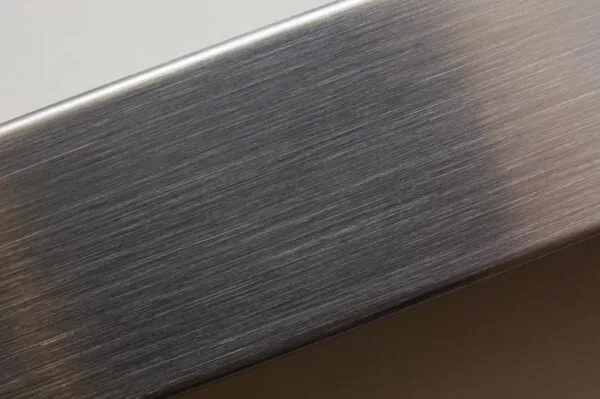
Brushed Finish
A brushed finish provides a subtle linear texture that reduces glare while maintaining a refined, modern look.
Antique Patina
Chemical patination creates aged bronze or copper effects, adding depth, character, and historical authenticity to sculptures and decorative pieces.
Powder Coating
Powder coating offers durable color protection and excellent weather resistance, making it suitable for outdoor decorative products.
Electroplating
Electroplating applies a thin metallic coating, such as nickel, chrome, or gold, to improve corrosion resistance and decorative appeal.
Industries That Benefit from Custom Art Casting
Custom Art Casting serves a diverse range of industries where creativity, durability, and precision are equally important.
Public Art and Urban Landscapes
Cities increasingly invest in sculptures, monuments, and artistic installations to enhance public spaces and strengthen cultural identity.
Museums and Cultural Institutions
Museums rely on precision casting for restoration projects, historical reproductions, exhibition displays, and custom mounting systems.
Hospitality and Commercial Interiors
Hotels, luxury residences, shopping malls, and office buildings incorporate custom-cast decorative elements to create distinctive architectural environments.
Religious and Memorial Projects
Church bells, memorial statues, commemorative plaques, and ceremonial sculptures require durable materials and meticulous craftsmanship to preserve their cultural significance over time.
Musical Instrument Manufacturing
Precision-cast components improve structural stability, acoustic performance, and visual quality in brass instruments, percussion equipment, piano frames, and custom accessories.
Global Market Trends in Art Casting
The global Art Casting industry has evolved significantly over the past decade. As architecture, public art, cultural tourism, and customized interior decoration continue to expand, demand for high-quality metal casting solutions has increased across both developed and emerging markets.
Industry reports indicate that custom metal fabrication and precision casting remain important segments of advanced manufacturing. Growing investments in urban development, public infrastructure, museums, luxury commercial projects, and landscape architecture continue to create new opportunities for art foundries worldwide.
Several trends are shaping today’s market.
Increased Demand for Customization
Rather than purchasing standardized products, many customers now seek customized artistic solutions that reflect unique design concepts or brand identities.
Customization may include:
- Unique sculpture designs
- Corporate artwork
- Architectural decorations
- Museum reproductions
- Limited-edition artworks
- Artistic furniture components
This trend has encouraged foundries to adopt flexible production systems capable of handling both small-batch and large-scale projects.
Digital Design Integration
Digital technology has transformed the way artistic products are designed and manufactured.
Modern foundries commonly integrate:
- 3D CAD modeling
- Reverse engineering
- 3D scanning
- Digital simulation
- CNC programming
- Laser measurement
These technologies shorten development cycles while improving communication between designers and manufacturers.
Sustainable Manufacturing
Environmental responsibility has become increasingly important in metal manufacturing.
Many professional foundries continue improving sustainability through:
- Recycling scrap metal
- Energy-efficient melting systems
- Reduced material waste
- Dust collection systems
- Wastewater treatment
- Low-emission production equipment
These initiatives help reduce environmental impact while improving resource utilization.
Higher Expectations for Surface Quality
Today’s customers expect cast products to meet both engineering and artistic standards.
This has increased investment in:
- Automated polishing equipment
- Precision grinding
- Advanced coating systems
- Robotic finishing
- Digital quality inspection
As a result, modern Art Casting products often require less post-processing while achieving higher visual consistency.
International Standards Relevant to Art Casting
Producing high-quality artistic castings requires adherence to internationally recognized quality systems and technical standards. While the applicable standards vary depending on material, application, and destination market, many professional foundries implement comprehensive quality management practices throughout the manufacturing process.
ISO 9001 Quality Management
ISO 9001 provides a framework for maintaining consistent production quality through standardized procedures, process control, documentation, and continual improvement.
For customers, this means greater confidence in product consistency and traceability.
Material Standards
Material specifications help ensure consistent chemical composition and mechanical properties.
Depending on the selected alloy and target market, manufacturers may reference standards such as:
- ASTM
- EN
- DIN
- JIS
- GB
These standards assist in maintaining compatibility with engineering and construction requirements.
Surface Inspection Standards
Professional inspection procedures often include:
- Visual examination
- Surface roughness measurement
- Dimensional verification
- Non-destructive testing (when required)
These inspections help ensure that finished castings satisfy both functional and aesthetic requirements.
OEM and ODM Services for Custom Art Casting
Many customers require more than manufacturing alone. Professional suppliers often provide comprehensive OEM and ODM services that support projects from concept development through final delivery.
OEM Manufacturing
OEM (Original Equipment Manufacturing) allows customers to supply their own product designs while the foundry manages production.
Typical OEM support includes:
- Material selection
- Mold manufacturing
- Precision casting
- CNC machining
- Surface finishing
- Packaging
- Export documentation
This approach is well suited to established brands seeking reliable production capacity.
ODM Development
ODM (Original Design Manufacturing) services are designed for customers who require technical assistance during product development.
Engineering teams may assist with:
- Concept optimization
- Structural design
- Manufacturability analysis
- Prototype production
- Design improvements
- Cost optimization
ODM collaboration can significantly reduce development time while improving product performance.
From Concept to Finished Artwork
Every successful Art Casting project follows a structured development process that balances artistic creativity with manufacturing feasibility.
Concept Development
The project begins with an idea, sketch, digital model, or reference sample.
Design objectives are clarified to establish the desired appearance, dimensions, materials, and functional requirements.
Engineering Review
The engineering team evaluates whether the design can be manufactured efficiently while maintaining artistic integrity.
Potential improvements may include:
- Wall thickness optimization
- Support reinforcement
- Casting direction adjustments
- Mold simplification
Early optimization helps reduce production costs and improve casting quality.
Prototype Production
Many projects begin with a prototype before mass production.
Prototype evaluation allows customers to verify:
- Overall appearance
- Surface texture
- Dimensional accuracy
- Assembly compatibility
- Finish quality
Feedback collected during this stage helps minimize risks during full-scale production.
Mass Production
Once the prototype is approved, production proceeds according to established quality procedures.
Throughout manufacturing, inspectors monitor critical parameters to ensure product consistency across every production batch.
Packaging and International Delivery
High-quality manufacturing must be complemented by secure transportation.
Professional suppliers typically provide packaging solutions based on product size, weight, destination, and transportation method.
Protective Packaging
Protective measures may include:
- Foam protection
- Anti-rust wrapping
- Bubble cushioning
- Wooden crates
- Steel-frame reinforcement
- Moisture protection
These materials help minimize transportation damage during long-distance shipping.
Export Documentation
International customers generally require documentation such as:
- Commercial Invoice
- Packing List
- Bill of Lading
- Certificate of Origin
- Material Certificates (if requested)
- Inspection Reports
Accurate documentation facilitates customs clearance and improves delivery efficiency.
How to Choose the Right Art Casting Partner
Selecting a reliable manufacturing partner is just as important as choosing the right material or casting process.
Before placing an order, buyers should evaluate several key factors.
Manufacturing Experience
An experienced supplier is more likely to understand complex artistic requirements and provide practical engineering solutions.
Reviewing previous projects and application experience can help assess manufacturing capabilities.
Technical Capabilities
A professional foundry should offer integrated manufacturing services, including casting, machining, finishing, inspection, and assembly.
This reduces coordination challenges and improves overall production efficiency.
Quality Management
Reliable manufacturers maintain documented inspection procedures throughout every production stage.
Customers should look for suppliers capable of providing inspection reports, material certifications, and traceable production records.
Communication Efficiency
Effective communication is essential, particularly for international projects involving customized designs.
Responsive engineering support and timely project updates help ensure smooth cooperation from design approval to final delivery.
Delivery Reliability
Consistent production scheduling, secure packaging, and coordinated logistics contribute to on-time project completion and improved customer satisfaction.
Future Development Trends of Art Casting Industry
The Art Casting industry is entering a new phase driven by digital transformation, advanced materials, and global demand for customized artistic solutions. Future development will focus on higher precision, faster production cycles, and more sustainable manufacturing practices.
Digital Twin Manufacturing
Digital twin technology allows manufacturers to simulate the entire casting process before production begins. This helps predict defects, optimize mold design, and reduce trial-and-error costs.
Key advantages include:
- Reduced prototype iterations
- Improved defect prediction accuracy
- Faster design validation
- Lower material waste
AI-Assisted Design Optimization
Artificial intelligence is increasingly used to analyze structural strength, weight distribution, and manufacturability of artistic components.
AI tools help engineers:
- Optimize geometry for casting feasibility
- Reduce stress concentration areas
- Improve material usage efficiency
- Enhance structural safety
Hybrid Manufacturing Expansion
Future Art Casting systems will increasingly combine:
- Investment casting
- CNC machining
- 3D printing (rapid prototyping)
- Robotic polishing
- Laser surface treatment
This hybrid model ensures both artistic detail and industrial precision.
Lightweight Structural Innovation
Demand for lightweight sculptures and installations is growing, especially in transportation-sensitive projects such as exhibitions and temporary public art.
New alloy research focuses on:
- High-strength aluminum alloys
- Lightweight bronze composites
- Corrosion-resistant hybrid metals
Smart Surface Engineering
Surface finishing is evolving toward intelligent and automated systems.
Future developments include:
- Robot-controlled polishing
- Adaptive coating systems
- Nano-protective layers
- Self-healing coatings (emerging research)
Real-World Project Case Studies
Case Study 1: Public Sculpture Installation (Europe)
A city development project required a large stainless steel sculpture for a central plaza.
Project Requirements:
- Height: 6.5 meters
- Mirror finish
- Wind resistance design
- Anti-corrosion durability
Solution:
- Sand casting + CNC finishing
- Stainless steel structure reinforcement
- Multi-stage polishing system
Result:
- Installed successfully in 45 days
- Zero deformation after seasonal testing
- High public engagement and tourism impact
Case Study 2: Musical Instrument Component Production
A musical instrument manufacturer required precision brass components for percussion instruments.
Requirements:
- High acoustic stability
- Tight dimensional tolerance
- Smooth internal surfaces
Solution:
- Investment casting process
- Precision CNC finishing
- Acoustic performance testing
Result:
- Improved sound resonance consistency
- Reduced production variation
- Increased product durability
Case Study 3: Luxury Hotel Interior Decoration
A luxury hotel chain required custom decorative metal elements for lobby interiors.
Requirements:
- Premium visual aesthetics
- Complex artistic textures
- Corrosion resistance
Solution:
- Bronze investment casting
- Antique patina finishing
- Hand polishing refinement
Result:
- Enhanced interior luxury perception
- Long-term surface stability
- Strong brand identity reinforcement
FAQ
What is Art Casting used for?
Art Casting is used to produce sculptures, musical instrument components, architectural decorations, and custom metal artworks with complex shapes and fine details.
What materials are best for art casting?
Common materials include bronze, stainless steel, aluminum, brass, and cast iron, each chosen based on strength, appearance, and application environment.
What is the difference between investment casting and sand casting?
Investment casting offers higher precision and smoother surfaces, while sand casting is more suitable for large-scale or heavy artistic structures.
Can Art Casting be customized?
Yes, most professional foundries offer full customization including design support, material selection, surface finishing, and structural optimization.
Is Art Casting suitable for outdoor use?
Yes. Materials like stainless steel and bronze are widely used for outdoor sculptures due to their corrosion resistance and durability.
How long does the casting process take?
Depending on complexity, production time typically ranges from 2 to 6 weeks, including mold making, casting, machining, and finishing.
Can you produce small batch or one-piece orders?
Yes. Many foundries support small-batch and even single-piece custom production for artistic projects.
What finishes are available in Art Casting?
Finishing options include mirror polishing, brushing, sandblasting, antique patina, powder coating, and electroplating.
Do you provide design support?
Yes. Engineering teams can assist with design optimization, structural analysis, and manufacturability evaluation.
How is quality controlled?
Quality is ensured through material inspection, dimensional measurement (CMM), surface testing, hardness testing, and 100% visual inspection for critical components.
Conclusion
Custom Art Casting represents the perfect fusion of artistic creativity and advanced manufacturing technology. It enables designers, architects, and engineers to transform ideas into durable, high-precision metal artworks suitable for both functional and decorative applications.
From bronze sculptures and stainless steel installations to precision musical instrument components and architectural decorations, modern casting technologies provide unmatched flexibility, accuracy, and scalability.
As global demand for customized artistic metal products continues to grow, manufacturers that integrate digital design, precision engineering, and skilled craftsmanship will remain at the forefront of the industry.
Whether for public art, commercial interiors, cultural projects, or industrial design, professional Art Casting solutions ensure that every concept can be transformed into a lasting physical form with both beauty and structural integrity.