¡bienvenidos a Mi Blog!
¡estoy encantado de tenerte aquí! Antes de sumergirnos en el contenido, me encantaría que te unieras a mí en mis plataformas de redes sociales. Es donde comparto ideas adicionales, me conecto con nuestra increíble comunidad y te mantengo actualizado sobre las últimas noticias. Así es como puedes mantenerte conectado:
📘 Facebook: Lina Metal
<PREC YouTube: Canal de metal Lina «ver tutoriales, demostraciones y guías detalladas
¡Ahora embarquémonos juntos en este viaje! Espero que el contenido aquí no sólo te resulte revelador sino también inspirador y valioso. ¡Empezemos!
Tabla de contenidos
Conclusiones clave para este blog
- Fundamentos y principios del brochado metalúrgico
- Tipos clave de herramientas y máquinas de brochado
- Ventajas del brochado: precisión, velocidad y acabado superficial
- Comparación con fresado, taladrado y rectificado
- Consideraciones de selección de materiales, dureza y herramientas
- Proceso de brochado paso a paso y mejores prácticas
- Pautas de mantenimiento, seguridad y solución de problemas
- Estudios de casos del mundo real en aplicaciones automotrices, aeroespaciales e industriales
- Estándares industriales, certificaciones e innovaciones emergentes
- Preguntas frecuentes que abordan preguntas comunes de ingenieros y maquinistas
Introducción
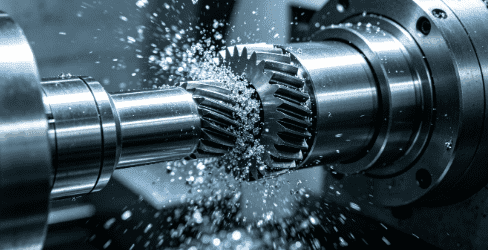
Brochado metalúrgico es una piedra angular del mecanizado moderno, que combina alta precisión, repetibilidad y eficiencia. Se emplea ampliamente en la producción de chaveteros, estrías, agujeros y perfiles complejos en componentes automotrices, aeroespaciales e industriales. A diferencia del fresado o taladrado tradicional, el brochado permite la eliminación lineal del material utilizando una brocha especialmente diseñada, lo que reduce significativamente el tiempo de mecanizado y el posprocesamiento.
Según el informe de 2024 del Revista internacional de fabricación avanzada, el brochado de metales puede mejorar la eficiencia de la producción hasta en 40% en aplicaciones de gran volumen, proporcionando tolerancias internas ±0,02 mm para componentes críticos. A medida que aumentan las demandas de fabricación globales, dominar las técnicas de brochado se ha vuelto esencial para ingenieros, maquinistas y gerentes de producción que buscan soluciones precisas y rentables.
Ventajas del Brochado Metalúrgico
Alta precisión y repetibilidad
El brochado ofrece resultados muy repetibles, lo que lo hace ideal para la producción en masa de componentes complejos. La precisión puede alcanzar ±0,01-0,02 mm, garantizando un montaje y ajuste confiables en sistemas críticos como cajas de cambios o conjuntos aeroespaciales.
Eliminación eficiente de materiales
El brochado puede eliminar cantidades significativas de material en una sola pasada, reduciendo los tiempos de ciclo 20–50% en comparación con el fresado o la perforación para geometrías similares. Las brochas de varias etapas pueden cortar progresivamente, mejorando el acabado de la superficie y manteniendo la velocidad.
Acabado superficial superior
El movimiento de corte lineal de las brochas produce superficies lisas con rebabas mínimas, lo que reduce la necesidad de acabado secundario. Por ejemplo, las chavetas de transmisión de automóviles a menudo logran una rugosidad superficial inferior Ra 0,8 μm después de brochar.
Costo Eficiencia
A pesar de los mayores costos iniciales de herramientas, el brochado reduce la mano de obra y el posprocesamiento, proporcionando un menor costo por pieza en grandes tiradas de producción. Estudios de Perspectivas de fabricación CNC 2023 indicar un potencial Reducción 30% del coste total de mecanizado para piezas brochadas de gran volumen.
Tipos de Brochado Metalúrgico
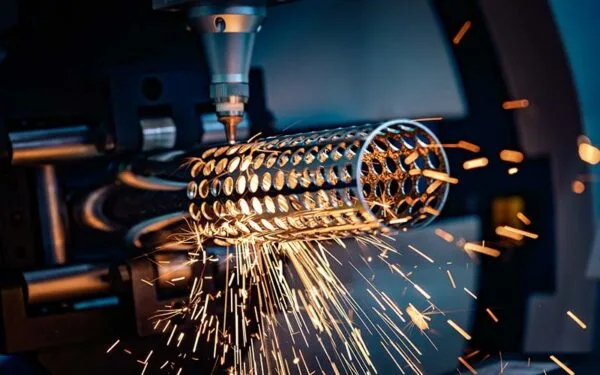
Brochado por tracción versus brochado por empuje
- Tirar de brochado: Se pasa brocha a través de la pieza de trabajo; comúnmente utilizado para funciones internas como agujeros, chaveteros y estrías.
- Brochado por empuje: La brocha se empuja a través del material; Ideal para perfiles externos como dientes de engranajes o planos.
Opciones de diseño de folletos
- Brochas de dientes rectos: Eficaz para metales blandos como aluminio o latón.
- Brochas dentadas: Diseñado para metales más duros como el acero endurecido, lo que reduce la carga de virutas.
- Broches especializados: Perfiles personalizados para engranajes, estrías, palas de turbinas y componentes automotrices.
Brochas de una sola etapa versus brochas de varias etapas
- Etapa única: Elimina material en una sola pasada; más rápido pero adecuado para una precisión moderada.
- Multietapa: El corte progresivo reduce la tensión, produce superficies más suaves y prolonga la vida útil de la herramienta.
Materiales y consideraciones sobre piezas de trabajo
Metales adecuados
Brochado metalúrgico es compatible con:
- Acero (endurecido o blando)
- Aleaciones de aluminio
- Cobre y bronce
- Titanio (con utillaje especializado)
Pautas de dureza
| Material | Dureza típica (HRC) | Tipo de brocha recomendado | Notas |
|---|---|---|---|
| Acero suave | 15–25 | Diente recto | Corte rápido, bajo desgaste |
| Acero endurecido | 45–60 | Serrado o con punta de carburo | Se recomienda corte progresivo |
| Aleación de aluminio | 80-120 HB | Diente recto | Componentes ligeros |
| Bronce | 60-100 HB | Serrado | Alta resistencia al desgaste |
| Aleación de titanio | 35-45 RC | Brochas especiales | Requiere refrigerante, alimentación más lenta |
Acabado y lubricación de superficies
- La lubricación adecuada minimiza la acumulación de calor, reduce el desgaste de las herramientas y mejora el acabado de la superficie.
- Los fluidos o aceites de corte se utilizan comúnmente, particularmente para componentes de acero y titanio.
Proceso de brochado paso a paso
Preparación de materiales
- Seleccione un material de pieza de trabajo compatible.
- Perfore los agujeros antes de perforar si realiza un brochado interno.
- Limpie las superficies para evitar la interferencia de escombros.
Configuración de la máquina
- Calibre la longitud de la carrera y las velocidades de alimentación para que coincidan con el diseño de la brocha.
- Asegure la pieza de trabajo para minimizar la vibración.
- Verifique la alineación para evitar un desgaste desigual o roturas de la herramienta.
Proceso de corte
- Alimente gradualmente la brocha; Las brochas de varias etapas deben seguir la secuencia diseñada.
- Controlar las fuerzas de corte; asegúrese de que la lubricación llegue a todos los dientes.
- Retire los chips con regularidad para evitar obstrucciones y sobrecalentamiento.
Inspección post-brochamiento
- Mida dimensiones críticas utilizando micrómetros o CMM.
- Verifique el acabado de la superficie según las especificaciones (normalmente Ra 0,8-1,6 μm).
- Calidad del documento para trazabilidad y mejora continua.
Análisis comparativo: brochado versus otras técnicas
| Técnica | Precisión | Eliminación de materiales | Tiempo de ciclo | Mejor caso de uso |
|---|---|---|---|---|
| Brochado | Alto | Rápido | Corto | Llaves, estrías, agujeros internos |
| Fresado | Medio | Moderado | Medio | Superficies planas, perfiles personalizados |
| Perforación | Medio | Moderado | Largo | Agujeros circulares |
| Molienda | Muy alto | Lento | Largo | Acabado de tolerancia ajustada |
| Mecanizado de Descarga Eléctrica (EDM) | Muy alto | Muy lento | Muy largo | Geometrías complejas, metales duros |
Observare: El brochado sobresale en características lineales que requieren alta precisión y repetibilidad, mientras que el fresado ofrece flexibilidad para formas 3D y la electroerosión se reserva para piezas altamente complejas o difíciles de mecanizar.
Aplicaciones del mundo real
Industria automotriz
- Producción de estrías de transmisión, chaveteros de engranajes y conjuntos de bujes.
- Ejemplo: splines brochados en a Transmisión BMW 2023 variabilidad de ensamblaje reducida por 15%.
Industria aeroespacial
- Fabricación de ejes de turbinas, componentes de trenes de aterrizaje y sujetadores aeroespaciales.
- Ejemplo: Piezas del motor Rolls-Royce Trent utilice brochado para alineación estriada con tolerancias ±0,02 mm.
Maquinaria Industrial
- Brochar casquillos, poleas y componentes hidráulicos mejora la eficiencia en la producción en masa.
- Estudio de caso: Fábrica de Siemens en Alemania tiempo de mecanizado reducido en 35% utilizando brochado para ejes de bombas.
Consideraciones de seguridad
Seguridad del operador
- Utilice siempre gafas protectoras, guantes y protección auditiva.
- Mantenga las manos alejadas de mover los dientes de la brocha.
Seguridad de las máquinas
- Asegúrese de que las paradas de emergencia estén funcionales.
- Inspeccione periódicamente los protectores y la alineación de la máquina.
Ergonomía y Medio Ambiente
- Los feeds automatizados reducen la tensión del operador.
- Utilice refrigerante y ventilación adecuados para controlar el calor y los humos.
Estándares y certificaciones de la industria
- ISO 2768-1 e ISO 2768-2: Tolerancias generales para componentes metálicos.
- BS EN 124: Aplicable para accesorios de brochado con capacidad de carga en aplicaciones industriales.
- ASTM A48/A536: Para componentes de hierro fundido utilizados en la construcción de brochadoras.
- ISO 9001 e ISO 14001: Normas de calidad y gestión ambiental de las instalaciones de fabricación.
Innovaciones en el brochado metalúrgico
Monitoreo inteligente
- Integración de sensores de fuerza y retroalimentación CNC para mantenimiento predictivo.
- Reduce el tiempo de inactividad no planificado y mejora la coherencia del proceso.
Recubrimientos avanzados
- Las brochas recubiertas de carburo o diamante prolongan la vida útil de las herramientas para metales de alta dureza.
- Reduce el desgaste en entornos de producción de gran volumen.
Automatización
- Carga y descarga robótica para líneas de brochado de alto rendimiento.
- Mejora la seguridad, la precisión y la repetibilidad.
Mantenimiento y solución de problemas
Inspección de rutina
- Examine los dientes en busca de astillas o deformaciones.
- Verifique los sistemas de alineación y lubricación de las máquinas.
Lubricación y Limpieza
- Limpie periódicamente las brochas para evitar la acumulación de virutas.
- Aplique líquidos de corte según las recomendaciones del fabricante.
Pautas de reemplazo
- Realice un seguimiento de los ciclos y la dureza del material para predecir el reemplazo de herramientas.
- Evite cortar más allá del uso recomendado para mantener la calidad del acabado de la superficie.
Tabla: Parámetros del proceso de brochado para metales comunes
| Tipo de metal | Rata de alimentare (mm/rev) | Velocidad de corte (m/min) | Tipo de lubricación | Vida útil de la herramienta (ciclos) |
|---|---|---|---|---|
| Acero suave | 0.03–0.05 | 10–15 | Fluido de corte a base de aceite | 50,000–70,000 |
| Acero endurecido | 0.01–0.02 | 5–10 | Refrigerante sintético | 30,000–50,000 |
| Aleación de aluminio | 0.05–0.08 | 20–25 | Fluido a base de aceite o soluble en agua | 70,000–100,000 |
| Bronce | 0.04–0.06 | 15–20 | Fluido de corte a base de aceite | 50,000–80,000 |
| Aleación de titanio | 0.01–0.03 | 5–8 | Refrigerante sintético | 20,000–35,000 |
Observare: La velocidad de avance, la velocidad y la lubricación correctas afectan significativamente la vida útil de la herramienta y la calidad de la superficie. El uso de brochas de varias etapas para materiales duros reduce el desgaste y mejora la precisión.
Tendencias e innovaciones emergentes en Brochado Metalmecánico
Integración con Sistemas CNC
Las brochadoras modernas suelen incorporar control CNC para ajustar las velocidades de alimentación, la longitud de la carrera y las fuerzas de corte en tiempo real. Esto permite un corte adaptativo, una eficiencia optimizada y una calidad constante de las piezas, particularmente en la fabricación aeroespacial y automotriz.
Sensores inteligentes y mantenimiento predictivo
Los sensores monitorean la vibración, la temperatura y la fuerza de corte. Los análisis de datos predicen el desgaste de las herramientas y previenen averías inesperadas, lo que reduce el tiempo de inactividad y mejora la confiabilidad operativa.
Materiales y revestimientos híbridos
Los insertos de carburo, diamante o cerámica en las brochas aumentan la vida útil de la herramienta y mantienen el rendimiento al mecanizar aleaciones duras. Las brochas recubiertas también reducen la fricción y la generación de calor, lo que permite velocidades de corte más rápidas.
Automatización y Manejo Robótico
La carga y descarga automatizadas reducen los costos de mano de obra y mejoran la seguridad. Los sistemas robóticos pueden manejar líneas de brochado a gran escala, mejorando el rendimiento y minimizando la exposición humana a las operaciones de corte.
Estudios de caso que demuestran la eficiencia del brochado metalúrgico
Componentes de transmisión automotriz
Un importante fabricante de automóviles europeo adoptó el brochado para chaveteros de engranajes en las líneas de producción. El cambio de la fresado tradicional redujo los tiempos de ciclo 35% y consistencia de tolerancia mejorada de ±0,05 mm a ±0,02 mm.
Ejes de turbina aeroespaciales
Rolls-Royce utilizó brochado para fabricar ejes estriados para motores de turbina. La precisión lograda fue de ±0,015 mm, lo que garantiza un montaje perfecto y una vida útil más larga bajo altas tensiones térmicas y mecánicas.
Componentes hidráulicos industriales
Siemens Alemania implementó brochado interno para ejes de bombas, reduciendo los pasos de mecanizado y los cambios de herramientas. La eficiencia de la producción mejoró en 30% y las tasas de retrabajo cayeron por debajo de 1% por lote.
Mejores prácticas para optimizar el brochado de metalurgia
Selección de herramientas
- Haga coincidir el tipo de brocha con la dureza y geometría del material.
- Utilice brochas de múltiples etapas para metales duros para mejorar el acabado de la superficie y reducir el desgaste de las herramientas.
Configuración de la máquina
- Asegúrese de que la alineación, sujeción y calibración de carrera sean adecuadas.
- Monitoree la vibración y las fuerzas de corte para evitar fallas en la herramienta.
Lubricación y refrigeración
- Aplicar fluidos de corte adecuados según el tipo de metal.
- Mantenga el flujo de refrigerante para reducir el calor y prolongar la vida útil de la herramienta.
Inspección y Control de Calidad
- Implementar mediciones en proceso utilizando micrómetros o máquinas de medición de coordenadas (CMM).
- Mantenga datos históricos para realizar un seguimiento del desgaste de la herramienta y el rendimiento del mecanizado.
Consideraciones ambientales y económicas
Prácticas Sostenibles
- Las herramientas de brochado reciclables y los fluidos de corte ecológicos reducen el impacto medioambiental.
- La eliminación eficiente de material minimiza la chatarra y el consumo de energía.
Análisis costo-beneficio
- Aunque el costo inicial de las herramientas es mayor, la reducción de la mano de obra, el tiempo del ciclo y el posprocesamiento generan ahorros significativos en las tiradas de producción de mediano a grande.
- El retorno de la inversión se maximiza en operaciones de gran volumen, particularmente para componentes de precisión.
Conclusión
Dominar brochado metalúrgico las técnicas son esenciales para la eficiencia, precisión y rentabilidad de la fabricación moderna. Desde sistemas de engranajes automotrices hasta ejes de turbinas aeroespaciales, el brochado ofrece alta repetibilidad, acabado superficial superior y posprocesamiento mínimo.
Al seleccionar cuidadosamente materiales, tipos de brochas, métodos de lubricación y cumplir con los estándares de la industria, los fabricantes pueden maximizar la vida útil de las herramientas, reducir los costos de producción y mantener la calidad de los componentes de primer nivel. Innovaciones como la integración CNC, el monitoreo basado en sensores y los recubrimientos de herramientas híbridas continúan avanzando en la eficiencia y sostenibilidad del brochado.
Invertir en procesos de brochado de alta calidad garantiza una producción confiable, precisa y escalable para las aplicaciones industriales de alta demanda actuales.
Preguntas frecuentes
¿cuál es la diferencia entre brochado y fresado?
El brochado es lineal y muy repetible, ideal para chaveteros y estrías. El fresado es versátil para superficies 3D complejas pero más lento para características lineales repetitivas.
¿se puede utilizar el brochado en acero endurecido?
Sí, con brochas dentadas o con punta de carburo y lubricación adecuada, el acero endurecido se puede brochar eficientemente.
¿con qué frecuencia se deben inspeccionar las herramientas de brocha?
Después de cada turno de producción para operaciones de gran volumen; de lo contrario, se recomienda una inspección semanal mínima. Busque problemas de desgaste, astillas y alineación de los dientes. La detección temprana evita un acabado superficial deficiente y posibles daños a la máquina.
¿qué materiales son los más adecuados para brochar metalurgia?
El brochado funciona bien en una amplia gama de metales, incluidos acero, aluminio, cobre, bronce y aleaciones de titanio. La selección depende de los requisitos de dureza, espesor y acabado superficial. El acero endurecido requiere brochas especiales y una lubricación adecuada.
¿es rentable el brochado para tiradas de producción pequeñas?
El brochado es muy eficiente para una producción de volumen medio a alto. Para tiradas pequeñas, el costo inicial de las herramientas puede ser mayor que el de fresado o taladrado, pero para piezas de precisión con características repetitivas, la eficiencia a largo plazo a menudo supera la inversión inicial.
¿puede el brochado producir geometrías complejas?
Sí, pero principalmente perfiles simétricos lineales o rotacionales como chaveteros, estrías, dientes de engranajes y orificios. Las superficies 3D altamente complejas pueden requerir procesos complementarios como fresado CNC o EDM.
¿cómo se compara el brochado de metales con otras técnicas de corte de tolerancias?
El brochado normalmente proporciona tolerancias más estrictas (±0,01-0,02 mm) que el fresado o la perforación. Para componentes extremadamente críticos, el rectificado o la electroerosión pueden lograr una mayor precisión, pero el brochado equilibra la precisión, la velocidad y la rentabilidad.