Welcome to My Blog!
I’m thrilled to have you here! Before we dive into the content, I’d love for you to join me on my social media platforms. It’s where I share extra insights, connect with our amazing community, and keep you updated on the latest news. Here’s how you can stay connected:
📘 Facebook: Lina Metal
▶️ YouTube: Lina Metal Channel – watch tutorials, demos, and in-depth guides
Now, let’s embark on this journey together! I hope you find the content here not only insightful but also inspiring and valuable. Let’s get started!
Table of Contents
Key Takeaways of This Blog
- Comprehensive guide on materials for custom ladder racks
- Compare aluminum, steel, and stainless steel with pros and cons
- Understand load-bearing capacity and safety standards
- Learn maintenance strategies for longevity and cost efficiency
- Case studies and real-world fleet applications
- Industry standards, certifications, and material specifications
- FAQs for buyers and fleet operators
Introduction
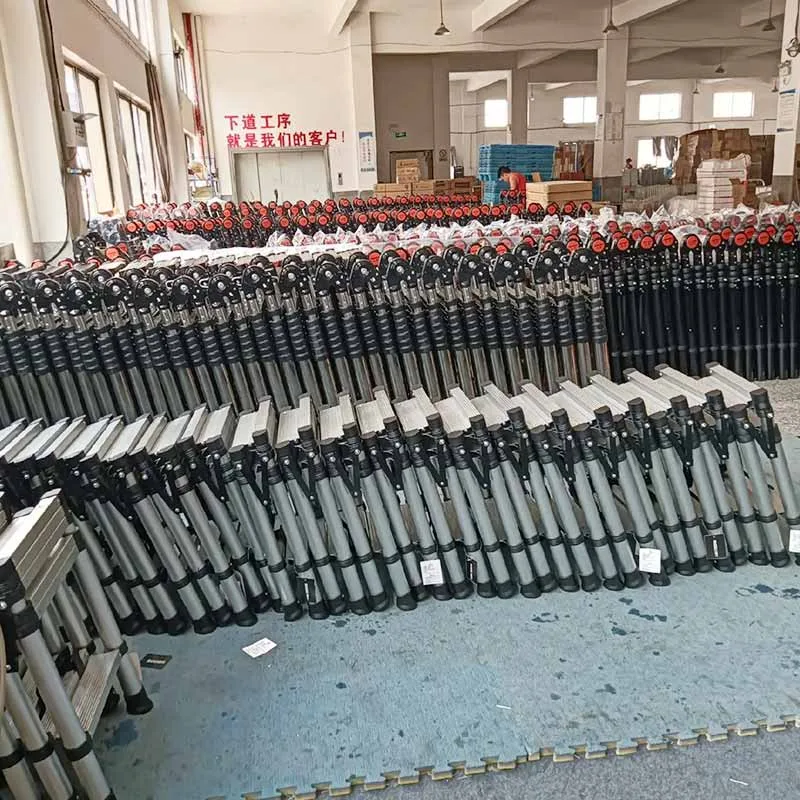
When it comes to enhancing vehicle utility, nothing matters more than a durable and well-designed ladder rack. Choosing the right custom ladder rack material is not just about aesthetics—it’s about safety, longevity, and efficiency. In urban construction, fleet operations, and trade services, the right ladder rack can mean the difference between operational downtime and seamless workflow. This article explores all aspects of custom ladder rack materials, from technical specifications to maintenance tips, and helps professionals make informed purchasing decisions.
Understanding Custom Ladder Rack Materials
Why Material Selection is Critical
The choice of material directly impacts the rack’s performance. Material influences:
- Load capacity
- Resistance to corrosion and weather conditions
- Longevity and structural integrity
- Maintenance frequency and overall cost
Selecting a low-quality material can lead to structural failures, unsafe operations, and increased fleet expenses.
Types of Materials
The three most common materials used in custom ladder racks are:
- Aluminum
- Steel
- Stainless steel
Each offers unique advantages and drawbacks, suitable for different operational contexts.
Aluminum Ladder Racks
Lightweight and Efficient
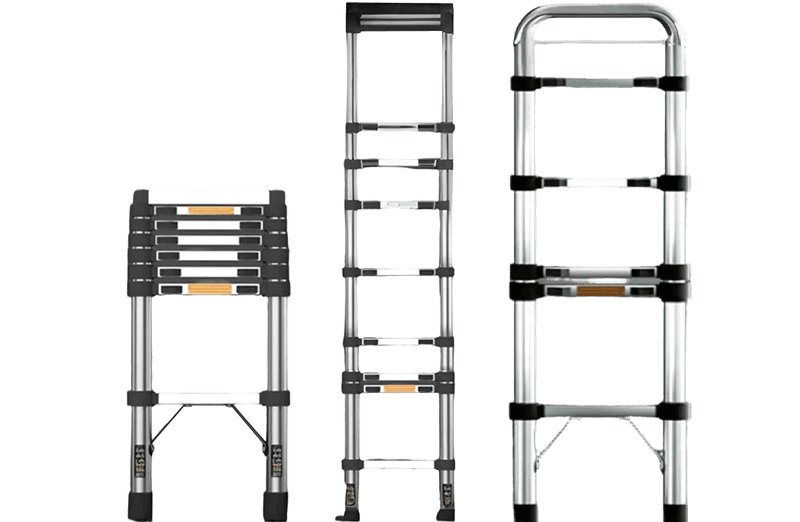
Aluminum custom ladder racks are up to 50% lighter than steel racks. This reduced weight:
- Improves fuel efficiency
- Reduces vehicle wear and tear
- Makes handling and installation easier
Corrosion Resistance
Aluminum naturally resists rust, making it ideal for humid or coastal environments. This material does not require heavy coatings but may be anodized for extra durability.
Ideal Applications
- Urban trade vehicles
- Residential construction projects
- Light to medium-duty equipment transport
Steel Ladder Racks
Strength and Durability
Steel racks provide superior load-bearing capabilities, supporting heavier ladders and tools. Typical steel racks can handle weights of up to 600 kg per side.
Protective Coatings
Galvanization and powder coatings significantly extend steel rack lifespan. According to ISO 12944 standards, properly coated steel can resist corrosion for over 10 years in outdoor conditions.
Best Use Cases
- Construction and renovation fleets
- Heavy-duty industrial tools
- Areas with moderate environmental exposure
Stainless Steel Ladder Racks
Premium Material Benefits
Stainless steel custom ladder racks are highly resistant to corrosion, even without coatings. With grades like 304 or 316, they withstand harsh chemical and coastal environments.
Long-Term Applications
Ideal for fleets that prioritize minimal maintenance and maximum longevity. Many industrial fleet managers report over 15 years of service without structural issues.
Cost-Benefit Consideration
Though initially more expensive, stainless steel reduces downtime, maintenance, and replacement costs over its service life.
Comparing Ladder Rack Materials
| Material | Weight | Corrosion Resistance | Load Capacity | Cost | Ideal Use Case |
|---|---|---|---|---|---|
| Aluminum | Light | High | Medium | Moderate | Urban trades, residential work |
| Steel | Heavy | Medium | High | Low | Construction, heavy-duty hauling |
| Stainless Steel | Medium-Heavy | Very High | High | High | Industrial, coastal, high-value fleets |
Load Capacity and Safety Standards
Load-Bearing Limits
When selecting a custom ladder rack, ensure the material can handle both static and dynamic loads. OSHA guidelines recommend calculating the maximum combined weight of ladders, equipment, and cargo.
Vehicle Stability
Incorrectly loaded racks can affect vehicle handling. Studies from the National Institute for Occupational Safety and Health (NIOSH) show that uneven distribution increases rollover risk by up to 25%.
Maintenance Tips for Longevity
Cleaning and Corrosion Prevention
- Aluminum: rinse with fresh water periodically
- Steel: inspect for rust, touch-up paint when necessary
- Stainless Steel: minimal maintenance but clean to avoid staining
Lubrication
Lubricate moving or adjustable parts to prevent wear and maintain smooth operation.
Inspection
Check bolts, welds, and attachment points every 6 months. Document maintenance for fleet audits.
Case Studies: Fleet Applications
Case Study 1: Urban Electrical Service Fleet
- 50 vans equipped with aluminum custom ladder racks
- Resulted in 20% fuel savings compared to steel racks
- Maintenance reduced by 40%
Case Study 2: Industrial Construction Company
- 30 trucks fitted with powder-coated steel racks
- Increased load capacity for heavy tools
- Required routine maintenance to prevent corrosion
Case Study 3: Coastal Facility Maintenance Fleet
- Stainless steel racks installed in high-salt environment
- 10-year maintenance-free operation
- Minimal replacement cost and zero rust issues
Installation and Safety Guidelines
Mounting and Fastening
- Use manufacturer-specified brackets and fasteners
- Follow torque settings precisely to prevent detachment
Weight Distribution Tips
- Position heavy ladders on center rails
- Balance toolboxes and equipment to prevent sway
Regulatory Compliance
- Check FMVSS (Federal Motor Vehicle Safety Standards) for maximum allowed height and weight
- Adhere to local state transportation laws for commercial vehicles
Innovations in Ladder Rack Materials
Composite Racks
Some manufacturers are experimenting with fiber-reinforced composite ladder racks, combining lightweight properties with strength and corrosion resistance.
Smart Load Detection
Integrated sensors monitor weight distribution and alert operators if overloaded, reducing accidents and wear.
Industry Standards and Certifications
ISO 12944
Standard for corrosion protection of steel structures. Ensures powder-coated or galvanized racks meet minimum durability benchmarks.
SAE J684
Defines requirements for commercial vehicle accessories, including ladder racks. Compliance ensures safety and roadworthiness.
OSHA Guidelines
Ensure racks are properly mounted and do not exceed the vehicle’s GVWR (Gross Vehicle Weight Rating).
Conclusion
Selecting the right custom ladder rack material is a critical decision for fleet efficiency, safety, and long-term savings. Aluminum offers lightweight convenience, steel delivers heavy-duty strength, and stainless steel provides the ultimate durability. By understanding materials, maintenance requirements, and load capacity, businesses can optimize their operations while ensuring safety and regulatory compliance. Investing in the right material pays off in productivity, longevity, and reduced operational costs.
FAQ
Q: Which material is best for long-term durability?
A: Stainless steel provides the longest service life with minimal maintenance.
Q: Can aluminum support heavy ladders?
A: Yes, but for loads exceeding 300–400 kg, steel or stainless steel is recommended.
Q: How often should I inspect my ladder rack?
A: Every 6 months for fleets; more frequently in coastal or harsh environments.
Q: Is powder coating essential for steel racks?
A: Yes, it prevents rust and prolongs lifespan, especially outdoors.
Q: Are stainless steel racks worth the extra cost?
A: For industrial or coastal use, the reduced maintenance and longevity justify the investment.