¡bienvenidos a Mi Blog!
¡estoy encantado de tenerte aquí! Antes de sumergirnos en el contenido, me encantaría que te unieras a mí en mis plataformas de redes sociales. Es donde comparto ideas adicionales, me conecto con nuestra increíble comunidad y te mantengo actualizado sobre las últimas noticias. Así es como puedes mantenerte conectado:
📘 Facebook: Lina Metal
<PREC YouTube: Canal de metal Lina «ver tutoriales, demostraciones y guías detalladas
¡Ahora embarquémonos juntos en este viaje! Espero que el contenido aquí no sólo te resulte revelador sino también inspirador y valioso. ¡Empezemos!
Tabla de contenidos
Conclusiones clave que aprenderá
- Qué es la fabricación de chapa y por qué es importante para la fabricación moderna
- Desglose paso a paso de los principales procesos de fabricación de chapa
- Explicación de selección, corte, conformado, unión, montaje y acabado de materiales
- Comparación de métodos de fabricación y cómo elegir el correcto
- Estándares de la industria, datos técnicos y estudios de casos del mundo real
- Métodos avanzados como automatización, integración de IA y prácticas de sostenibilidad
- Preguntas frecuentes que responden preguntas comunes de búsqueda en Google
Introducción
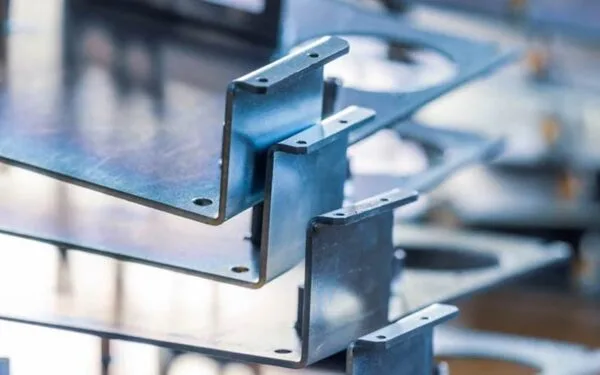
En el panorama industrial actual, procesos de fabricación de chapa son fundamentales para producir piezas de alta calidad utilizadas en automóviles, aeroespaciales, energía, electrónica, construcción y bienes de consumo. Desde prototipos hasta producción en masa, estos procesos determinan la calidad del producto, la rentabilidad, la reducción de residuos y el cumplimiento de los estándares globales.
Pero, ¿qué implica exactamente la fabricación de chapa? Esta guía explora cada fase clave, desde los conceptos iniciales de diseño y selección de materiales hasta el corte, conformado, unión, acabado de superficies, inspección de calidad y las últimas innovaciones de la industria. Ya sea que sea ingeniero de fabricación, gerente de planta o comprador que evalúe proveedores, esta inmersión profunda lo ayudará a tomar decisiones más inteligentes y respaldadas por datos.
¿qué son los procesos de fabricación de chapa metálica?
Definición y descripción general
Procesos de fabricación de chapa consulte el conjunto completo de técnicas de fabricación que convierten láminas planas en formas y componentes deseados. Estos incluyen corte, doblado, soldadura, ensamblaje, acabado e inspección.
Cada paso requiere herramientas de precisión, una planificación cuidadosa y un criterio de ingeniería para equilibrar el rendimiento, el costo y las propiedades de los materiales. ¿El resultado? Componentes utilizados en todo, desde fuselajes de aviones hasta marcos de teléfonos inteligentes.
Importancia en la fabricación
La fabricación de chapa metálica es fundamental porque:
- Permite piezas ligeras pero resistentes
- Admite geometrías complejas con alta repetibilidad
- Se integra bien con sistemas de fabricación automatizados
- Reduce el desperdicio con un uso optimizado del material
Las industrias que dependen de la fabricación de chapa incluyen la automoción (estructuras, soportes), la aeroespacial (paneles, conductos), la electrónica de consumo (carcasas), la maquinaria industrial (protectores, elementos estructurales) y las energías renovables (soportes solares, carcasas de turbinas eólicas).
El espectro completo de procesos de fabricación de chapa metálica
A continuación se muestra un desglose detallado de cada fase importante de fabricación: qué hace, por qué es importante y cómo se integra en el flujo de trabajo general.
1. Etapa de diseño « Fundación para la fabricación
Diseño Conceptual y Funcional
El diseño es la primera y posiblemente la más importante fase. Los ingenieros capturan los requisitos funcionales y los convierten en modelos digitales 3D utilizando software CAD (ComputerkAided Design) como Trabajos sólidos, AutoCAD, sau CATIA.
Las actividades clave de diseño incluyen:
- Definición de geometría, dimensiones y tolerancias de piezas
- Identificación de radios de flexión y diseños en blanco
- Selección del tipo de material inicial y calibre
- Simulación del rendimiento con Análisis de Elementos Finitos (FEA)
Las empresas líderes en el mundo invierten mucho en ingeniería digital porque los primeros errores se agravan en costos mucho mayores en el futuro.
Diseño para la fabricabilidad (DFM)
DFM garantiza que la pieza diseñada pueda fabricarse con una complejidad y un costo mínimos. Las consideraciones incluyen:
- Simplificando curvas y recortes
- Minimizar los cambios de herramientas
- Planificación de funciones de montaje (pestañas, ranuras)
- Evitar características frágiles que complican la producción
La encuesta de Datasmith de 2024 encontró que las empresas que adoptaron los principios DFM redujeron las tasas de chatarra en 18% y acortaron los plazos de producción en 22%.
2. Selección de materiales « La columna vertebral de la calidad
Elegir el material de chapa adecuado influye fuertemente en la durabilidad, el rendimiento y el coste. Los materiales comunes incluyen:
- Acero inoxidable (serie 300/400): Alta resistencia a la corrosión, ideal para equipos médicos, de procesamiento de alimentos y exteriores
- Aluminio (5052, 6061): Ligero, buena relación resistencia-peso, excelente para el sector aeroespacial y automotriz
- Acero al carbono (ASTM A366): Alta resistencia y bajo costo, ampliamente utilizado en aplicaciones estructurales
- Cobre y latón: Excelente conductividad, utilizada en intercambiadores eléctricos de calor
Tabla de rendimiento de materiales
| Material | Fuerza | Resistencia a la corrosión | Peso | Aplicación típica |
|---|---|---|---|---|
| Acero inoxidable | Alto | Excelente | Medio | Médico, Alimentación, Exterior |
| Aluminio | Medio | Bien | Bajo | Aeroespacial, Automotriz |
| Acero al carbono | Alto | Moderado | Alto | Piezas estructurales |
| Cobre/Latón | Medio | Bien | Medio | Transferencia Eléctrica/Calor |
Calibre y Espesor
El espesor de la chapa se mide en números de calibre; cuanto menor sea el calibre, más gruesa será la lámina.
- Calibre 30-26: Delgado, ideal para embutidos profundos
- Calibre 22-14: Paneles estructurales
- Calibre 12 e inferior: fabricación pesada
Cada calibre influye en la formabilidad, el peso y la compatibilidad con los métodos de corte.
3. Procesos de corte en la fabricación de chapa metálica
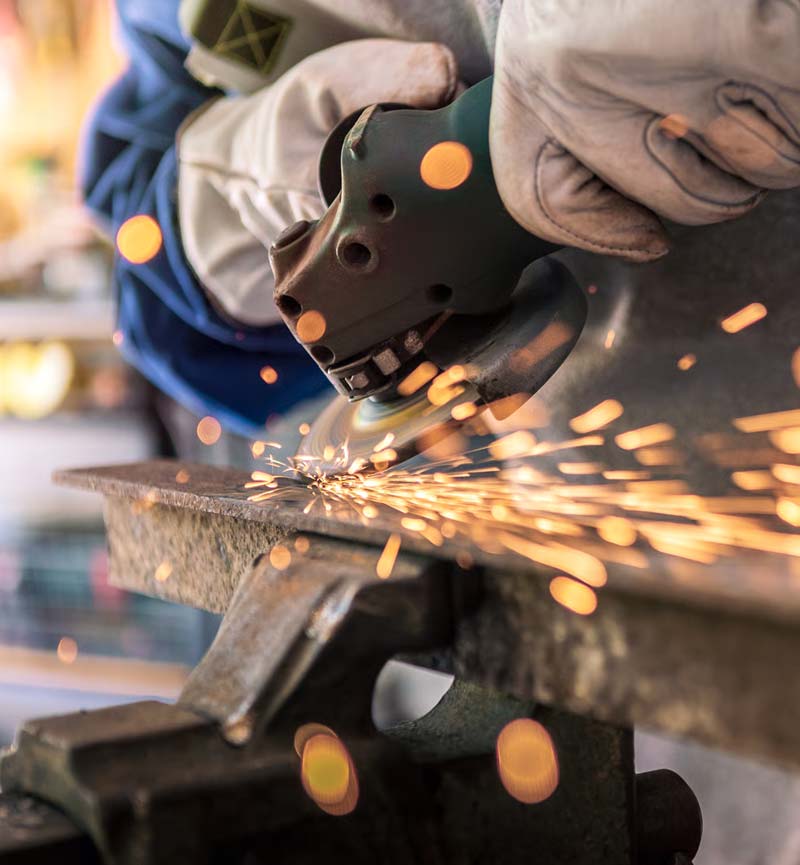
El corte preciso es esencial para la calidad y eficiencia de las piezas.
Corte por láser
El corte por láser utiliza un haz enfocado para vaporizar el metal con excelente precisión. Las tolerancias típicas son ±0,1 mm y sobresale en el corte de perfiles complejos.
Cel mai bun pentru: Piezas de alta precisión, acero inoxidable, aluminio
Pros: Alta precisión, zona afectada por el calor (HAZ), configuración rápida
Contras: Mayor costo del equipo
Corte por chorro de agua
Waterjet utiliza agua a alta presión con abrasivos para cortar metal sin calor. Ideal para materiales sensibles a la distorsión por calor.
Pros: Sin distorsión térmica, funciona con materiales gruesos
Contras: Más lento que el láser, mayor costo operativo
Esquila
Corta el metal cortado mecánicamente con líneas rectas y limpias. Lo mejor para cortes simples y láminas grandes.
Pros: Rápido y rentable
Contras: Limitado a cortes rectos, menos flexible para formas complejas
4. Procesos de conformado y doblado
Presione Frenado
Los frenos de presión doblan la chapa al presionarla entre un punzón y un troquel. La precisión depende de las herramientas y el material.
Concepto: Se dobla sin quitar material
Usado para: Paneles, soportes, marcos
Formación de rollos
El perfilado dobla gradualmente las hojas largas en formas o perfiles curvos. Ideal para grandes volúmenes.
Comparación con Press Brake:
| Característica | Presione el freno | Formación de rollos |
|---|---|---|
| Flexibilidad | Alto (pequeñas carreras) | Volumen inferior (alto) |
| Velocidad de producción | Más lento | Rápido |
| Curvas complejas | Bien | Excelente |
| Costo | Moderado | Herramientas iniciales altas |
5. Unión y Asamblea
La unión conecta piezas de láminas individuales en conjuntos.
Soldadura
Los tipos de soldadura comunes para chapa incluyen:
- MIG (Gas Inerte Metálico): Versátil y rápido
- TIG (Gas Inerte de Tungsteno): Preciso, de alta calidad
- Soldadura puntual: Ideal para láminas de calibre fino
Fijación y Remachado
Se utiliza cuando los componentes deben desmontarse o unirse sin calor.
Bun pentru: Electrónica, gabinetes, paneles removibles
Unión adhesiva
Los adhesivos industriales ofrecen una distribución uniforme de la tensión y reducen la distorsión por el calor.
Cel mai bun pentru: Conjuntos compuestos o multimaterial
6. Acabado de superficies
El acabado superficial mejora la estética, la durabilidad y la resistencia a la corrosión.
Recubrimiento en polvo
El recubrimiento en polvo aplica una capa de polímero seco horneada a alta temperatura.
Ventajas: Cobertura uniforme, excelente durabilidad
Anodizado
Principalmente para el aluminio, forma una capa de óxido duro que protege y colorea la superficie
Galvanoplastia
Deposita capas metálicas (como níquel, cromo) para determinar su conductividad o apariencia
7. Control de Calidad y Estándares de la Industria
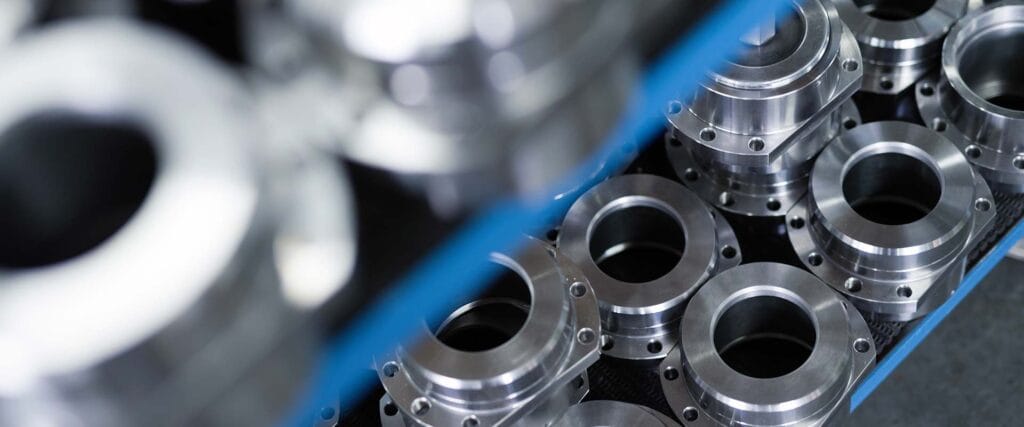
La inspección es obligatoria antes del envío. Los métodos comunes incluyen:
- CMM (Máquina de Medición de Coordenadas) para controles dimensionales
- END (ensayos no destructivos) como tinte penetrante o ultrasónico
- Pruebas visuales y mecánicas de funcionalidad
Estándares para saber
- ISO 9001: Sistemas de gestión de calidad
- ASTM B209: Especificaciones de la lámina de aluminio
- EN 10130: Normas de acero laminado en frío
8. Automatización y fabricación inteligente
Integración CNC
Los sistemas de control numérico por computadora (CNC) automatizan el corte y el conformado.
Beneficios:
- Precisión constante
- Errores manuales reducidos
- Integración con flujos de trabajo CAD/CAM
Robótica e IA
La soldadura y manipulación robótica aumentan el rendimiento y reducen los riesgos de seguridad. Las fábricas líderes ahora utilizan IA para predecir las necesidades de mantenimiento y reducir el tiempo de inactividad.
9. Sostenibilidad en la fabricación de chapa metálica
Materiales reciclados
El uso de acero y aluminio reciclados reduce el impacto medioambiental. El aluminio reciclado utiliza 95% menos energía que la producción primaria.
Eficiencia energética
Las cortadoras láser y servoprensas modernas consumen menos energía y reducen las emisiones de gases de efecto invernadero.
Reducción de residuos
La planificación optimizada de anidación y corte minimiza la chatarra, mejorando las puntuaciones de sostenibilidad.
Estudios de casos de RealWorld
Estudio de caso 1 « Fabricante de paneles automotrices
Un proveedor automotriz de tamaño mediano implementó corte por láser y soldadura robótica, lo que resultó en:
- Reducción de defectos 30%
- 15% tiempos de ciclo más rápidos
- 20% menor costo laboral
Estudio de caso 2 « Productor de componentes aeroespaciales
Utilizando CNC de precisión y acabado avanzado, un proveedor redujo las tasas de retrabajo en 40%, cumpliendo con los estrictos estándares de la FAA.
Mitos comunes sobre la fabricación de chapa metálica
Mito: La fabricación manual siempre es más barata
Realidad: Si bien los costos laborales pueden ser más bajos, la automatización reduce los errores y la chatarra, lo que a menudo resulta en un menor costo total por pieza.
Mito: El metal más grueso siempre es mejor
Realidad: Demasiado espeso aumenta el peso, el costo del material y la dificultad de formación. El tamaño correcto importa.
Conclusión
Dominar procesos de fabricación de chapa desde el diseño hasta la producción es vital en la fabricación moderna. Con la selección adecuada de materiales, técnicas de corte, métodos de conformado, enfoques de unión y tratamientos de acabado, los fabricantes pueden producir piezas robustas y de alta precisión. Al adoptar estándares de automatización, sostenibilidad y calidad, las empresas no sólo mejoran la eficiencia sino que también se posicionan para futuras innovaciones.
Preguntas frecuentes
P1: ¿Cuál es el método de corte más preciso?
El corte por láser ofrece la mayor precisión con una mínima distorsión por calor.
P2: ¿Se pueden reciclar las chapas?
Sí, metales como el acero y el aluminio son altamente reciclables y ampliamente reutilizados.
P3: ¿Qué proceso de fabricación es mejor para los prototipos?
El corte por láser combinado con el conformado por plegadora ofrece un cambio rápido.
P4: ¿Cómo mejora la automatización la fabricación?
La automatización aumenta la precisión, reduce los errores y reduce el costo laboral.
P5: ¿Qué estándares garantizan la calidad?
Las normas de las series ISO 9001, ASTM y EN rigen la calidad y los materiales.