¡bienvenidos a Mi Blog!
¡estoy encantado de tenerte aquí! Antes de sumergirnos en el contenido, me encantaría que te unieras a mí en mis plataformas de redes sociales. Es donde comparto ideas adicionales, me conecto con nuestra increíble comunidad y te mantengo actualizado sobre las últimas noticias. Así es como puedes mantenerte conectado:
📘 Facebook: Lina Metal
<PREC YouTube: Canal de metal Lina «ver tutoriales, demostraciones y guías detalladas
¡Ahora embarquémonos juntos en este viaje! Espero que el contenido aquí no sólo te resulte revelador sino también inspirador y valioso. ¡Empezemos!
Tabla de contenidos
Conclusiones clave de este artículo
- Descubre por qué procesamiento de metales personalizado es fundamental para la eficiencia de la fabricación moderna.
- Explore diferentes métodos personalizados de procesamiento de metales y sus aplicaciones industriales.
- Descubra cómo la precisión, el control de calidad y la producción escalable impactan los costos y la seguridad.
- Compare el procesamiento de metales personalizado con los métodos estándar de producción en masa.
- Acceda a consejos prácticos para seleccionar las soluciones de fabricación adecuadas para sus proyectos.
Introducción
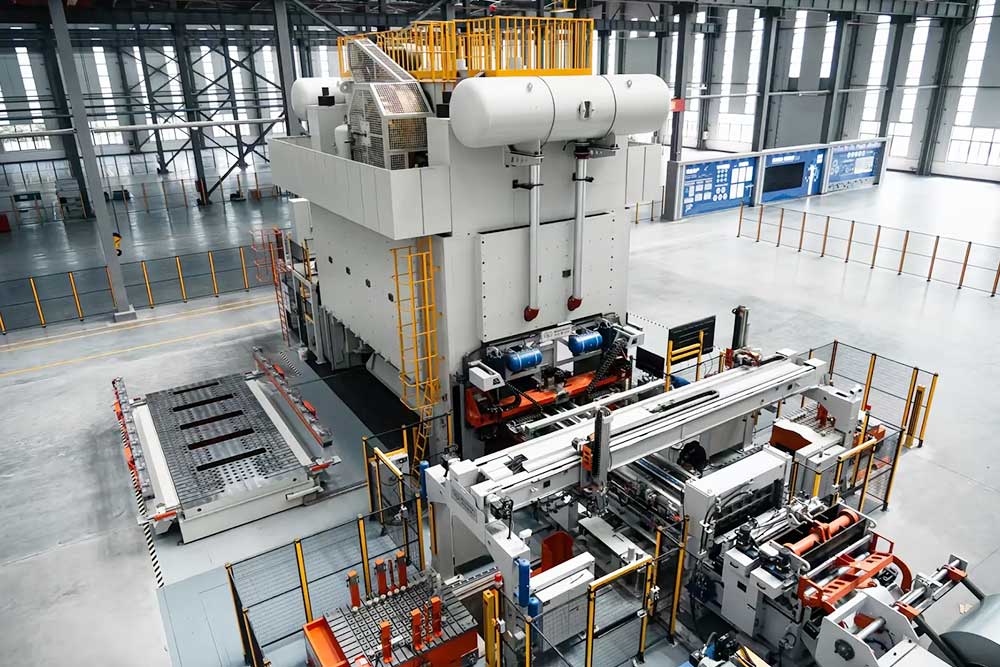
En el panorama manufacturero altamente competitivo de hoy, procesamiento de metales personalizado se ha convertido en un punto de inflexión. Las empresas no sólo necesitan piezas de alta calidad sino también flexibilidad, precisión y tiempos de respuesta rápidos. Desde componentes aeroespaciales hasta maquinaria industrial, la demanda de soluciones metálicas personalizadas está creciendo rápidamente. Según un informe de 2025 de MercadosyMercados, se prevé que el mercado mundial de fabricación de piezas metálicas de precisión alcance los 1.000 millones de 4T120 para 2030, impulsado por la creciente adopción de tecnologías de fabricación de metales automatizadas y personalizadas.
Ya sea estampado, mecanizado CNC o forjado, comprender las ventajas del procesamiento personalizado de metales ayuda a los fabricantes a reducir costos, mejorar la calidad del producto y seguir siendo competitivos. En esta guía completa, analizaremos los beneficios, métodos, estándares de la industria y conocimientos prácticos clave para ayudar a los fabricantes a optimizar su estrategia de producción.
¿qué es el procesamiento personalizado de metales?
Procesamiento personalizado de metales se refiere a servicios de metalurgia adaptados a requisitos funcionales y de diseño específicos. A diferencia de los componentes estándar disponibles en el mercado, las piezas metálicas personalizadas están diseñadas según especificaciones precisas, lo que garantiza un mejor rendimiento y confiabilidad estructural.
Conceptos clave en el procesamiento personalizado de metales
- Fabricación a medida: Las piezas se fabrican de acuerdo con las especificaciones del cliente, incluido el tamaño, el material, el acabado superficial y los requisitos funcionales.
- Técnicas diversas: Incluye estampado, doblado de chapa, mecanizado CNC, soldadura fuerte, forjado, fundición y procesamiento de resortes.
- Aplicaciones industriales: Comúnmente utilizado en maquinaria aeroespacial, automotriz, electrónica, bienes de consumo e industrial.
Por qué los fabricantes invierten en el procesamiento personalizado de metales
- Precisión y precisión: Las tolerancias pueden ser tan estrictas como ±0,01 mm en componentes mecanizados CNC.
- Flexibilidad: Se pueden realizar prototipos en lotes pequeños o producción a gran escala.
- Aseguramiento de la calidad: La inspección continua garantiza que las piezas cumplan o superen los estándares del cliente.
- Eficiencia de costos: Reduce el desperdicio de material y los errores de montaje mediante procesos optimizados.
Beneficios principales del procesamiento personalizado de metales
Mejora de la calidad y confiabilidad del producto
Procesamiento personalizado de metales asegura calidad constante desde las materias primas hasta los productos finales. Cada etapa puede ser monitoreada utilizando estrictas medidas de control de calidad.
- Selecția materialului: Se utilizan habitualmente aleaciones de aluminio, acero inoxidable, acero al carbono, cobre y níquel. Las aleaciones especiales permiten optimizar el rendimiento para aplicaciones de alto estrés.
- Métodos de inspección: Incluya medición dimensional con CMM, inspección de superficies en busca de rebabas o defectos de acabado y pruebas funcionales en condiciones simuladas.
- Cumplimiento de estándares: Las normas ISO 9001, ASTM y EN 10025 garantizan la calidad de los materiales, las estructuras y los procesos.
Estudio de caso: Un fabricante de componentes aeroespaciales que produce soportes de motor para turbinas a reacción redujo las tasas de defectos en 35% utilizando mecanizado CNC combinado con inspección final CMM, asegurando que los componentes cumplieran con estrictas tolerancias y requisitos de certificación.
Mayor eficiencia de fabricación
La eficiencia es una ventaja significativa del procesamiento personalizado de metales:
- Integración de automatización: Las máquinas CNC modernas, el estampado automatizado y el corte por láser reducen los errores humanos y el tiempo de producción.
- Optimizarea materialului: Procesos como el doblado de chapa y el estampado de precisión minimizan el material de desecho.
- Racionalización del flujo de trabajo: La combinación de múltiples procesos, como la fundición seguida del mecanizado y la soldadura fuerte, reduce el tiempo de inactividad y acelera la entrega.
Perspectiva de datos: Según Semana de la Industria, las empresas que integran la fabricación de metales personalizados multiproceso pueden reducir el tiempo promedio de producción en 20-30%.
Flexibilidad para diseños complejos
El procesamiento personalizado de metales puede adaptarse a geometrías de piezas complejas, tolerancias estrictas y requisitos de alta resistencia.
- Soldadura fuerte: Cree juntas fuertes y precisas para componentes estructurales.
- Forjando: Adecuado para piezas de alto impacto o portantes que requieren propiedades mecánicas mejoradas.
- Procesamiento de primavera: Los resortes de compresión, torsión y extensión personalizados garantizan una funcionalidad mecánica personalizada.
Ejemplo: Un fabricante de robótica necesitaba resortes de torsión compactos con especificaciones de torsión exactas. El procesamiento de resortes personalizado permitió la producción de prototipos con una desviación de ±0,5%, que cumplieran con los estándares de prueba funcional.
Ahorro de costos mediante la optimización de procesos
Si bien las piezas metálicas personalizadas pueden tener un costo unitario más alto para lotes pequeños, sí lo tienen reducir los costos operativos a largo plazo:
- Residuos minimizados debido a la optimización del corte y la utilización del material.
- Menores costos de ensamblaje a través de componentes prefabricados y listos para ensamblar.
- Reducción de los costos de mantenimiento ya que las piezas de precisión duran más y se ajustan con precisión.
Métodos de procesamiento de metales personalizados
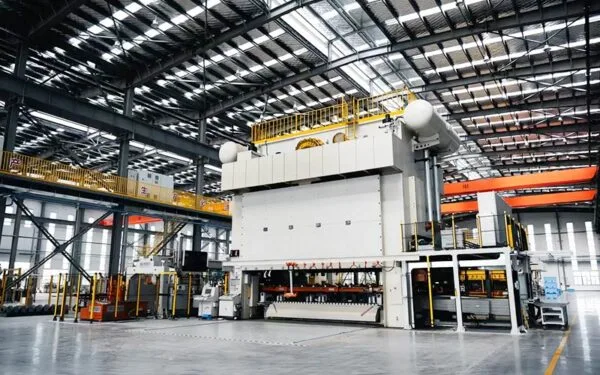
Estampación
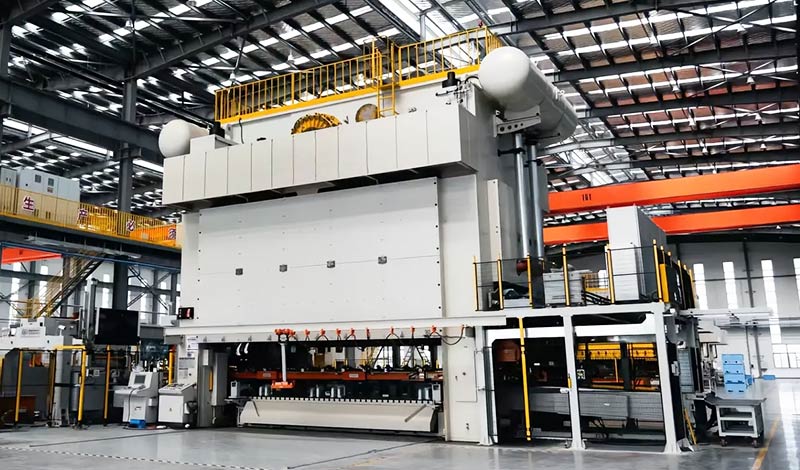
- Técnica de alta eficiencia para componentes de precisión.
- Ideal tanto para creación de prototipos como para producción en masa.
- Reduce el desperdicio de material mediante un diseño optimizado de troqueles.
Doblado de chapa
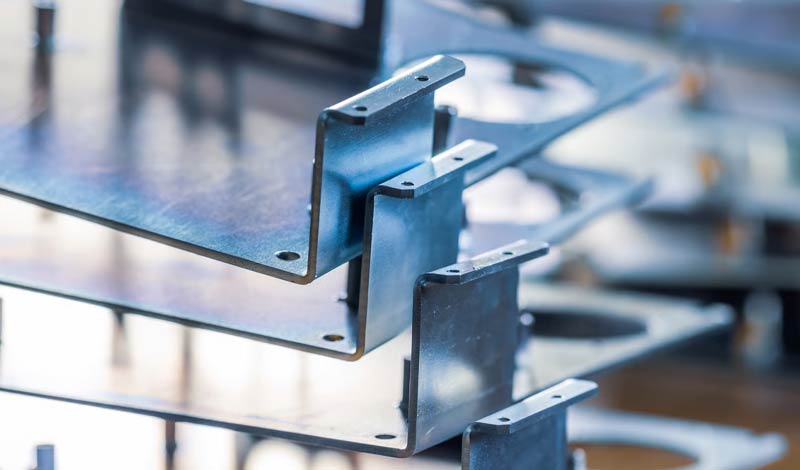
- Permite doblar, formar y perforar con precisión estructuras de chapa.
- Garantiza dimensiones consistentes e integridad estructural.
Casting
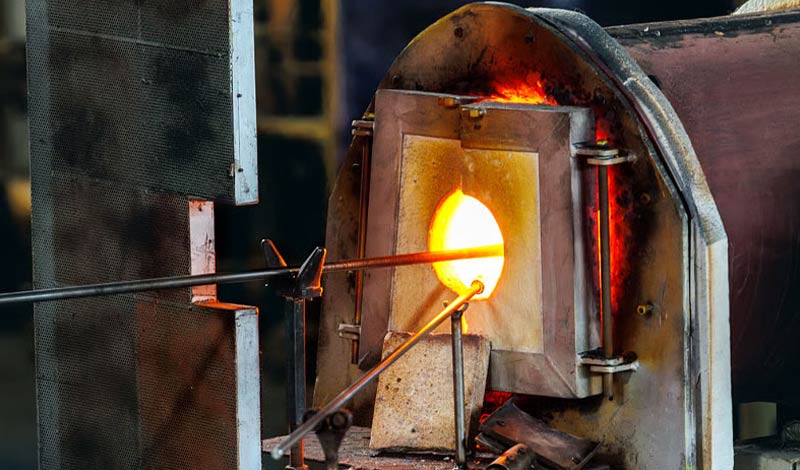
- Adecuado para componentes estructuralmente complejos y portantes.
- Proporciona propiedades consistentes del material y reduce los requisitos de mecanizado.
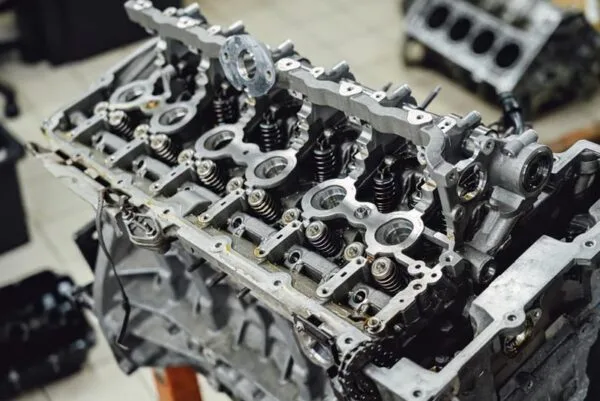
Mecanizado CNC
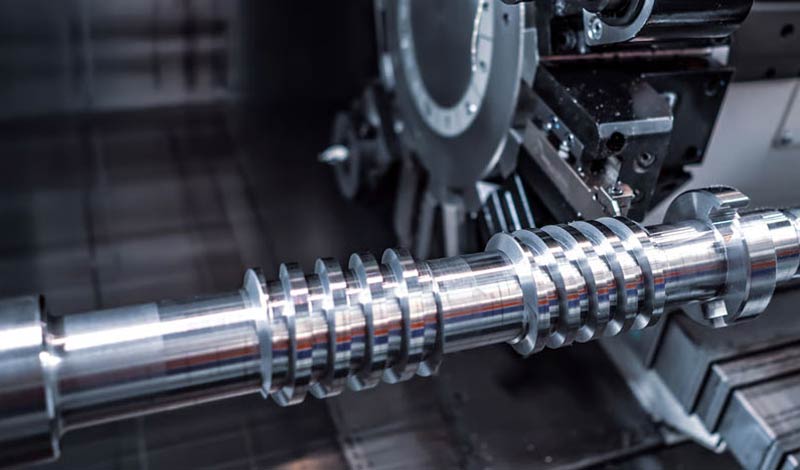
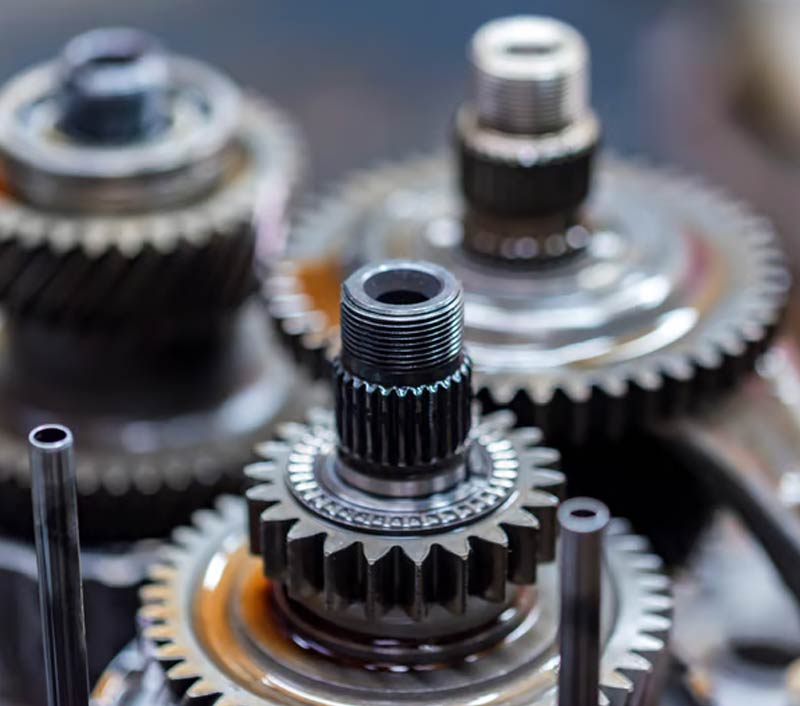
- Ofrece alta precisión y acabado superficial.
- Esencial para aplicaciones aeroespaciales, de dispositivos médicos y automotrices.
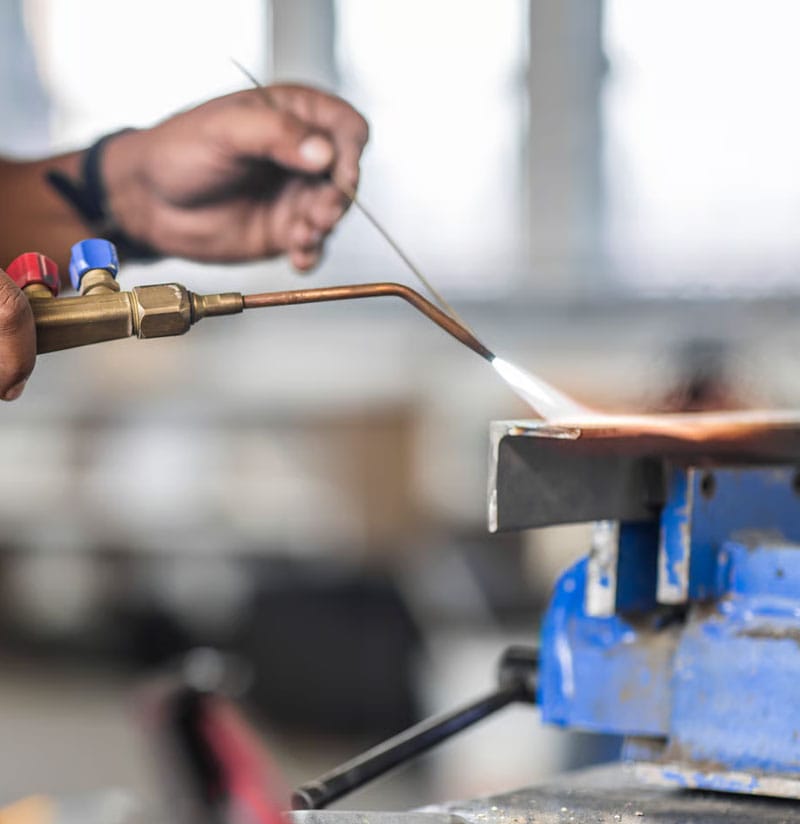
Soldadura
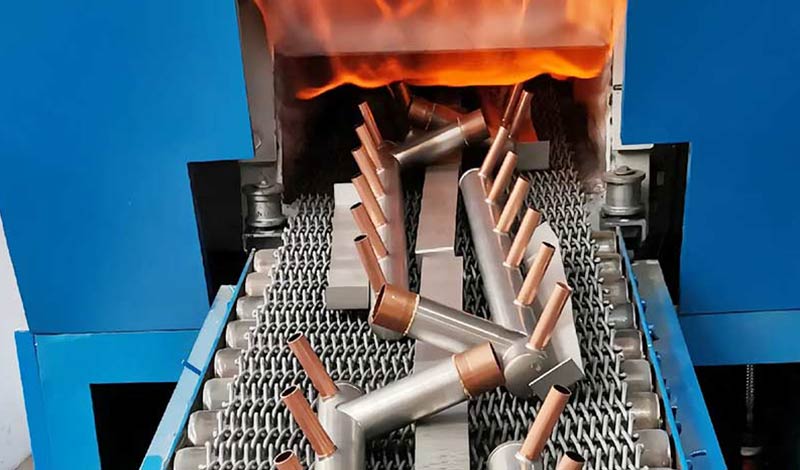
- Unión fuerte y limpia de metales, particularmente para conjuntos con aleaciones mixtas.
- Soporta geometrías complejas sin comprometer la integridad estructural.
Forja
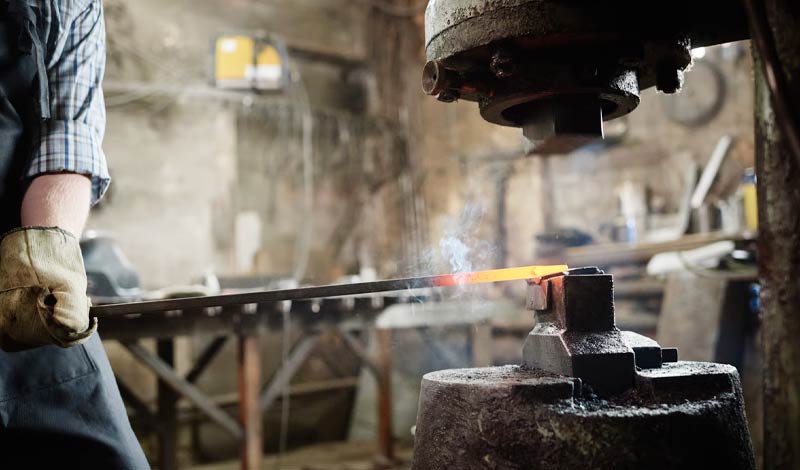
- Produce piezas de alta resistencia y resistentes a impactos.
- Adecuado para maquinaria industrial, componentes de propulsión de automóviles y herramientas de alta resistencia.
Procesamiento de primavera
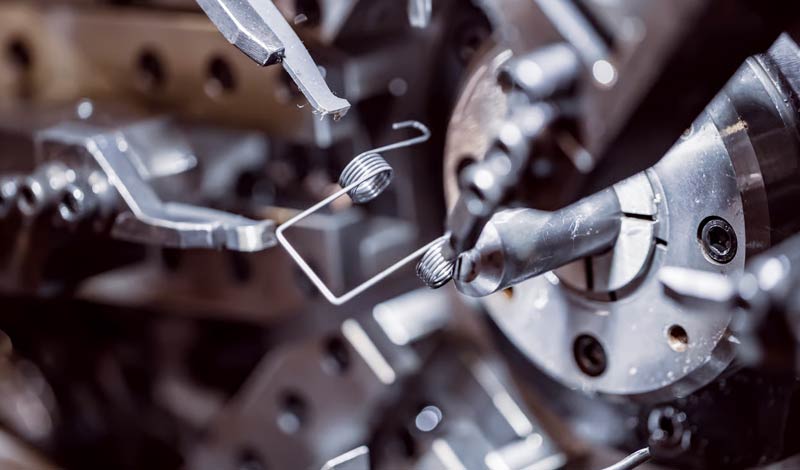
- Fabricación personalizada de resortes de compresión, extensión y torsión.
- Garantiza propiedades mecánicas precisas para maquinaria especializada.
Comparación del procesamiento de metales personalizado con piezas estándar
Flexibilidad
El procesamiento personalizado se adapta a nuevos diseños y necesidades rápidas de creación de prototipos, mientras que las piezas estándar a menudo requieren compromisos en diseño o ajuste.
Consideraciones de costos
| Característica | Procesamiento personalizado de metales | Producción en masa estándar |
|---|---|---|
| Flexibilidad de diseño | Alto ñame confeccionado | Diseños fijos bajos ñonas |
| Tolerancias | Tenso (±0,01 mm) | Moderado (±0,1-0,5 mm) |
| Opciones de materiales | Amplias aleaciones especiales incluidas | Metales comunes limitados |
| Plazo de entrega | 1-4 semanas para prototipos | Más largo para tamaños específicos |
| Volumen | Lote pequeño a grande | Se prefiere lote grande |
| Costo | Más alto para tiradas pequeñas | Inferior por unidad a granel |
Control de Calidad en el Procesamiento Personalizado de
El control de calidad es fundamental para el mantenimiento integridad y cumplimiento de la pieza:
- Verificaciones de materiales entrantes: Verificar composición química y propiedades mecánicas.
- Inspecție dimensională: Herramientas como calibradores, micrómetros y CMM garantizan que se cumplan las tolerancias.
- Inspección de superficies y acabados: Detecte rebabas, rayones o problemas de recubrimiento.
- Monitorizarea procesului: Los controles periódicos durante la flexión, el estampado o el mecanizado garantizan una calidad constante.
- Inspecție finală: Incluye pruebas de ensamblaje, pruebas de carga y verificación de embalaje.
Standard de industrie: ISO 9001:2015 y ASTM F2921 proporcionan pautas para el control de procesos y pruebas de materiales, garantizando una calidad repetible.
Aplicaciones y estudios de casos industriales
Automotor
- Las piezas metálicas personalizadas, como los componentes del chasis y los soportes del motor, requieren precisión y alta resistencia.
- Ejemplo: un proveedor de automóviles de primer nivel utilizó estampado personalizado y mecanizado CNC para reducir el peso del conjunto del chasis en 15%, mejorando la eficiencia del combustible.
Aeroespacial
- Los soportes del motor, los componentes de la turbina y el tren de aterrizaje requieren tolerancias estrictas y materiales certificados.
- El mecanizado y fundición CNC garantizan el rendimiento bajo tensiones y temperaturas extremas.
Maquinaria Industrial
- Los marcos, engranajes y ejes estructurales se producen mediante forja y mecanizado para mayor durabilidad.
- Ejemplo: un fabricante de robots industriales se basó en el procesamiento personalizado de metales para lograr una precisión de ±0,02 mm para los conjuntos de engranajes.
Electrónica de consumo
- Los componentes metálicos pequeños requieren estampado, doblado y acabado superficial para dispositivos compactos.
- El procesamiento personalizado garantiza ajuste, apariencia y función mecánica.
Conclusión
Procesamiento personalizado de metales proporciona a los fabricantes precisión, flexibilidad y control de calidad fundamental para la producción moderna. Ya sea que produzca soportes aeroespaciales, piezas de automóviles o componentes de maquinaria industrial, aprovechar las técnicas adecuadas de procesamiento de metales personalizados garantiza un rendimiento óptimo, menores costos a largo plazo y el cumplimiento de los estándares internacionales. Comprender los beneficios y métodos permite a los fabricantes seguir siendo competitivos en el panorama industrial en rápida evolución actual.
Preguntas frecuentes
De qué industrias se benefician más procesamiento de metales personalizado?
La automoción, la aeroespacial, la electrónica, la maquinaria industrial y los bienes de consumo dependen de piezas personalizadas para mayor durabilidad, precisión y rendimiento optimizado.
¿Cómo elijo el método de procesamiento correcto?
Considere la complejidad de las piezas, el tipo de material, las necesidades de carga y el volumen. Los proveedores experimentados en procesamiento de metales pueden recomendar soluciones óptimas.
¿Puede el procesamiento personalizado de metales manejar pedidos de lotes pequeños?
Sí. Muchos fabricantes ofrecen producción flexible, desde prototipos hasta tiradas de gran volumen.
¿Qué materiales se utilizan habitualmente?
Se utilizan ampliamente aleaciones de aluminio, acero inoxidable, acero al carbono, cobre y níquel. Hay aleaciones especiales disponibles para aplicaciones de alto estrés.
¿Cuánto tiempo suele tardar la producción?
El estampado o doblado simple puede llevar días; El mecanizado, la fundición o la forja complejos pueden tardar varias semanas, según la complejidad y el tamaño del lote.