
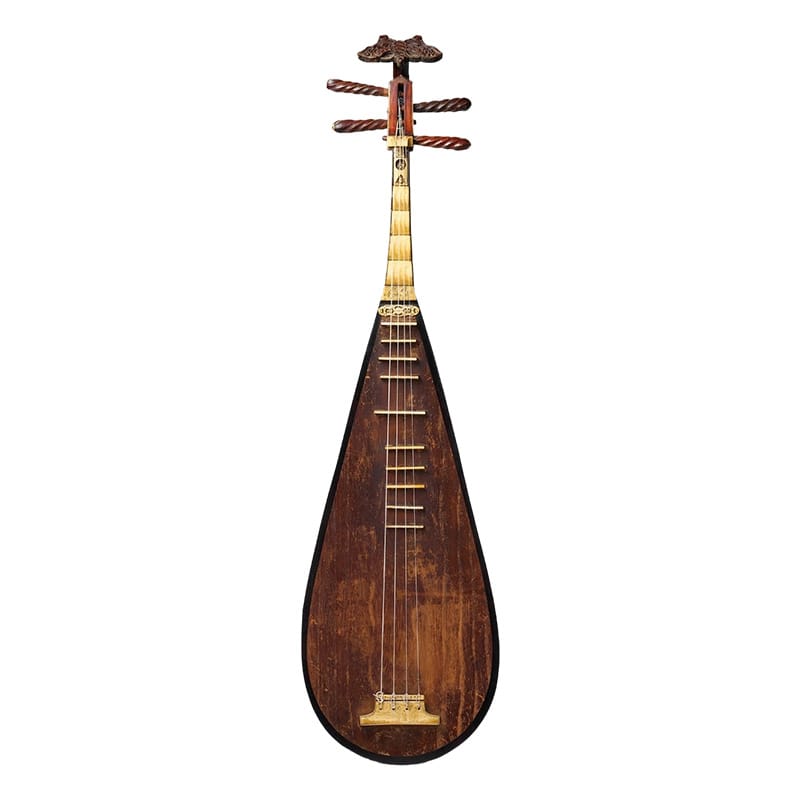
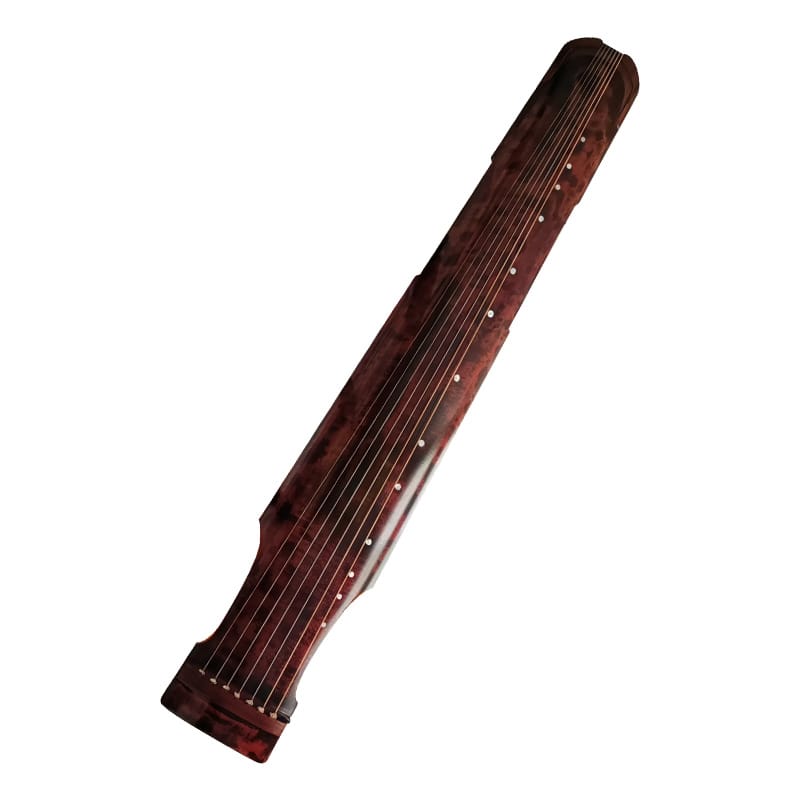
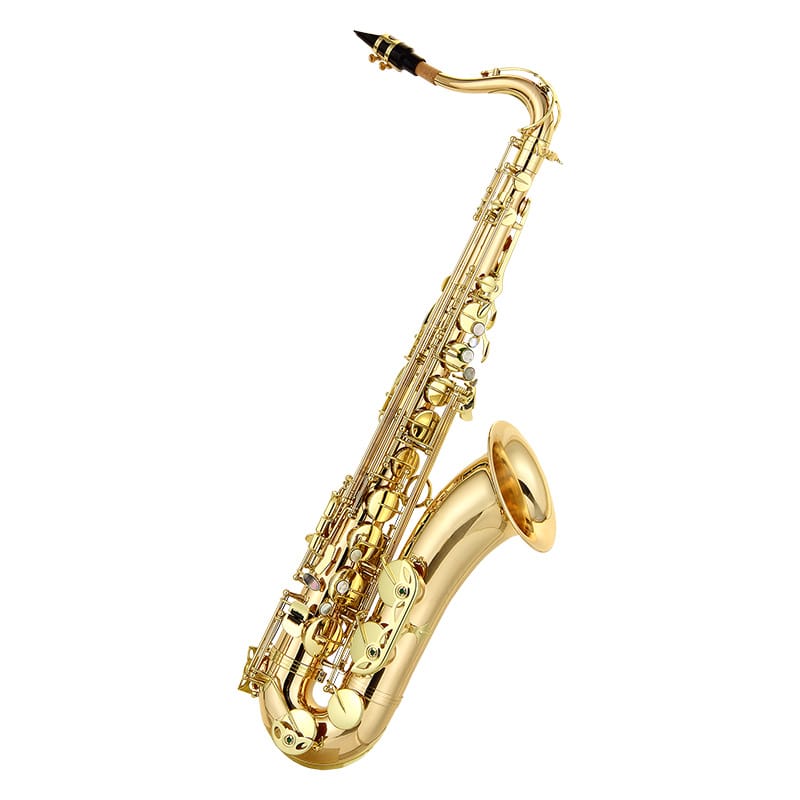
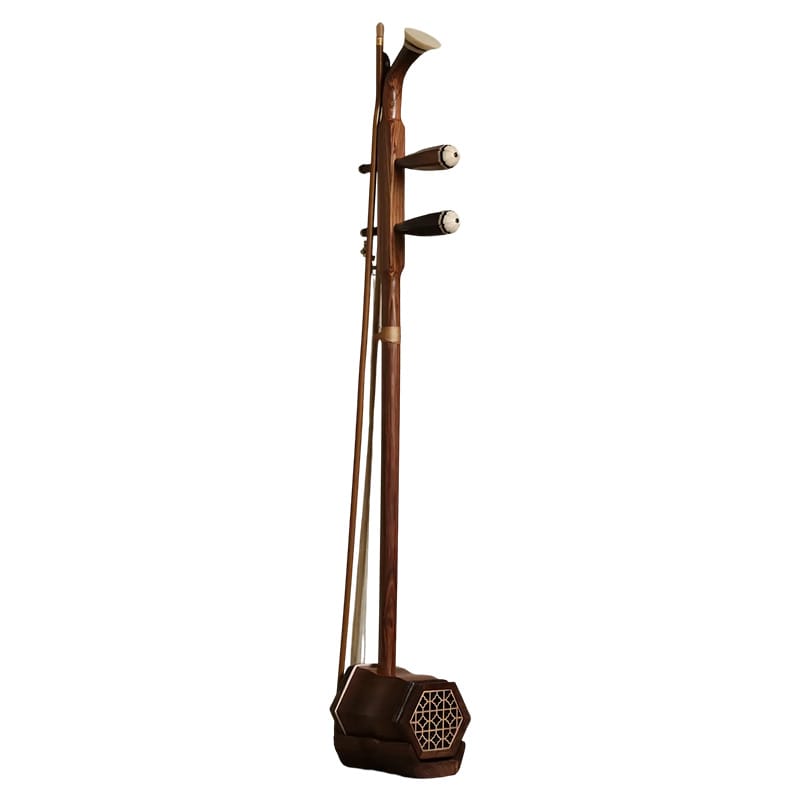
Los instrumentos musicales son una mezcla de arte e industria, que combina estampado de metales/formación de chapa, mecanizado de precisión y afinación acústica. Su función principal es producir sonidos de frecuencias específicas a través de vibraciones, transmitiendo expresión musical.
Instrumentos musicales son una combinación única de arte e ingeniería de precisión, que integra estampado de metales, conformado de chapa, mecanizado de precisión y sintonización acústica. Su función principal es generar sonido en frecuencias específicas a través de vibraciones, permitiendo actuaciones expresivas en entornos profesionales, educación musical y entretenimiento en el hogar.
Los componentes estructurales centrales de los instrumentos de metal, los instrumentos de percusión y los instrumentos musicales electrónicos se fabrican en gran medida mediante procesos de estampado de metal y chapa. Estos componentes garantizan estabilidad estructural, excelente rendimiento acústico y atractivo estético. Se admite la personalización no estándar de dimensión completa, lo que permite ajustes de tamaño, diseño y propiedades acústicas de acuerdo con los requisitos del cliente.
Selección de Materiales y Pretratamiento: Los metales se seleccionan en función del tipo de instrumento (p. ej., latón para instrumentos de metal, acero laminado en frío para casquillos de tambor) y se tratan para desengrasar y prevenir la oxidación.
Corte preciso: Las máquinas de corte o corte por láser CNC controlan la tolerancia del tamaño de la hoja a ±0,1 mm, formando la base para los componentes centrales como tubos de resonancia, casquillos de tambor y bocas de campana.
Formando estampado: Las máquinas estampadoras CNC con moldes personalizados producen piezas de precisión, como boquillas, soportes para llaves y cuerpos de válvulas, manteniendo tolerancias ≤0,02 mm para un montaje hermético.
Dibujo profundo: El dibujo profundo de varias etapas da forma a componentes curvos como bocas de campana y carcasas de pastillas, lo que garantiza un espesor de pared uniforme (≤0,03 mm) para una vibración acústica constante.
Estampación Auxiliar: Los procesos que incluyen punzonado, recorte y brida refinan los bordes, previenen rayones y mejoran la calidad de la vibración, por ejemplo, pulir láminas de platillos después del estampado.
Doblado de precisión: Las máquinas dobladoras CNC doblan tubos de resonancia, casquillos de tambor y cuerpos de instrumentos con una tolerancia de ángulo de ±0,5°, lo que garantiza un flujo de aire suave y una producción de sonido constante.
Soldadura y Refuerzo: El arco de argón o la soldadura láser producen soldaduras suaves y sin poros; Las nervaduras de refuerzo estampadas mejoran la estabilidad estructural, como en soportes de instrumentos y soportes de montaje.
Prevención de oxidación y corrosión: El revestimiento de zinc, niquelado o recubrimiento electroforético resiste la humedad y las condiciones exteriores, adecuado para ambientes escénicos y de actuación.
Acabado Estético: Los instrumentos de latón se cepillan y pulen para lograr un brillo metálico; Las guitarras eléctricas utilizan recubrimiento en polvo electrostático o anodizado, equilibrando el atractivo visual y la durabilidad.
Optimización acústica: El enfriamiento y templado de componentes seleccionados, como placas de platillos, ajusta la dureza del metal y la frecuencia de vibración para lograr un sonido estable y de alta calidad.
Montaje de precisión: Las piezas de chapa estampada se ensamblan con cuerdas, pastillas y pistones. El equipo de ensamblaje automatizado mejora la consistencia, mientras que las piezas móviles permanecen flexibles y sin atascos.
Sintonización acústica: Los técnicos ajustan el tono y el tono ajustando las holguras y sellan la integridad de los componentes estampados, garantizando una calidad de sonido de nivel profesional.
Inspección de calidad: Las pruebas visuales, dimensionales y acústicas garantizan que los instrumentos cumplan con los estándares de desempeño; Los componentes defectuosos se reelaboran para mantener la coherencia de la calidad.
Los equipos automatizados mejoran la eficiencia de producción y la precisión de los instrumentos musicales:
Las máquinas de estampado y alimentación totalmente automáticas permiten la producción en gran volumen de soportes para llaves y piezas en bruto para platillos.
Las máquinas de ensamblaje automatizadas aceleran el ensamblaje de componentes como válvulas, llaves y cuerdas.
Los sistemas de inspección visual garantizan la precisión dimensional de las piezas estampadas.
Este enfoque integrado satisface las demandas de pedidos extranjeros de gran volumen y al mismo tiempo mantiene una calidad acústica y estructural constante para cada instrumento musical.
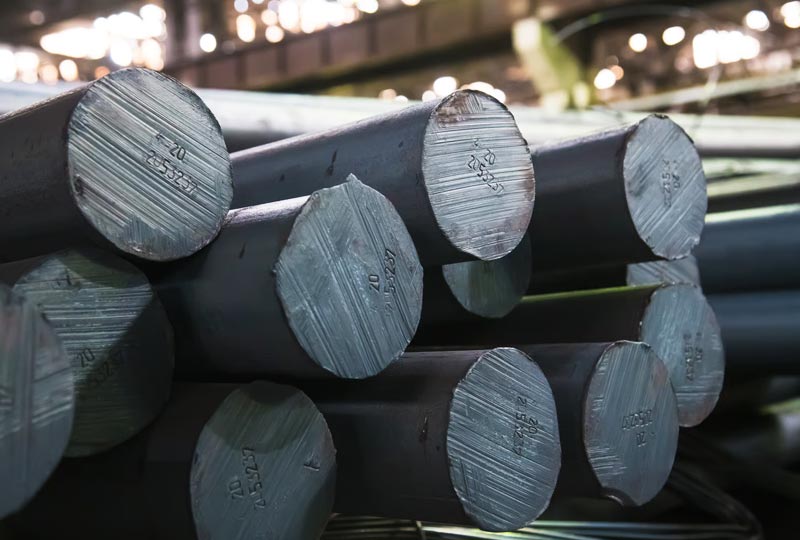
Acero al carbono, acero inoxidable, hierro, cobre, aluminio, aleaciones a base de níquel
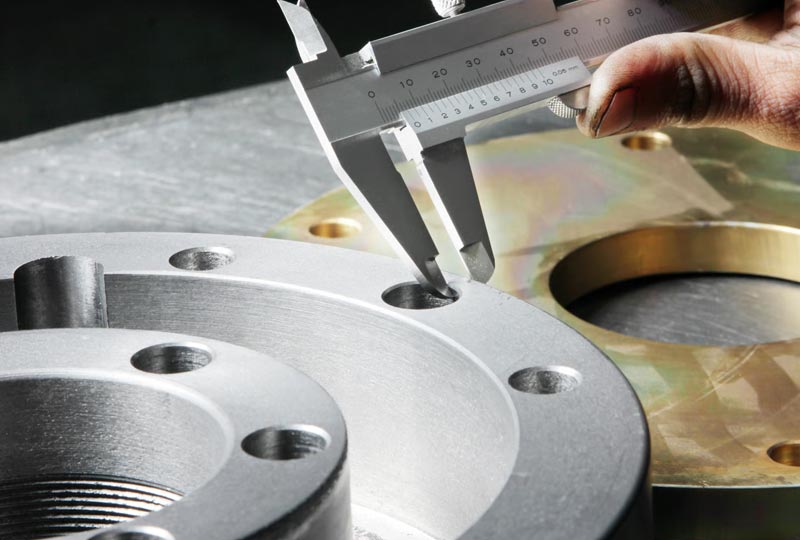
Tamaños, estructuras y requisitos de precisión personalizados basados en dibujos o muestras
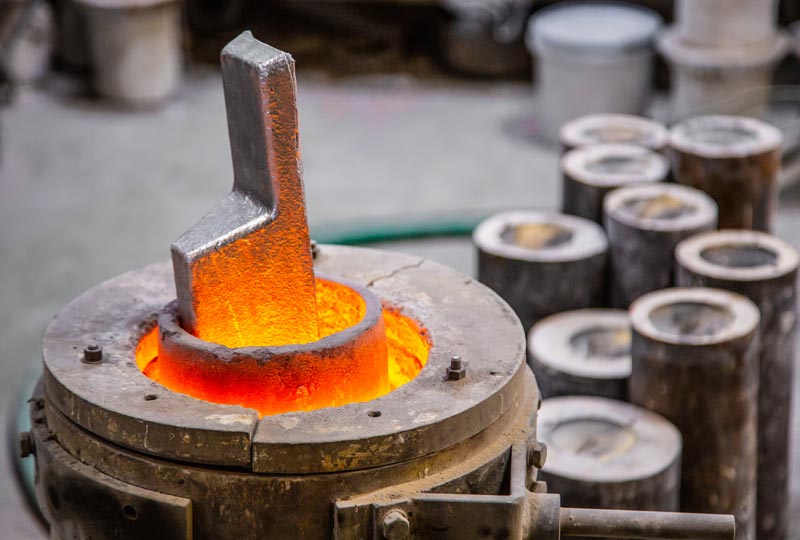
Estampado, doblado de chapa, fundición, forjado, mecanizado, fabricación de resortes, soldadura fuerte
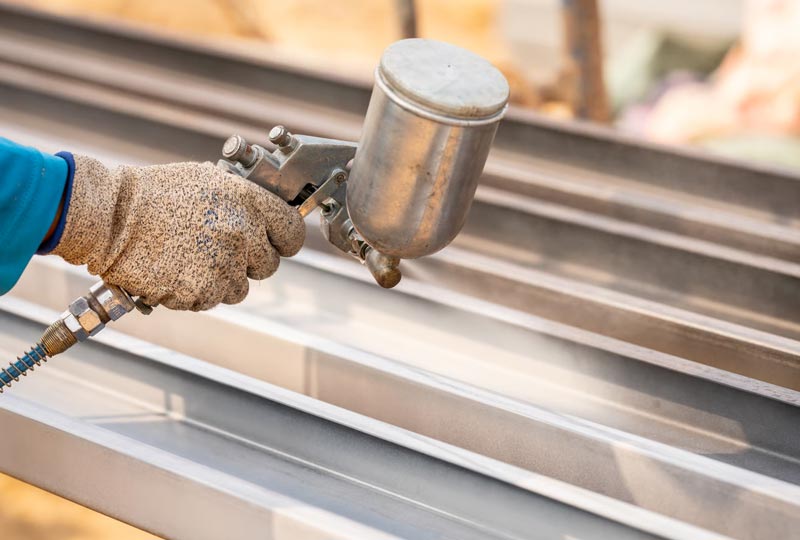
Galvanizado, recubrimiento en polvo, pintura, pulido, anodizado, enchapado
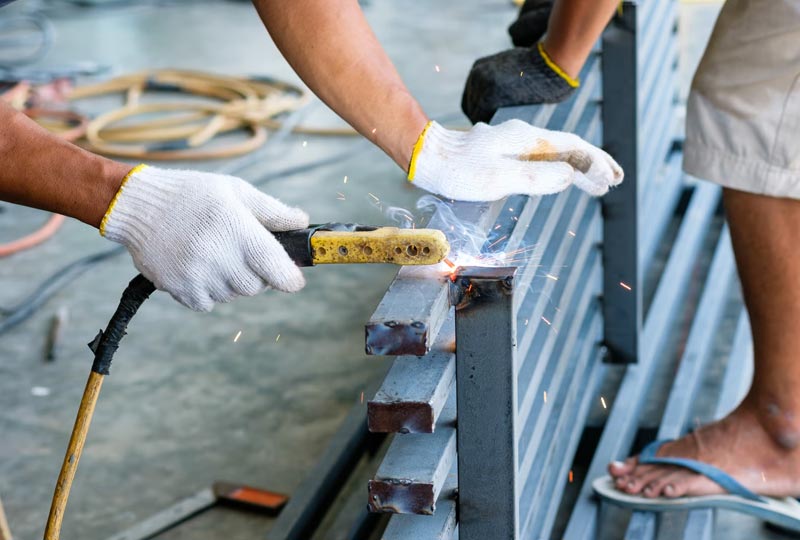
Formas personalizadas, montaje multiparte, integración funcional
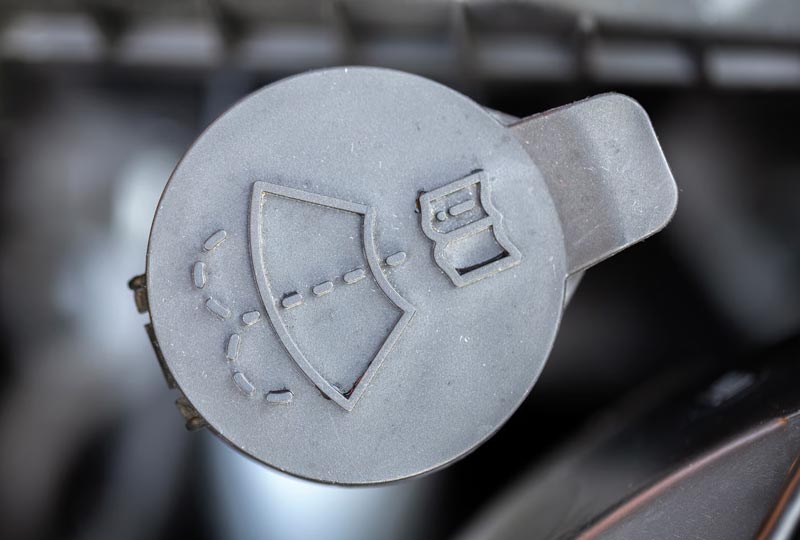
Marcado de logotipos, grabado de números de pieza, etiquetado privado
Nuestros productos metálicos y soluciones personalizadas se utilizan ampliamente en múltiples industrias y cumplen con diferentes requisitos operativos y de rendimiento.
Llevamos varios años trabajando con este equipo. Sus piezas metálicas muestran una excelente consistencia en todos los lotes y los calendarios de entrega son siempre confiables. La comunicación es fluida y el soporte técnico es profesional.