¡bienvenidos a Mi Blog!
¡estoy encantado de tenerte aquí! Antes de sumergirnos en el contenido, me encantaría que te unieras a mí en mis plataformas de redes sociales. Es donde comparto ideas adicionales, me conecto con nuestra increíble comunidad y te mantengo actualizado sobre las últimas noticias. Así es como puedes mantenerte conectado:
📘 Facebook: Lina Metal
<PREC YouTube: Canal de metal Lina «ver tutoriales, demostraciones y guías detalladas
¡Ahora embarquémonos juntos en este viaje! Espero que el contenido aquí no sólo te resulte revelador sino también inspirador y valioso. ¡Empezemos!
Tabla de contenidos
Conclusiones clave
- La fabricación personalizada de chapa metálica permite a los fabricantes producir piezas adaptadas a dimensiones, materiales y requisitos de rendimiento específicos.
- El socio de fabricación adecuado puede reducir los costos de producción y al mismo tiempo mejorar la calidad y consistencia del producto.
- El corte por láser, la flexión CNC, la soldadura y el acabado de superficies son los procesos centrales utilizados en la fabricación personalizada.
- La selección de materiales afecta directamente la durabilidad, el peso, la resistencia a la corrosión y los costos de fabricación.
- La optimización del diseño durante las primeras etapas puede acortar significativamente los plazos de entrega y minimizar el desperdicio de producción.
- Los compradores OEM deben evaluar a los proveedores en función de su capacidad de ingeniería, control de calidad, certificaciones y capacidad de producción.
Tabla de contenidos
- ¿qué es la fabricación de chapa metálica personalizada?
- Cómo funciona el proceso de fabricación de chapa metálica personalizada
- Materiales comunes utilizados
- Procesos de fabricación explicados
- Ventajas de la fabricación personalizada de chapa metálica
- Industrias que dependen de la fabricación personalizada
- Consideraciones de diseño antes de la fabricación
- Cómo elegir un fabricante confiable
- Factores de costos
- Comparación: piezas metálicas personalizadas y estándar
- Preguntas frecuentes
- Conclusión
¿qué es la fabricación de chapa metálica personalizada?
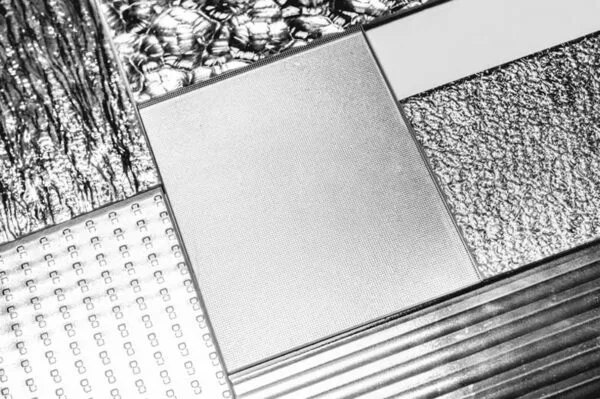
Fabricación personalizada de chapa es el proceso de transformar láminas metálicas planas en componentes diseñados con precisión y diseñados para cumplir con especificaciones únicas del proyecto. A diferencia de las piezas estándar disponibles en el mercado, la fabricación personalizada permite a los fabricantes producir componentes con dimensiones, tolerancias, patrones de orificios y acabados superficiales exactos necesarios para aplicaciones específicas.
La fabricación moderna combina maquinaria avanzada con experiencia en ingeniería para ofrecer una calidad repetible tanto para proyectos de prototipos como de producción en masa. Esta flexibilidad hace que la fabricación personalizada sea una solución preferida para los fabricantes OEM en una amplia gama de industrias.
Cómo funciona el proceso de fabricación de chapa metálica personalizada
Aunque cada proyecto tiene requisitos únicos, el flujo de trabajo de fabricación generalmente sigue varias etapas clave.
Diseño de producto
Los ingenieros crean dibujos CAD y modelos 3D que definen dimensiones, tolerancias, ángulos de flexión y requisitos de ensamblaje. Las primeras revisiones de diseño ayudan a identificar oportunidades para simplificar la producción y reducir costos.
Selección de materiales
El metal apropiado se selecciona según su resistencia, resistencia a la corrosión, peso, apariencia y entorno de aplicación.
Corte
El corte por láser, el corte por plasma o el corte por chorro de agua dan forma a las láminas de metal en bruto en espacios en blanco precisos antes de formarlas.
Formando
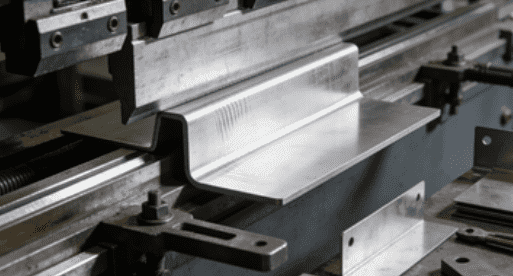
Los plegadores CNC doblan con precisión el metal en la geometría requerida manteniendo tolerancias estrictas.
Soldadura y montaje
Dependiendo de la complejidad del producto, la soldadura TIG, la soldadura MIG, la soldadura por puntos o la soldadura robótica unen múltiples componentes en conjuntos terminados.
Acabado de superficies
Los procesos de acabado mejoran la apariencia y la durabilidad mediante recubrimiento en polvo, anodizado, pulido, galvanizado o pintura.
Inspección
Los componentes terminados se someten a inspección dimensional, pruebas funcionales y verificación de calidad antes del envío.
Materiales comunes utilizados en la fabricación personalizada de chapa metálica
| Material | Principales ventajas | Aplicaciones típicas |
|---|---|---|
| Acero inoxidable | Resistencia a la corrosión, resistencia | Equipos médicos, procesamiento de alimentos, maquinaria |
| Acero al carbono | Rentable, de alta resistencia | Equipos industriales, construcción |
| Aluminio | Ligero, resistente a la corrosión | Automoción, aeroespacial, electrónica |
| Cobre | Excelente conductividad eléctrica | Carcasas eléctricas, conectores |
| Latón | Aspecto decorativo, maquinabilidad | Herrajes arquitectónicos, herrajes |
Procesos de fabricación utilizados
Corte por láser
El corte por láser ofrece una precisión excepcional con bordes lisos, lo que lo hace ideal para perfiles complejos y producción de gran volumen.
Doblado CNC
Las plegadoras controladas por computadora crean curvas precisas al tiempo que garantizan una repetibilidad constante en todos los lotes de producción.
Soldadura
Se seleccionan diferentes técnicas de soldadura según el tipo de material, el espesor y los requisitos estructurales.
Mecanizado CNC
El mecanizado secundario produce orificios roscados, superficies de precisión y características complejas que no se pueden lograr únicamente mediante el conformado de chapa metálica.
Tratamiento superficial
Los recubrimientos protectores prolongan la vida útil del producto y mejoran la resistencia a la corrosión y la apariencia visual.
Ventajas de la fabricación personalizada de chapa metálica
Flexibilidad de diseño
Los fabricantes pueden producir formas, dimensiones y configuraciones casi ilimitadas sin depender de componentes estándar.
Alta precisión
Los equipos CNC modernos logran consistentemente las estrictas tolerancias requeridas por las aplicaciones industriales y OEM.
Costo Eficiencia
Los diseños optimizados reducen el desperdicio de material y los costos de ensamblaje, especialmente en la producción de volumen medio y alto.
Escalabilidad
El mismo diseño puede pasar eficientemente del desarrollo de prototipos a la fabricación a gran escala.
Opciones de materiales
Los clientes pueden elegir entre una amplia gama de metales para equilibrar el rendimiento, la durabilidad y el presupuesto.
Industrias que utilizan fabricación personalizada de chapa metálica
La fabricación personalizada de chapa metálica presta servicios a numerosas industrias, entre ellas:
- Maquinaria industrial
- Fabricación de automóviles
- Componentes aeroespaciales
- Dispositivos médicos
- Cerramientos eléctricos
- Sistemas de energías renovables
- Equipos de telecomunicaciones
- Herrajes de construcción
- Maquinaria agrícola
- Electrónica de consumo
Consideraciones de diseño antes de la fabricación
Elija el espesor del material adecuado
Seleccionar el espesor correcto garantiza la integridad estructural al tiempo que controla los costos de fabricación.
Minimizar curvas complejas
Reducir las curvas innecesarias simplifica la producción y mejora la consistencia dimensional.
Estandarizar los tamaños de los orificios
El uso de herramientas estándar reduce el tiempo de mecanizado y los gastos de producción.
Permitir un radio de curvatura adecuado
Los radios de curvatura adecuados ayudan a prevenir grietas y mejorar la calidad de las piezas.
Considere los requisitos de montaje
Diseñar componentes para un fácil montaje puede reducir significativamente los costos de mano de obra.
Cómo elegir un fabricante confiable de fabricación de chapa metálica personalizada
Al evaluar proveedores, considere los siguientes criterios:
- Soporte de ingeniería
- Experiencia en fabricación
- Gestión de calidad certificada ISO
- Echipament CNC avansat
- Trazabilidad material
- Capacidades de inspección
- Servicios de prototipos
- Capacidad de producción
- Experiencia en envío internacional
- Comunicación técnica responsiva
Un fabricante que ofrece asistencia en el diseño antes de la producción a menudo ayuda a los clientes a reducir los costos generales del proyecto y acortar los plazos de entrega.
¿qué factores afectan los costos de fabricación de chapa metálica personalizada?
Varias variables influyen en los precios de los proyectos.
| Factor de costo | Impacto |
|---|---|
| Tipo de material | El acero inoxidable y el aluminio suelen costar más que el acero al carbono. |
| Espesor del material | Los materiales más gruesos requieren más tiempo de procesamiento. |
| Complejidad de partes | Las curvaturas, soldaduras y mecanizados adicionales aumentan la mano de obra. |
| Acabado superficial | Los recubrimientos especializados añaden costos de procesamiento. |
| Cantidad de pedido | Los volúmenes más altos suelen reducir los precios unitarios. |
| Requisitos de tolerancia | Las tolerancias estrictas requieren inspección adicional y mecanizado de precisión. |
Fabricación de chapa metálica personalizada frente a piezas metálicas estándar
| Característica | Fabricación personalizada | Piezas estándar |
|---|---|---|
| Flexibilidad de diseño | Excelente | Limitado |
| Costo de producción | Optimizado para proyecto | Fijo |
| Rendimiento | Específico de la aplicación | Propósito general |
| Plazo de entrega | Moderado | Inmediato |
| Escalabilidad | Excelente | Personalización limitada |
Conclusión
La fabricación personalizada de chapa metálica brinda a los fabricantes la flexibilidad de producir componentes de alta calidad adaptados a aplicaciones específicas. Al combinar tecnologías de fabricación avanzadas con una ingeniería bien pensada, las empresas pueden mejorar el rendimiento del producto, reducir los costos de fabricación y acelerar los programas de producción.
Ya sea que esté desarrollando un prototipo o planificando una producción OEM a gran escala, seleccionar un socio de fabricación experimentado con sólidas capacidades de ingeniería y un control de calidad confiable es esencial para el éxito a largo plazo.
Preguntas frecuentes
¿la fabricación de chapa personalizada es adecuada para la producción de bajo volumen?
Sí. Muchos fabricantes apoyan la producción de prototipos y de bajo volumen antes de pasar a la fabricación en masa.
¿qué material es mejor para aplicaciones en exteriores?
El acero inoxidable y el aluminio se seleccionan comúnmente debido a su excelente resistencia a la corrosión.
¿se pueden producir piezas complejas con tolerancias estrictas?
Los equipos de fabricación CNC modernos pueden lograr una alta precisión, dependiendo de los requisitos de material y diseño.
¿Qué formato de archivo debo proporcionar para la cotización?
La mayoría de los fabricantes aceptan archivos STEP, IGES, DWG, DXF o SolidWorks.
¿Cómo se pueden reducir los costes de fabricación?
Simplificar los diseños, minimizar las curvaturas innecesarias, estandarizar los tamaños de los orificios y seleccionar los materiales adecuados son formas efectivas de reducir los costos de producción.
¿la fabricación personalizada admite el acabado de superficies?
Sí. El recubrimiento en polvo, el anodizado, el pulido, el galvanizado y la pintura son opciones de acabado comunes.