¡bienvenidos a Mi Blog!
¡estoy encantado de tenerte aquí! Antes de sumergirnos en el contenido, me encantaría que te unieras a mí en mis plataformas de redes sociales. Es donde comparto ideas adicionales, me conecto con nuestra increíble comunidad y te mantengo actualizado sobre las últimas noticias. Así es como puedes mantenerte conectado:
📘 Facebook: Lina Metal
<PREC YouTube: Canal de metal Lina «ver tutoriales, demostraciones y guías detalladas
¡Ahora embarquémonos juntos en este viaje! Espero que el contenido aquí no sólo te resulte revelador sino también inspirador y valioso. ¡Empezemos!
Tabla de contenidos
Conclusiones clave
- El proceso de estampado de metales de construcción es un método de alta eficiencia para producir componentes estructurales
- Las piezas de construcción estampadas en metal se utilizan ampliamente en edificios, puentes y sistemas de infraestructura
- El estampado de precisión mejora la resistencia, la consistencia y la escalabilidad de la producción
- La selección de materiales afecta directamente a la durabilidad y al rendimiento de carga
- El estampado progresivo y el embutición profunda son técnicas de fabricación clave
- Los estándares de control de calidad garantizan la precisión dimensional y la confiabilidad estructural
Introducción
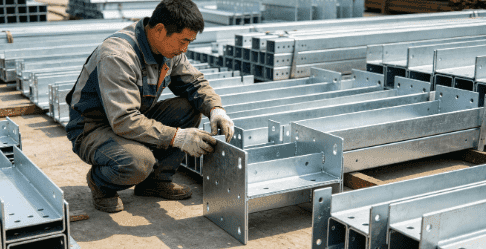
La demanda de alto rendimiento piezas de construcción estampadas en metal continúa creciendo a medida que los proyectos de construcción modernos requieren componentes más resistentes, livianos y rentables. Desde soportes estructurales hasta conectores de carga, las piezas metálicas estampadas son esenciales en infraestructuras y sistemas de construcción a gran escala.
El proceso de estampado de metales de construcción permite la producción en masa de componentes idénticos con alta precisión, lo que reduce el tiempo de fabricación y mejora la consistencia estructural.
Descripción general del proceso de estampado de metales para la
¿qué es el proceso de estampado de metales para la construcción?
El proceso de estampado de metales de construcción es un método de fabricación de conformado en frío que da forma a láminas de metal en geometrías específicas utilizando matrices de alta presión y prensas de estampado.
Concepto: Ingeniería de Deformación Plástica
El metal se remodela bajo una fuerza controlada sin fundirse, lo que permite una alineación de la estructura del grano que mejora la resistencia mecánica.
Este método se utiliza ampliamente para producir piezas de construcción estampadas en metal para aplicaciones estructurales, mecánicas y arquitectónicas.
Por qué son importantes las piezas de construcción con sellos metálicos
Los componentes estampados en metal proporcionan:
- Alta consistencia estructural
- Bajo costo de producción por unidad
- Excelente repetibilidad
- Capacidad de fabricación escalable
Estas ventajas los hacen esenciales en las cadenas de suministro de la construcción moderna.
Etapas del proceso de estampado de metales para la
Etapa 1: Selección de materiales
Concepto: Optimización de la propiedad material
La elección del material correcto garantiza que la pieza final cumpla con los requisitos de resistencia a la corrosión y al soporte de carga.
Los materiales comunes incluyen:
- Acero al carbono
- Acero inoxidable
- Aleaciones de aluminio
- Acero galvanizado
Cada material afecta el rendimiento de las piezas de construcción estampadas en metal en diferentes entornos.
Etapa 2: Diseño e Ingeniería de Troqueles
Concepto: Sistema de control de geometría de troque
Los troqueles determinan la forma final, la tolerancia y la precisión dimensional.
Las consideraciones clave incluyen:
- Liquidación del puñetazo
- Resistencia al desgaste del troquel
- Diseño de distribución de carga
Etapa 3: Operación de Estampación
La prensa de estampado aplica una fuerza controlada que oscila entre 20 y 800 toneladas, dependiendo de la complejidad de la pieza.
Procesele include:
- Blanqueo
- Doblado
- Golpeando
- Dibujo profundo
Etapa 4: Acabado y Tratamiento Superficial
Los tratamientos superficiales mejoran la resistencia a la corrosión y la durabilidad.
Acabados comunes:
- Galvanizado
- Recubrimiento en polvo
- Galvanoplastia
Tipos de piezas de construcción estampadas en metal
Soportes Estructurales
Se utiliza para distribución de carga y montaje de estructuras en edificios.
Deben mantener una alta relación resistencia-peso y una alineación dimensional precisa.
Placas de conexión
Concepto: Diseño de interfaz de transferencia de carga
Estos componentes transfieren fuerza entre elementos estructurales como vigas y columnas.
Son fundamentales para garantizar la estabilidad estructural en los sistemas constructivos.
Componentes de fijación
Incluye clips, abrazaderas y conectores de refuerzo utilizados en sistemas de construcción modulares.
Comparación: Estampado versus otros métodos de fabricación
| Método | Precisión | Costo Eficiencia | Velocidad de producción | Mejor caso de uso |
|---|---|---|---|---|
| Estampado de metales | Alto | Alto | Muy rápido | Piezas de producción en masa |
| Casting | Medio | Medio | Lento | Formas complejas |
| Mecanizado CNC | Muy alto | Bajo | Lento | Componentes personalizados |
| Fabricación de soldaduras | Medio | Medio | Medio | Conjuntos estructurales |
Las piezas de construcción estampadas en metal superan a otros métodos en entornos de fabricación de gran volumen.
Rendimiento de materiales en el proceso de estampado de metales para
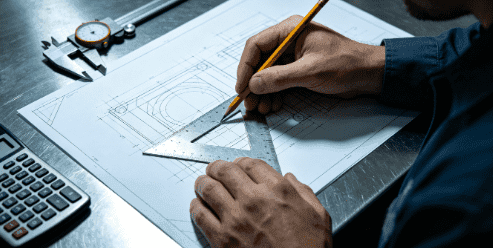
Aplicaciones del acero al carbono
Oferte de steel de carbon:
- Alta resistencia
- Rentabilidad
- Fácil formabilidad
Se utiliza ampliamente en componentes de construcción portantes.
Aplicaciones de acero inoxidable
Concepto: Ingeniería de Resistencia a la Corrosión
El acero inoxidable contiene cromo, que forma una capa pasiva que protege contra la oxidación.
Se utiliza en:
- Infraestructura costera
- Ambientes químicos
- Zonas de construcción de alta humedad
Aplicaciones de aleaciones de aluminio
El aluminio es liviano y resistente a la corrosión, lo que lo hace adecuado para sistemas de construcción modulares modernos.
Control de Calidad en Piezas de Construcción Estampadas Metálicas
Pruebas de precisión dimensional
Los niveles de tolerancia normalmente se mantienen dentro de ±0,1 mm para piezas estructurales de precisión.
Estándares de prueba de fuerza
Standarde comune include:
- Sistemas de calidad ISO 9001
- Directrices de pruebas estructurales ASTM
- ES cumplimiento de materiales de construcción
Concepto: Control Estadístico de Procesos (SPC)
SPC se utiliza para monitorear la consistencia de la producción y detectar desviaciones en tiempo real, garantizando una calidad de producción estable.
Aplicaciones de Piezas de Construcción Estampadas Metá
Estructuras constructivas
Utilizado en:
- Edificios con estructura de acero
- Sistemas de vivienda modulares
- Sistemas de muros cortina
Proyectos de infraestructura
Incluye:
- Puentes
- Sistemas ferroviarios
- Estructuras de soporte de carreteras
Construcción Industrial
Utilizado en:
- Fábricas
- Almacenes
- Plantas energéticas
Eficiencia manufacturera y tendencias industriales
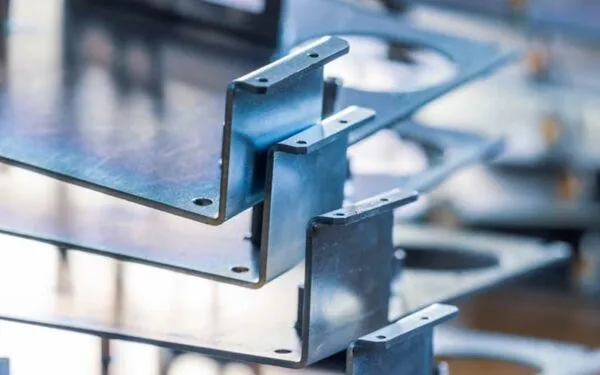
Automatización en Líneas de Estampación
Los sistemas de estampado modernos integran:
- Alimentación robótica
- Inspección de calidad basada en IA
- Ajuste automatizado de troqueles
Desarrollo de fabricación inteligente
Concepto: Sistemas de producción de gemelos digitales
Los modelos de simulación digital se utilizan para optimizar el diseño de matrices y predecir el comportamiento de producción antes de que comience la fabricación física.
Sostenibilidad en Estampado de Metales
Las tendencias de la industria incluyen:
- Optimización del reciclaje de materiales
- Prensas energéticamente eficientes
- Sistemas de reducción de residuos
Estructura de costos de Piezas de construcción estampadas en metal
Desglose de costos de producción
| Factor de costo | Porcentaje |
|---|---|
| Materias primas | 40% |
| Herramientas/matrices | 25% |
| Laboral | 15% |
| Consumo de energía | 10% |
| Control de calidad | 10% |
Concepto: Economías de escala
A medida que aumenta el volumen de producción, el costo unitario de las piezas de construcción estampadas en metal disminuye significativamente debido a la distribución fija de herramientas.
Conclusión
El proceso de estampado de metales de construcción desempeña un papel fundamental a la hora de producir productos fiables y rentables piezas de construcción estampadas en metal para infraestructura moderna. Con ingeniería avanzada de matrices, automatización y optimización de materiales, la tecnología de estampado continúa respaldando la eficiencia de la construcción a gran escala y la innovación estructural.
A medida que crece la demanda mundial de una construcción más rápida y sostenible, el estampado de metales sigue siendo una de las tecnologías de fabricación más esenciales de la industria.
Preguntas frecuentes
Qué son piezas de construcción estampadas en metal ¿usado para?
Se utilizan en sistemas estructurales, conectores, soportes y componentes portantes en proyectos de construcción.
¿es mejor estampar metales que soldar?
Para la producción en masa, el estampado es más eficiente y consistente, mientras que la soldadura es mejor para estructuras personalizadas.
¿qué tan fuertes son las piezas metálicas estampadas?
La resistencia depende del tipo de material y del proceso de estampado, pero puede igualar o superar los componentes soldados.
¿qué industrias utilizan el estampado de metales para la construcción
Sectores de construcción, infraestructura, automoción y manufactura industrial.
¿se pueden personalizar las piezas estampadas?
Sí, el diseño de troqueles permite una personalización completa de la forma, el grosor y las propiedades estructurales.