Welcome to My Blog!
I’m thrilled to have you here! Before we dive into the content, I’d love for you to join me on my social media platforms. It’s where I share extra insights, connect with our amazing community, and keep you updated on the latest news. Here’s how you can stay connected:
📘 Facebook: Lina Metal
▶️ YouTube: Lina Metal Channel – watch tutorials, demos, and in-depth guides
Now, let’s embark on this journey together! I hope you find the content here not only insightful but also inspiring and valuable. Let’s get started!
Table of Contents
Key Takeaways You’ll Learn
- What sheet metal fabrication is and why it matters for modern manufacturing
- Step‑by‑step breakdown of major sheet metal fabrication processes
- Material selection, cutting, forming, joining, assembly and finishing explained
- Comparison of fabrication methods and how to choose the right one
- Industry standards, technical data and real‑world case studies
- Advanced methods like automation, AI integration and sustainability practices
- FAQ answering common Google search questions
Introduction
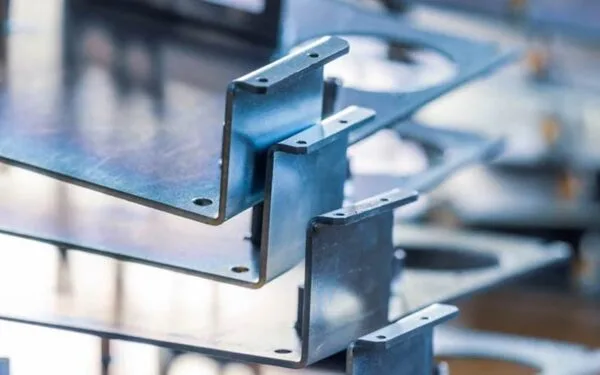
In today’s industrial landscape, sheet metal fabrication processes are foundational to producing high‑quality parts used in automotive, aerospace, energy, electronics, construction, and consumer goods. From prototypes to mass production, these processes determine product quality, cost efficiency, waste reduction, and compliance with global standards.
But what exactly goes into fabricating sheet metal? This guide explores every key phase — from initial design concepts and material selection to cutting, forming, joining, surface finishing, quality inspection, and latest industry innovations. Whether you’re a manufacturing engineer, plant manager, or buyer evaluating suppliers, this deep dive will help you make smarter, data‑backed decisions.
What Are Sheet Metal Fabrication Processes?
Definition and Overview
Sheet metal fabrication processes refer to the comprehensive set of manufacturing techniques that convert flat sheet metal into desired shapes and components. These include cutting, bending, welding, assembly, finishing, and inspection.
Each step requires precision tools, careful planning, and engineering judgment to balance performance, cost, and material properties. The result? Components used in everything from aircraft fuselages to smartphone frames.
Importance in Manufacturing
Sheet metal fabrication is critical because:
- It enables lightweight yet strong parts
- Supports complex geometries with high repeatability
- Integrates well with automated manufacturing systems
- Reduces waste with optimized material usage
Industries relying on sheet metal fabrication include automotive (frames, brackets), aerospace (panels, ducts), consumer electronics (housings), industrial machinery (guards, structural elements) and renewable energy (solar mounts, wind turbine housings).
The Full Spectrum of Sheet Metal Fabrication Processes
Below is a detailed breakdown of each major fabrication phase — what it does, why it matters, and how it integrates into the overall workflow.
1. Design Stage — Foundation for Fabrication
Conceptual and Functional Design
Design is the first and arguably most important phase. Engineers capture functional requirements and convert them into digital 3D models using CAD (Computer‑Aided Design) software like SolidWorks, AutoCAD, or CATIA.
Key design activities include:
- Defining part geometry, dimensions and tolerances
- Identifying bending radii and blank layouts
- Selecting initial material type and gauge
- Simulating performance with Finite Element Analysis (FEA)
World‑leading companies invest heavily in digital engineering because early mistakes compound into far bigger costs downstream.
Design for Manufacturability (DFM)
DFM ensures that the designed part can actually be fabricated with minimal complexity and cost. Considerations include:
- Simplifying bends and cutouts
- Minimizing tool changes
- Planning assembly features (tabs, slots)
- Avoiding fragile features that complicate production
Datasmith’s 2024 survey found that companies adopting DFM principles reduced scrap rates by 18% and shortened production lead times by 22%.
2. Material Selection — The Backbone of Quality
Choosing the right sheet metal material strongly influences durability, performance, and cost. Common materials include:
- Stainless Steel (300/400 series): High corrosion resistance, ideal for medical, food processing and outdoor equipment
- Aluminum (5052, 6061): Lightweight, good strength‑to‑weight ratio, excellent for aerospace and automotive
- Carbon Steel (ASTM A366): High strength and low cost, widely used in structural applications
- Copper & Brass: Excellent conductivity, used in electrical, heat exchangers
Material Performance Table
| Material | Strength | Corrosion Resistance | Weight | Typical Application |
|---|---|---|---|---|
| Stainless Steel | High | Excellent | Medium | Medical, Food, Outdoor |
| Aluminum | Medium | Good | Low | Aerospace, Automotive |
| Carbon Steel | High | Moderate | High | Structural Parts |
| Copper/Brass | Medium | Good | Medium | Electrical/Heat Transfer |
Gauge and Thickness
Sheet metal thickness is measured in gauge numbers; the lower the gauge, the thicker the sheet.
- 30–26 gauge: Thin, ideal for deep draws
- 22–14 gauge: Structural panels
- 12 gauge and below: Heavy fabrication
Each gauge influences formability, weight and compatibility with cutting methods.
3. Cutting Processes in Sheet Metal Fabrication
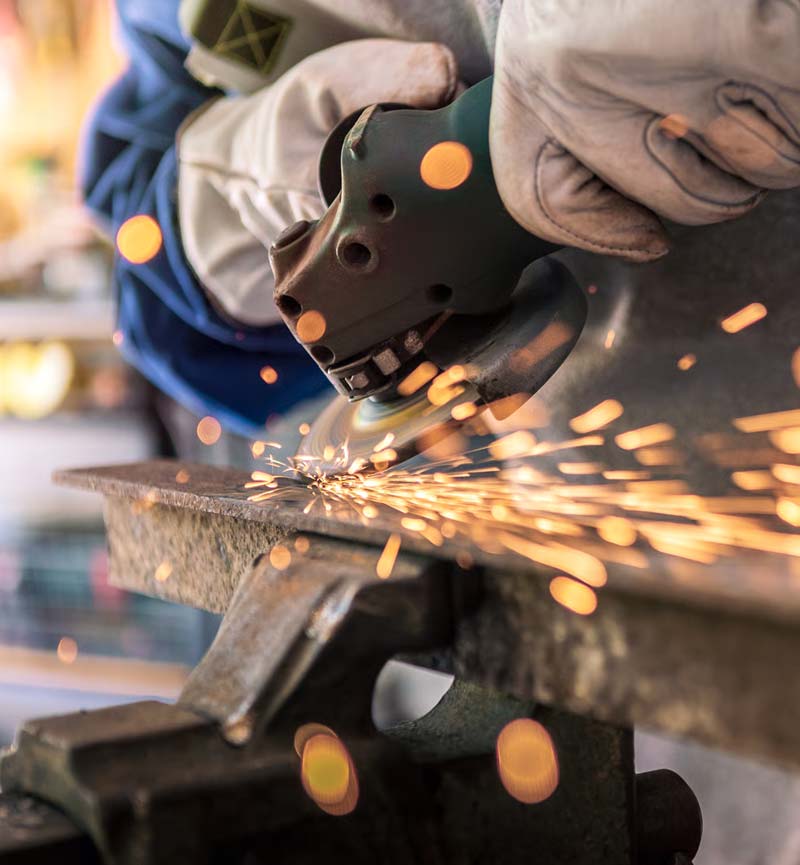
Accurate cutting is essential for part quality and efficiency.
Laser Cutting
Laser cutting uses a focused beam to vaporize metal with excellent precision. Typical tolerances are ±0.1 mm, and it excels in complex profile cutting.
Best For: High‑precision parts, stainless steel, aluminum
Pros: High accuracy, low heat‑affected zone (HAZ), fast setup
Cons: Higher equipment cost
Waterjet Cutting
Waterjet uses high‑pressure water with abrasives to cut metal without heat. Ideal for materials sensitive to heat distortion.
Pros: No thermal distortion, works on thick materials
Cons: Slower than laser, higher operating cost
Shearing
Shears mechanically cut metal with straight, clean lines. Best for simple cuts and large sheets.
Pros: Fast and cost‑effective
Cons: Limited to straight cuts, less flexible for complex shapes
4. Forming and Bending Processes
Press Braking
Press brakes bend sheet metal by pressing it between a punch and die. Precision depends on tooling and material.
Concept: Bends without removing material
Used For: Panels, brackets, frames
Roll Forming
Roll forming gradually bends long sheets into curved shapes or profiles. Ideal for high volume.
Comparison with Press Brake:
| Feature | Press Brake | Roll Forming |
|---|---|---|
| Flexibility | High (small runs) | Lower (high volume) |
| Production Speed | Slower | Fast |
| Complex Curves | Good | Excellent |
| Cost | Moderate | High initial tooling |
5. Joining and Assembly
Joining connects individual sheet parts into assemblies.
Welding
Common welding types for sheet metal include:
- MIG (Metal Inert Gas): Versatile and fast
- TIG (Tungsten Inert Gas): Precise, high quality
- Spot Welding: Ideal for thin gauge sheets
Fastening and Riveting
Used when components must be disassembled or joined without heat.
Good For: Electronics, enclosures, removable panels
Adhesive Bonding
Industrial adhesives offer uniform stress distribution and reduce distortion from heat.
Best For: Composite or multi‑material assemblies
6. Surface Finishing
Surface finishing improves aesthetics, durability, and corrosion resistance.
Powder Coating
Powder coating applies a dry polymer layer baked at high temperature.
Advantages: Uniform coverage, excellent durability
Anodizing
Primarily for aluminum — forms a hard oxide layer that protects and colors the surface
Electroplating
Deposits metal layers (like nickel, chrome) for conductivity or look
7. Quality Control and Industry Standards
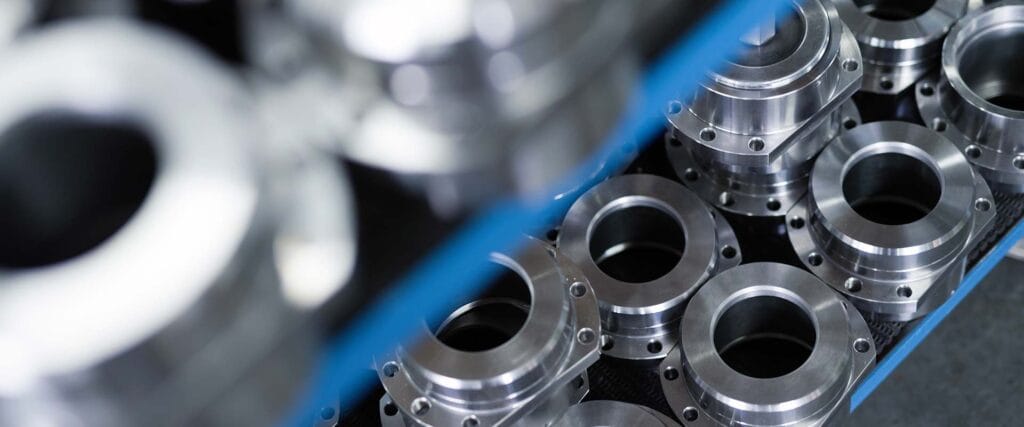
Inspection is mandatory before shipment — common methods include:
- CMM (Coordinate Measurement Machine) for dimensional checks
- NDT (Non‑Destructive Testing) such as dye penetrant or ultrasonic
- Visual & mechanical tests for functionality
Standards to Know
- ISO 9001: Quality management systems
- ASTM B209: Aluminum sheet spec
- EN 10130: Cold‑rolled steel standards
8. Automation & Smart Manufacturing
CNC Integration
Computer Numerical Control (CNC) systems automate cutting and forming.
Benefits:
- Consistent precision
- Reduced manual errors
- Integration with CAD/CAM workflows
Robotics and AI
Robotic welding and handling increasing throughput while reducing safety risks. Leading fabs now use AI to predict maintenance needs and reduce downtime.
9. Sustainability in Sheet Metal Fabrication
Recycled Materials
Using recycled steel and aluminum lowers environmental impact. Recycled aluminum uses 95% less energy than primary production.
Energy Efficiency
Modern laser cutters and servo presses use less power and reduce greenhouse gas emissions.
Waste Reduction
Optimized nesting and cutting planning minimize scrap, improving sustainability scores.
Real‑World Case Studies
Case Study 1 — Automotive Panel Manufacturer
A mid‑sized automotive supplier implemented laser cutting and robotic welding, resulting in:
- 30% reduction in defects
- 15% faster cycle times
- 20% lower labor cost
Case Study 2 — Aerospace Component Producer
Using precision CNC and advanced finishing, a supplier cut rework rates by 40%, meeting strict FAA standards.
Common Sheet Metal Fabrication Myths
Myth: Manual Fabrication Is Always Cheaper
Reality: While labor costs may be lower, automation reduces errors and scrap, often resulting in lower total cost per part.
Myth: Thicker Metal Is Always Better
Reality: Too thick increases weight, material cost, and forming difficulty. Right‑sizing matters.
Conclusion
Mastering sheet metal fabrication processes from design to production is vital in modern manufacturing. With proper material selection, cutting techniques, forming methods, joining approaches, and finishing treatments, manufacturers can produce robust, high‑precision parts. By embracing automation, sustainability, and quality standards, companies not only enhance efficiency but also position themselves for future innovation.
FAQ
Q1: What is the most precise cutting method?
Laser cutting offers the highest accuracy with minimal heat distortion.
Q2: Can sheet metal be recycled?
Yes, metals like steel and aluminum are highly recyclable and widely reused.
Q3: Which fabrication process is best for prototypes?
Laser cutting combined with press brake forming offers quick turnaround.
Q4: How does automation improve fabrication?
Automation increases precision, reduces errors, and lowers labor cost.
Q5: What standards ensure quality?
ISO 9001, ASTM and EN series standards govern quality and materials.