Welcome to My Blog!
I’m thrilled to have you here! Before we dive into the content, I’d love for you to join me on my social media platforms. It’s where I share extra insights, connect with our amazing community, and keep you updated on the latest news. Here’s how you can stay connected:
📘 Facebook: Lina Metal
▶️ YouTube: Lina Metal Channel – watch tutorials, demos, and in-depth guides
Now, let’s embark on this journey together! I hope you find the content here not only insightful but also inspiring and valuable. Let’s get started!
Table of Contents
Key Takeaways
- OEM metal stamping parts quality is driven by material control, tooling accuracy, and process stability
- Precision dies and advanced presses ensure repeatability in high-volume production
- Surface finishing and coatings directly influence corrosion resistance and lifecycle
- Global standards such as ISO, IATF, and RoHS play a critical role in quality assurance
- Smart supplier selection can reduce defect rates by over 30% and improve ROI
Introduction
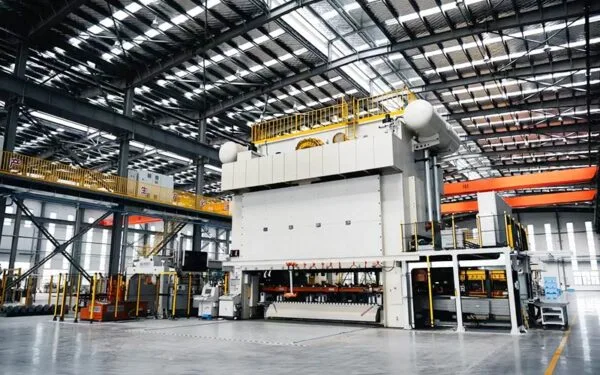
In today’s global manufacturing landscape, quality is no longer optional—it is a decisive competitive factor. Whether in automotive, electronics, or industrial equipment, poor-quality components can lead to system failures, recalls, and financial losses.
According to industry research, defective metal components account for 15%–25% of product failures in mass manufacturing environments. For buyers, this translates into increased warranty claims, downtime, and reputational risk.
This is why understanding oem metal stamping parts quality is essential. High-quality stamping parts not only ensure performance but also reduce lifecycle costs and improve supply chain efficiency.
Understanding OEM Metal Stamping Parts Quality
What Defines OEM Metal Stamping Parts Quality?
OEM metal stamping parts quality refers to the ability of a component to meet design specifications consistently across large production volumes. It includes dimensional accuracy, material integrity, and surface finish. High-quality parts maintain performance under real-world conditions.
Why Quality Matters for Global Buyers
Buyers depend on consistent parts for assembly and product reliability. Even minor deviations can disrupt production lines. Investing in quality reduces long-term operational risks.
Key Concepts Behind OEM Metal Stamping Parts Quality
Material Selection and Certification
Material quality directly impacts mechanical properties and durability. Certified materials such as ASTM or EN standards ensure consistency. Proper selection prevents cracking, corrosion, and deformation.
Tooling Precision and Die Design
Stamping dies define the final shape and accuracy. Precision tooling reduces variation and ensures repeatability. Advanced die design can extend tool life and improve efficiency.
Process Stability and Automation
Stable processes maintain consistent output across batches. Automation minimizes human error and improves efficiency. Controlled parameters ensure uniform results.
OEM Metal Stamping Parts Manufacturing Process
Raw Material Preparation
Metal sheets are inspected and prepared before stamping. Surface cleanliness and thickness uniformity are critical. This ensures defect-free production.
Stamping and Forming
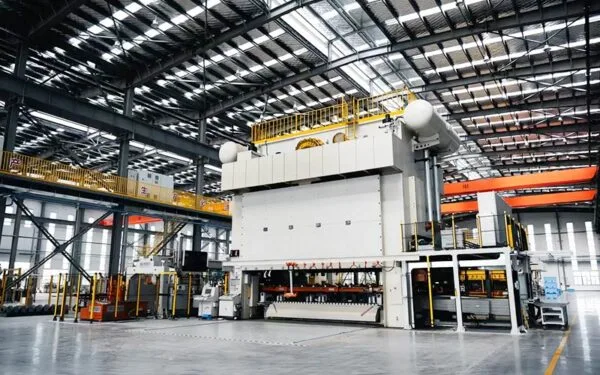
The press machine shapes the metal using high-pressure dies. Operations include punching, bending, and drawing. Precision control ensures dimensional accuracy.
Secondary Processing
Additional processes such as tapping, welding, or assembly may be required. These steps enhance functionality. Proper integration ensures final product quality.
Surface Treatment and Finishing
Finishing processes improve corrosion resistance and appearance. Common methods include electroplating, anodizing, and powder coating. This step adds value to the product.
Comparison Table: Quality Factors in OEM Metal Stamping Parts
| Factor | High Quality Standard | Low Quality Risk |
|---|---|---|
| Material | Certified & traceable | Unknown origin |
| Tooling | Precision CNC dies | Worn or inaccurate dies |
| Process | Automated control | Manual variation |
| Surface Finish | Uniform & smooth | Rough & inconsistent |
| Inspection | Multi-stage QC | Limited checks |
OEM Metal Stamping Parts vs Other Manufacturing Methods
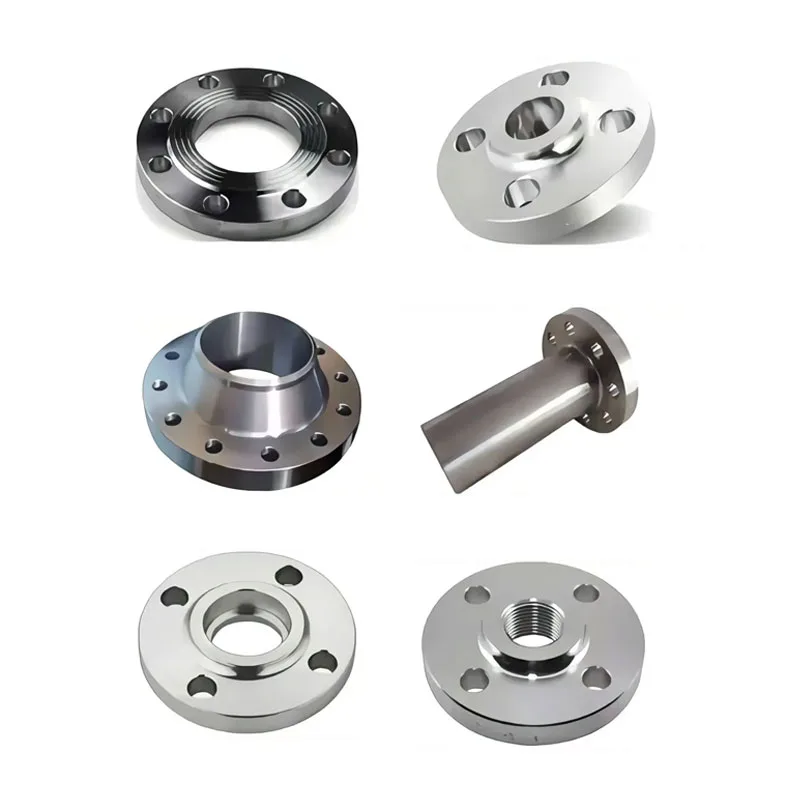
OEM Metal Stamping vs CNC Machining
OEM Metal Stamping Parts
- Ideal for high-volume production
- Lower unit cost
- Fast production speed
CNC Machining
- High precision for complex shapes
- Slower production
- Higher cost per unit
OEM Metal Stamping vs Casting
OEM Metal Stamping Parts
- Better surface finish
- Higher dimensional accuracy
- Suitable for thin materials
Casting
- Suitable for complex geometries
- Lower tooling cost
- Higher porosity risk
Industry Standards and Certifications
ISO and IATF Standards
ISO 9001 ensures quality management systems. IATF 16949 is widely used in automotive industries. These standards guarantee process consistency.
Environmental Compliance
Regulations such as RoHS and REACH ensure materials are safe. Compliance is essential for global markets. It also supports sustainability goals.
Advanced Quality Control Techniques
Statistical Process Control (SPC)
SPC uses data analysis to monitor production trends. It detects variations early. This reduces defect rates significantly.
Failure Mode and Effects Analysis (FMEA)
FMEA identifies potential risks in the process. It helps prevent failures before they occur. This improves product reliability.
Six Sigma Methodology
Six Sigma focuses on reducing defects to near zero. It improves process capability. Many top manufacturers adopt this approach.
Factors Affecting OEM Metal Stamping Parts Quality
Equipment Technology
Modern presses offer higher precision and automation. Advanced machines reduce variability. This improves overall quality.
Operator Expertise
Skilled operators understand process nuances. Training improves efficiency and reduces errors. Human expertise remains important.
Production Volume and Scalability
High-volume production requires stable systems. Scaling up without quality loss is critical. Automation supports this requirement.
Surface Finish and Coating Technologies
Electroplating
Provides corrosion resistance and improved conductivity. Common coatings include zinc, nickel, and chrome. It enhances durability.
Powder Coating
Creates a thick, protective layer. It is resistant to wear and chemicals. Suitable for harsh environments.
Anodizing
Used mainly for aluminum parts. It improves corrosion resistance and surface hardness. It also enhances appearance.
Real Case Study: Automotive Industry Application
A Tier-1 automotive supplier switched to high-quality oem metal stamping parts for structural components. Before improvement:
- Defect rate: 8%
- Frequent assembly issues
After implementing advanced QC systems:
- Defect rate reduced to 1.5%
- Production efficiency increased by 20%
- Warranty claims decreased significantly
This highlights the impact of quality improvement.
Cost Analysis and ROI
Initial Investment vs Quality Benefits
High-quality parts may have a slightly higher cost. However, they reduce rework and waste. This leads to long-term savings.
Cost Breakdown Example
- Raw material: 40%
- Tooling: 25%
- Processing: 20%
- Quality control: 15%
ROI Impact
Reducing defect rates by 5% can increase profit margins significantly. Quality directly affects profitability.
Supply Chain and Supplier Evaluation
Supplier Capability Assessment
Evaluate equipment, certifications, and experience. Reliable suppliers maintain consistent quality. This reduces risk.
Communication and Transparency
Clear communication ensures alignment on specifications. Transparency builds trust. It improves collaboration.
Logistics and Delivery Reliability
Timely delivery is essential for production schedules. Efficient logistics reduce delays. This ensures smooth operations.
Emerging Trends in OEM Metal Stamping Parts
Digital Manufacturing
Smart factories use IoT and AI for monitoring. This improves precision and efficiency. It represents the future of manufacturing.
Lightweight Materials
Demand for lightweight components is increasing. Materials like aluminum are widely used. This trend supports energy efficiency.
Sustainable Production
Eco-friendly processes are becoming standard. Manufacturers focus on reducing waste and emissions. Sustainability is a key factor.
FAQ
What are OEM metal stamping parts used for?
They are widely used in automotive, electronics, and industrial equipment. These parts provide structural support and functional performance. They are essential in mass production systems.
How can I ensure consistent quality?
Work with certified suppliers and request inspection reports. Conduct sample testing before bulk orders. This ensures reliability.
Are OEM metal stamping parts suitable for high precision?
Yes, with advanced tooling and process control, high precision can be achieved. Modern systems ensure tight tolerances. This meets industry standards.
What materials are commonly used?
Common materials include stainless steel, aluminum, and carbon steel. Each material offers different properties. Selection depends on application needs.
How important is quality control?
Quality control is critical for ensuring consistency. It prevents defects and improves performance. Strong QC systems reduce long-term costs.
Conclusion
Understanding OEM metal stamping parts quality is essential for achieving reliable and cost-effective manufacturing outcomes. From material selection to advanced quality control systems, every step plays a crucial role in determining final product performance.
By partnering with experienced suppliers, adopting modern technologies, and focusing on continuous improvement, buyers can secure high-quality components that meet global standards and deliver long-term value.