Willkommen auf Mein Blog!
Ich freue mich sehr, dich hier zu haben! bevor wir in die Inhalte eintauchen, würde ich mich freuen, wenn du mich auf meinen Social Media Plattformen begleitest, hier teile ich extra Einblicke, verbinde mich mit unserer tollen Community, halte dich über die neuesten Nachrichten auf dem Laufenden So bleibst du in Verbindung:
📘 Facebook: Lina Metal
️ YouTube: Lina Metal Channel – Anschauungs-Tutorials, Demos und ausführliche Anleitungen
Nun, lasst uns gemeinsam auf diese Reise gehen! ich hoffe, ihr findet die Inhalte hier nicht nur aufschlussreich sondern auch inspirierend und wertvoll, los geht's!
Inhaltsverzeichnis
Wichtige Erkenntnisse, die Sie lernen werden
- Was Blechherstellung ist und warum sie für die moderne Fertigung wichtig ist
- Schrittweise Aufschlüsselung der wichtigsten Blechherstellungsprozesse
- Materialauswahl, Schneiden, Umformen, Fügen, Montage und Veredeln erklärt
- Vergleich der Herstellungsmethoden und wie man die richtige auswählt
- Industriestandards, technische Daten und reale Fallstudien
- Fortschrittliche Methoden wie Automatisierung, KI-Integration und Nachhaltigkeitspraktiken
- FAQ zur Beantwortung häufiger Fragen der Google-Suche
Einleitung
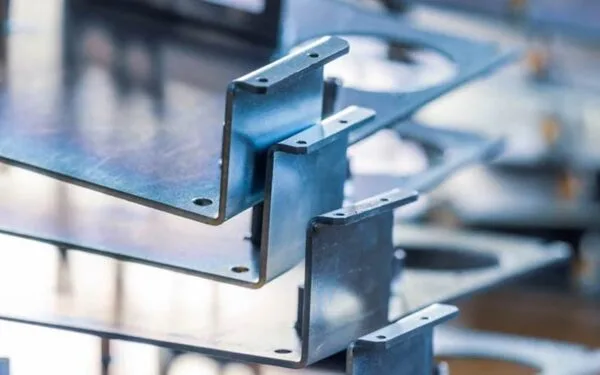
In der heutigen Industrielandschaft wird, Blechherstellungsverfahren Grundlegende Voraussetzungen für die Herstellung hochwertiger Teile für die Automobil-, Luft- und Raumfahrt-, Energie-, Elektronik-, Bau- und Konsumgüterindustrie. Von Prototypen bis zur Massenproduktion bestimmen diese Prozesse die Produktqualität, Kosteneffizienz, Abfallreduzierung und die Einhaltung globaler Standards.
Aber was genau gehört zu Blech? Dieser Leitfaden für alle wichtigen Phasen untersucht die Herstellung von ersten Designkonzepten und der Materialauswahl bis hin zum Schneiden, Formen, Fügen, Oberflächenveredelung, Qualitätsprüfung und neuesten Brancheninnovationen. Egal, ob Sie Fertigungsingenieur, Anlagenmanager oder Käufer sind, der Lieferanten bewertet, dieser tiefe Einblick hilft Ihnen, intelligentere, datengestützte Entscheidungen zu treffen.
Was sind Blechherstellungsprozesse?
Definition und Übersicht
Blechherstellungsprozesse Beziehen Sie sich auf den umfassenden Satz von Herstellungstechniken, die flaches Blech in gewünschte Formen und Komponenten umwandeln Dazu gehören Schneiden, Biegen, Schweißen, Montage, Veredelung und Inspektion.
Jeder Schritt erfordert Präzisionswerkzeuge, sorgfältige Planung und technisches Urteilsvermögen, um Leistung, Kosten und Materialeigenschaften in Einklang zu bringen. Das Ergebnis? Komponenten, die in allen Bereichen verwendet werden, von Flugzeugrümpfen bis hin zu Smartphone-Rahmen.
Bedeutung in der Fertigung
Die Herstellung von Blechen ist von entscheidender Bedeutung, denn:
- Es ermöglicht leichte und dennoch starke Teile
- Unterstützt komplexe Geometrien mit hoher Wiederholbarkeit
- Lässt sich gut in automatisierte Fertigungssysteme integrieren
- Reduziert Abfall mit optimiertem Materialverbrauch
Zu den Branchen, die auf die Herstellung von Blechen angewiesen sind, gehören Automobilindustrie (Rahmen, Halterungen), Luft- und Raumfahrt (Platten, Kanäle), Unterhaltungselektronik (Gehäuse), Industriemaschinen (Schützen, Strukturelemente) und erneuerbare Energien (Solarhalterungen, Gehäuse von Windkraftanlagen).
Das gesamte Spektrum der Blechherstellungsprozesse
Nachfolgend finden Sie eine detaillierte Aufschlüsselung der einzelnen großen Fertigungsphasen, was sie tun, warum sie wichtig sind und wie sie in den gesamten Arbeitsablauf integriert werden.
1. Design Stage & Foundation for Fabrication
Konzeptionelles und funktionales Design
Design ist die erste und wohl wichtigste Phase Ingenieure erfassen funktionale Anforderungen und wandeln sie mithilfe von CAD-Software (Computer-tt-Aided-Design) in digitale 3 D-Modelle um wie SolidWorks, AutoCAD, oder CATIA.
Zu den wichtigsten Designaktivitäten gehören:
- Definieren von Teilegeometrie, Abmessungen und Toleranzen
- Identifizierung von Biegeradien und Rohlingslayouts
- Auswahl der anfänglichen Materialart und -lehre
- Simulation der Leistung mit Finite-Elemente-Analyse (FEA)
Weltweit führende Unternehmen investieren stark in die digitale Technik, da frühe Fehler zu weitaus höheren Kosten im Downstream führen.
Design für Herstellbarkeit (DFM)
DFM stellt sicher, dass das entworfene Teil tatsächlich mit minimaler Komplexität und Kosten hergestellt werden kann Überlegungen umfassen:
- Vereinfachung von Biegungen und Ausschnitten
- Minimierung von Werkzeugwechseln
- Planung von Montagefunktionen (Tabletten, Slots)
- Vermeidung fragiler Merkmale, die die Produktion erschweren
Die Umfrage von Datasmith aus dem Jahr 2024 ergab, dass Unternehmen, die DFM-Prinzipien übernehmen, die Ausschussraten um 181 TP3 T reduzierten und die Produktionsvorlaufzeiten um 221 TP3 T verkürzten.
2. Materialauswahl Das Rückgrat der Qualität
Die Wahl des richtigen Blechmaterials hat großen Einfluss auf Haltbarkeit, Leistung und Kosten. Zu den gängigen Materialien gehören:
- Edelstahl (Serie 300/400): Hohe Korrosionsbeständigkeit, ideal für medizinische, Lebensmittelverarbeitungs- und Außengeräte
- Aluminium (5052, 6061): Leicht, gute Stärke-St-St-Stück-Verhältnis, ausgezeichnet für Luft - und Raumfahrt sowie Automobil
- Kohlenstoffstahl (ASTM A366): Hohe Festigkeit und niedrige Kosten, weit verbreitet in strukturellen Anwendungen
- Kupfer und Messing: Hervorragende Leitfähigkeit, verwendet in elektrischen Wärmetauschern
Materialleistungstabelle
| Material | Stärke | Korrosionsbeständigkeit | Gewicht | Typische Anwendung |
|---|---|---|---|---|
| Edelstahl | Hoch | Ausgezeichnet | Mittel | Medizin, Essen, Outdoor |
| Aluminium | Mittel | Gut | Niedrig | Luft- und Raumfahrt, Automobil |
| Kohlenstoffstahl | Hoch | Mäßig | Hoch | Strukturteile |
| Kupfer/Brass | Mittel | Gut | Mittel | Elektrische/wärmetransfer |
Messgerät und Dicke
Die Blechdicke wird in Messgrößen gemessen; Je niedriger die Messgröße, desto dicker ist das Blech.
- 30 – 26 Spurweite: Dünn, ideal für Tiefziehbilder
- 2 214 Spurweite: Strukturplatten
- 12 Gauge und darunter: Schwerfertigung
Jedes Messgerät beeinflusst die Formbarkeit, das Gewicht und die Kompatibilität mit den Schneidmethoden.
3. Schneidprozesse in der Blechherstellung
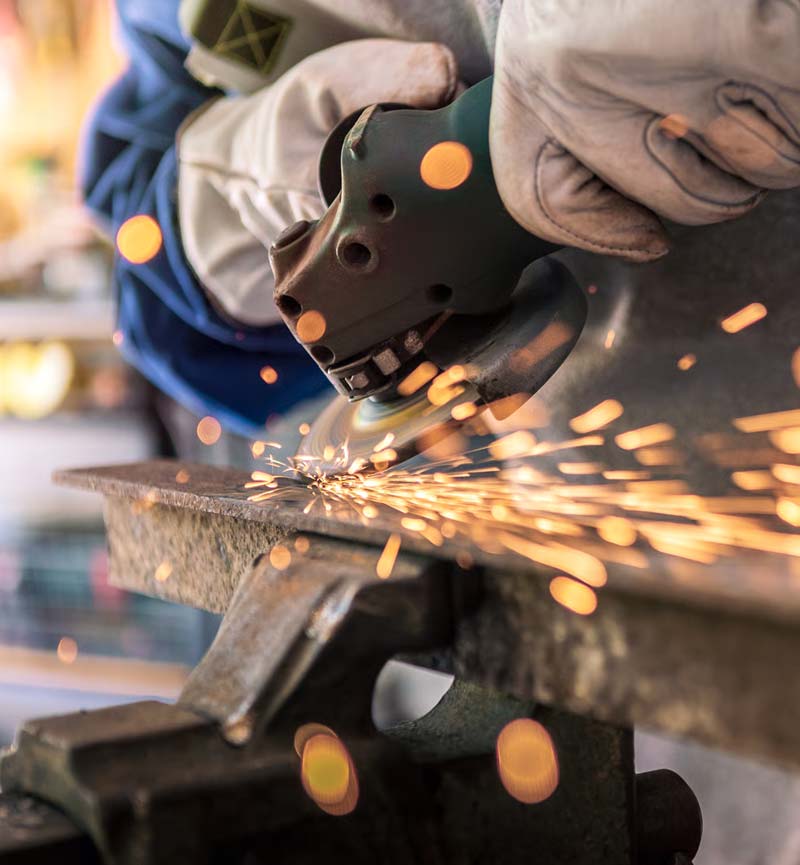
Genaues Schneiden ist für die Qualität und Effizienz der Teile unerlässlich.
Laserschneiden
Beim Laserschneiden wird ein fokussierter Strahl verwendet, um Metall mit ausgezeichneter Präzision zu verdampfen. Typische Toleranzen liegen bei ±0,1 mm und es zeichnet sich durch komplexes Profilschneiden aus.
Am besten für: Hochpräzise Teile, Edelstahl, Aluminium
Vorteile: Hohe Genauigkeit, Zone mit geringer Hitzeeinwirkung (HAZ), schnelle Einrichtung
Nachteile: Höhere Ausrüstungskosten
Wasserstrahlschneiden
Waterjet verwendet Hochdruckwasser mit Schleifmitteln, um Metall ohne Hitze zu schneiden Ideal für Materialien, die empfindlich auf Wärmeverzerrungen reagieren.
Vorteile: Keine thermische Verzerrung, funktioniert bei dicken Materialien
Nachteile: Langsamer als Laser, höhere Betriebskosten
Scherung
Scheren mechanisch geschnittenes Metall mit geraden, sauberen Linien Am besten für einfache Schnitte und große Bleche.
Vorteile: Schnell und kostengünstig
Nachteile: Beschränkt auf gerade Schnitte, weniger flexibel für komplexe Formen
4. Form - und Biegeprozesse
Pressbremsen
Pressbremsen biegen Blech, indem sie es zwischen Stempel und Matrize drücken Präzision hängt von Werkzeug und Material ab.
Konzept: Biegungen ohne Materialabtrag
Verwendet für: Platten, Halterungen, Rahmen
Rollumformung
Durch die Rollformung werden lange Bleche nach und nach in gebogene Formen oder Profile gebogen. Ideal für große Lautstärke.
Vergleich mit Press Brake:
| Merkmal | Druckbremse | Rollumformung |
|---|---|---|
| Flexibilität | Hoch (kleine Läufe) | Niedriger (hohes Volumen) |
| Produktionsgeschwindigkeit | Langsamer | Schnell |
| Komplexe Kurven | Gut | Ausgezeichnet |
| Kosten | Mäßig | Hohe Anfangswerkzeuge |
5. Beitritt und Montage
Durch das Fügen werden einzelne Blechteile zu Baugruppen verbunden.
Schweißen
Zu den gängigen Schweißarten für Bleche gehören:
- MIG (Metallinertes Gas): Vielseitig und schnell
- WIG (Wolfram Inert Gas): Präzise, hohe Qualität
- Punktschweißen: Ideal für Dünnschichtbleche
Befestigung und Nieten
Wird verwendet, wenn Bauteile ohne Hitze zerlegt oder verbunden werden müssen.
Gut für: Elektronik, Gehäuse, abnehmbare Platten
Klebebindung
Industrieklebstoffe bieten eine gleichmäßige Spannungsverteilung und reduzieren Verzerrungen durch Hitze.
Am besten für: Zusammengesetzte oder Multi-Tttematerial-Baugruppen
6. Oberflächenveredelung
Die Oberflächenveredelung verbessert Ästhetik, Haltbarkeit und Korrosionsbeständigkeit.
Pulverbeschichtung
Die Pulverbeschichtung trägt eine trockene Polymerschicht auf, die bei hoher Temperatur gebacken wird.
Vorteile: Einheitliche Abdeckung, ausgezeichnete Haltbarkeit
Eloxierend
In erster Linie für Aluminium bildet sich eine harte Oxidschicht, die die Oberfläche schützt und färbt
Galvanisieren
Legt Metallschichten (wie Nickel, Chrom) für Leitfähigkeit oder Aussehen ab
7. Qualitätskontrolle und Industriestandards
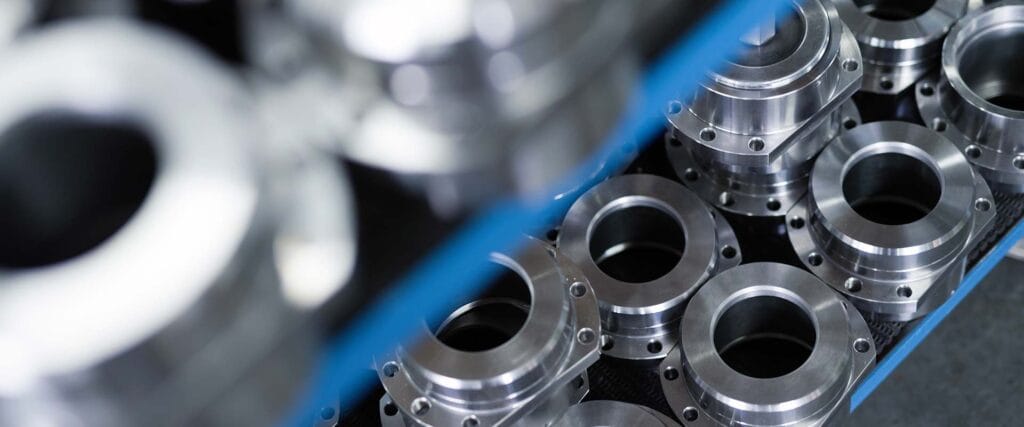
Eine Inspektion ist vor dem Versand obligatorisch. Zu den gängigen Methoden gehören:
- CMM (Koordinatenmessmaschine) Für Maßkontrollen
- ZfP (nicht zerstörende Prüfung) Wie Farbstoff-Durchdringungsmittel oder Ultraschall
- Visuelle und mechanische Tests auf Funktionalität
Standards zu kennen
- ISO 9001: Qualitätsmanagementsysteme
- ASTM B209: Aluminiumblechspezifikation
- EN 10130: Kaltgewalztes Stahl Standards
8. Automatisierung und intelligente Fertigung
CNC-Integration
CNC-Systeme (Computer Numerical Control) automatisieren das Schneiden und Formen.
Vorteile:
- Konsequente Präzision
- Reduzierte manuelle Fehler
- Integration mit CAD/CAM-Workflows
Robotik und KI
Roboterschweißen und - handling erhöhen den Durchsatz bei gleichzeitiger Reduzierung von Sicherheitsrisiken Führende Fabs verwenden jetzt KI, um den Wartungsbedarf vorherzusagen und Ausfallzeiten zu reduzieren.
9. Nachhaltigkeit in der Blechherstellung
Recycelte Materialien
Die Verwendung von recyceltem Stahl und Aluminium verringert die Umweltbelastung Recyclingaluminium verbraucht 951TP3 T weniger Energie als die Primärproduktion.
Energieeffizienz
Moderne Laserschneider und Servopressen verbrauchen weniger Strom und reduzieren den Ausstoß von Treibhausgasen.
Abfallreduzierung
Optimierte Verschachtelungs- und Schnittplanung minimieren den Ausschuss und verbessern die Nachhaltigkeitswerte.
Fallstudien zur realen Welt
Fallstudie 1 Automobil-Panel-Hersteller
Ein mittelgroßer Automobilzulieferer implementierte Laserschneiden und Roboterschweißen, was zu: führte
- 301TP3 T Reduzierung von Defekten
- 151TP3 T schnellere Zykluszeiten
- 20% niedrigere Arbeitskosten
Fallstudie 2 Hersteller von Luft- und Raumfahrtkomponenten
Mithilfe von Präzisions-CNC und fortschrittlicher Endbearbeitung senkte ein Lieferant die Nacharbeitsraten um 40% und erfüllte damit strenge FAA-Standards.
Gemeinsame Mythen zur Metallblechherstellung
Mythos: Manuelle Fertigung ist immer billiger
Realität: Während die Arbeitskosten niedriger sein können, reduziert die Automatisierung Fehler und Ausschuss, was häufig zu geringeren Gesamtkosten pro Teil führt.
Mythos: Dickeres Metall ist immer besser
Realität: Zu dick erhöht Gewicht, Materialkosten und Formschwierigkeiten. Die richtige Größenbestimmung ist wichtig.
Schlussfolgerung
Beherrschend Blechherstellungsverfahren Von der Konstruktion bis zur Produktion ist in der modernen Fertigung von entscheidender Bedeutung. Mit der richtigen Materialauswahl, Schneidtechniken, Umformmethoden, Verbindungsansätzen und Endbearbeitungsbehandlungen können Hersteller robuste, hochpräzise Teile herstellen. Durch die Einführung von Automatisierungs-, Nachhaltigkeits- und Qualitätsstandards steigern Unternehmen nicht nur die Effizienz, sondern positionieren sich auch für zukünftige Innovationen.
FAQ
F1: Was ist die genaueste Schneidmethode?
Laserschneiden bietet höchste Genauigkeit bei minimaler Wärmeverzerrung.
F2: Kann Blech recycelt werden?
Ja, Metalle wie Stahl und Aluminium sind gut recycelbar und werden häufig wiederverwendet.
F3: Welcher Herstellungsprozess eignet sich am besten für Prototypen?
Laserschneiden in Kombination mit Pressbremsformen bietet eine schnelle Durchdrehung.
F4: Wie verbessert die Automatisierung die Fertigung?
Automatisierung erhöht die Präzision, reduziert Fehler und senkt die Arbeitskosten.
F5: Welche Standards gewährleisten Qualität?
Die Normen der Serien ISO 9001, ASTM und EN regeln Qualität und Materialien.