Welcome to My Blog!
I’m thrilled to have you here! Before we dive into the content, I’d love for you to join me on my social media platforms. It’s where I share extra insights, connect with our amazing community, and keep you updated on the latest news. Here’s how you can stay connected:
📘 Facebook: Lina Metal
▶️ YouTube: Lina Metal Channel – watch tutorials, demos, and in-depth guides
Now, let’s embark on this journey together! I hope you find the content here not only insightful but also inspiring and valuable. Let’s get started!
Table of Contents
Introduction
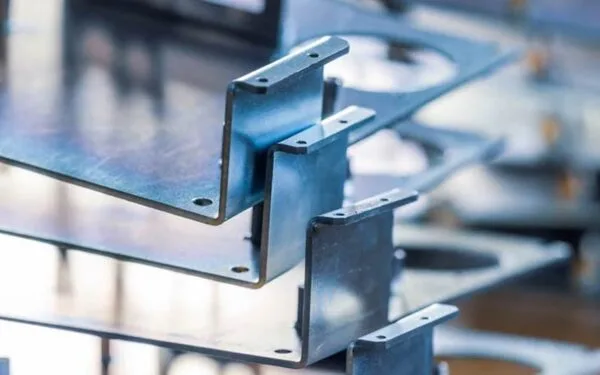
Sheet metal bending is a critical process in modern manufacturing, influencing everything from automotive panels and aerospace components to home appliances and industrial equipment. Selecting the best steel for sheet metal bending is essential to achieve precise angles, consistent quality, and long-lasting structural integrity. With advances in steel grades, heat treatment technologies, and bending machinery, 2026 marks a new era for high-performance, efficient, and cost-effective bending solutions. This comprehensive guide explores material properties, industrial applications, technical standards, real-world case studies, and expert recommendations for selecting the ideal steel for sheet metal bending.
Key Points of This Guide
- Overview of high-performance steel grades suitable for sheet metal bending
- Mechanical properties and bending performance comparison
- Heat treatment and coating considerations
- Material selection framework for different industries
- Tooling and bending process optimization
- Industry standards and certifications for steel bending
- Case studies highlighting successful applications
- Expert tips and troubleshooting advice
- Trends and innovations in 2026 for sheet metal forming
Understanding Best Steel for Sheet Metal Bending
What Makes Steel Ideal for Bending
Steel ideal for bending balances ductility, yield strength, tensile strength, and surface finish quality. The right combination reduces spring-back, prevents cracking, and ensures consistent bend angles. Materials that offer high elongation and uniform microstructure generally perform better during complex bending operations.
Mechanical Properties Affecting Bendability
- Yield Strength: Lower yield strength reduces the force needed to bend the material, allowing more precise forming.
- Tensile Strength: Steel must endure stress without fracturing; higher tensile strength supports structural applications.
- Elongation: Measures the material’s ability to stretch; higher elongation reduces the likelihood of cracks along bend lines.
- Hardness: Excessively hard steels can cause tooling wear and cracks, while soft steels may deform undesirably.
Types of Steel for Sheet Metal Bending
Cold-Rolled Steel (CRS)
Cold-rolled steel is widely used due to its smooth surface and precise thickness. Its low spring-back and uniform mechanical properties make it ideal for high-precision applications such as automotive panels, electrical enclosures, and consumer appliances. CRS is often coated with zinc, phosphate, or organic layers for corrosion protection.
Hot-Rolled Steel (HRS)
Hot-rolled steel is thicker, more ductile, and less expensive than CRS. HRS is commonly used in heavy-duty applications, including construction frameworks and industrial equipment. While surface finish is rougher than CRS, proper bending techniques ensure excellent structural performance.
Stainless Steel
Grades such as 304 and 316 stainless steel are corrosion-resistant while maintaining good bending performance. Stainless steel requires higher force for bending due to its tensile strength but offers superior durability and resistance in chemical, food, and outdoor environments. Annealing prior to bending is often recommended to improve ductility.
High-Strength Low-Alloy Steel (HSLA)
HSLA steel provides a combination of strength and moderate ductility. Its weight-saving properties make it ideal for automotive chassis, aerospace components, and lightweight construction panels. HSLA steels may require specialized tooling and controlled bending processes to prevent cracking or spring-back issues.
Galvanized Steel
Galvanized steel offers surface protection against corrosion, making it suitable for outdoor applications. Bending galvanized steel requires attention to coating integrity, as excessive stress can lead to micro-cracking of the protective layer.
Material Selection Framework for Sheet Metal Bending
Industry-Specific Recommendations
- Automotive Manufacturing: CRS or HSLA steel for precise panels and structural components.
- Construction & Industrial Equipment: HRS or HSLA steel for load-bearing and structural applications.
- Food & Pharmaceutical Equipment: Stainless steel 304 or 316 for corrosion-resistant surfaces.
- Electrical Enclosures: CRS with coating for durability and ease of fabrication.
Thickness and Bend Radius Considerations
Material thickness directly affects the minimum bend radius. Thicker steels require wider bend radii and stronger press brakes. Understanding the material’s mechanical properties ensures accurate bend angles without compromising structural integrity.
Comparative Table: Best Steel for Sheet Metal Bending
| Steel Type | Yield Strength (MPa) | Tensile Strength (MPa) | Elongation (%) | Best Applications | Cost Level |
|---|---|---|---|---|---|
| Cold-Rolled Steel | 210–280 | 340–410 | 28–35 | Automotive panels, appliances | Medium |
| Hot-Rolled Steel | 180–250 | 350–450 | 25–30 | Structural frames, tanks | Low |
| Stainless Steel 304 | 205–215 | 520–580 | 40 | Food industry, medical equipment | High |
| Stainless Steel 316 | 215–225 | 540–600 | 45 | Outdoor, chemical environments | High |
| HSLA Steel | 350–420 | 450–500 | 20–25 | Automotive, construction | Medium-High |
| Galvanized Steel | 180–270 | 360–420 | 25–35 | Roofing, outdoor enclosures | Medium |
Advanced Considerations
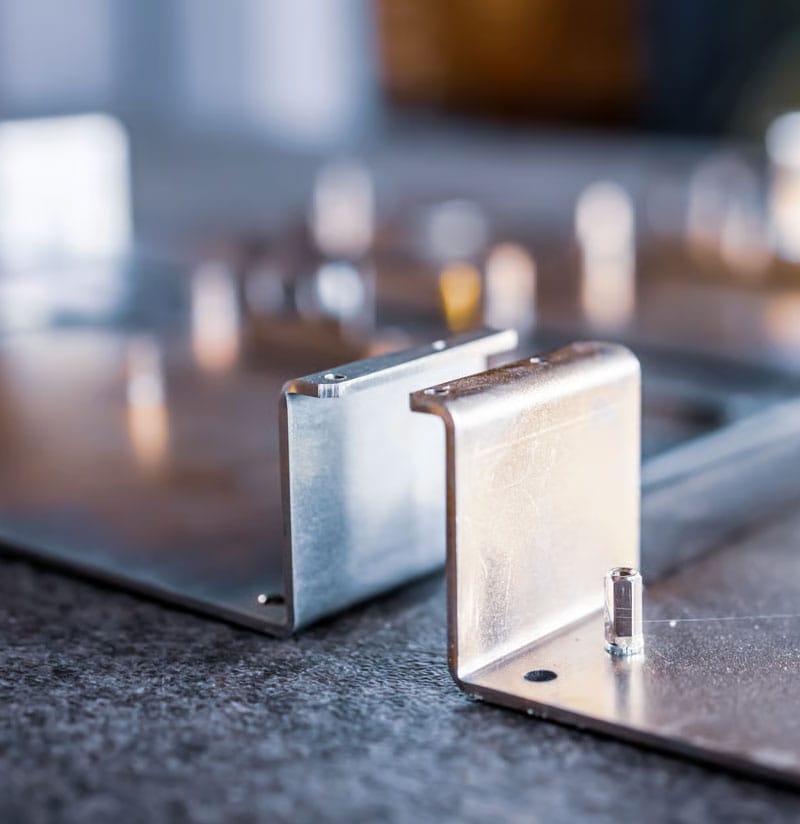
Heat Treatment and Bending
Heat treatments like annealing and stress relieving can improve ductility and reduce spring-back. High-carbon steels or HSLA steels often benefit from pre-bending heat treatment to prevent cracks.
Coatings and Surface Treatments
Surface coatings enhance corrosion resistance but may influence bendability. Galvanized, painted, or powder-coated steels need controlled bending parameters to maintain coating integrity.
Tooling Optimization
Using the correct die, punch radius, and lubrication improves bending performance and prolongs tool life. Laser-cut or CNC-machined dies provide high-precision bends and reduce edge imperfections.
Standards and Certifications
- ISO 9445: Cold-rolled steel specifications
- DIN EN 10130: Cold-reduced low carbon steels
- ASTM A1008: Cold-rolled carbon steel
- FEM Guidelines: Bending and forming standards for industrial applications
Case Studies
Automotive Panel Fabrication
Material: CRS 1.2mm
Challenge: Achieve 90° bends with minimal spring-back.
Result: Optimized tooling and bend radius reduced spring-back to <2%, ensuring consistent panel dimensions.
Food Industry Cabinets
Material: Stainless Steel 304
Challenge: Tight 90° bends without micro-cracks.
Result: Annealing prior to bending improved ductility and allowed precise forming without compromising corrosion resistance.
Industrial Construction Panels
Material: HRS 2.5mm
Challenge: Bending for structural framework with minimal deformation.
Result: Controlled bending process and proper tooling minimized cracks and improved assembly accuracy.
Trends and Innovations in 2026
- Laser-Assisted Bending: Reduces force requirements and improves precision.
- Smart Press Brakes: Integrated sensors optimize bend angle and compensation for spring-back.
- Sustainable Steel Production: Low-carbon and recycled steel grades gaining popularity.
- Predictive Maintenance: AI-driven monitoring for bending machines improves tool life and efficiency.
Conclusion
Selecting the best steel for sheet metal bending in 2026 requires a deep understanding of mechanical properties, industry requirements, and advanced bending technologies. Cold-rolled steel remains the standard for precision applications, while stainless and HSLA steels are indispensable in corrosion-resistant and high-strength scenarios. By considering material properties, heat treatment, tooling, and industry standards, manufacturers can achieve consistent quality, reduce material waste, and maximize production efficiency.
FAQ
What is the best steel for sheet metal bending?
Cold-rolled steel is ideal for most precision applications. Stainless and HSLA steels are preferred when corrosion resistance or high strength is required.
Can high-carbon steel be bent without cracks?
Yes, but pre-annealing or heat treatment is recommended to improve ductility.
Does thickness affect bending performance?
Absolutely. Thicker sheets require larger bend radii and stronger tooling to avoid cracking or deformation.
How do coatings impact bending?
Coatings like galvanization slightly reduce ductility; proper lubrication and controlled bending techniques minimize damage.
Is stainless steel more difficult to bend than CRS?
Yes, due to its higher tensile strength, specialized tooling and careful technique are necessary.