Welcome to My Blog!
I’m thrilled to have you here! Before we dive into the content, I’d love for you to join me on my social media platforms. It’s where I share extra insights, connect with our amazing community, and keep you updated on the latest news. Here’s how you can stay connected:
📘 Facebook: Lina Metal
Now, let’s embark on this journey together! I hope you find the content here not only insightful but also inspiring and valuable. Let’s get started!
Table of Contents
Blog Highlights
- Key principles of cost-effective sheet metal process
- Comparison of traditional vs. automated processes
- Material selection for optimal cost-efficiency
- Lean manufacturing and waste reduction strategies
- Case studies from automotive, furniture, and aerospace industries
- Sustainability and eco-friendly approaches
- Maintenance, safety, and compliance tips
- Industry standards and certifications
- FAQ addressing common user questions
Introduction
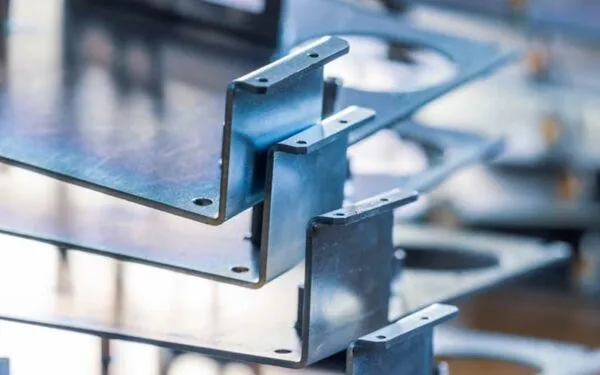
In today’s manufacturing landscape, efficiency and cost control are critical. The sheet metal process is central to industries like automotive, aerospace, electronics, and furniture. Reducing material waste, optimizing labor, and implementing automation can significantly improve profitability. By understanding modern techniques, manufacturers can create durable, high-quality products while minimizing production costs.
Key Concept: Effective cost management in sheet metal processing not only reduces expenses but also improves product consistency, customer satisfaction, and sustainability.
Understanding the Sheet Metal Process
What is a Sheet Metal Process?
A sheet metal process involves cutting, bending, shaping, and assembling thin metal sheets into finished components. Methods vary from traditional hand tools to CNC-assisted operations.
Core Steps Include:
- Material selection and preparation
- Cutting (laser, plasma, shearing)
- Bending and forming
- Joining (welding, riveting, adhesives)
- Surface finishing (coating, polishing, painting)
Advantages of Cost-Effective Processes
- Reduced material and labor costs
- Improved consistency and precision
- Faster production cycles
- Environmentally sustainable operations
Material Selection: Optimizing Costs Without Sacrificing Quality
Aluminum
- Lightweight, corrosion-resistant
- Cost: ~$2.5/kg (varies by region)
- Load-bearing limit: medium for structural panels
- Best for aerospace, automotive, and electronics components
Steel
- High strength, durable, low cost
- Cost: ~$1.2/kg
- Heavy, but excellent for load-bearing applications
- Widely used in construction and industrial machinery
Stainless Steel
- Excellent corrosion resistance
- Cost: ~$3.8/kg
- Ideal for medical equipment, food processing, and outdoor applications
Table 1: Material Comparison
| Material | Cost per kg | Weight | Corrosion Resistance | Ideal Use |
|---|---|---|---|---|
| Aluminum | $2.5 | Light | Medium | Automotive, Aerospace |
| Steel | $1.2 | Heavy | Low | Construction, Machinery |
| Stainless Steel | $3.8 | Medium | High | Medical, Food, Outdoor |
Process Techniques to Reduce Costs
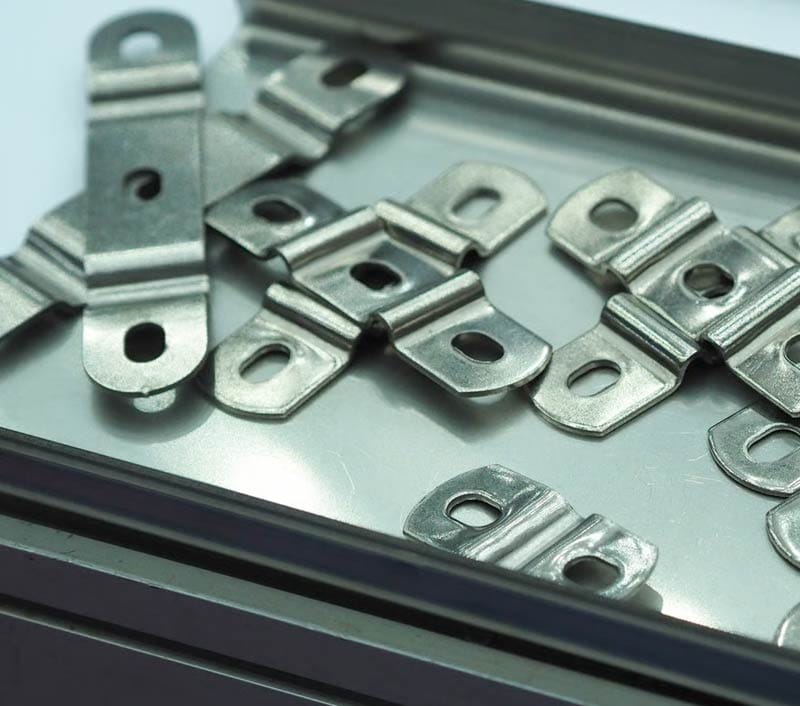
Cutting Efficiency
Laser Cutting vs. Shearing
- Laser Cutting: High precision, minimal waste, ideal for complex patterns. Cost per cut: ~$0.05–0.10/cm².
- Shearing: Faster for simple straight cuts, but generates higher scrap. Cost per cut: ~$0.02–0.05/cm².
Key Tip: Choose cutting method based on part complexity and production volume.
Bending and Forming
- Use CNC press brakes for precision bends
- Combine bending operations to minimize material handling
- Maintain consistent die selection to reduce wear and tear
Nesting Layout
Optimizing part layout reduces scrap significantly. Studies show efficient nesting can reduce material waste by 15–25%. Software solutions such as AutoNest and SigmaNEST are widely used.
Automation in Sheet Metal Processing
Benefits of Automation in Sheet Metal Process
Automation in the sheet metal process has revolutionized manufacturing by combining precision, speed, and cost-efficiency.
- Reduced Labor Costs: Automated systems can reduce labor requirements by 30–50%, allowing companies to reallocate human resources to higher-value tasks.
- Improved Precision and Repeatability: CNC-controlled machines deliver uniform cuts, bends, and welds, reducing errors and inconsistencies.
- Shortened Production Lead Times: Automation accelerates production cycles, especially for large-volume orders, while maintaining consistent quality.
- Enhanced Safety: Automated operations reduce direct human interaction with dangerous tools like laser cutters or press brakes, minimizing workplace injuries.
Key Concept: Integrating automation not only improves operational efficiency but also ensures high-quality outcomes, making it essential for competitive manufacturing in 2026.
Popular Automation Solutions in Sheet Metal Process
CNC Laser Cutters
- Provide precision cutting for complex geometries
- Reduce material waste due to minimal kerf width
- Cost per cut: $0.05–0.10/cm²
- Ideal for aerospace components, electronic housings, and automotive panels
Robotic Welding Arms
- Offer consistent, high-quality welds
- Can operate continuously without fatigue
- Reduce rework and improve product lifespan
- Commonly used in automotive chassis and structural assemblies
Automated Material Handling Systems
- Include conveyors, robotic pick-and-place, and storage automation
- Reduce manual lifting and transportation, increasing workflow efficiency
- Minimize errors and workplace accidents
CNC Punch Presses
- Punch multiple holes in a single cycle with high precision
- Compatible with various metal types and thicknesses
- Reduce processing time for sheet metal parts requiring complex perforations
Real-World Example:
A European furniture manufacturer replaced manual bending and punching with robotic systems, increasing throughput by 40% while reducing defects by 15%. Production time for a single panel decreased from 30 minutes to 18 minutes.
Lean Manufacturing & Waste Reduction
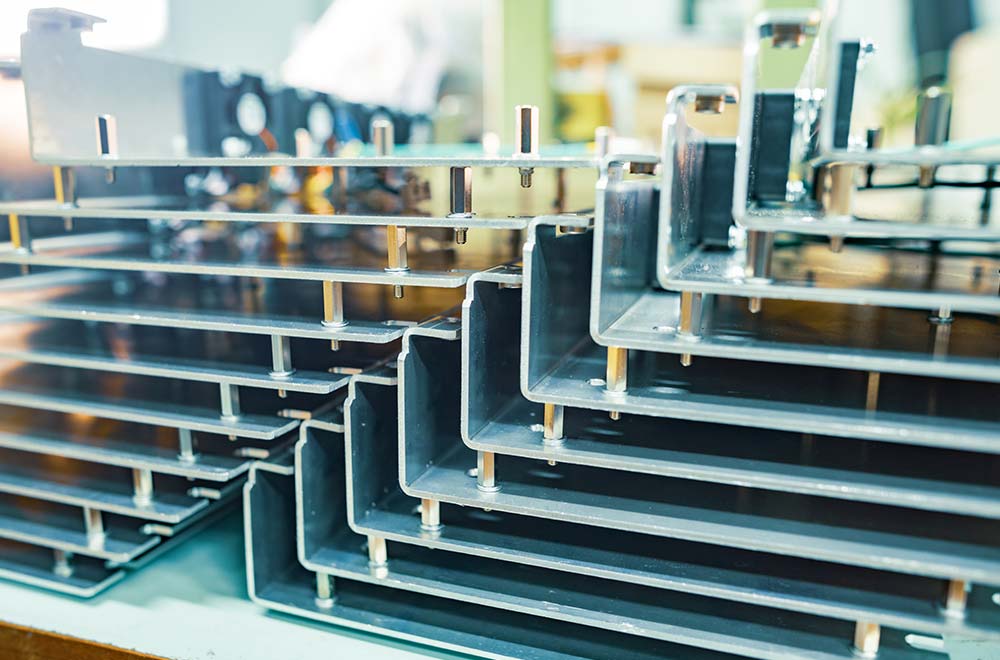
Efficient sheet metal processing is not only about automation—it’s also about reducing waste and maximizing resource use.
Principles for Sheet Metal Process
- Just-In-Time Production (JIT):
- Produce parts only as required to minimize inventory costs
- Reduces storage space and obsolete stock
- Kaizen Methodology:
- Continuous improvement in workflow and processes
- Small, incremental changes can cumulatively lead to significant efficiency gains
- 5S Organization:
- Sort: Remove unnecessary items
- Set in order: Organize tools and materials
- Shine: Keep work areas clean
- Standardize: Maintain consistent practices
- Sustain: Make improvements part of company culture
Material Recycling
- Scrap steel, aluminum, and stainless steel can be remelted and reused
- Efficient recycling can reduce raw material costs by 10–15% annually
- Reduces environmental impact and aligns with sustainability goals
Tip: Implement an organized scrap collection and recycling program alongside automation to maximize cost savings.
Maintenance and Safety Best Practices
Routine Checks
- Inspect hydraulic hoses, bending dies, and cutting tools
- Monitor machine alignment and wear
- Apply lubrication regularly to all pivot points
Safety Guidelines
- Always use personal protective equipment (PPE)
- Install safety shields on laser cutters and press brakes
- Train staff in emergency response and first aid
Service Schedules
- Minor maintenance: weekly
- Major inspection: every 500–700 operating hours
- Fluid and lubrication replacement: as per manufacturer guidelines
Industry Standards and Certifications
Sheet Metal Process Standards
- ISO 9001: Quality management
- EN 10130: Cold-rolled low carbon steel sheets
- ASTM A1008: Standard specifications for steel sheet, cold-rolled
Tip: Always source materials and machinery that comply with recognized standards to ensure safety, quality, and regulatory compliance.
Case Studies
Automotive Industry
- Company: European car manufacturer
- Process Optimization: Replaced manual cutting with CNC laser cutting
- Outcome: Material waste reduced by 25%, labor costs reduced by 30%, production lead time reduced by 20%
Furniture Manufacturing
- Company: Large-scale office furniture producer
- Process Change: Implemented robotic bending and CNC punching
- Outcome: Reduced defect rate by 15%, increased throughput by 35%
Aerospace Components
- Company: Aircraft parts supplier
- Process Improvement: Introduced automated nesting and laser cutting
- Outcome: Material cost per part reduced by 18%, production lead time reduced by 12%
Cost Comparison: Manual vs. Automated Sheet Metal Process
| Aspect | Manual Process | Automated Process |
|---|---|---|
| Labor Hours | High | Low |
| Material Waste | Medium | Low |
| Initial Investment | Low | High |
| Production Speed | Medium | High |
| Consistency & Accuracy | Medium | High |
Sustainability and Environmental Impact
- Recycled materials for sheets reduce environmental footprint
- Use energy-efficient laser cutters and press brakes
- Minimize chemical coatings to reduce VOC emissions
Eco Tip: Look for low-VOC coatings and FSC-certified steel suppliers.
Conclusion
A well-optimized sheet metal process blends smart material selection, workflow optimization, automation, and maintenance. Manufacturers can reduce costs, improve efficiency, ensure product consistency, and support sustainable practices—all without compromising quality. By integrating industry standards, lean principles, and real-world best practices, companies can maintain a competitive edge in 2026 and beyond.
FAQ
Q1: How can I reduce material waste in sheet metal processing?
A: Optimize nesting layout, select proper material thickness, and use precision cutting methods.
Q2: Is automation suitable for small-scale workshops?
A: Partial automation (CNC-assisted tools) may offer a good balance between cost and efficiency.
Q3: How often should sheet metal machinery be maintained?
A: Weekly for routine checks, every 500–700 hours for major inspections, and lubrication as needed.
Q4: Which sheet metal material is most cost-effective for mass production?
A: Steel is generally the most affordable; aluminum may be preferable for weight-sensitive applications.
Q5: Can cost-cutting compromise product quality?
A: Proper optimization improves efficiency while maintaining or even enhancing quality.