Welcome to My Blog!
I’m thrilled to have you here! Before we dive into the content, I’d love for you to join me on my social media platforms. It’s where I share extra insights, connect with our amazing community, and keep you updated on the latest news. Here’s how you can stay connected:
📘 Facebook: Lina Metal
Now, let’s embark on this journey together! I hope you find the content here not only insightful but also inspiring and valuable. Let’s get started!
Table of Contents
Introduction
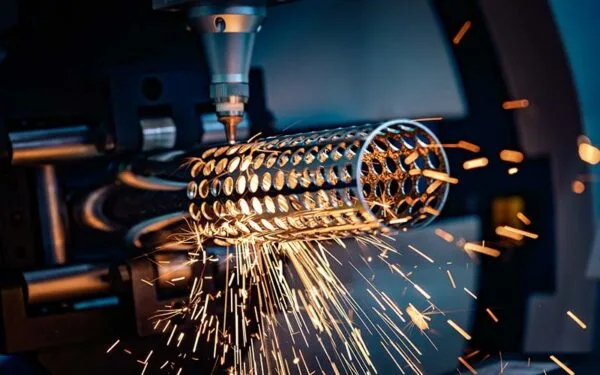
In the fast-evolving world of manufacturing, high-precision metal parts have become the backbone of innovation in aerospace, automotive, medical devices, and electronics. Achieving micron-level tolerances, complex geometries, and flawless surfaces requires cutting-edge metalworking technology.
Recent studies indicate that the adoption of advanced machining and digital manufacturing tools has increased part precision by up to 40% in the past five years. Companies integrating CNC machining, laser cutting, and hybrid additive methods are seeing reductions in both post-processing time and material waste, making production more cost-effective and environmentally friendly.
Understanding Metalworking Technology for Precision Applications
Metalworking technology encompasses the processes, machines, and techniques used to shape metals into functional, high-precision components. This includes traditional machining, advanced CNC methods, laser-based technologies, and additive manufacturing.
For high-precision parts, every detail matters. Even minor deviations can affect mechanical performance, durability, and fit in assemblies. Modern metalworking emphasizes integrated digital workflows, combining CAD/CAM design, simulation, and automated quality control to reduce human error and improve consistency.
Machinery Selection: Tools that Define Precision
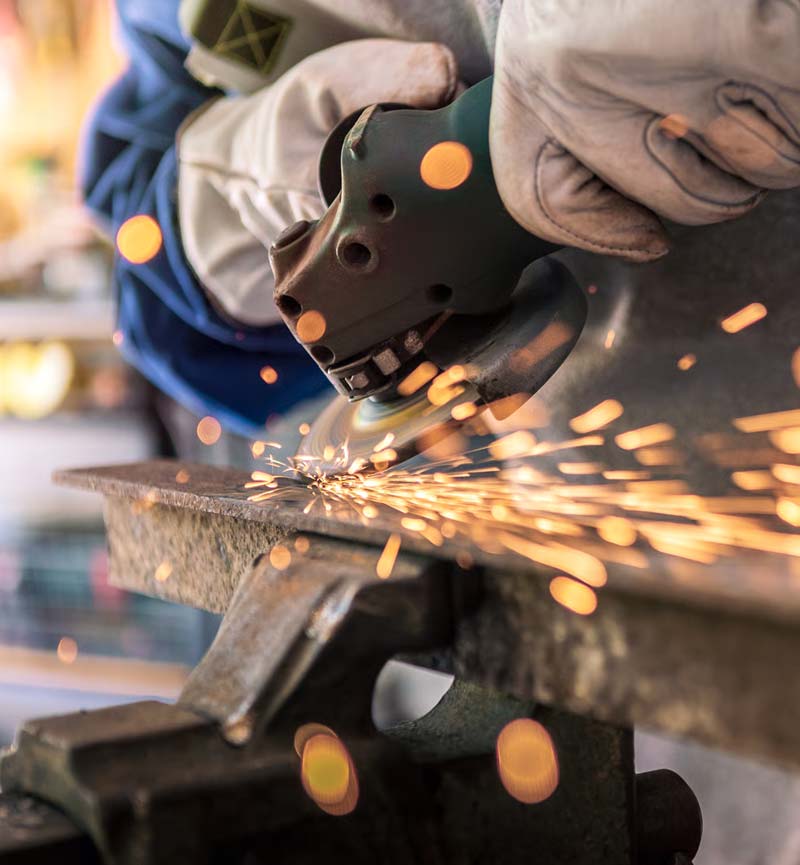
Choosing the right machinery is a crucial step in producing high-precision metal components. The type of equipment not only determines the achievable tolerance but also influences production efficiency, material compatibility, and the quality of the finished part. Different machining technologies have unique advantages, and understanding these differences helps engineers make informed decisions for their manufacturing processes.
CNC Machining
CNC (Computer Numerical Control) machining remains the gold standard for producing parts that require high precision. These machines are capable of achieving micron-level tolerances, allowing manufacturers to meet stringent design specifications consistently. Beyond precision, CNC machines offer excellent repeatability, which is essential for large-scale production runs where consistency across multiple units is critical.
In addition, CNC machining is highly versatile in terms of material compatibility. It can handle metals ranging from stainless steel to titanium and aluminum, making it suitable for applications in aerospace, automotive, and medical industries. For example, aerospace manufacturers often rely on CNC machining to produce turbine brackets. These parts demand tolerances as tight as ±0.01 mm, and implementing CNC technology has helped reduce assembly errors by approximately 20%, improving overall system reliability.
Laser Cutting
Laser cutting technology offers a different approach to high-precision metalworking. As a non-contact process, it eliminates mechanical stress on the material, which is particularly beneficial for thin sheets and delicate designs. The laser produces extremely clean edges and smooth surfaces, reducing the need for secondary finishing operations.
A notable application can be seen in the electronics sector, where a leading company employed laser cutting to fabricate copper connectors. The process achieved a remarkable tolerance of 0.05 mm, eliminating the need for additional finishing steps and ensuring consistent electrical performance. Moreover, laser cutting supports rapid prototyping, enabling manufacturers to test designs and make adjustments quickly without committing to full-scale production.
Additive Manufacturing
Additive manufacturing, or metal 3D printing, has transformed the landscape of high-precision metalworking by enabling geometries that traditional subtractive methods cannot achieve. This technology is ideal for prototypes, low-volume production, and one-off custom components that require intricate internal structures or channels.
Despite its flexibility, additive manufacturing does come with certain limitations. Parts produced through 3D printing often require post-processing, such as heat treatment or surface polishing, to meet stringent mechanical standards. This is particularly true in high-stakes industries like aerospace and medical devices, where surface finish, mechanical strength, and biocompatibility are critical. Nonetheless, additive manufacturing continues to expand design possibilities, allowing engineers to create lightweight, high-performance parts that were previously impossible or cost-prohibitive to manufacture.
Material Considerations: Choosing the Right Metal
Selecting the appropriate metal is just as important as choosing the machinery. The properties of the material—such as strength, corrosion resistance, and machinability—directly impact the precision, durability, and functionality of the final component.
Stainless Steel
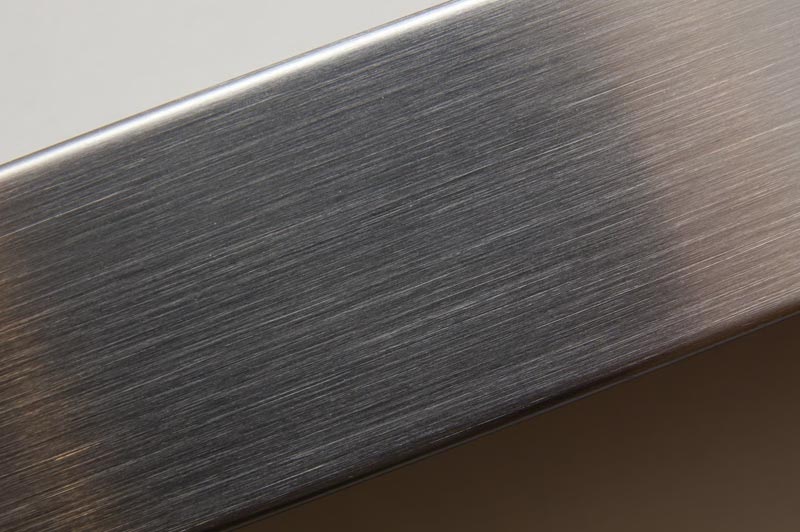
Stainless steel remains a popular choice for high-precision components due to its excellent corrosion resistance and high tensile strength. These properties make it ideal for parts that are exposed to wear, moisture, or harsh operating conditions. Stainless steel is extensively used in medical instruments, industrial machinery, and automotive applications, where both durability and precision are critical.
Aluminum
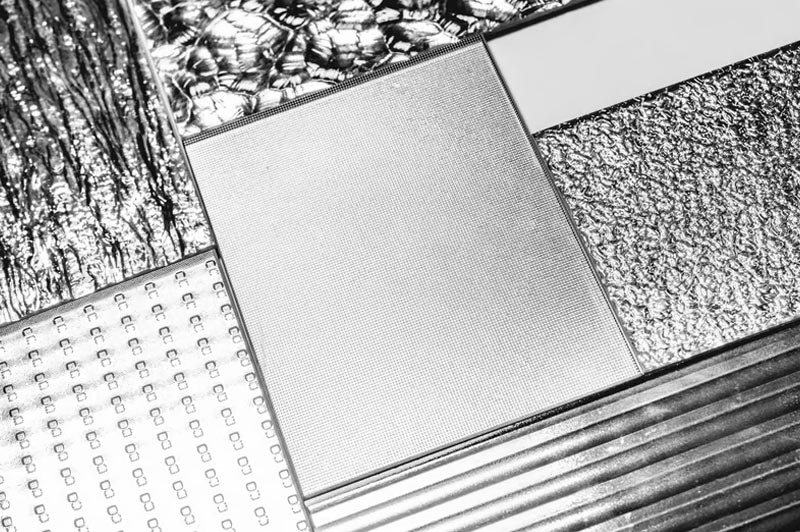
Aluminum is prized for its lightweight nature and ease of machining. Its properties allow for efficient production of high-volume parts while maintaining the required tolerances. In aerospace and automotive applications, aluminum reduces overall component weight, which can enhance fuel efficiency and system performance. Additionally, aluminum’s good thermal conductivity helps maintain dimensional stability during machining processes, making it a reliable choice for precision parts manufacturing.
Titanium
Titanium offers an exceptional strength-to-weight ratio and outstanding corrosion resistance. Its biocompatibility makes it a preferred material for medical implants and surgical instruments, while its mechanical properties suit aerospace components subjected to high stress. Titanium parts can endure extreme operational environments without significant deformation, making them invaluable in industries where both precision and reliability are non-negotiable.
Specialty Alloys
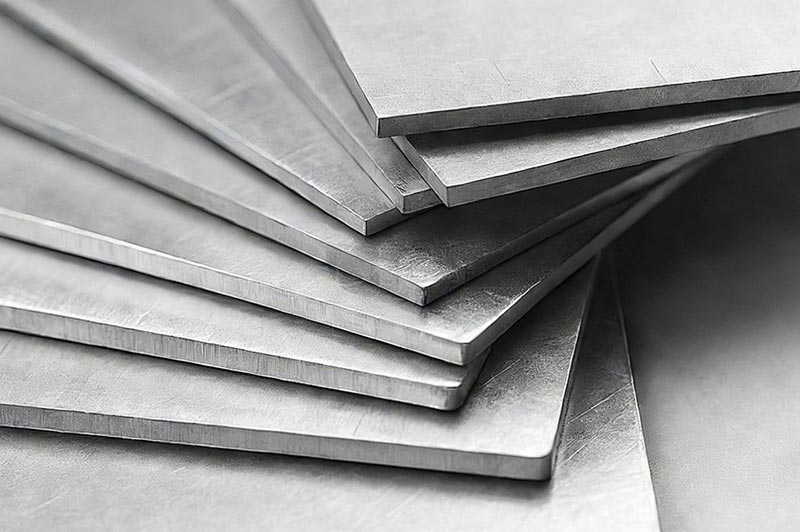
For applications requiring extreme wear resistance, heat tolerance, or chemical stability, specialty alloys such as cobalt-chromium and nickel-based materials are often used. These alloys are commonly employed in aerospace, energy, and chemical industries, where components must withstand high stress, elevated temperatures, or corrosive conditions. While these metals can be more challenging to machine, advanced metalworking technologies like CNC and hybrid methods enable manufacturers to maintain tight tolerances even with these demanding materials.
Material Performance Table
| Material | Tensile Strength (MPa) | Hardness (HV) | Applications |
|---|---|---|---|
| Stainless Steel 316L | 485 | 170 | Medical, industrial machinery |
| Aluminum 7075 | 572 | 150 | Aerospace, automotive |
| Titanium Ti-6Al-4V | 950 | 360 | Implants, aerospace |
| Cobalt-Chromium Alloy | 655 | 450 | Surgical tools, high-temp parts |
Advanced Techniques in High-Precision Metalworking
Precision Measurement and Feedback Loops
Modern metalworking integrates real-time measurement systems. Using CMM (coordinate measuring machines) or laser scanners, manufacturers can monitor tolerances during production. This proactive approach reduces defects by up to 30% in high-volume parts.
Temperature Management
Thermal expansion is a key challenge in precision machining. CNC machines and laser cutters now use integrated cooling systems and temperature-compensated controllers to maintain consistent dimensions.
Surface Treatment and Finishing
- Electropolishing improves corrosion resistance and aesthetics
- Deburring and micro-finishing enhance functionality
- Critical for medical devices and aerospace components
Hybrid Manufacturing
Combining CNC and additive methods allows:
- Production of lightweight, complex structures
- Reduced material waste by up to 25%
- Faster time-to-market for custom designs
Comparing Metalworking Technologies
High-precision metalworking requires selecting the optimal process for the part, material, and production volume.
| Feature | CNC Machining | Laser Cutting | Additive Manufacturing | Hybrid Manufacturing |
|---|---|---|---|---|
| Tolerance | ±0.01 mm | ±0.05 mm | ±0.1 mm | ±0.02 mm |
| Surface Finish | Ra 0.8–1.6 µm | Ra 1–2 µm | Ra 2–4 µm | Ra 0.8–1.5 µm |
| Complexity Capability | Medium | Medium | Very High | Very High |
| Production Volume | Medium–High | Low–Medium | Low | Medium |
| Cost per Part | Moderate | Low–Medium | High | Medium–High |
Key Insight: For parts with tight tolerances and critical performance, CNC machining or hybrid approaches usually deliver the best results. Laser cutting and additive manufacturing excel in specific cases like thin sheets or complex prototypes.
Real-World Case Studies
Aerospace Turbine Components
CNC-machined titanium brackets were produced with ±0.01 mm tolerance. Assembly time was reduced by 20%, and parts endured stress tests up to 5,500 N cyclic load.
Automotive Engine Valves

High-performance aluminum valves were produced using CNC and laser cutting hybrid methods. Tolerances of ±0.02 mm were maintained, with surface finish Ra 1.2 µm. Production scaled to 10,000 units per month.
Medical Surgical Instruments

Stainless steel 316L instruments achieved Ra 0.8 µm after electropolishing. ISO 13485 compliance was maintained, ensuring safety and reliability.
Electronics Connectors
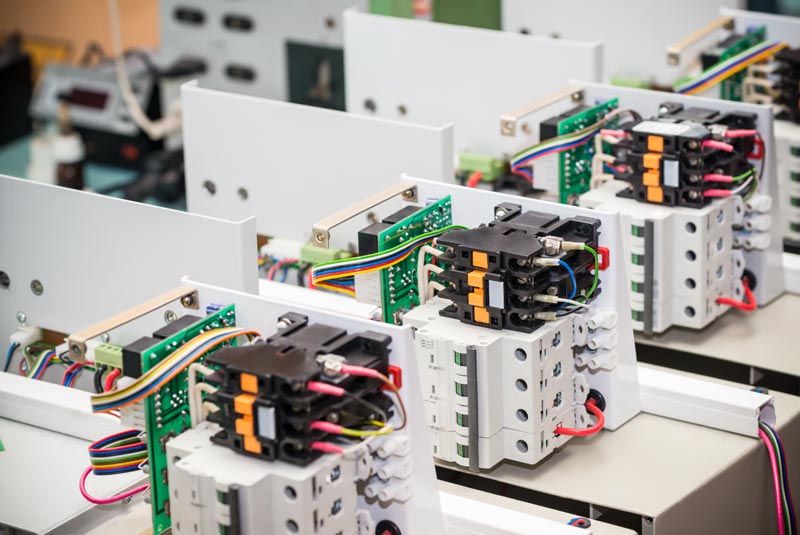
Copper connectors fabricated with laser cutting achieved 0.05 mm tolerance. Thermal and electrical conductivity tests confirmed performance, eliminating additional finishing.
Industry News and Trends
- AI and Machine Learning Integration: Smart CNC systems now predict tool wear and optimize machining paths in real-time.
- Sustainability Initiatives: Companies are adopting recycled alloys and energy-efficient machining to reduce carbon footprint.
- Global Market Growth: The precision metalworking market is expected to reach $120 billion by 2030, driven by aerospace and medical sectors.
Cost Efficiency and Production Planning
- CNC machining is cost-effective for medium- to high-volume production
- Laser cutting reduces labor and increases precision in thin metals
- Additive manufacturing is optimal for prototypes but requires post-processing
- Hybrid approaches optimize cost, speed, and quality depending on part requirements
Common Mistakes in High-Precision Metalworking
- Selecting inappropriate materials for load-bearing components
- Neglecting tool maintenance and calibration
- Ignoring thermal expansion and machining environment
- Skipping inspection steps leading to defects and rework
Prevention Recommendations
- Material selection aligned with mechanical and environmental needs
- Implement regular maintenance and calibration schedules
- Control temperature and humidity in machining areas
- Use automated inspection tools like CMM and laser scanning
FAQ
What defines metalworking technology for high-precision parts?
It includes machinery, processes, and techniques that produce parts with minimal tolerance deviation, high surface finish, and mechanical reliability.
Which technology is best for complex geometries?
Hybrid manufacturing combining CNC and additive methods usually offers the best balance of precision and complexity.
How can I maintain tolerances for large-scale production?
Continuous monitoring, tool maintenance, and real-time temperature control ensure consistency.
What industries benefit most from precision metalworking?
Aerospace, automotive, medical, electronics, and energy sectors rely heavily on high-precision components.
How do you select the right material?
Consider strength, machinability, corrosion resistance, weight, and thermal stability for the intended application.