Stamping is suitable for the high-efficiency forming and mass production of thin sheet metal.
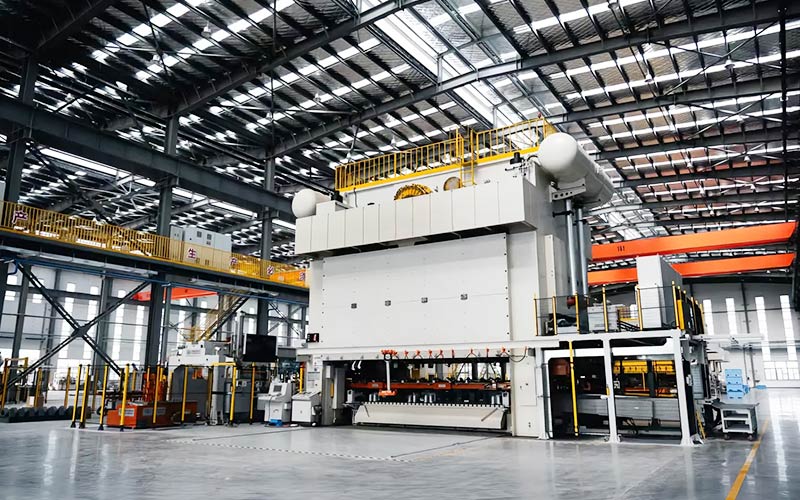
Stamping is a cold-forming process that uses sheet metal as raw material, and with the help of stamping dies and pressure equipment, causes the material to undergo separation or plastic deformation within the die, thereby obtaining parts with the desired shape, size, and properties.
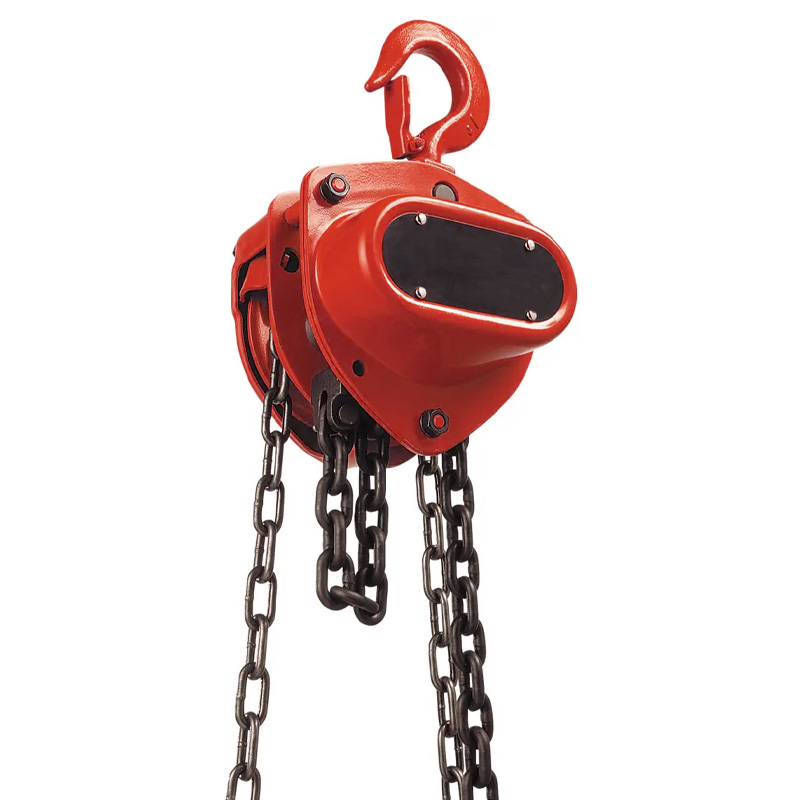
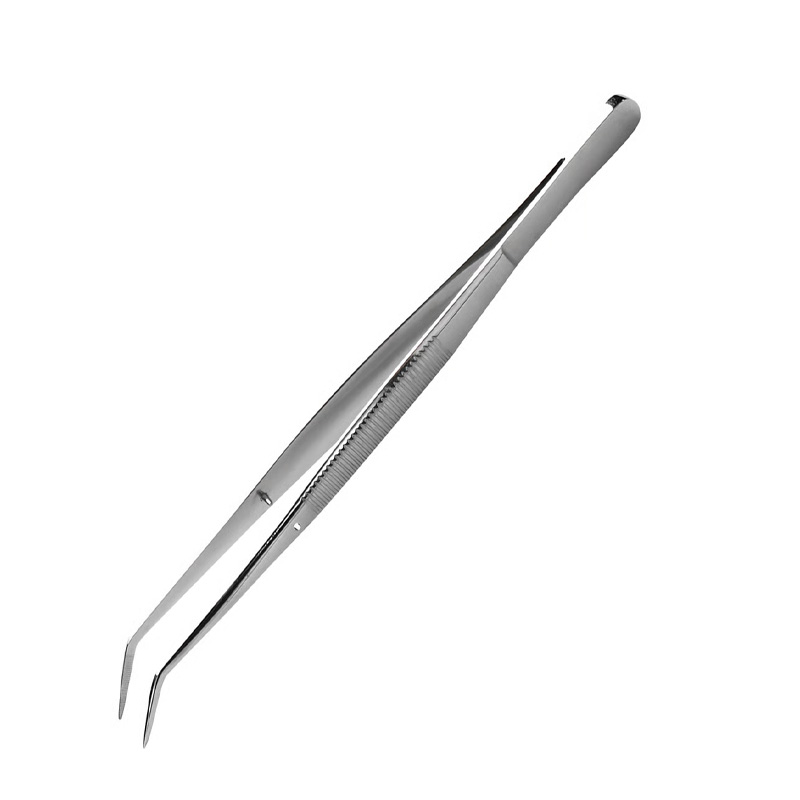
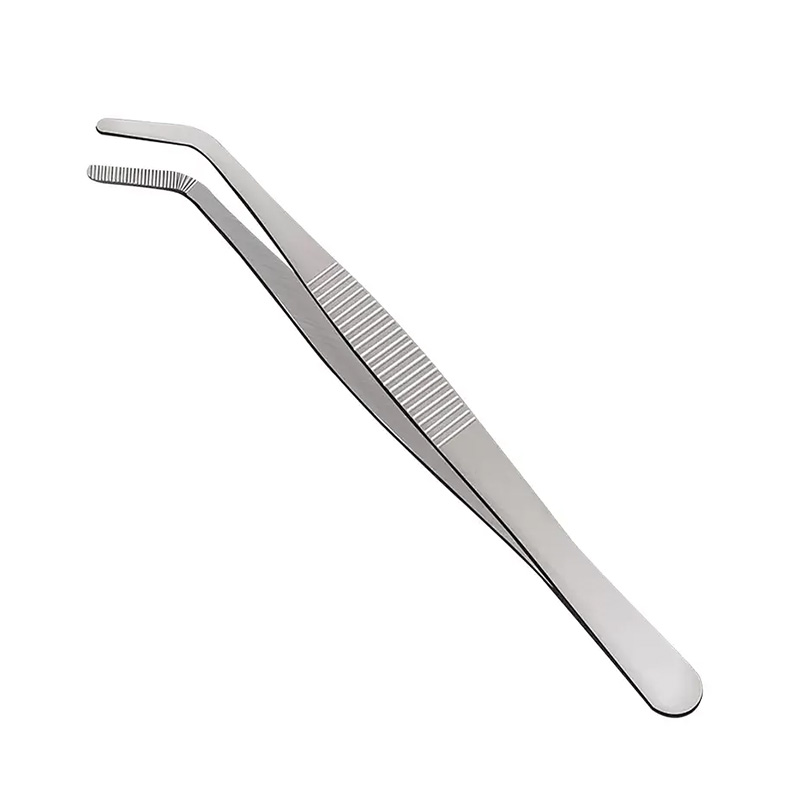
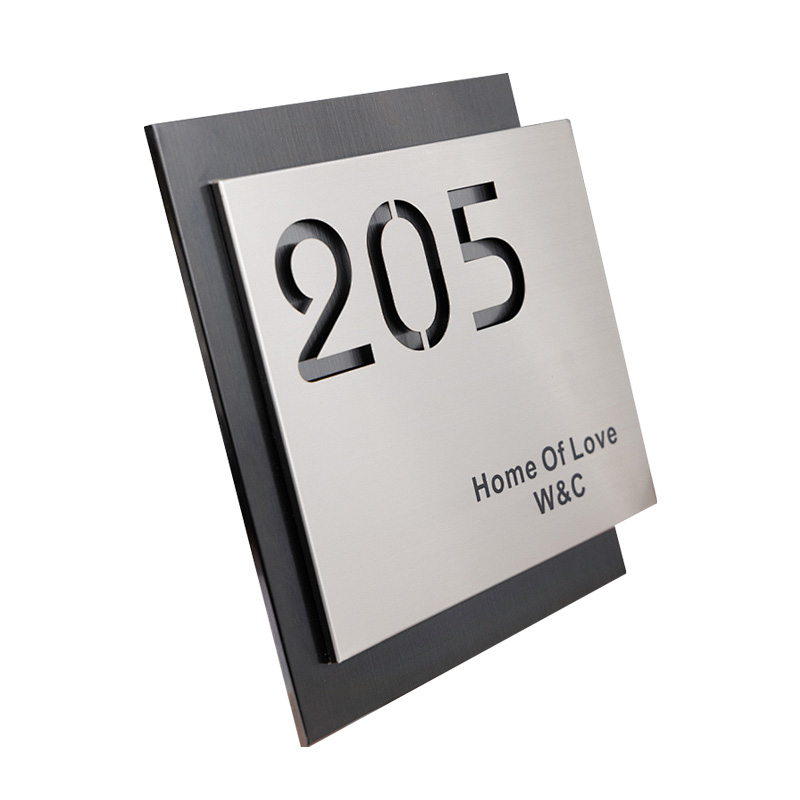
Stamping is suitable for the mass production of complex-shaped parts with high dimensional accuracy requirements, primarily using sheet metal. It covers a wide range of fields, including automotive, electronics, electrical appliances, machinery, energy, construction, agricultural machinery, outdoor hardware, and signage.
0.3–6 mm is the mainstream thickness
Large volume, high repeatability
Multiple holes, multiple bends, multiple forming operations
Mainly made of aluminum alloy, galvanized steel, and stainless steel
Suitable for direct use with surface treatment
Continuous die and automated production are suitable for high-volume manufacturing.
Stable dimensions, high repeatability, and minimal batch variations.
Optimized layout and reduced waste lead to lower overall costs.
Capable of producing complex structures with multiple holes, bends, and deep drawing.
Smooth surface after forming, reducing the need for secondary processing.
Cold forming enhances local strength and rigidity.
Suitable for thin sheet materials such as aluminum alloys, galvanized steel, and stainless steel.
Once the mold is finalized, stable mass production can be maintained long-term.
Get a free consultation from our casting experts now.
The formed surface is usually relatively smooth and can be directly used with surface treatment processes such as spraying, electroplating, anodizing, and sandblasting.
Commonly used materials include cold-rolled steel sheets, galvanized sheets, stainless steel, aluminum alloys, copper and its alloys. It can also be used for some high-strength steel and spring steel thin sheets.
Stamping is more suitable for medium to large-scale production. Mold costs are high, but the unit processing cost is low and efficiency is high, with the advantages becoming more apparent with larger batches.
Complex structures such as multiple holes, bending, deep drawing, flanging, and reinforcing ribs can be achieved, especially suitable for multi-station progressive die production.
Through mold precision control, material stability, equipment parameter optimization, first-piece confirmation, and process inspection to ensure consistent quality in mass production.