Welcome to My Blog!
I’m thrilled to have you here! Before we dive into the content, I’d love for you to join me on my social media platforms. It’s where I share extra insights, connect with our amazing community, and keep you updated on the latest news. Here’s how you can stay connected:
📘 Facebook: Lina Metal
▶️ YouTube: Lina Metal Channel – watch tutorials, demos, and in-depth guides
Now, let’s embark on this journey together! I hope you find the content here not only insightful but also inspiring and valuable. Let’s get started!
Table of Contents
Blog Key Takeaways
- Fundamentals of precision sheet metal bending
- Key tools and advanced machines for bending operations
- Material properties and their influence on bending quality
- Comparison of bending techniques: air bending, bottoming, coining, and hybrid methods
- Industry standards, certifications, and quality guidelines
- Applications across automotive, aerospace, electronics, and industrial equipment
- Case studies and real-world examples of precision bending
- Troubleshooting common bending issues and best practices
- Future innovations in bending technology
- FAQs with detailed answers addressing common industry questions
Introduction
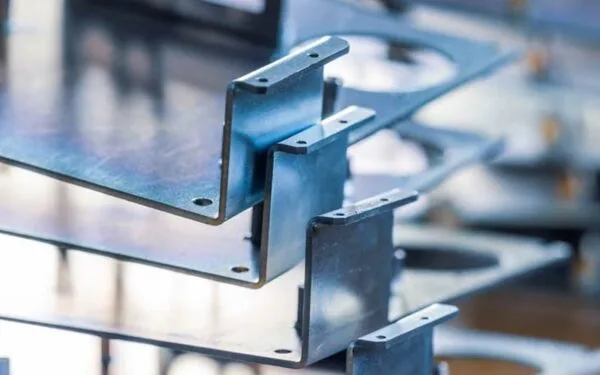
In modern manufacturing, precision sheet metal bending is more than a simple shaping process. It determines the functionality, aesthetics, and durability of finished products across industries like automotive, aerospace, electronics, and construction. Improper bending can lead to costly material waste, assembly errors, or structural failures. By mastering the science and techniques of precision sheet metal bending, manufacturers can enhance productivity, meet strict tolerances, and deliver high-quality components that comply with international standards.
Fundamentals of Precision Sheet Metal Bending
What is Precision Sheet Metal Bending?
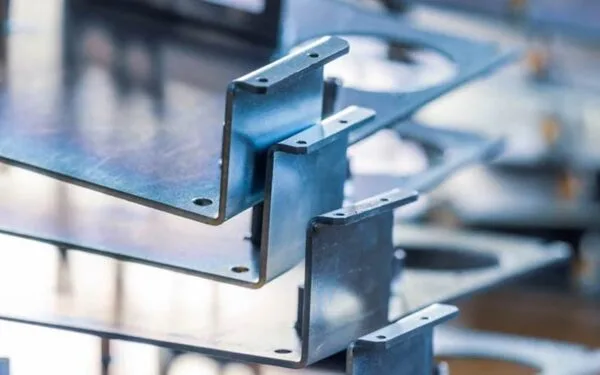
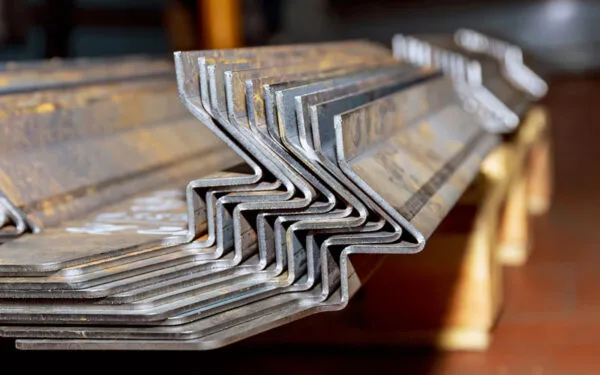
Precision sheet metal bending is the controlled deformation of metal sheets to achieve accurate angles, curves, and structural forms. The process involves careful consideration of material properties, bend allowance, and machine parameters to avoid defects like cracking, warping, or surface damage.
Key Concepts in Bending
- Bend Allowance: The total length of metal needed to make a bend, calculated based on thickness, angle, and bend radius.
- Springback: The natural tendency of metal to partially revert to its original shape after bending. Correct compensation ensures dimensional accuracy.
- Bend Radius: The inner radius of a bend, critical for preventing cracks and maintaining strength.
Industry Standards and Guidelines
- ISO 9001: Quality management systems ensure consistent bending quality.
- ASTM E290: Standard for bend testing of materials to determine ductility and fracture behavior.
- DIN 6935: German standard specifying allowable tolerances for sheet metal bending.
Tools and Advanced Machines for Precision Bending
Press Brakes and CNC Press Brakes
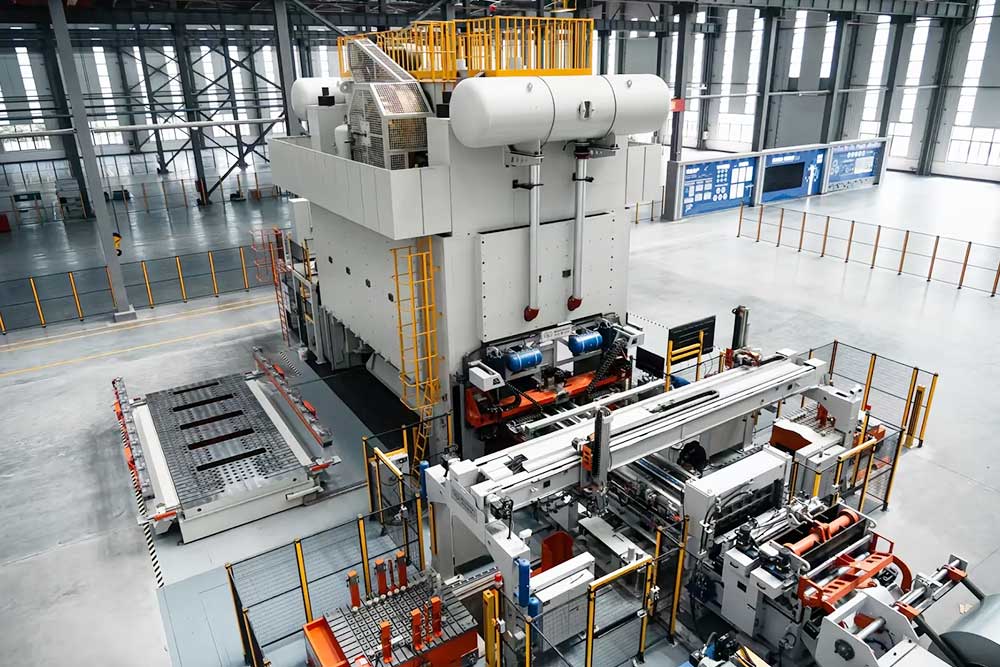
Press brakes remain the backbone of bending operations. CNC press brakes enable programmable bending sequences, precise angle control, and multi-axis operations, reducing operator errors and enhancing repeatability.
Specialized Dies
- V-Dies: Standard for general bends, compatible with various sheet thicknesses.
- U-Dies: Used for deeper bends or tight radius requirements.
- Custom Dies: Designed for complex parts or specialized industrial applications.
Robotic Bending Solutions
Automated bending robots are revolutionizing high-volume manufacturing. They offer:
- Consistent accuracy across thousands of parts
- Ability to handle multi-plane and complex shapes
- Reduced labor costs and minimized human errors
Materials and Their Impact on Bending Performance
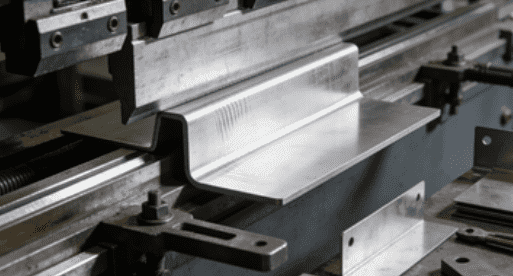
Common Metals for Precision Bending
- Aluminum Alloys: Lightweight, corrosion-resistant, used in aerospace and automotive applications. Requires controlled bend radius to avoid cracking.
- Stainless Steel: Strong, durable, and resistant to wear and corrosion; requires higher bending forces and specialized dies.
- Mild Steel: Economical and versatile, widely used for industrial equipment and structural components.
Advanced Material Considerations
- Grain direction influences bend strength and appearance
- Heat treatments can enhance ductility for difficult bends
- Coated or plated metals may require additional surface protection during bending
Comparison of Bending Techniques
| Technique | Accuracy | Force Required | Typical Use Case | Advantages |
|---|---|---|---|---|
| Air Bending | Medium | Low | Prototyping, light materials | Flexible, less die cost |
| Bottoming | High | Medium | Industrial parts with moderate precision | Balanced accuracy and force |
| Coining | Very High | High | Critical parts, tight tolerances | Maximum precision, minimal springback |
| Hybrid Methods | High | Variable | Complex assemblies | Combines benefits of multiple techniques |
Advanced Bending Concepts
Springback Compensation
Using advanced software and CNC systems, springback is predicted and corrected before bending, improving accuracy for mass production.
Multi-Axis and Compound Bends
Modern applications often require bends in multiple planes. Multi-axis bending machines handle complex geometries without compromising precision.
Custom Die Fabrication
Industries with unique part designs invest in custom dies to achieve complex bends while maintaining tolerances and reducing material waste.
Real-World Applications and Case Studies
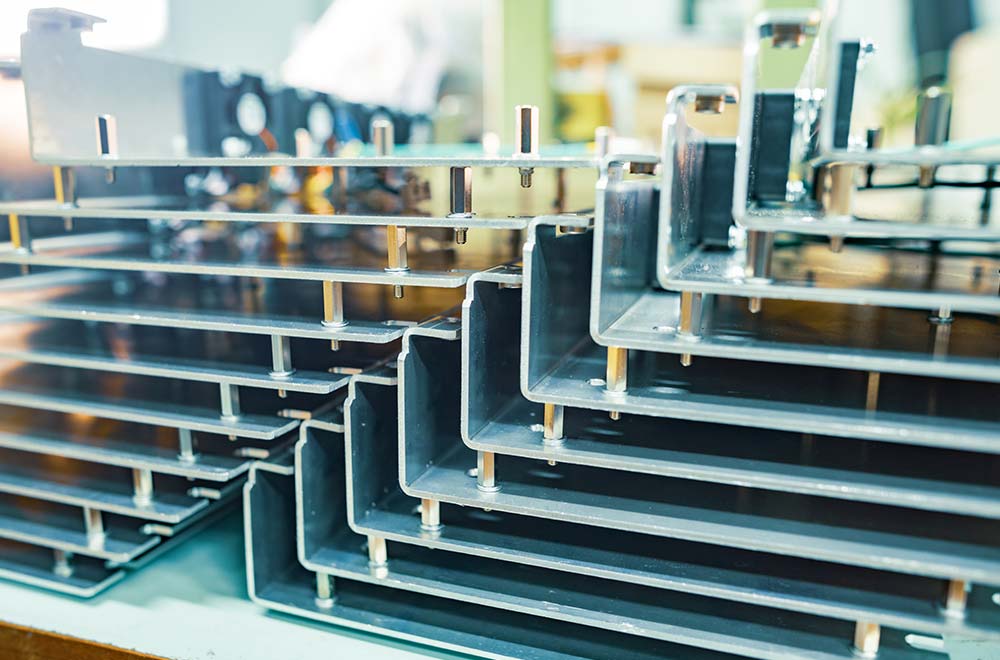
Automotive Industry
Chassis panels, brackets, and structural components are precision bent to exact tolerances. Example: BMW X5 chassis components demonstrate less than 0.5mm deviation using CNC bending technology.
Aerospace and Aviation
Aircraft panels, ducting, and brackets require high-strength metals bent with minimal springback. Case study: Airbus uses laser-assisted bending for aluminum fuselage panels to reduce deformation.
Electronics and Enclosures
Precision bending ensures tight tolerances in enclosures, preventing short circuits and providing structural support. Example: Dell servers employ bottoming techniques for sheet metal chassis.
Industrial Machinery
Equipment housings and frames benefit from coining techniques for critical tolerances and multi-axis bends for complex assemblies.
Troubleshooting and Best Practices
Common Challenges
- Metal Cracking: Use appropriate bend radius, lubricants, or softer metals
- Inconsistent Angles: Regular calibration of machines and CNC programming updates
- Surface Damage: Protective coatings, die padding, and careful handling
Maintenance Recommendations
- Regular lubrication of press brakes
- Periodic inspection of dies and punches
- Calibration checks for CNC systems
Future Trends in Precision Sheet Metal Bending
Laser-Assisted Bending
Laser heating reduces the force required and prevents cracks in high-strength metals.
AI and Machine Learning
AI-powered CNC machines optimize bend sequences, predict springback, and reduce trial-and-error production.
Eco-Friendly Materials
Increasing use of recycled metals and lightweight alloys to meet sustainability goals without compromising performance.
Industry 4.0 Integration
Smart factories monitor bending operations in real time, ensuring quality, reducing downtime, and tracking materials for lean manufacturing.
FAQ
Q1: What is the main difference between air bending and coining?
A1: Air bending applies force without fully pressing the metal into the die, while coining fully deforms the metal for maximum precision and minimal springback.
Q2: How do I choose the right material for bending?
A2: Consider ductility, thickness, and required bend radius. Use industry data for aluminum, steel, and specialty alloys.
Q3: Can robots replace human operators completely?
A3: For high-volume or highly precise operations, robots improve efficiency, but human supervision is still needed for quality assurance and complex adjustments.
Q4: How can I prevent springback?
A4: Software prediction, coining, proper die selection, and pre-bending adjustments help reduce springback effects.
Q5: What industries benefit most from precision sheet metal bending?
A5: Automotive, aerospace, electronics, and industrial equipment manufacturing rely heavily on precision bending for safety, efficiency, and quality.
Conclusion
Precision sheet metal bending is no longer a simple craft—it’s a critical component of modern industrial manufacturing. Understanding materials, machines, techniques, and industry standards ensures high-quality, repeatable results. By leveraging automation, advanced software, and emerging technologies, manufacturers can achieve efficiency, minimize waste, and meet global quality standards.
Investing in precision bending knowledge and equipment provides a competitive edge in automotive, aerospace, electronics, and industrial markets, aligning production processes with future industry trends and sustainability goals.