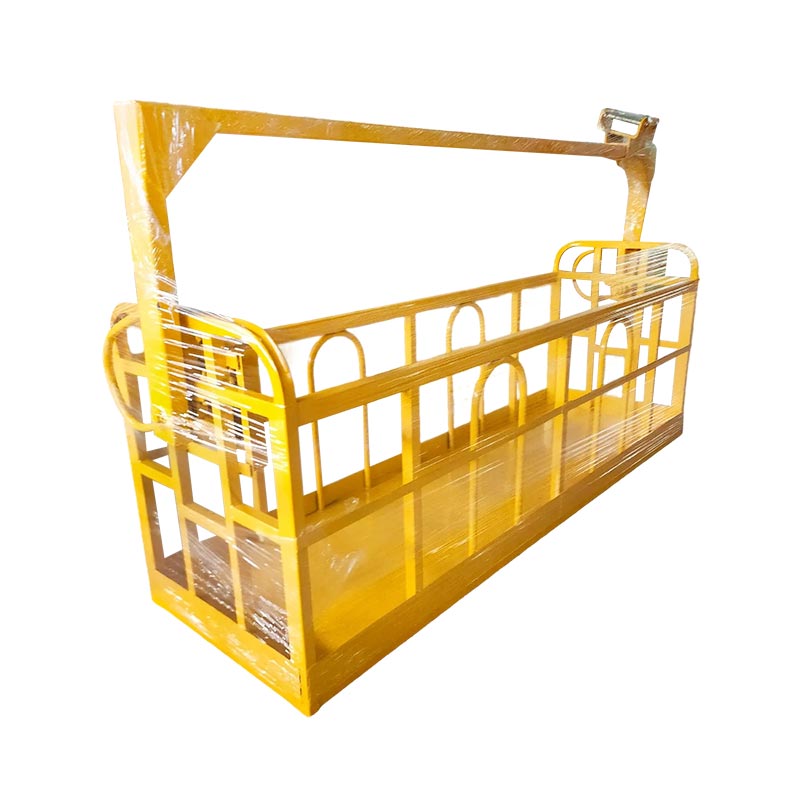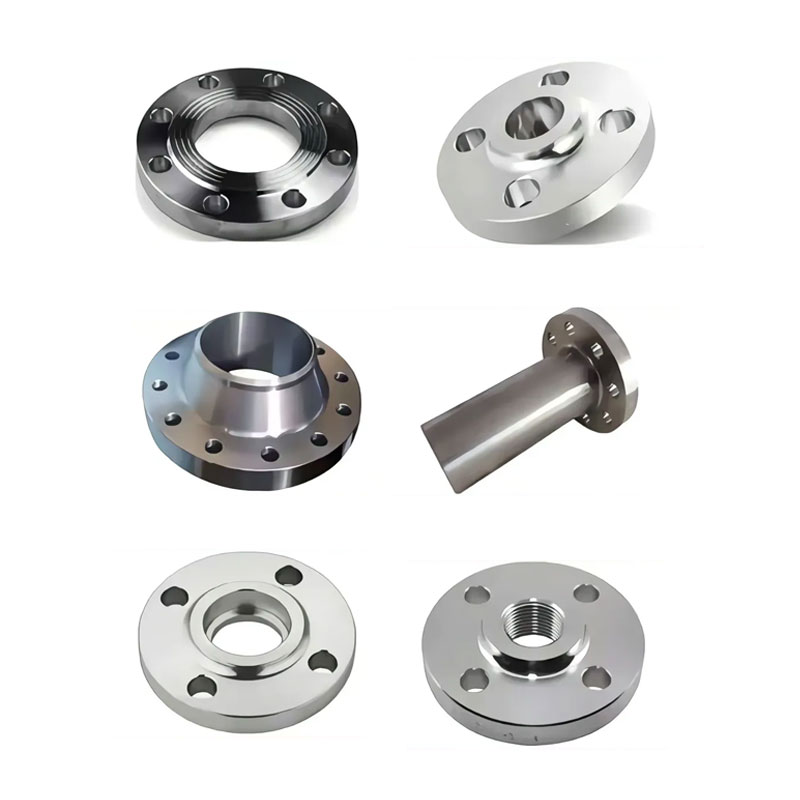
We provide precision machining services for aluminum, stainless steel, carbon steel, iron, copper, and nickel alloys. From stamping to CNC machining and advanced welding, we ensure high-quality and reliable production.
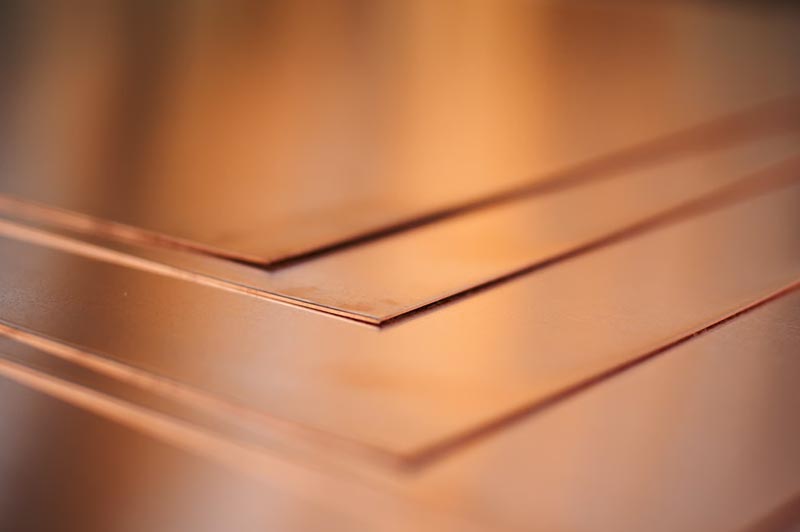
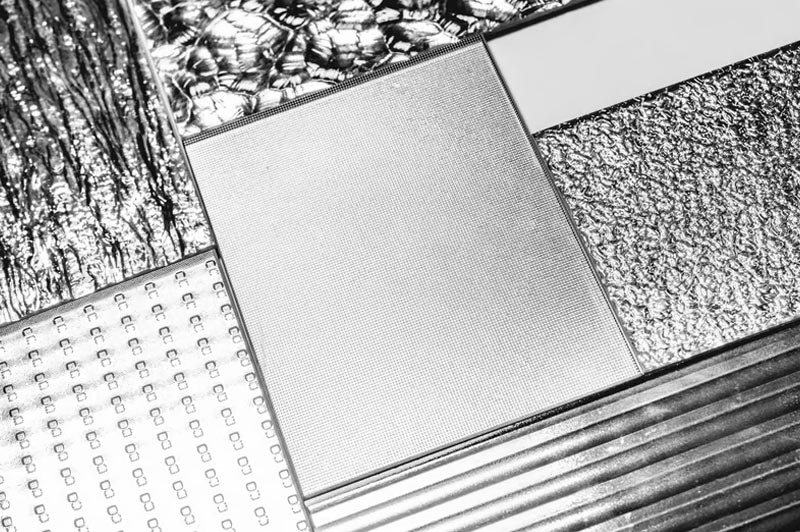
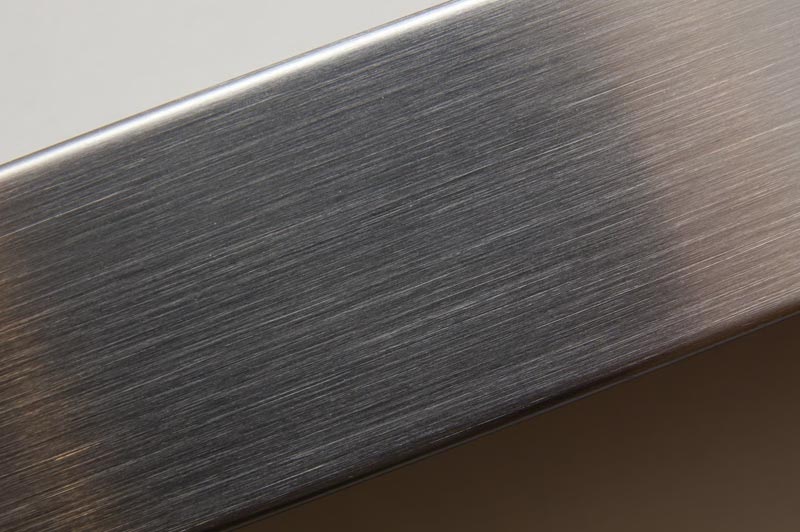
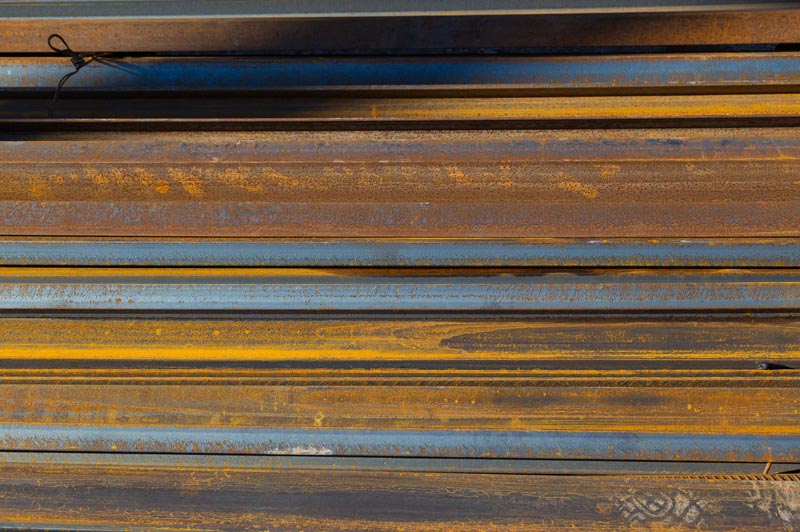
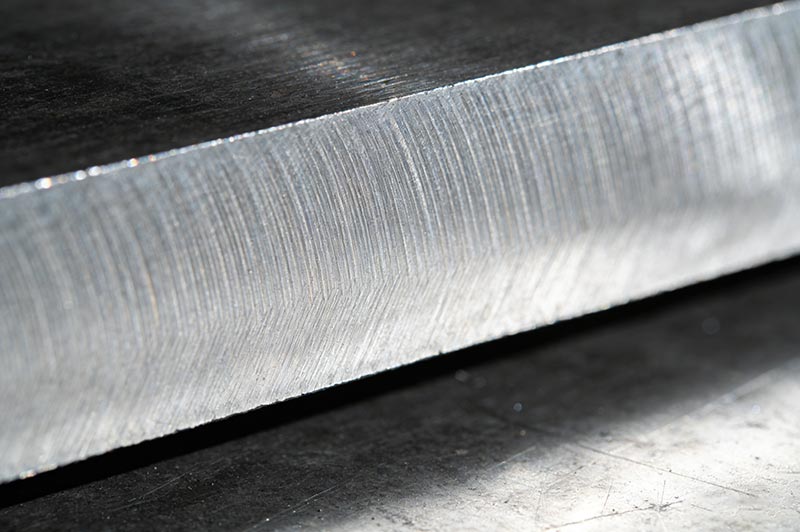
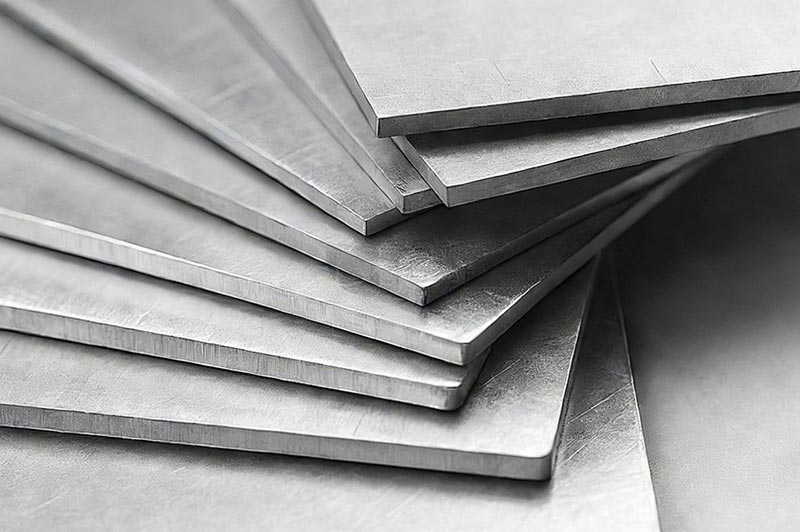
By comparing the properties of different materials, choose the metal that best suits your project.
| Material | Grade / Type | Density (g/cm³) | Tensile Strength (MPa) | Hardness (HB) | Stamping | Sheet Metal | Machining | Springs | Brazing | Corrosion Resistance | Thermal Conductivity (W/m·K) | Electrical Conductivity (%IACS) | Cost | Common Applications |
|---|---|---|---|---|---|---|---|---|---|---|---|---|---|---|
| Aluminum | 6061 | 2.70 | 310 | 95 | Very good | Very good | Very good | Average | Very good | Very good | 167 | 43 | Medium | Caster housings, lightweight agricultural equipment parts, medical device housings |
| 5052 | 2.70 | 228 | 70 | Very good | Very good | Very good | Average | Very good | Very good | 138 | 34 | Medium | Caster housings, sheet metal structural parts, medical housings | |
| 7075 | 2.81 | 572 | 150 | Average | Average | Very good | Average | Average | Average | 130 | 30 | High | High-strength structural parts, aerospace components | |
| Stainless steel | 304 | 8.00 | 580 | 200 | Fair | Fair | Very good | Moderate | Average | Very good | 16 | 2 | High | Medical devices, corrosion-resistant caster components, rust-proof agricultural parts |
| 316 | 8.00 | 620 | 210 | Fair | Fair | Very good | Moderate | Average | Very good | 16 | 2 | Very High | Marine/chemical environment parts, medical equipment, corrosion-resistant structures | |
| 430 | 7.75 | 450 | 180 | Fair | Fair | Average | Moderate | Average | Good | 25 | 4 | Medium-High | Decorative parts, kitchen equipment, heat-resistant components | |
| Copper | C11000 | 8.96 | 210 | 40 | Very good | Very good | Very good | Moderate | Very good | Poor | 385 | 100 | High | Electrical connectors, heat sinks, decorative parts |
| C101 | 8.96 | 220 | 45 | Very good | Very good | Very good | Moderate | Very good | Poor | 390 | 102 | High | High-conductivity components, precision connectors, heat dissipation parts | |
| Carbon steel | Q235 | 7.85 | 375 | 120 | Very good | Very good | Very good | Average | Good | Poor | 50 | 12 | Low | Caster load-bearing parts, agricultural equipment structural parts |
| 1018 | 7.85 | 440 | 126 | Very good | Very good | Very good | Average | Good | Poor | 50 | 12 | Low | Structural parts, shaft parts, stamped parts | |
| 1045 | 7.85 | 600 | 200 | Average | Average | Very good | Average | Good | Poor | 52 | 12 | Medium | High-strength shafts, mechanical parts, load-bearing parts | |
| Iron | Gray cast iron | 7.20 | 200 | 180 | Poor | Poor | Average | Poor | Average | Poor | 52 | 8 | Low | Basic mechanical parts, heavy-duty structural parts |
| Ductile cast iron | 7.15 | 400 | 240 | Average | Average | Average | Poor | Average | Poor | 52 | 8 | Low | Heavy-duty structural parts, automotive parts | |
| Pure iron | 7.87 | 350 | 120 | Average | Average | Average | Poor | Average | Poor | 80 | 10 | Low | Heavy-duty structures, traditional parts, castings | |
| Nickel-based alloy | Inconel 625 | 8.19 | 827 | 280 | Poor | Poor | Average | Poor | Very good | Very good | 11 | 1 | Very High | High-temperature corrosion-resistant parts, chemical equipment |
| Inconel 718 | 8.19 | 1240 | 330 | Poor | Poor | Average | Poor | Very good | Very good | 11 | 1 | Very High | Aerospace / high-temperature environment components |
Unsure which material to choose? Tell us your application and we will recommend the best one.
Choosing the appropriate metal for CNC machining plays a crucial role in ensuring the final part meets performance, quality, and cost expectations. To achieve the best results, several key factors should be evaluated before selecting the material.
Different metals offer varying levels of strength and hardness, which directly impact the part’s durability and wear resistance. For high-stress components, materials such as carbon steel or stainless steel are commonly preferred, while aluminum is ideal for lightweight applications.
Machinability determines how easily a material can be cut, drilled, and shaped using CNC tools. Materials with good machinability, like aluminum and certain grades of brass, help reduce tool wear, improve surface finish, and shorten production time.
For parts exposed to moisture, chemicals, or outdoor environments, corrosion resistance is essential. Stainless steel and nickel alloys offer excellent resistance, making them suitable for medical, marine, and industrial applications.
For components that require heat dissipation or electrical conductivity, materials such as copper and aluminum are often chosen. Copper has excellent conductivity, while aluminum provides a good balance of conductivity and lightweight properties.
Material cost and supply stability can significantly affect the overall project budget and lead time. Common metals like carbon steel and aluminum are generally more cost-effective and widely available, while specialty alloys such as nickel-based materials tend to be more expensive.
Some materials are easier to finish and polish, while others may require additional treatments such as anodizing, plating, or coating. Consider the required surface quality and any post-processing needs when selecting the material.
High-precision parts may require materials with stable dimensional properties and minimal deformation during machining. Metals with consistent structure and low thermal expansion, like stainless steel, are often suitable for precision components.
Different industries have specific material standards and compliance requirements. For example, medical devices often require biocompatible materials, while agricultural and caster applications prioritize strength and durability.