Willkommen auf Mein Blog!
Ich freue mich sehr, dich hier zu haben! bevor wir in die Inhalte eintauchen, würde ich mich freuen, wenn du mich auf meinen Social Media Plattformen begleitest, hier teile ich extra Einblicke, verbinde mich mit unserer tollen Community, halte dich über die neuesten Nachrichten auf dem Laufenden So bleibst du in Verbindung:
📘 Facebook: Lina Metal
Nun, lasst uns gemeinsam auf diese Reise gehen! ich hoffe, ihr findet die Inhalte hier nicht nur aufschlussreich sondern auch inspirierend und wertvoll, los geht's!
Inhaltsverzeichnis
Blog-highlights
- Grundprinzipien der Kosteneffizienz Blechverfahren
- Vergleich traditioneller vs. automatisierter Prozesse
- Materialauswahl für optimale Kosteneffizienz
- Lean Manufacturing und Abfallreduktionsstrategien
- Fallstudien aus der Automobil-, Möbel- und Luft- und Raumfahrtindustrie
- Nachhaltigkeit und umweltfreundliche Ansätze
- Wartungs-, Sicherheits- und Compliance-Tipps
- Branchenstandards und Zertifizierungen
- FAQ, die sich mit häufigen Benutzerfragen befassen
Einleitung
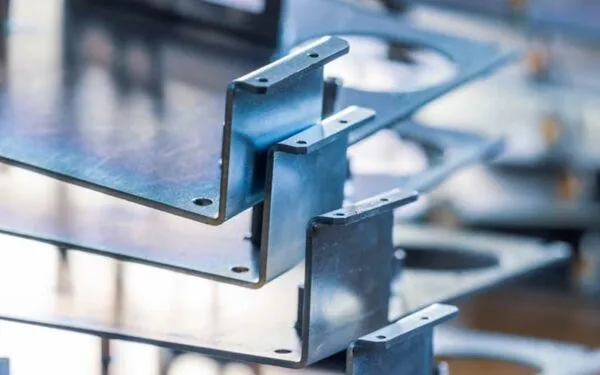
In der heutigen Fertigungslandschaft sind Effizienz und Kostenkontrolle kritisch Die Blechverfahren Zentral ist für Branchen wie Automobil, Luft - und Raumfahrt, Elektronik, Möbel Die Reduzierung von Materialverschwendung, die Optimierung der Arbeitskräfte und die Implementierung von Automatisierung können die Rentabilität erheblich verbessern Durch das Verständnis moderner Techniken können Hersteller langlebige, hochwertige Produkte schaffen und gleichzeitig die Produktionskosten minimieren.
Schlüsselkonzept: Ein effektives Kostenmanagement in der Blechverarbeitung reduziert nicht nur die Kosten, sondern verbessert auch die Produktkonsistenz, Kundenzufriedenheit und Nachhaltigkeit.
Den Blechprozess verstehen
Was ist ein Blechprozess?
A Blechverfahren Schneiden, Biegen, Formen und Zusammensetzen dünner Bleche zu fertigen Komponenten umfasst Die Methoden variieren von herkömmlichen Handwerkzeugen bis hin zu CNC-unterstützten Vorgängen.
Zu den Kernschritten gehören:
- Materialauswahl und - aufbereitung
- Schneiden (Laser, Plasma, Scheren)
- Biegen und Umformen
- Fügen (Schweißen, Nieten, Klebstoffe)
- Oberflächenveredelung (Beschichten, Polieren, Lackieren)
Vorteile kosteneffizienter Prozesse
- Reduzierte Material - und Arbeitskosten
- Verbesserte Konsistenz und Präzision
- Schnellere Produktionszyklen
- Umweltverträgliche Operationen
Materialauswahl: Kosten optimieren, ohne Qualität zu opfern
Aluminium
- Leicht, korrosionsbeständig
- Kosten: ~$2,5/kg (variiert je nach Region)
- Tragfähigkeitsgrenze: Medium für Tragwerksplatten
- Am besten für Luft- und Raumfahrt-, Automobil- und Elektronikkomponenten
Stahl
- Hohe Festigkeit, langlebig, niedrige Kosten
- Kosten: ~$1,2/kg
- Schwer, aber hervorragend für tragende Anwendungen
- Weit verbreitet in Bau - und Industriemaschinen
Edelstahl
- Ausgezeichnete Korrosionsbeständigkeit
- Kosten: ~$3,8/kg
- Ideal für medizinische Geräte, Lebensmittelverarbeitung und Outdoor-Anwendungen
Tabelle 1: Materialvergleich
| Material | Kosten pro kg | Gewicht | Korrosionsbeständigkeit | Ideale Verwendung |
|---|---|---|---|---|
| Aluminium | $2.5 | Licht | Mittel | Automobil, Luft - und Raumfahrt |
| Stahl | $1.2 | Schwer | Niedrig | Bauwesen, Maschinen |
| Edelstahl | $3.8 | Mittel | Hoch | Medizin, Essen, Outdoor |
Prozesstechniken zur Kostensenkung
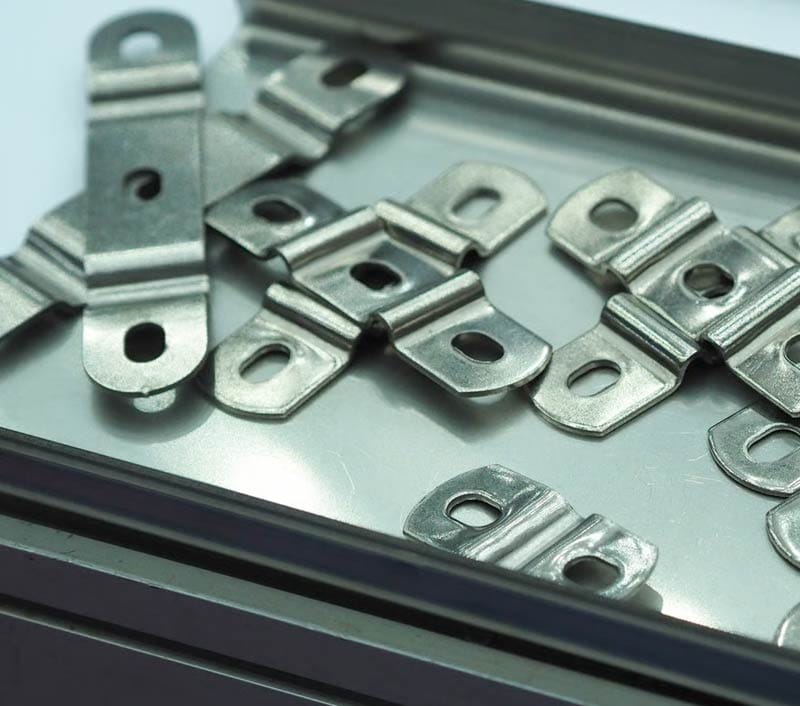
Schneideffizienz
Laserschneiden vs. Scheren
- Laserschneiden: Hohe Präzision, minimaler Abfall, ideal für komplexe Muster Kosten pro Schnitt: ~$0.05 –10./cm².
- Scherung: Schneller für einfache gerade Schnitte, erzeugt aber höheren Schrott Kosten pro Schnitt: ~$0.02 –05/cm².
Schlüsseltipp: Wählen Sie die Schneidmethode basierend auf der Teilekomplexität und dem Produktionsvolumen.
Biegen und Umformen
- Verwenden Sie CNC-Druckbremsen für Präzisionsbiegungen
- Kombinieren Sie Biegevorgänge, um den Materialumschlag zu minimieren
- Behalten Sie eine konsistente Matrizenauswahl bei, um Verschleiß zu reduzieren
Nistlayout
Durch die Optimierung des Teilelayouts wird der Schrott erheblich reduziert Studien zeigen, dass durch effizientes Verschachteln der Materialabfall um 15 – 251 TP3 T reduziert werden kann. Softwarelösungen wie AutoNest und SigmaNEST sind weit verbreitet.
Automatisierung in der Blechverarbeitung
Vorteile der Automatisierung im Blechprozess
Automatisierung in der Blechverfahren Fertigungsverfahren revolutioniert hat, indem Präzision, Geschwindigkeit und Kosteneffizienz kombiniert wurden.
- Reduzierte Arbeitskosten: Automatisierte Systeme können den Arbeitsbedarf um 30 –501 TP3 T reduzieren und es Unternehmen ermöglichen, Personalressourcen für höherwertige Aufgaben umzuverteilen.
- Verbesserte Präzision und Wiederholbarkeit: CNC-gesteuerte Maschinen liefern gleichmäßige Schnitte, Biegungen und Schweißnähte und reduzieren so Fehler und Inkonsistenzen.
- Verkürzte Produktionsvorlaufzeiten: Automatisierung beschleunigt die Produktionszyklen, insbesondere bei Großserienaufträgen, bei gleichbleibender Qualität.
- Verbesserte Sicherheit: Automatisierte Vorgänge reduzieren die direkte menschliche Interaktion mit gefährlichen Werkzeugen wie Laserschneidern oder Druckbremsen und minimieren so Verletzungen am Arbeitsplatz.
Schlüsselkonzept: Die Integration der Automatisierung verbessert nicht nur die betriebliche Effizienz, sondern sorgt auch für qualitativ hochwertige Ergebnisse, sodass sie für eine wettbewerbsfähige Fertigung im Jahr 2026 unerlässlich ist.
Beliebte Automatisierungslösungen im Blechprozess
CNC-Laserschneider
- Sorgen Sie für Präzisionsschneiden für komplexe Geometrien
- Reduzieren Sie Materialabfälle aufgrund der minimalen Schnittfugenbreite
- Kosten pro Schnitt: $0,05 – 10,10/cm²
- Ideal für Luft- und Raumfahrtkomponenten, elektronische Gehäuse und Automobilpaneele
Roboterschweißarme
- Bieten Sie gleichmäßige, hochwertige Schweißnähte
- Kann ohne Ermüdung kontinuierlich betrieben werden
- Reduzieren Sie Nacharbeiten und verbessern Sie die Produktlebensdauer
- Wird häufig in Fahrgestellen und Strukturbaugruppen von Kraftfahrzeugen verwendet
Automatisierte Materialhandhabungssysteme
- Dazu gehören Förderbänder, Roboter-Pick-and-Place und Speicherautomatisierung
- Reduzieren Sie manuelles Heben und Transportieren und steigern Sie so die Effizienz des Arbeitsablaufs
- Fehler und Arbeitsunfälle minimieren
CNC-Stanzpressen
- Stanzen Sie mehrere Löcher in einem einzigen Zyklus mit hoher Präzision
- Kompatibel mit verschiedenen Metallarten und -stärken
- Reduzieren Sie die Bearbeitungszeit für Blechteile, die komplexe Perforationen erfordern
Beispiel für eine reale Welt:
Ein europäischer Möbelhersteller ersetzte das manuelle Biegen und Stanzen durch Robotersysteme, wodurch der Durchsatz um 401TP3 T erhöht und gleichzeitig die Defekte um 151TP3 T reduziert wurden Die Produktionszeit für ein einzelnes Panel verringerte sich von 30 Minuten auf 18 Minuten.
Schlanke Fertigung und Abfallreduzierung
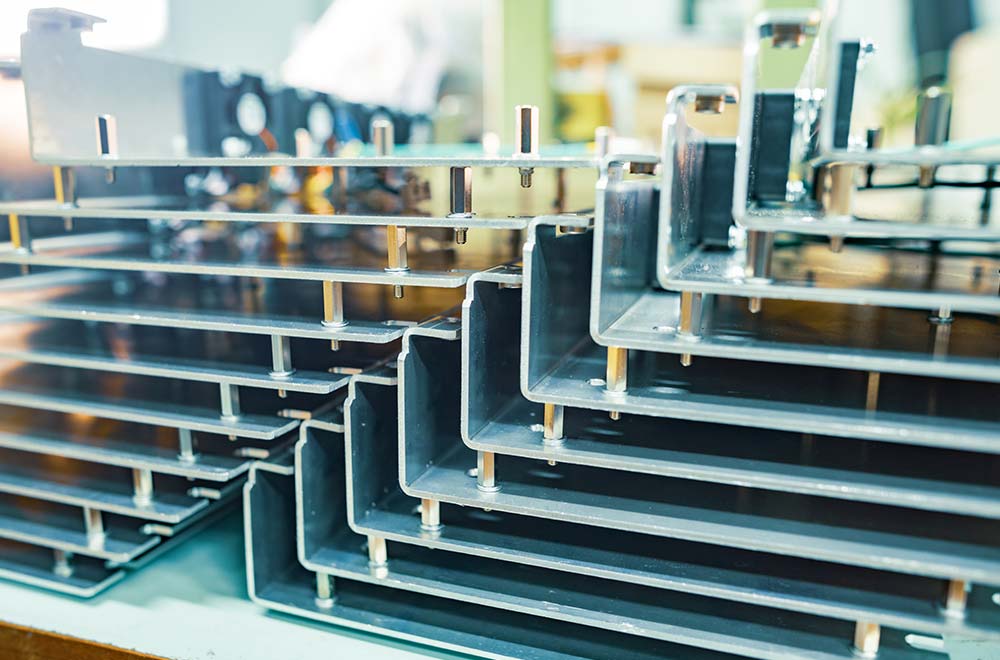
Bei einer effizienten Blechbearbeitung geht es nicht nur um die Automatisierung von Abfällen, sondern auch um die Reduzierung des Ressourcenverbrauchs.
Grundsätze für Blechprozess
- Just-In-Time-Produktion (JIT):
- Produzieren Sie Teile nur nach Bedarf, um die Lagerkosten zu minimieren
- Reduziert den Lagerraum und den veralteten Lagerbestand
- Kaizen-Methodik:
- Kontinuierliche Verbesserung von Workflow und Prozessen
- Kleine, inkrementelle Änderungen können kumulativ zu erheblichen Effizienzgewinnen führen
- 5 S-Organisation:
- Sortieren: Unnötige Gegenstände entfernen
- In Ordnung bringen: Werkzeuge und Materialien organisieren
- Glanz: Arbeitsbereiche sauber halten
- Standardisieren: Behalten Sie konsistente Praktiken bei
- Sustain: Verbesserungen zur Unternehmenskultur machen
Materialrecycling
- Stahlschrott, Aluminium und Edelstahl können neu geschmolzen und wiederverwendet werden
- Durch effizientes Recycling können die Rohstoffkosten jährlich um 10 –151 TP3 T gesenkt werden
- Reduziert die Umweltbelastung und richtet sich nach Nachhaltigkeitszielen
Tipp: Implementieren Sie neben der Automatisierung ein organisiertes Schrottsammel- und Recyclingprogramm, um Kosteneinsparungen zu maximieren.
Best Practices für Wartung und Sicherheit
Routine-Checks
- Überprüfen Sie Hydraulikschläuche, Biegematrizen und Schneidwerkzeuge
- Überwachen Sie die Ausrichtung und den Verschleiß der Maschine
- Tragen Sie die Schmierung regelmäßig auf alle Drehpunkte auf
Sicherheitsrichtlinien
- Verwenden Sie immer persönliche Schutzausrüstung (PSA)
- Installieren Sie Sicherheitsschilde an Laserschneidern und Druckbremsen
- Schulung des Personals in der Notfallhilfe und Erste Hilfe
Servicepläne
- Kleinere Wartung: wöchentlich
- Großkontrolle: alle 500 Stunden 700 Betriebsstunden
- Flüssigkeits- und Schmierersatz: gemäß Herstellerrichtlinien
Branchenstandards und Zertifizierungen
Standards für den Blechprozess
- ISO 9001: Qualitätsmanagement
- EN 10130: Kaltgewalzte kohlenstoffarme Stahlbleche
- ASTM A1008: Standardspezifikationen für kaltgewalztes Stahlblech
Tipp: Stellen Sie immer Materialien und Maschinen her, die anerkannten Standards entsprechen, um Sicherheit, Qualität und Einhaltung gesetzlicher Vorschriften zu gewährleisten.
Fallstudien
Automobilindustrie
- Unternehmen: Europäischer Automobilhersteller
- Prozessoptimierung: Manuelles Schneiden durch CNC-Laserschneiden ersetzt
- Ergebnis: Materialverschwendung um 251TP3 T reduziert, Arbeitskosten um 301TP3 T gesenkt, Produktionsvorlaufzeit um 201TP3 T reduziert
Möbelherstellung
- Unternehmen: Großer Büromöbelhersteller
- Prozessänderung: Implementiertes Roboterbiegen und CNC-Stanzen
- Ergebnis: Reduzierte Defektrate um 151TP3 T, erhöhter Durchsatz um 351TP3 T
Luft- und Raumfahrtkomponenten
- Unternehmen: Zulieferer für Flugzeugteile
- Prozessverbesserung: Einführung automatisierter Verschachtelung und Laserschneiden
- Ergebnis: Materialkosten pro Teil um 181TP3 T reduziert, Produktionsvorlaufzeit um 121TP3 T reduziert
Kostenvergleich: Manuell vs. Automatisiert Blechprozess
| Aspekt | Manueller Prozess | Automatisierter Prozess |
|---|---|---|
| Arbeitszeiten | Hoch | Niedrig |
| Materialabfall | Mittel | Niedrig |
| Erstinvestition | Niedrig | Hoch |
| Produktionsgeschwindigkeit | Mittel | Hoch |
| Konsistenz und Genauigkeit | Mittel | Hoch |
Nachhaltigkeit und Umweltauswirkungen
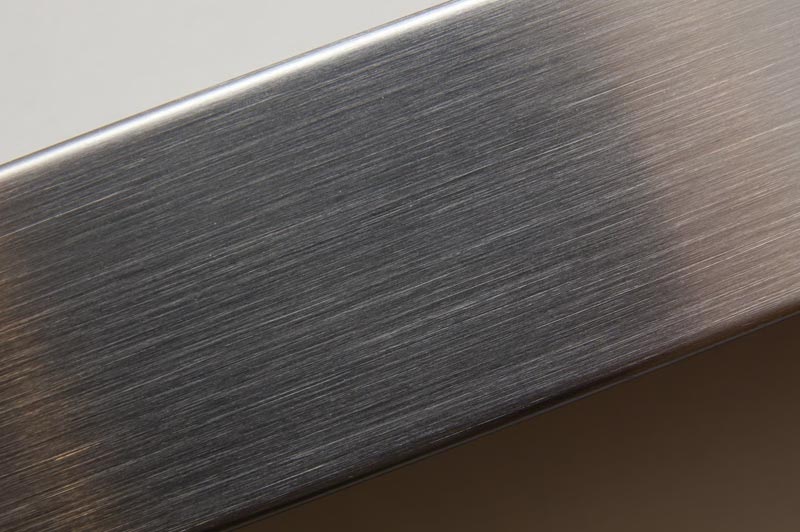
- Recycelte Materialien für Bleche reduzieren den ökologischen Fußabdruck
- Nutzen Sie energieeffiziente Laserschneider und Abkantpressen
- Minimieren Sie chemische Beschichtungen, um VOC-Emissionen zu reduzieren
Öko-tipp: Suchen Sie nach VOC-armen Beschichtungen und FSC-zertifizierten Stahllieferanten.
Schlussfolgerung
Ein gut optimiertes Blechverfahren Blends intelligente Materialauswahl Optimierung, Automatisierung Wartung, Hersteller können Kosten zu verbessern, Effizienz zu gewährleisten, sicherzustellen, und nachhaltige Produktauswahl, Arbeitsablauf zu unterstützen, ohne Kompromisse bei der Qualität Durch die Integration von Industriestandards, Lean-Prinzipien und Best Practices aus der realen Welt können Unternehmen einen Wettbewerbsvorteil im Jahr 2026 und darüber hinaus erhalten.
FAQ
F1: Wie kann ich Materialabfälle in der Blechbearbeitung reduzieren?
A: Optimieren Sie das Verschachtelungslayout, wählen Sie die richtige Materialdicke aus und verwenden Sie Präzisionsschneidmethoden.
F2: Ist Automatisierung für kleine Werkstätten geeignet?
A: Teilautomatisierung (CNC-unterstützte Tools) kann ein gutes Gleichgewicht zwischen Kosten und Effizienz bieten.
F3: Wie oft sollten Blechmaschinen gewartet werden?
A: Wöchentlich für Routinekontrollen, alle 500 700 Stunden für Großinspektionen und Schmierung nach Bedarf.
F4: Welches Blechmaterial ist für die Massenproduktion am kostengünstigsten?
A: Stahl ist im Allgemeinen am erschwinglichsten; Aluminium kann für gewichtsempfindliche Anwendungen vorzuziehen sein.
F5: Kann Kostensenkung die Produktqualität beeinträchtigen?
A: Die richtige Optimierung verbessert die Effizienz und erhält gleichzeitig die Qualität oder verbessert sie sogar.