
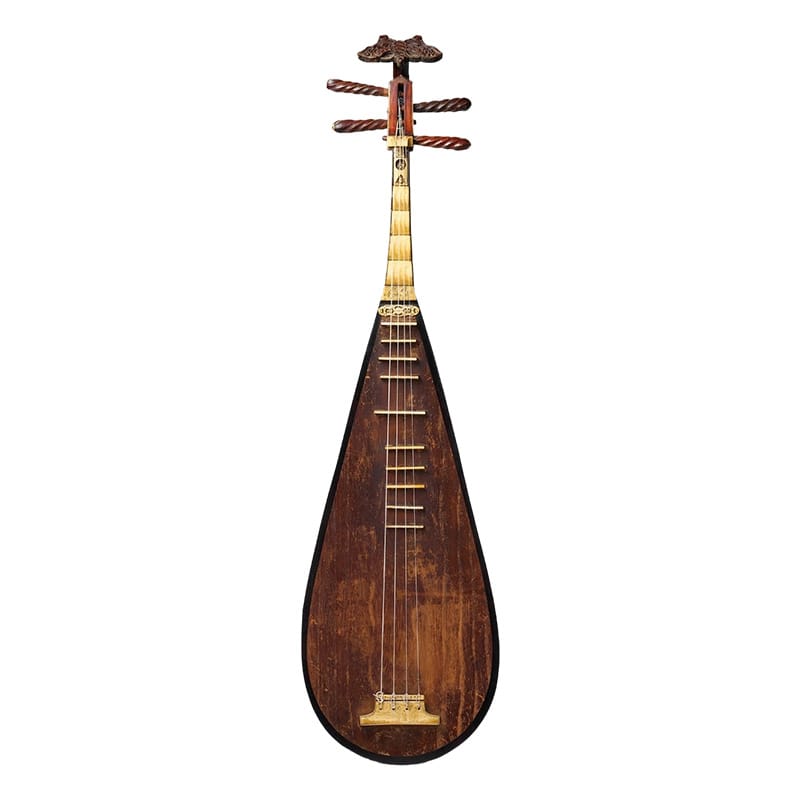
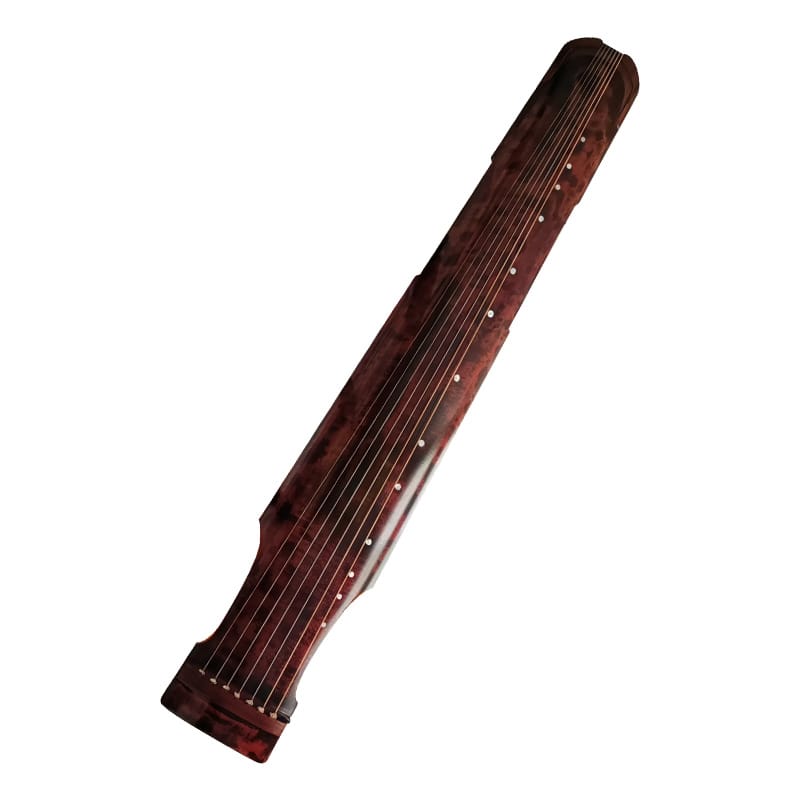
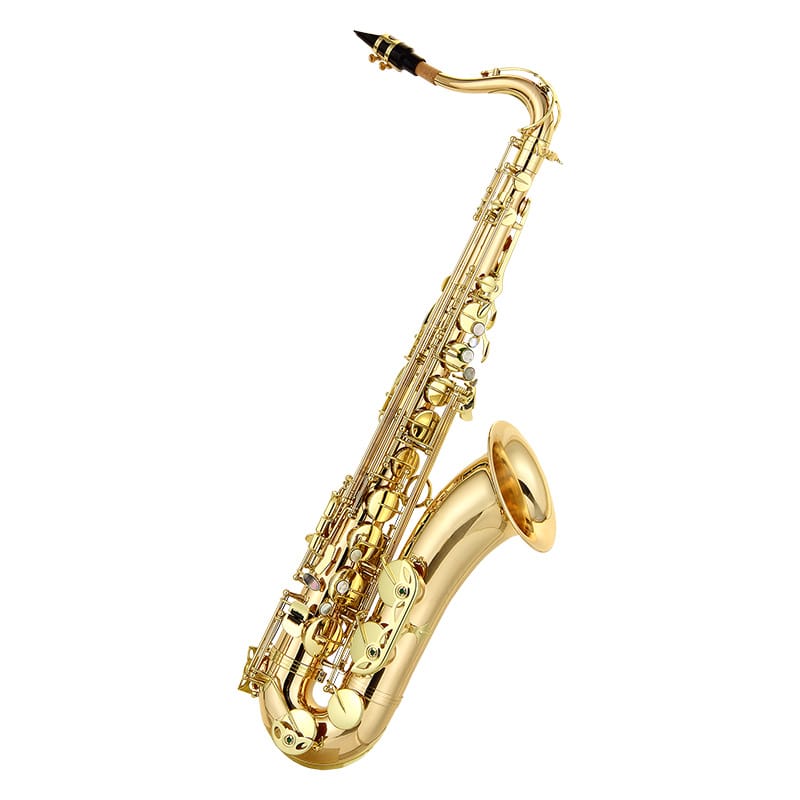
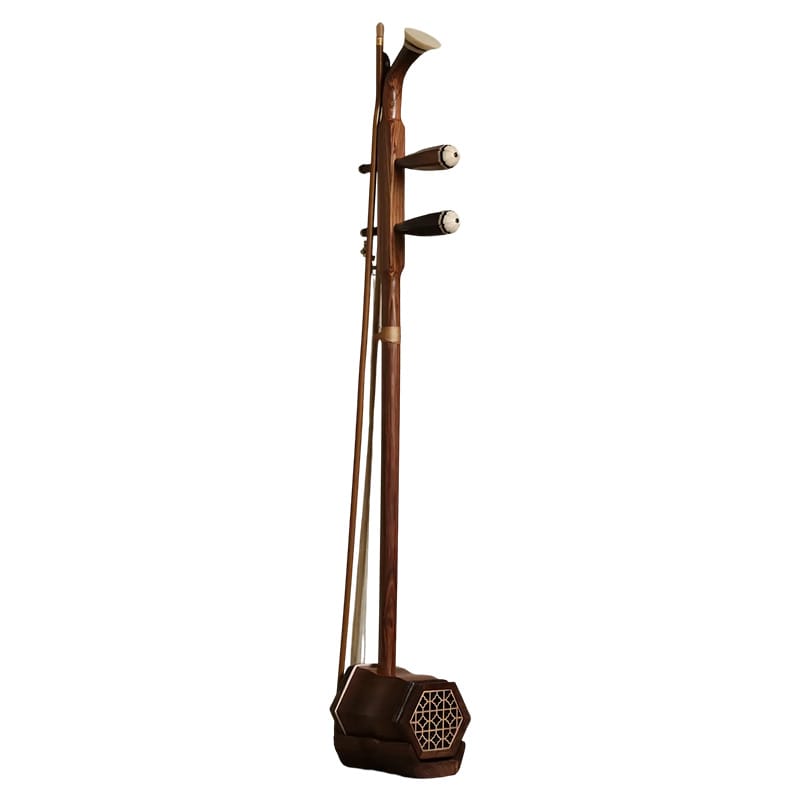
Musikinstrumente sind eine Mischung aus Kunst und Industrie, die Metallstanzen/Blechumformung, Präzisionsbearbeitung und akustische Stimmung kombinieren. Ihre Kernfunktion besteht darin, durch Vibration Klänge bestimmter Frequenzen zu erzeugen und so den musikalischen Ausdruck zu vermitteln.
Musikinstrumente Sind eine einzigartige Kombination aus Kunst und Feinwerktechnik, die Metallstanzen, Blechumformung, Präzisionsbearbeitung und akustische Stimmung integriert Ihre Hauptfunktion besteht darin, durch Vibration Schall mit bestimmten Frequenzen zu erzeugen und so ausdrucksstarke Darbietungen in professionellen Umgebungen, Musikausbildung und Heimunterhaltung zu ermöglichen.
Die strukturellen Kernkomponenten von Blechblasinstrumenten, Schlaginstrumenten und elektronischen Musikinstrumenten werden größtenteils im Metallstanz- und Blechverfahren hergestellt. Diese Komponenten gewährleisten strukturelle Stabilität, hervorragende akustische Leistung und ästhetische Attraktivität. Es wird eine volldimensionale, nicht standardmäßige Anpassung unterstützt, die Anpassungen an Größe, Design und akustische Eigenschaften entsprechend den Kundenanforderungen ermöglicht.
Materialauswahl und Vorbehandlung: Metalle werden nach Instrumententyp ausgewählt (z. B. Messing für Blechblasinstrumente, kaltgewalzter Stahl für Trommelgehäuse) und zur Entfettung und Rostverhinderung behandelt.
Präzises Schneiden: CNC-Laserschneid- oder Schermaschinen steuern die Blattgrößentoleranz auf ±0,1 mm und bilden die Grundlage für Kernkomponenten wie Resonanzrohre, Trommelgehäuse und Glockenmündungen.
Formprägung: CNC-Stanzmaschinen mit kundenspezifischen Formen produzieren Präzisionsteile, wie Mundstücke, Schlüsselhalterungen und Ventilkörper, unter Einhaltung von Toleranzen 0,02 mm für die luftdichte Montage.
Tiefzeichnen: Mehrstufiges Tiefziehen formt gebogene Komponenten wie Glockenmündungen und Tonabnehmergehäuse und sorgt so für eine gleichmäßige Wandstärke (0,03 mm) für gleichmäßige akustische Vibrationen.
Hilfsstempel: Verfahren einschließlich Stanzen, Trimmen und Bördeln verfeinern Kanten, verhindern Kratzer und verbessern die Vibrationsqualität, z. B. das Polieren von Beckenblättern nach dem Stanzen.
Präzisionsbiegen: CNC-Biegemaschinen biegen Resonanzrohre, Trommelgehäuse und Instrumentenkörper mit einer Winkeltoleranz von ±0,5° und sorgen so für einen gleichmäßigen Luftstrom und eine gleichmäßige Schallerzeugung.
Schweißen und Verstärkung: Beim Argonlichtbogen- oder Laserschweißen entstehen glatte, porenfreie Schweißnähte; Gestanzte Verstärkungsrippen erhöhen die strukturelle Stabilität, beispielsweise an Instrumentenständern und Montagehalterungen.
Rost- und Korrosionsprävention: Zinkplattierung, Vernickelung oder elektrophoretische Beschichtung widersteht Feuchtigkeit und Außenbedingungen und ist für Bühnen- und Leistungsumgebungen geeignet.
Ästhetische Veredelung: Messinginstrumente werden auf metallischen Glanz gebürstet und poliert; E-Gitarren verwenden eine elektrostatische Pulverbeschichtung oder eloxieren, wodurch visuelle Attraktivität und Haltbarkeit ausgeglichen werden.
Akustische Optimierung: Durch das Abschrecken und Anlassen ausgewählter Komponenten, wie z. B. Beckenplatten, werden Metallhärte und Vibrationsfrequenz für einen stabilen, hochwertigen Klang angepasst.
Präzisionsbaugruppe: Gestanzte Blechteile werden mit Schnüren, Tonabnehmern und Kolben zusammengesetzt. Automatisierte Montageausrüstung verbessert die Konsistenz, während bewegliche Teile flexibel und klemmfrei bleiben.
Akustisches Tuning: Techniker optimieren Ton und Tonhöhe, indem sie die Abstände und Dichtungsintegrität der gestanzten Komponenten anpassen und so eine professionelle Klangqualität gewährleisten.
Qualitätsinspektion: Visuelle, dimensionale und akustische Tests garantieren, dass Instrumente den Leistungsstandards entsprechen; Defekte Komponenten werden überarbeitet, um die Qualitätskonsistenz aufrechtzuerhalten.
Automatisierte Geräte steigern die Produktionseffizienz und Präzision von Musikinstrumenten:
Vollautomatische Stanz - und Zuführmaschinen ermöglichen eine volumenstarke Fertigung von Schlüsselklammern und Beckenrohlingen.
Automatisierte Montagemaschinen beschleunigen die Montage von Komponenten wie Ventilen, Tasten und Schnüren.
Visuelle Inspektionssysteme gewährleisten die Maßgenauigkeit von Stanzteilen.
Dieser integrierte Ansatz entspricht den Anforderungen großvolumiger Auslandsaufträge und behält gleichzeitig eine gleichbleibende akustische und strukturelle Qualität für jedes Musikinstrument bei.
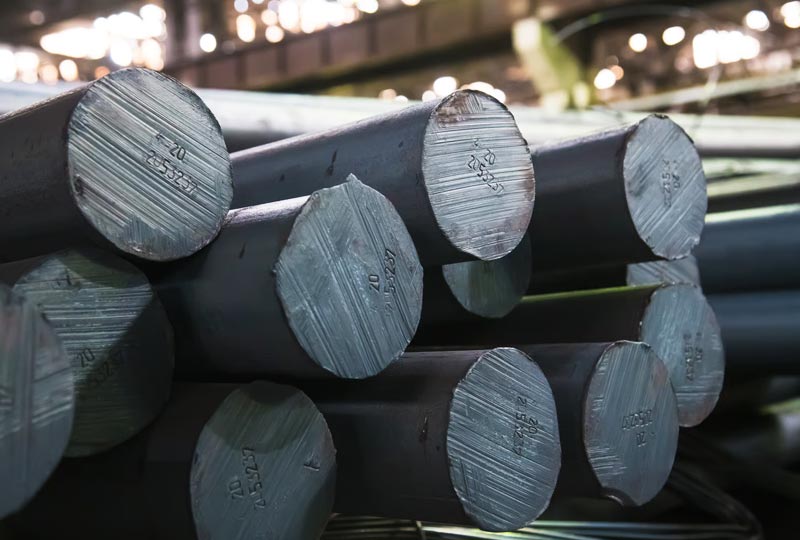
Kohlenstoffstahl, Edelstahl, Eisen, Kupfer, Aluminium, Nickelbasislegierungen
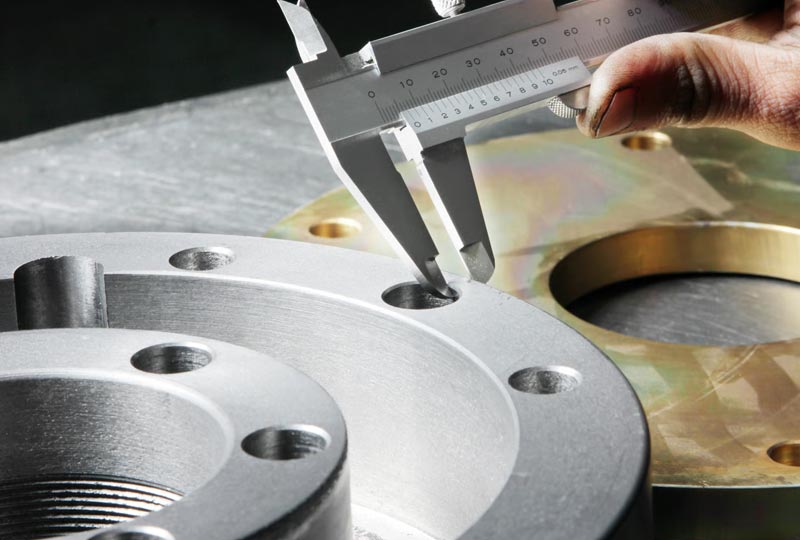
Kundenspezifische Größen, Strukturen und Präzisionsanforderungen basierend auf Zeichnungen oder Mustern
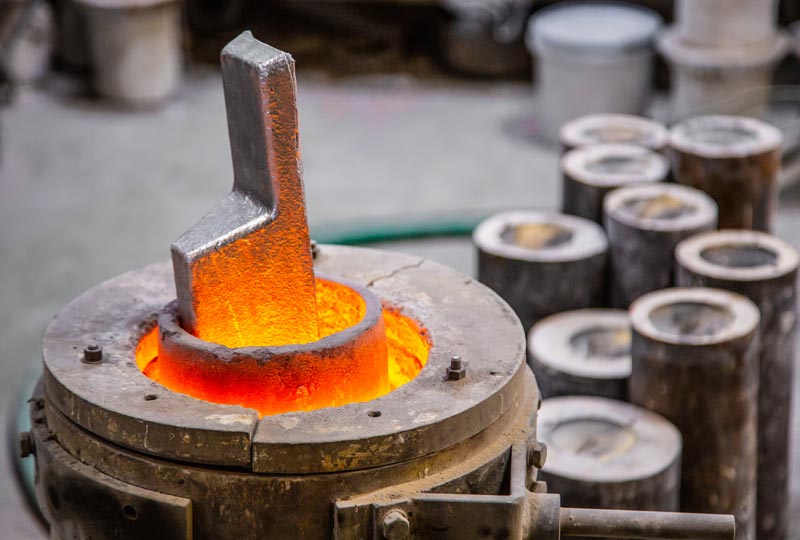
Stanzen, Blechbiegen, Gießen, Schmieden, Bearbeiten, Federherstellung, Hartlöten
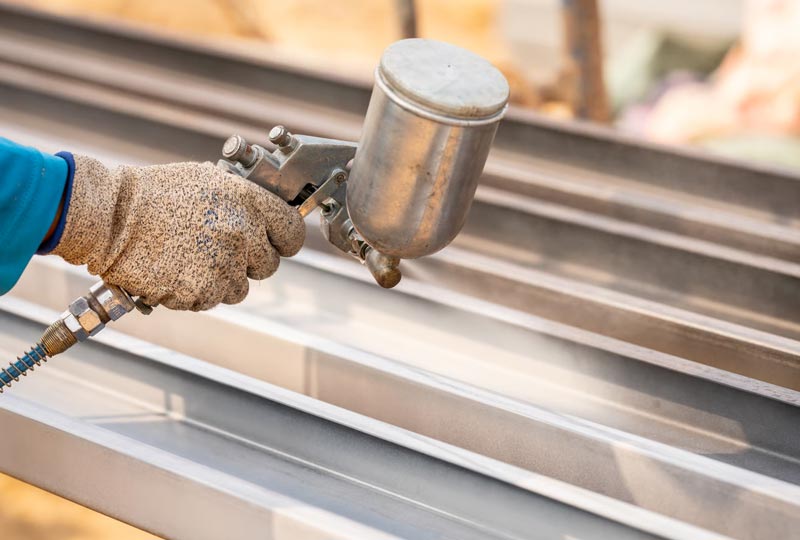
Verzinken, Pulverbeschichten, Lackieren, Polieren, Eloxieren, Plattieren
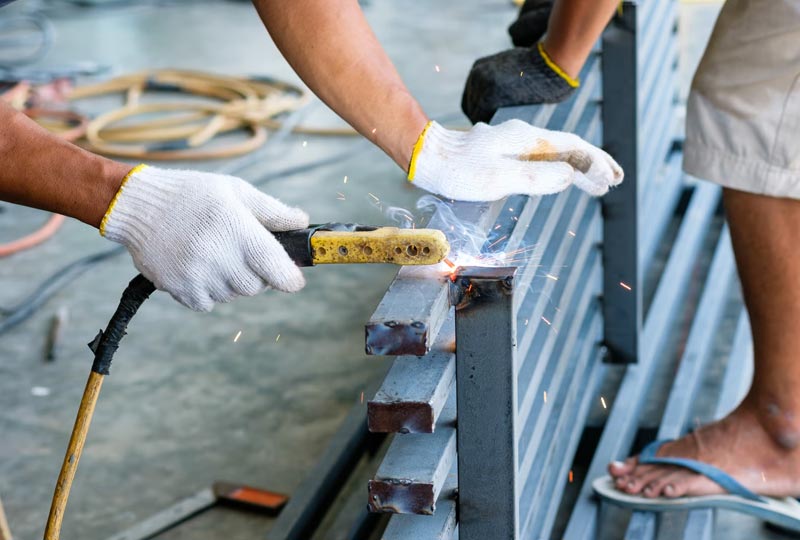
Maßgeschneiderte Formen, mehrteilige Montage, funktionale Integration
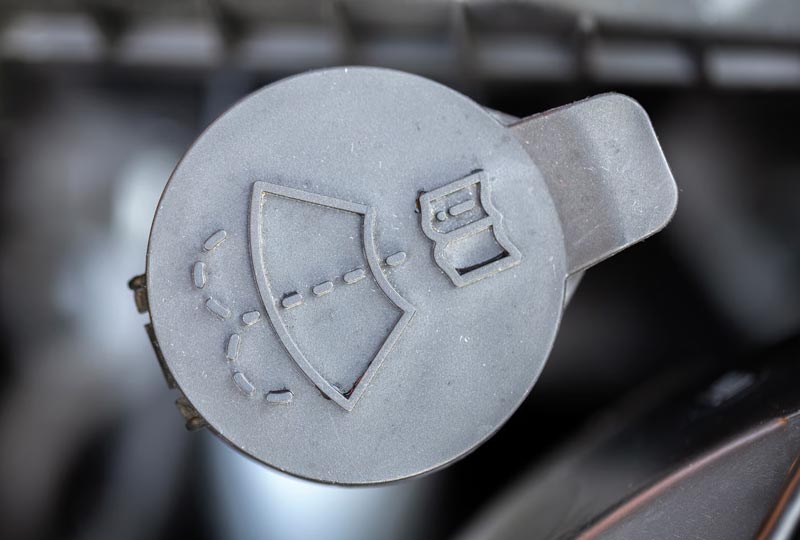
Logo-Markierung, Teilenummerngravur, private Beschriftung
Unsere Metallprodukte und maßgeschneiderten Lösungen sind in mehreren Branchen weit verbreitet und erfüllen unterschiedliche Leistungs- und Betriebsanforderungen.
Wir arbeiten seit einigen Jahren mit diesem Team zusammen Ihre Metallteile zeigen eine hervorragende Konsistenz über Chargen hinweg, und Lieferpläne sind immer zuverlässig Kommunikation ist reibungslos, und der technische Support ist professionell.