Welcome to My Blog!
I’m thrilled to have you here! Before we dive into the content, I’d love for you to join me on my social media platforms. It’s where I share extra insights, connect with our amazing community, and keep you updated on the latest news. Here’s how you can stay connected:
📘 Facebook: Lina Metal
▶️ YouTube: Lina Metal Channel – watch tutorials, demos, and in-depth guides
Now, let’s embark on this journey together! I hope you find the content here not only insightful but also inspiring and valuable. Let’s get started!
Table of Contents
Key Takeaways from This Article
- Discover why custom metal processing is critical for modern manufacturing efficiency.
- Explore different custom metal processing methods and their industrial applications.
- Learn how precision, quality control, and scalable production impact costs and safety.
- Compare custom metal processing with standard mass production methods.
- Access practical tips for selecting the right manufacturing solutions for your projects.
Introduction
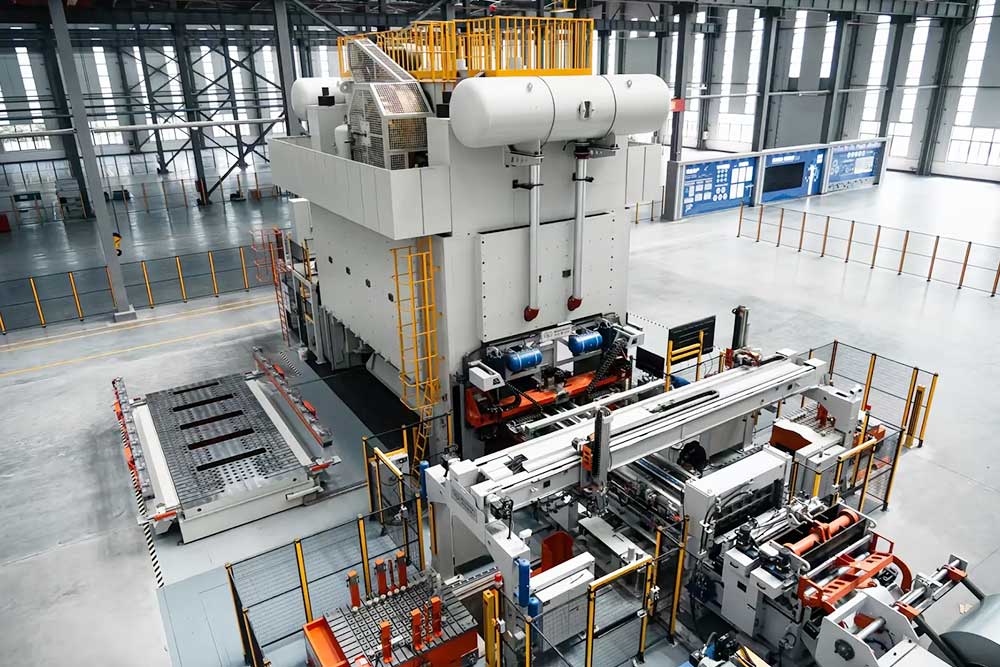
In today’s highly competitive manufacturing landscape, custom metal processing has become a game-changer. Companies need not only high-quality parts but also flexibility, precision, and fast turnaround times. From aerospace components to industrial machinery, the demand for tailored metal solutions is growing rapidly. According to a 2025 report by MarketsandMarkets, the global precision metal parts manufacturing market is projected to reach $120 billion by 2030, driven by the increasing adoption of automated and custom metal fabrication technologies.
Whether it’s stamping, CNC machining, or forging, understanding the advantages of custom metal processing helps manufacturers reduce costs, improve product quality, and remain competitive. In this comprehensive guide, we’ll break down key benefits, methods, industry standards, and practical insights to help manufacturers optimize their production strategy.
What is Custom Metal Processing?
Custom metal processing refers to metalworking services tailored to meet specific functional and design requirements. Unlike standard, off-the-shelf components, custom metal parts are designed to precise specifications, ensuring better performance and structural reliability.
Key Concepts in Custom Metal Processing
- Tailored Fabrication: Parts are manufactured according to client specifications, including size, material, surface finish, and functional requirements.
- Diverse Techniques: Includes stamping, sheet metal bending, CNC machining, brazing, forging, casting, and spring processing.
- Industrial Applications: Commonly used in aerospace, automotive, electronics, consumer goods, and industrial machinery.
Why Manufacturers Invest in Custom Metal Processing
- Precision and Accuracy: Tolerances can be as tight as ±0.01 mm in CNC machined components.
- Flexibility: Small-batch prototyping or large-scale production can be accommodated.
- Quality Assurance: Continuous inspection ensures that parts meet or exceed customer standards.
- Cost Efficiency: Reduces material waste and assembly errors through optimized processes.
Core Benefits of Custom Metal Processing
Improved Product Quality and Reliability
Custom metal processing ensures consistent quality from raw materials to final products. Every stage can be monitored using strict quality control measures.
- Material Selection: Aluminum, stainless steel, carbon steel, copper, and nickel alloys are commonly used. Specialty alloys allow performance optimization for high-stress applications.
- Inspection Methods: Include dimensional measurement with CMM, surface inspection for burrs or finish defects, and functional testing under simulated conditions.
- Standards Compliance: ISO 9001, ASTM, and EN 10025 standards ensure material, structural, and process quality.
Case Study: An aerospace component manufacturer producing engine brackets for jet turbines reduced defect rates by 35% using CNC machining combined with final CMM inspection, ensuring components met tight tolerances and certification requirements.
Increased Manufacturing Efficiency
Efficiency is a significant advantage of custom metal processing:
- Automation Integration: Modern CNC machines, automated stamping, and laser cutting reduce human error and production time.
- Material Optimization: Processes like sheet metal bending and precision stamping minimize scrap material.
- Workflow Streamlining: Combining multiple processes, such as casting followed by machining and brazing, reduces downtime and accelerates delivery.
Data Insight: According to IndustryWeek, companies that integrate multi-process custom metal manufacturing can reduce average production lead time by 20–30%.
Flexibility for Complex Designs
Custom metal processing can accommodate complex part geometries, tight tolerances, and high-strength requirements.
- Brazing and Welding: Create strong, precise joints for structural components.
- Forging: Suitable for high-impact or load-bearing parts requiring enhanced mechanical properties.
- Spring Processing: Custom compression, torsion, and extension springs ensure tailored mechanical functionality.
Example: A robotics manufacturer required compact torsion springs with exact torque specifications. Custom spring processing allowed production of prototypes with ±0.5% deviation, meeting functional testing standards.
Cost Savings Through Process Optimization
While custom metal parts may have a higher per-unit cost for small batches, they reduce long-term operational costs:
- Minimized waste due to optimized blanking and material utilization.
- Lower assembly costs through pre-fabricated, ready-to-assemble components.
- Reduced maintenance costs as precision parts last longer and fit accurately.
Custom Metal Processing Methods
Stamping
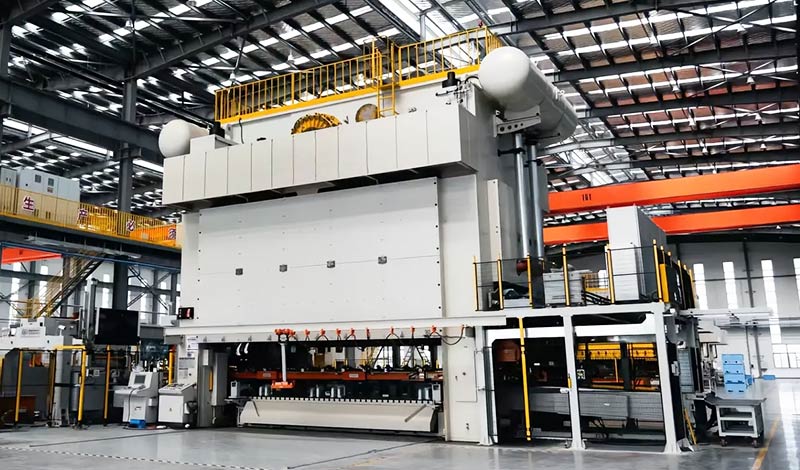
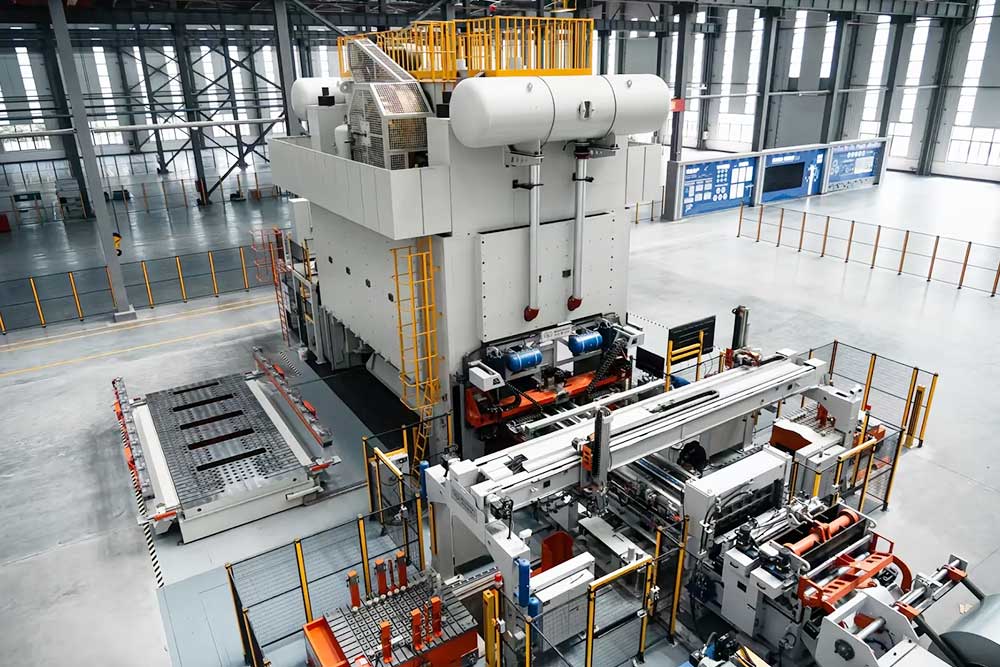
- High-efficiency technique for precision components.
- Ideal for both prototyping and mass production.
- Reduces material waste through optimized die design.
Sheet Metal Bending
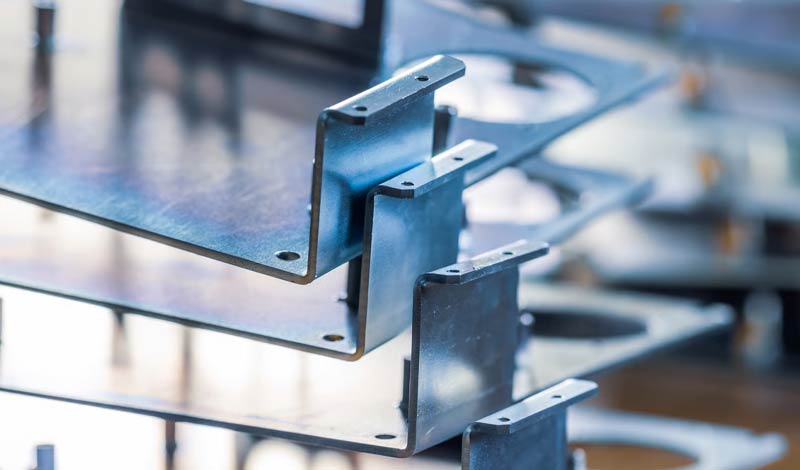
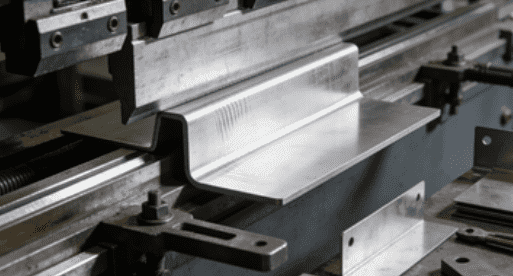
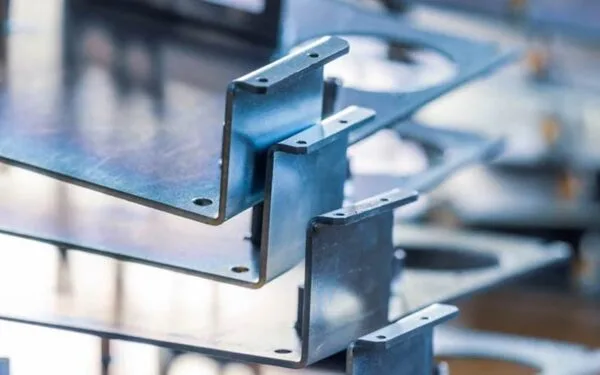
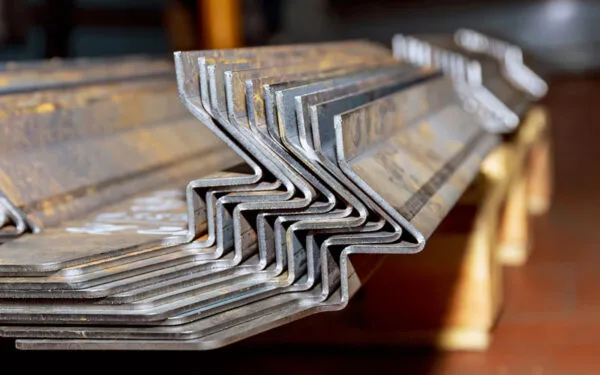
- Allows precise bending, forming, and punching of sheet metal structures.
- Ensures consistent dimensions and structural integrity.
Casting
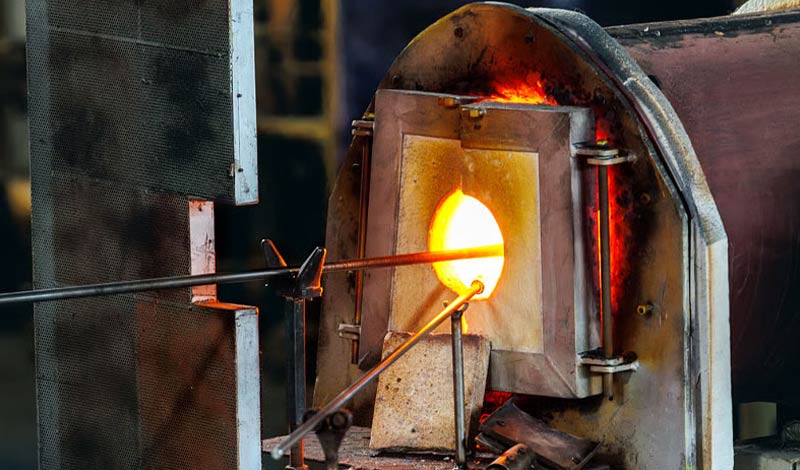
- Suitable for structurally complex, load-bearing components.
- Provides consistent material properties and reduces machining requirements.
CNC Machining
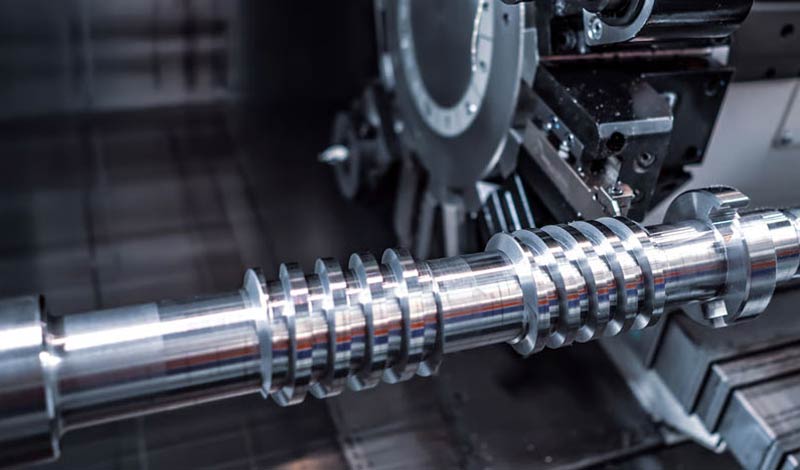
- Offers high precision and surface finish.
- Essential for aerospace, medical devices, and automotive applications.
Brazing
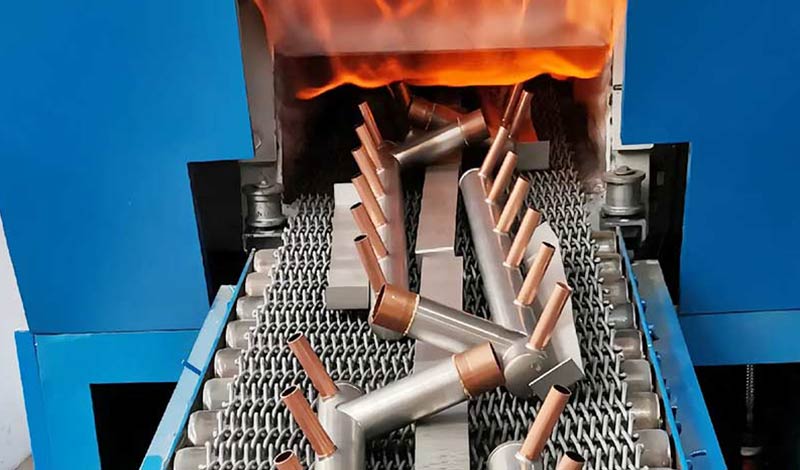
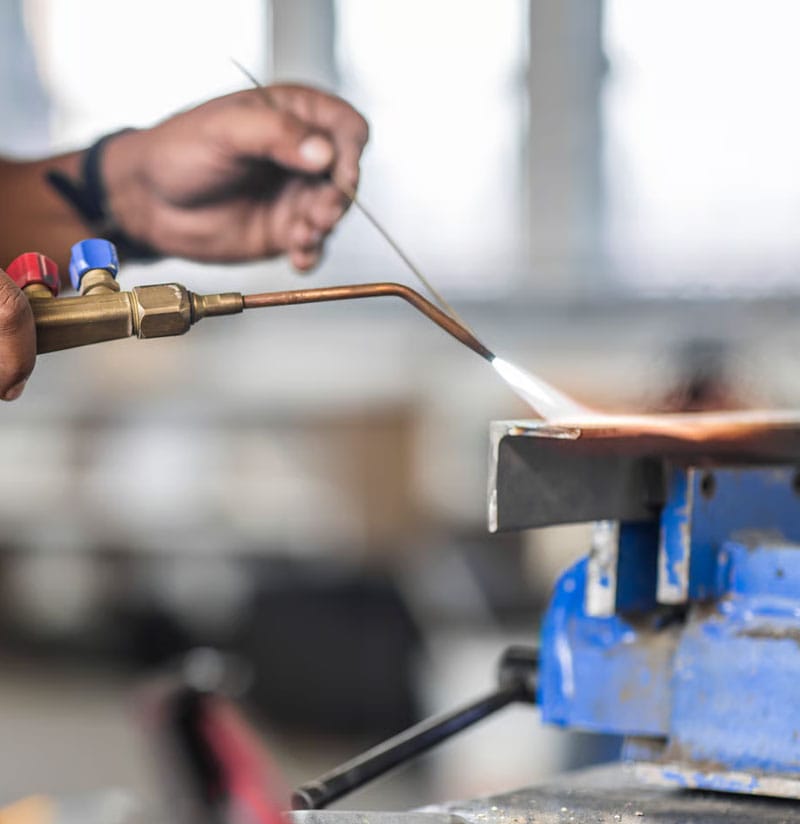
- Strong and clean joining of metals, particularly for assemblies with mixed alloys.
- Supports complex geometries without compromising structural integrity.
Forging
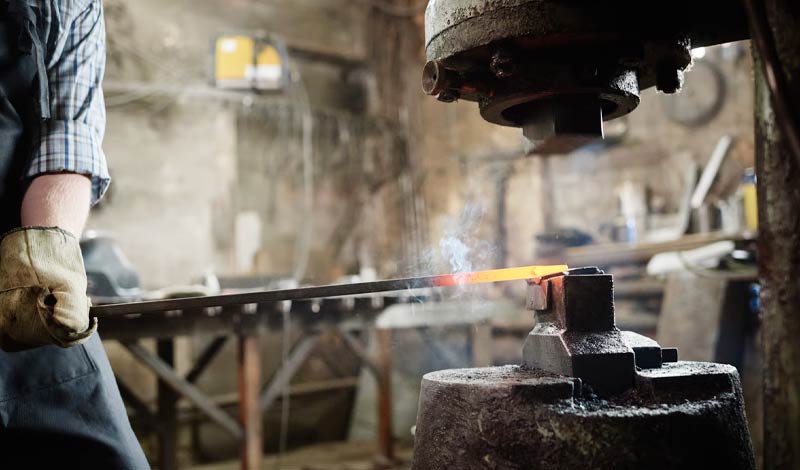
- Produces high-strength, impact-resistant parts.
- Suitable for industrial machinery, automotive drive components, and heavy-duty tools.
Spring Processing
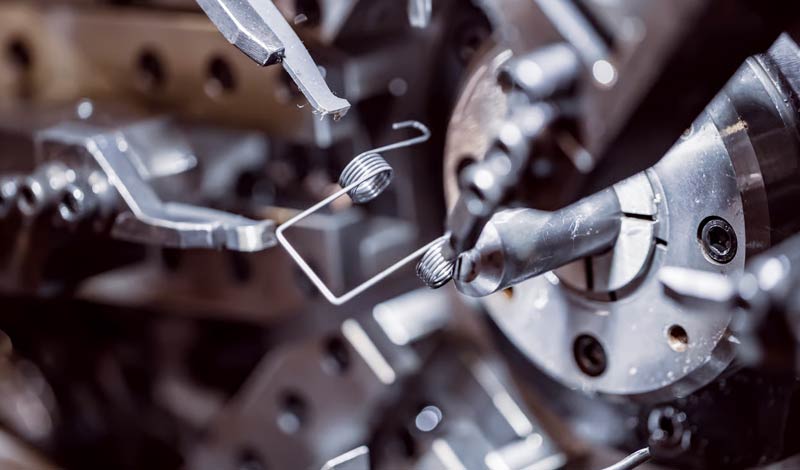
- Custom manufacturing of compression, extension, and torsion springs.
- Ensures accurate mechanical properties for specialized machinery.
Comparing Custom Metal Processing vs Standard Parts
Flexibility
Custom processing adapts to new designs and rapid prototyping needs, while standard parts often require compromises in design or fit.
Cost Considerations
| Feature | Custom Metal Processing | Standard Mass Production |
|---|---|---|
| Design Flexibility | High – tailored | Low – fixed designs |
| Tolerances | Tight (±0.01 mm) | Moderate (±0.1–0.5 mm) |
| Material Options | Wide including specialty alloys | Limited common metals |
| Lead Time | 1–4 weeks for prototypes | Longer for specific sizes |
| Volume | Small to large batch | Large batch preferred |
| Cost | Higher for small runs | Lower per unit in bulk |
Quality Control in Custom Metal Processing
Quality control is critical in maintaining part integrity and compliance:
- Incoming Material Checks: Verify chemical composition and mechanical properties.
- Dimensional Inspection: Tools like calipers, micrometers, and CMM ensure tolerances are met.
- Surface and Finish Inspection: Detect burrs, scratches, or coating issues.
- Process Monitoring: Regular checks during bending, stamping, or machining ensure consistent quality.
- Final Inspection: Includes assembly testing, load testing, and packaging verification.
Industry Standard: ISO 9001:2015 and ASTM F2921 provide guidelines for process control and material testing, ensuring repeatable quality.
Applications and Industry Case Studies
Automotive
- Custom metal parts like chassis components and engine mounts require precision and high strength.
- Example: A tier-1 automotive supplier used custom stamping and CNC machining to reduce chassis assembly weight by 15%, improving fuel efficiency.
Aerospace
- Engine brackets, turbine components, and landing gear require tight tolerances and certified materials.
- CNC machining and casting ensure performance under extreme stress and temperature.
Industrial Machinery
- Structural frames, gears, and shafts are produced using forging and machining for durability.
- Example: An industrial robot manufacturer relied on custom metal processing to achieve ±0.02 mm precision for gear assemblies.
Consumer Electronics
- Small metal components require stamping, bending, and surface finishing for compact devices.
- Custom processing ensures fit, appearance, and mechanical function.
Conclusion
Custom metal processing provides manufacturers with precision, flexibility, and quality control critical to modern production. Whether you are producing aerospace brackets, automotive parts, or industrial machinery components, leveraging the right custom metal processing techniques ensures optimal performance, lower long-term costs, and compliance with international standards. Understanding the benefits and methods allows manufacturers to stay competitive in today’s fast-evolving industrial landscape.
FAQ
What industries benefit most from custom metal processing?
Automotive, aerospace, electronics, industrial machinery, and consumer goods rely on custom parts for durability, precision, and optimized performance.
How do I choose the right processing method?
Consider part complexity, material type, load-bearing needs, and volume. Experienced metal processing providers can recommend optimal solutions.
Can custom metal processing handle small batch orders?
Yes. Many manufacturers provide flexible production from prototypes to large-volume runs.
What materials are commonly used?
Aluminum, stainless steel, carbon steel, copper, and nickel alloys are widely used. Specialty alloys are available for high-stress applications.
How long does production typically take?
Simple stamping or bending may take days; complex machining, casting, or forging can take several weeks depending on complexity and batch size.