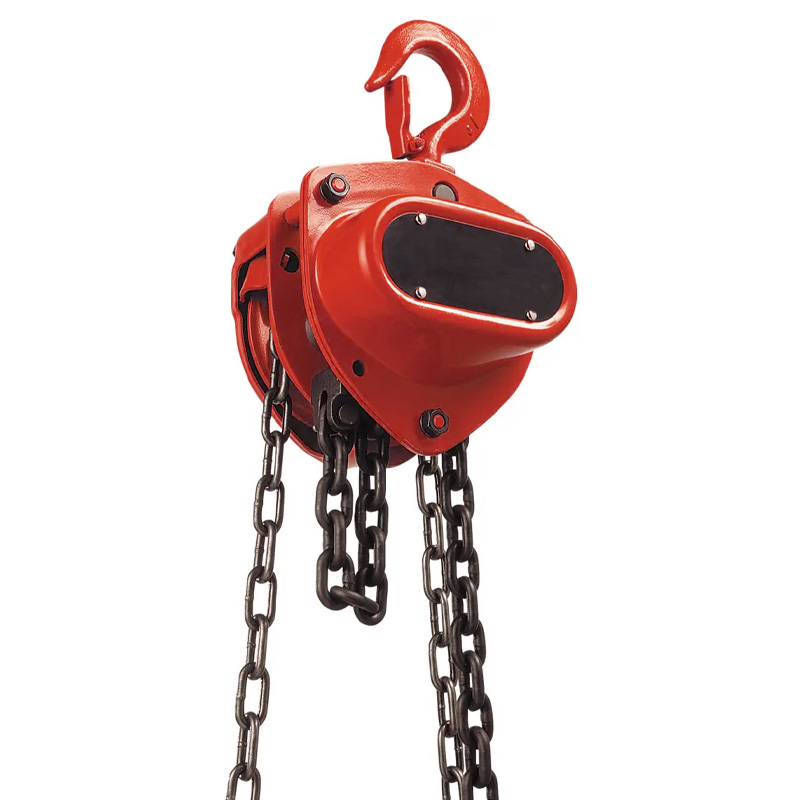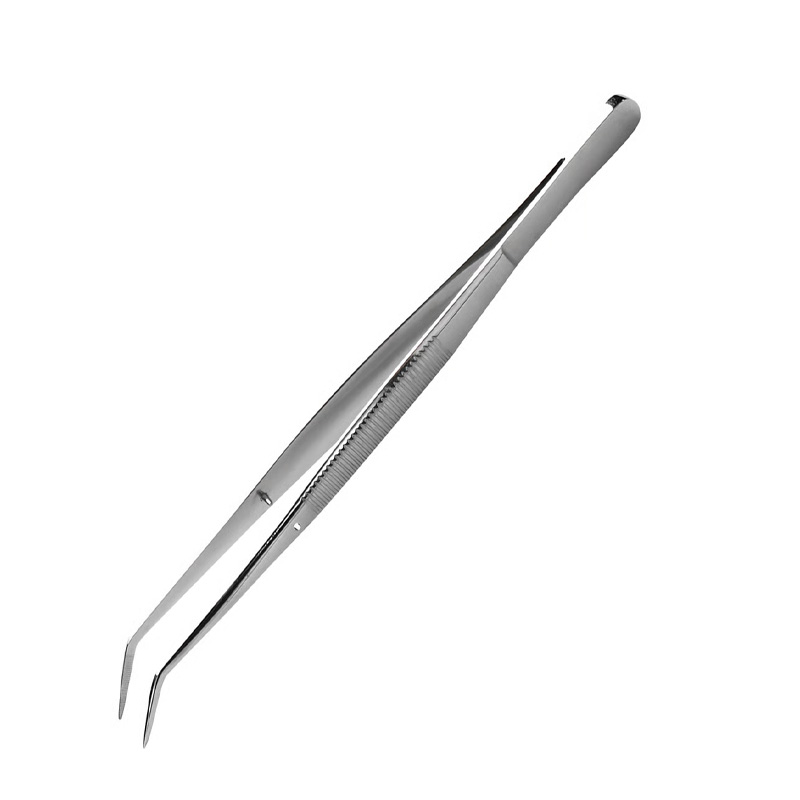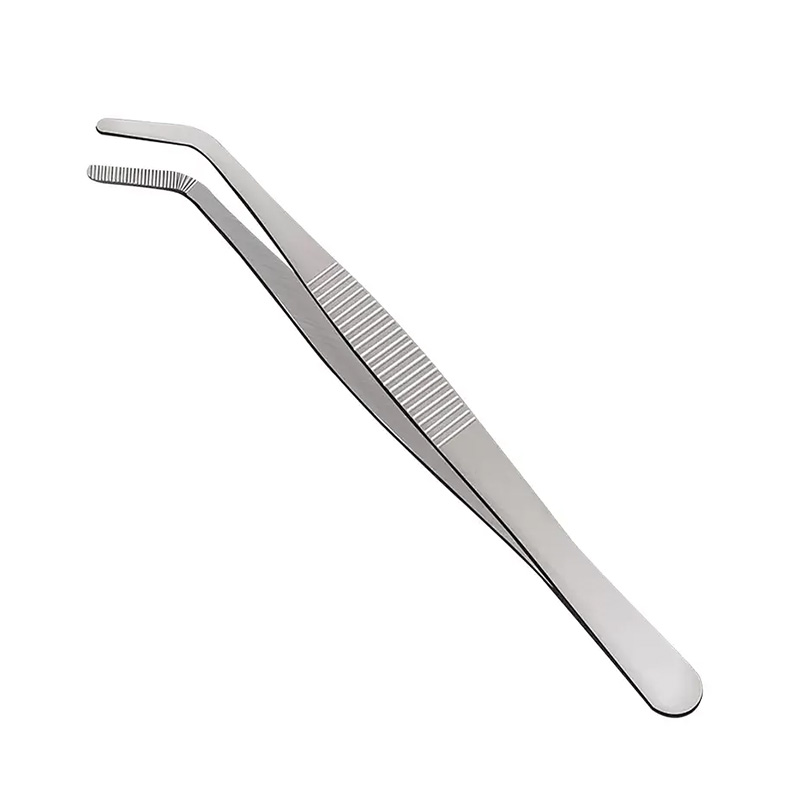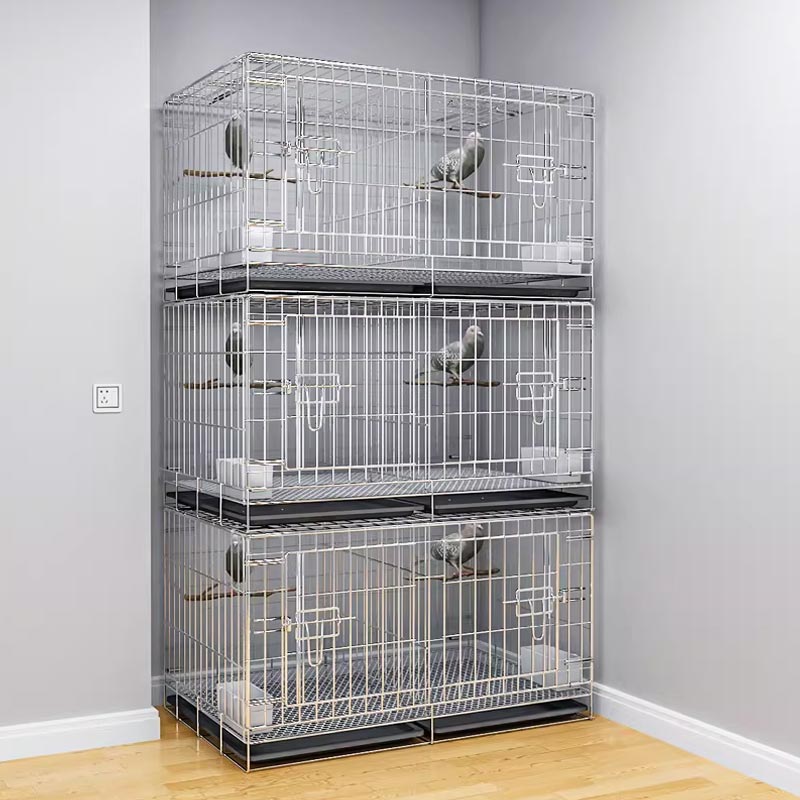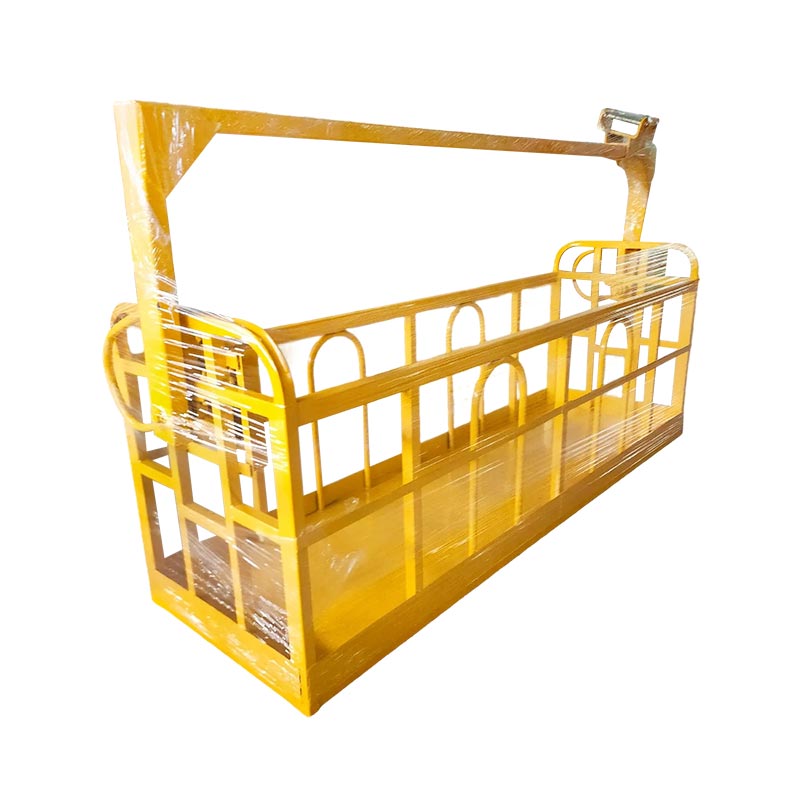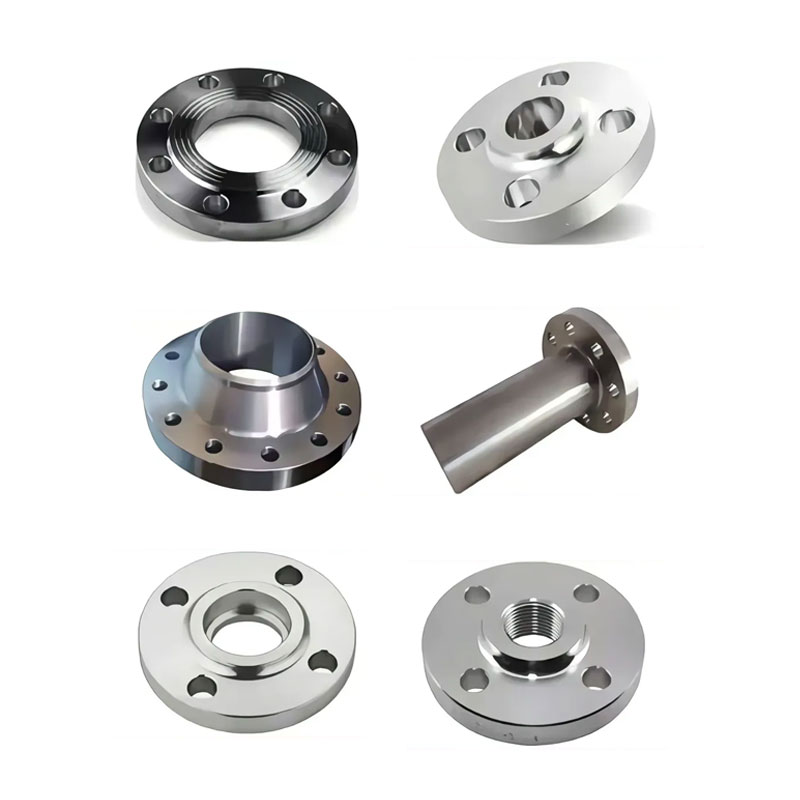
Casting is suitable for producing metal components that are load-bearing, structurally complex, and require high stability.
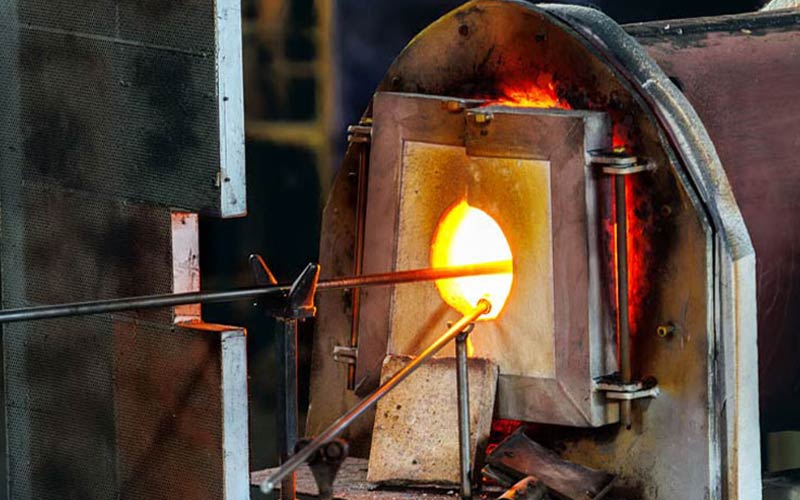
Casting is a traditional manufacturing process in which metal is heated to a molten state and then poured into a pre-made cavity or mold. The metal cools and solidifies to form the desired shape of the part. It can directly produce complex structures or large-sized parts and is an indispensable and important link in metal processing.
Sheet metal bending is suitable for structural components, housings, support parts, and multi-angle formed parts made primarily from thin sheets, offering a balance of precision, efficiency, and flexibility. It is particularly well-suited for small-batch, high-mix, and rapid delivery scenarios.
Irregularly shaped and large-sized parts that are difficult to machine in a single process.
Multi-cavity parts, hollow parts, and parts with complex curved surfaces.
Load-bearing parts and wear-resistant parts.
Pump bodies, valve bodies, and housings.
From prototypes to large-scale production.
Complex or large parts can be formed in a single process.
Suitable for various metals, reducing machining waste.
Single parts can weigh up to several tons.
Strength, wear resistance, and toughness can be improved through heat treatment.
Steel, aluminum alloys, copper alloys, and special alloys.
From custom single-piece orders to mass production.
Get a free consultation from our casting experts now.
Commonly used materials include carbon steel, alloy steel, gray cast iron, ductile iron, stainless steel, aluminum alloys, copper alloys, magnesium alloys, and titanium alloys.
Parts ranging from a few grams to several tons can be processed, suitable for large-sized or complex structural parts.
Sand casting is suitable for small to medium-batch or single-piece production, while metal mold or precision casting is suitable for large-batch production.
Through reasonable material selection and heat treatment, cast parts can meet high strength, wear resistance, and high-temperature resistance requirements.
Mechanical equipment, automobiles, aerospace, energy and power, construction engineering, agricultural machinery, outdoor products, and signage manufacturing, etc.