
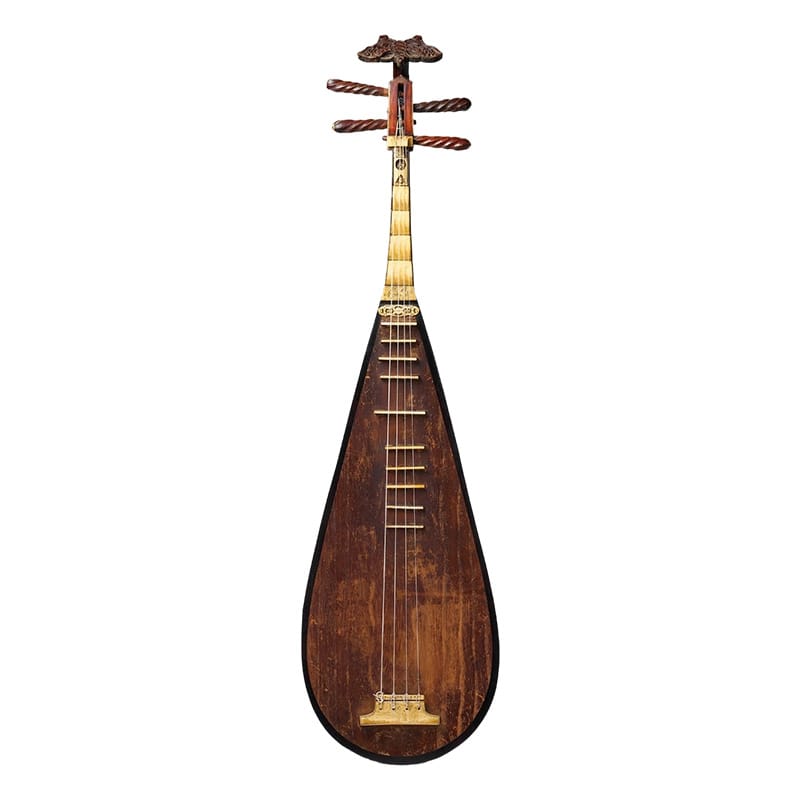
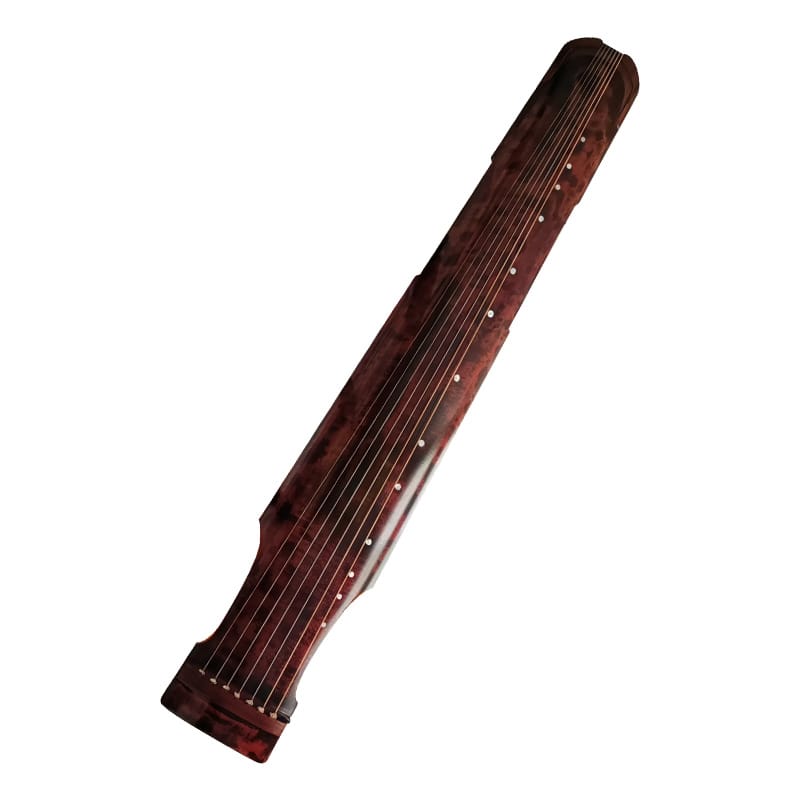
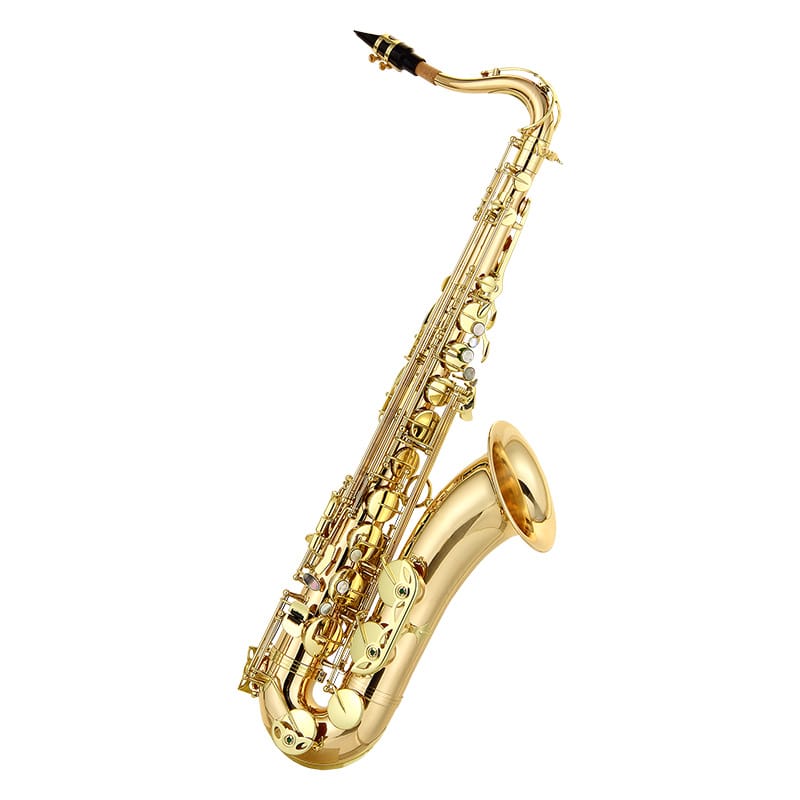
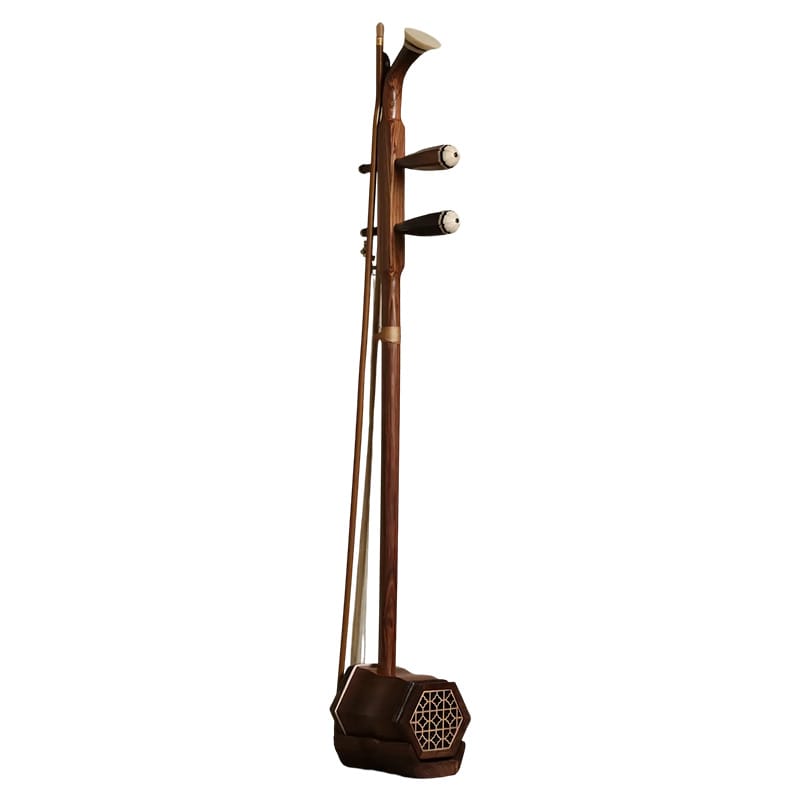
Musical instruments are a blend of art and industry, combining metal stamping/sheet metal forming, precision machining, and acoustic tuning. Their core function is to produce sounds of specific frequencies through vibration, conveying musical expression.
Musical instruments are a unique combination of art and precision engineering, integrating metal stamping, sheet metal forming, precision machining, and acoustic tuning. Their primary function is to generate sound at specific frequencies through vibration, enabling expressive performances in professional settings, music education, and home entertainment.
The core structural components of brass instruments, percussion instruments, and electronic musical instruments are largely manufactured using metal stamping and sheet metal processes. These components ensure structural stability, excellent acoustic performance, and aesthetic appeal. Full-dimensional non-standard customization is supported, allowing adjustments to size, design, and acoustic properties according to client requirements.
Material Selection and Pre-treatment: Metals are selected based on instrument type (e.g., brass for brass instruments, cold-rolled steel for drum shells) and treated for degreasing and rust prevention.
Precise Cutting: CNC laser cutting or shearing machines control sheet size tolerance to ±0.1mm, forming the foundation for core components like resonance tubes, drum shells, and bell mouths.
Forming Stamping: CNC stamping machines with customized molds produce precision parts, such as mouthpieces, key brackets, and valve bodies, maintaining tolerances ≤0.02mm for airtight assembly.
Deep Drawing: Multi-stage deep drawing shapes curved components like bell mouths and pickup housings, ensuring uniform wall thickness (≤0.03mm) for consistent acoustic vibration.
Auxiliary Stamping: Processes including punching, trimming, and flanging refine edges, prevent scratches, and improve vibration quality, e.g., polishing cymbal sheets post-stamping.
Precision Bending: CNC bending machines bend resonance tubes, drum shells, and instrument bodies with angle tolerance ±0.5°, ensuring smooth airflow and consistent sound production.
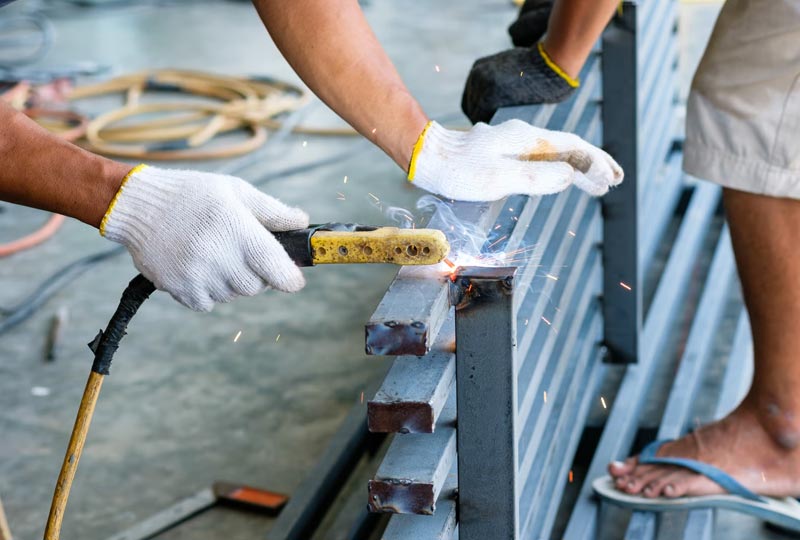
Welding and Reinforcement: Argon arc or laser welding produces smooth, pore-free welds; stamped reinforcement ribs enhance structural stability, such as on instrument stands and mounting brackets.
Rust and Corrosion Prevention: Zinc plating, nickel plating, or electrophoretic coating resists humidity and outdoor conditions, suitable for stage and performance environments.
Aesthetic Finishing: Brass instruments undergo brushing and polishing for metallic luster; electric guitars use electrostatic powder coating or anodizing, balancing visual appeal and durability.
Acoustic Optimization: Quenching and tempering of selected components, like cymbal plates, adjusts metal hardness and vibration frequency for stable, high-quality sound.
Precision Assembly: Stamped sheet metal parts are assembled with strings, pickups, and pistons. Automated assembly equipment improves consistency, while moving parts remain flexible and jam-free.
Acoustic Tuning: Technicians fine-tune tone and pitch by adjusting clearances and seal integrity of stamped components, ensuring professional-grade sound quality.
Quality Inspection: Visual, dimensional, and acoustic tests guarantee instruments meet performance standards; defective components are reworked to maintain quality consistency.
Automated equipment enhances production efficiency and precision for musical instruments:
Fully automatic stamping and feeding machines enable high-volume production of key brackets and cymbal blanks.
Automated assembly machines accelerate assembly of components like valves, keys, and strings.
Visual inspection systems ensure dimensional accuracy of stamped parts.
This integrated approach meets the demands of large-volume overseas orders while maintaining consistent acoustic and structural quality for every musical instrument.
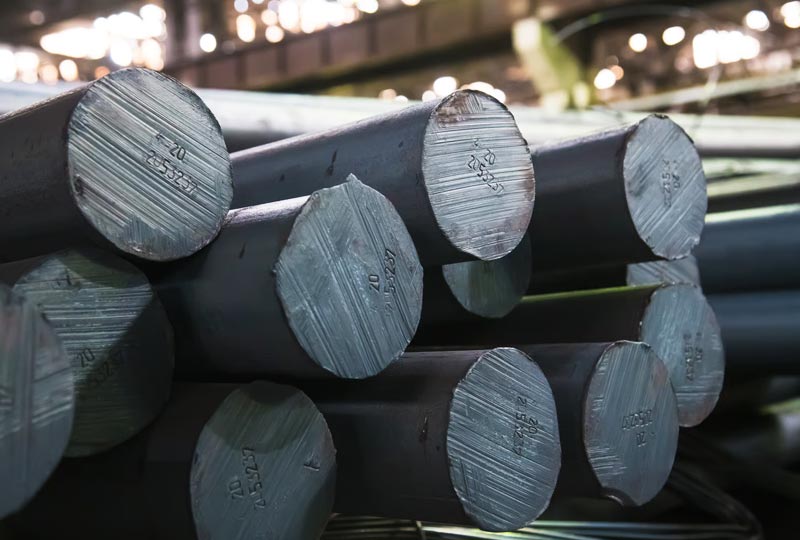
Carbon steel, stainless steel, iron, copper, aluminum, nickel-based alloys
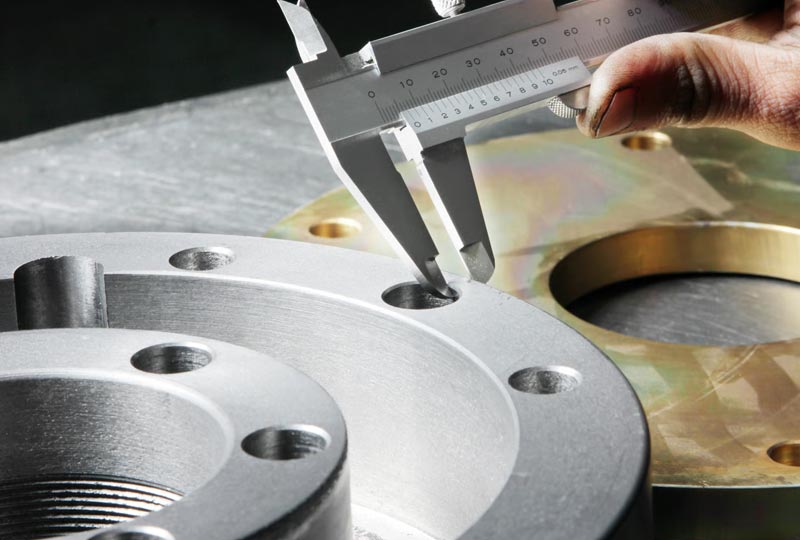
Custom sizes, structures, and precision requirements based on drawings or samples
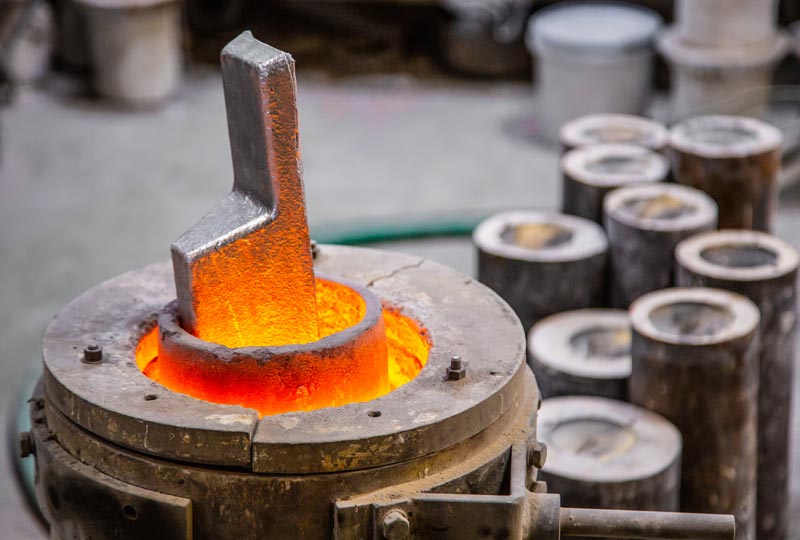
Stamping, sheet metal bending, casting, forging, machining, spring manufacturing, brazing
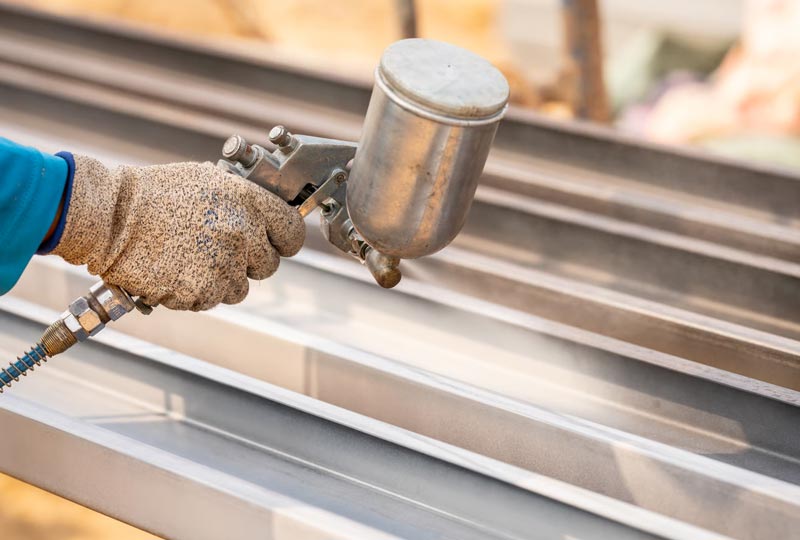
Galvanizing, powder coating, painting, polishing, anodizing, plating
Customized shapes, multi-part assembly, functional integration
Logo marking, part number engraving, private labeling
Our metal products and customized solutions are widely used across multiple industries, meeting different performance and operating requirements.
We have been working with this team for several years. Their metal parts show excellent consistency across batches, and delivery schedules are always reliable. Communication is smooth, and technical support is professional.