Welcome to My Blog!
I’m thrilled to have you here! Before we dive into the content, I’d love for you to join me on my social media platforms. It’s where I share extra insights, connect with our amazing community, and keep you updated on the latest news. Here’s how you can stay connected:
📘 Facebook: Lina Metal
▶️ YouTube: Lina Metal Channel – watch tutorials, demos, and in-depth guides
Now, let’s embark on this journey together! I hope you find the content here not only insightful but also inspiring and valuable. Let’s get started!
Table of Contents
Key Takeaways
- Custom sheet metal fabrication enables manufacturers to produce parts tailored to specific dimensions, materials, and performance requirements.
- The right fabrication partner can reduce production costs while improving product quality and consistency.
- Laser cutting, CNC bending, welding, and surface finishing are the core processes used in custom fabrication.
- Material selection directly affects durability, weight, corrosion resistance, and manufacturing costs.
- Design optimization during the early stages can significantly shorten lead times and minimize production waste.
- OEM buyers should evaluate suppliers based on engineering capability, quality control, certifications, and production capacity.
Table of Contents
- What Is Custom Sheet Metal Fabrication?
- How the Custom Sheet Metal Fabrication Process Works
- Common Materials Used
- Manufacturing Processes Explained
- Advantages of Custom Sheet Metal Fabrication
- Industries That Depend on Custom Fabrication
- Design Considerations Before Manufacturing
- How to Choose a Reliable Manufacturer
- Cost Factors
- Comparison: Custom vs Standard Metal Parts
- Frequently Asked Questions
- Conclusion
What Is Custom Sheet Metal Fabrication?
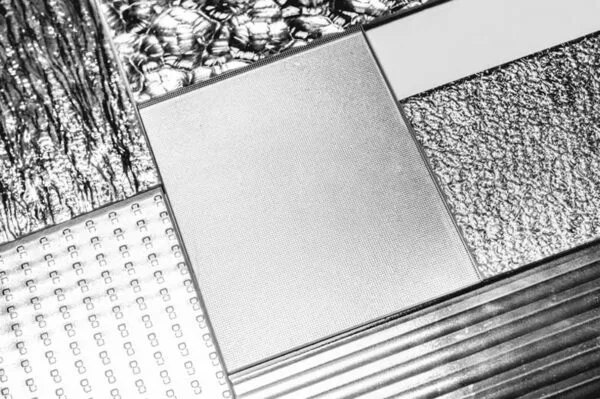
Custom sheet metal fabrication is the process of transforming flat metal sheets into precision-engineered components designed to meet unique project specifications. Unlike standard off-the-shelf parts, custom fabrication allows manufacturers to produce components with exact dimensions, tolerances, hole patterns, and surface finishes required for specific applications.
Modern fabrication combines advanced machinery with engineering expertise to deliver repeatable quality for both prototype and mass production projects. This flexibility makes custom fabrication a preferred solution for OEM manufacturers across a wide range of industries.
How the Custom Sheet Metal Fabrication Process Works
Although every project has unique requirements, the fabrication workflow generally follows several key stages.
Product Design
Engineers create CAD drawings and 3D models that define dimensions, tolerances, bending angles, and assembly requirements. Early design reviews help identify opportunities to simplify production and reduce costs.
Material Selection
The appropriate metal is selected according to strength, corrosion resistance, weight, appearance, and application environment.
Cutting
Laser cutting, plasma cutting, or waterjet cutting shapes raw metal sheets into precise blanks before forming.
Forming
CNC press brakes accurately bend metal into the required geometry while maintaining tight tolerances.
Welding and Assembly
Depending on product complexity, TIG welding, MIG welding, spot welding, or robotic welding joins multiple components into finished assemblies.
Surface Finishing
Finishing processes improve appearance and durability through powder coating, anodizing, polishing, galvanizing, or painting.
Inspection
Finished components undergo dimensional inspection, functional testing, and quality verification before shipment.
Common Materials Used in Custom Sheet Metal Fabrication
| Material | Main Advantages | Typical Applications |
|---|---|---|
| Stainless Steel | Corrosion resistance, strength | Medical equipment, food processing, machinery |
| Carbon Steel | Cost-effective, high strength | Industrial equipment, construction |
| Aluminum | Lightweight, corrosion resistant | Automotive, aerospace, electronics |
| Copper | Excellent electrical conductivity | Electrical enclosures, connectors |
| Brass | Decorative appearance, machinability | Architectural hardware, fittings |
Manufacturing Processes Used
Laser Cutting
Laser cutting delivers exceptional precision with smooth edges, making it ideal for complex profiles and high-volume production.
CNC Bending
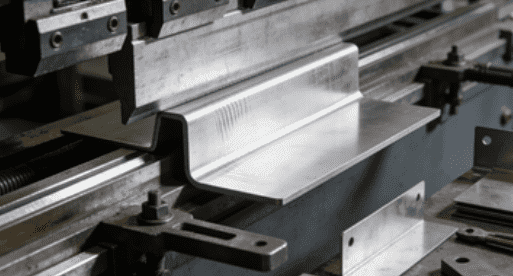
Computer-controlled press brakes create accurate bends while ensuring consistent repeatability across production batches.
Welding
Different welding techniques are selected according to material type, thickness, and structural requirements.
CNC Machining
Secondary machining produces threaded holes, precision surfaces, and complex features that cannot be achieved through sheet metal forming alone.
Surface Treatment
Protective coatings extend product life while improving corrosion resistance and visual appearance.
Advantages of Custom Sheet Metal Fabrication
Design Flexibility
Manufacturers can produce nearly unlimited shapes, dimensions, and configurations without relying on standard components.
High Precision
Modern CNC equipment consistently achieves tight tolerances required by industrial and OEM applications.
Cost Efficiency
Optimized designs reduce material waste and lower assembly costs, especially in medium- and high-volume production.
Scalability
The same design can move efficiently from prototype development to full-scale manufacturing.
Material Options
Customers can choose from a wide range of metals to balance performance, durability, and budget.
Industries That Use Custom Sheet Metal Fabrication
Custom sheet metal fabrication serves numerous industries, including:
- Industrial machinery
- Automotive manufacturing
- Aerospace components
- Medical devices
- Electrical enclosures
- Renewable energy systems
- Telecommunications equipment
- Construction hardware
- Agricultural machinery
- Consumer electronics
Design Considerations Before Manufacturing
Choose Appropriate Material Thickness
Selecting the correct thickness ensures structural integrity while controlling manufacturing costs.
Minimize Complex Bends
Reducing unnecessary bends simplifies production and improves dimensional consistency.
Standardize Hole Sizes
Using standard tooling lowers machining time and production expenses.
Allow Proper Bend Radius
Appropriate bend radii help prevent cracking and improve part quality.
Consider Assembly Requirements
Designing components for easy assembly can significantly reduce labor costs.
How to Choose a Reliable Custom Sheet Metal Fabrication Manufacturer
When evaluating suppliers, consider the following criteria:
- Engineering support
- Manufacturing experience
- ISO-certified quality management
- Advanced CNC equipment
- Material traceability
- Inspection capabilities
- Prototype services
- Production capacity
- International shipping experience
- Responsive technical communication
A manufacturer that offers design assistance before production often helps customers reduce overall project costs and shorten lead times.
What Factors Affect Custom Sheet Metal Fabrication Costs?
Several variables influence project pricing.
| Cost Factor | Impact |
|---|---|
| Material Type | Stainless steel and aluminum typically cost more than carbon steel. |
| Material Thickness | Thicker materials require more processing time. |
| Part Complexity | Additional bends, welds, and machining increase labor. |
| Surface Finish | Specialized coatings add processing costs. |
| Order Quantity | Higher volumes usually reduce unit prices. |
| Tolerance Requirements | Tight tolerances require additional inspection and precision machining. |
Custom Sheet Metal Fabrication vs Standard Metal Parts
| Feature | Custom Fabrication | Standard Parts |
|---|---|---|
| Design Flexibility | Excellent | Limited |
| Production Cost | Optimized for project | Fixed |
| Performance | Application-specific | General purpose |
| Lead Time | Moderate | Immediate |
| Scalability | Excellent | Limited customization |
Conclusion
Custom sheet metal fabrication provides manufacturers with the flexibility to produce high-quality components tailored to specific applications. By combining advanced fabrication technologies with thoughtful engineering, businesses can improve product performance, reduce manufacturing costs, and accelerate production schedules.
Whether you are developing a prototype or planning large-scale OEM production, selecting an experienced fabrication partner with strong engineering capabilities and reliable quality control is essential for long-term success.
FAQ
Is custom sheet metal fabrication suitable for low-volume production?
Yes. Many manufacturers support prototype and low-volume production before transitioning to mass manufacturing.
Which material is best for outdoor applications?
Stainless steel and aluminum are commonly selected because of their excellent corrosion resistance.
Can complex parts be produced with tight tolerances?
Modern CNC fabrication equipment can achieve high precision, depending on material and design requirements.
What file format should I provide for quotation?
Most manufacturers accept STEP, IGES, DWG, DXF, or SolidWorks files.
How can manufacturing costs be reduced?
Simplifying designs, minimizing unnecessary bends, standardizing hole sizes, and selecting appropriate materials are effective ways to lower production costs.
Does custom fabrication support surface finishing?
Yes. Powder coating, anodizing, polishing, galvanizing, and painting are common finishing options.