Welcome to My Blog!
I’m thrilled to have you here! Before we dive into the content, I’d love for you to join me on my social media platforms. It’s where I share extra insights, connect with our amazing community, and keep you updated on the latest news. Here’s how you can stay connected:
📘 Facebook: Lina Metal
▶️ YouTube: Lina Metal Channel – watch tutorials, demos, and in-depth guides
Now, let’s embark on this journey together! I hope you find the content here not only insightful but also inspiring and valuable. Let’s get started!
Table of Contents
Blog Overview: Key Points You Will Learn
- Understanding what custom metalworks are and their applications
- Benefits of choosing high-quality custom metalworks for projects
- Types of custom metalworks materials and fabrication processes
- Design considerations and innovative techniques
- Comparing custom metalworks to standard metal fabrication
- Selecting a reliable custom metalworks provider
- Maintenance and longevity tips for metalworks
- Real-world case studies and industry examples
- FAQ section addressing common questions from buyers and designers
Introduction
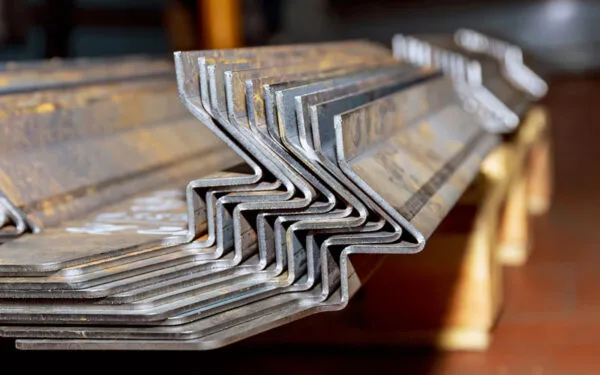
Custom metalworks are no longer just functional—they are a combination of art, engineering, and precision. In a world where design and durability intersect, high-quality custom metalworks can transform spaces, enhance operational efficiency, and provide long-term value. From residential stair railings to industrial machinery guards, the market demand for personalized, high-performance metal solutions continues to grow.
According to a 2022 industry report by the Metal Fabricators Association, the global custom metalworks market is projected to grow at a CAGR of 6.8% from 2023 to 2030, driven by urban development, industrial modernization, and design-focused construction projects.
This guide will explore materials, processes, design considerations, real-world examples, and professional tips to help you choose the best custom metalworks solutions for your needs.
Understanding Custom Metalworks
What Are Custom Metalworks?
Custom metalworks are metal components or structures tailored specifically to a project’s requirements. Unlike off-the-shelf products, these items are carefully designed, engineered, and fabricated to meet precise functional and aesthetic goals. Projects often involve collaboration between engineers, designers, and skilled metalworkers to achieve optimal performance.
Applications of Custom Metalworks
Custom metalworks have wide-ranging applications, including:
- Residential projects: gates, stair railings, kitchen fixtures, and furniture frames
- Commercial projects: office partitions, decorative facades, signage, and retail displays
- Industrial applications: machinery parts, safety structures, structural supports, and heavy-duty enclosures
- Architectural installations: art sculptures, public installations, and building cladding
Industry Standards and Certifications
High-quality custom metalworks often adhere to international standards, such as:
- ISO 9001: Quality management for fabrication processes
- ASTM A36/A53: Structural steel standards for strength and durability
- EN 1090-2: Execution standards for steel structures in Europe
- AWS D1.1: Welding standards ensuring structural integrity
These certifications ensure that custom metalworks not only look great but also meet rigorous safety and performance requirements.
Benefits of High-Quality Custom Metalworks
Durability and Longevity
Premium custom metalworks are fabricated using high-grade metals and precision engineering. This guarantees resistance to wear, corrosion, and structural stress. For example, stainless steel railings in coastal regions maintain their structural integrity for over 15 years without major maintenance.
Unique Aesthetic Appeal
Custom metalworks enable designers to create visually striking elements. Whether it’s geometric patterns, organic shapes, or laser-cut decorative panels, the customization ensures a unique, high-end appearance that enhances property value.
Enhanced Functionality
Beyond aesthetics, custom metalworks are designed to optimize usability and safety. Features like reinforced supports, precision alignment, ergonomic layouts, and anti-slip finishes increase practical performance in both residential and commercial spaces.
Cost Efficiency Over Time
While upfront costs may be higher, investing in high-quality custom metalworks reduces maintenance, replacement, and operational costs over the long term. According to a 2021 study by the American Metalcraft Institute, premium metalworks can save up to 30% in lifecycle costs compared to low-quality alternatives.
Materials Used in Custom Metalworks
| Material | Common Uses | Advantages | Disadvantages |
|---|---|---|---|
| Stainless Steel | Gates, railings, kitchen fixtures | Corrosion-resistant, long-lasting | Higher cost |
| Aluminum | Decorative panels, lightweight structures | Lightweight, versatile, recyclable | Lower strength than steel |
| Brass & Bronze | Decorative hardware, art pieces | Unique finish, easy to shape | Prone to scratches, expensive |
| Mild Steel | Fences, structural supports | Strong, cost-effective | Requires anti-corrosion coating |
| Copper | Sculptures, cladding | Excellent conductivity, aesthetic | Expensive, soft material |
Material Selection Considerations
Material choice affects durability, maintenance, and visual appeal. For outdoor applications, corrosion resistance is critical. For decorative indoor projects, aesthetic qualities such as color, texture, and polish are prioritized.
Fabrication Processes in Custom Metalworks
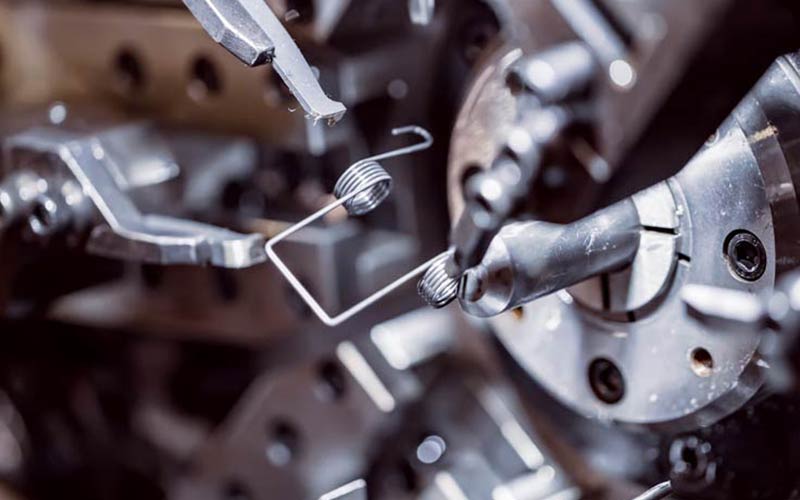
Cutting and Shaping Techniques
Modern fabrication uses CNC machining, laser cutting, and water jet systems for precise shaping. These methods allow complex designs with minimal waste and high repeatability.
Welding and Joining Techniques
Proper welding ensures structural integrity. Popular methods include:
- MIG Welding: Fast and reliable for steel and aluminum
- TIG Welding: Clean, precise welds suitable for stainless steel and artistic designs
- Brazing and Soldering: Ideal for delicate decorative pieces
Surface Finishing and Coating
Finishes protect against corrosion, enhance aesthetics, and extend lifespan. Common finishes include:
- Powder coating
- Galvanization
- Anodizing
- Polishing and brushing
Each finishing method has specific applications and cost implications.
Design Considerations for Custom Metalworks
Structural vs Decorative Applications
Designs must balance aesthetic appeal with functional requirements. For example, stair railings require structural strength, while decorative panels may prioritize intricate patterns.
Scale, Space, and Installation
Accurate measurements and 3D modeling ensure proper fit, especially in confined or irregular spaces. Miscalculations in scale can lead to installation issues and increased costs.
Innovative Design Techniques
Advanced tools like parametric design, 3D printing for prototypes, and digital visualization allow clients to preview complex designs before fabrication.
Case Example: Architectural Sculpture
A large-scale stainless steel sculpture installed in Singapore’s Marina Bay incorporated laser-cut panels and load-bearing supports. The project adhered to ISO 9001 standards and withstood tropical weather conditions for over 10 years without major maintenance.
Comparing Custom Metalworks vs Standard Fabrication
| Feature | Custom Metalworks | Standard Fabrication |
|---|---|---|
| Personalization | Fully tailored | Limited options |
| Material Quality | Premium, selected | Standardized |
| Design Complexity | Highly intricate | Simple, functional |
| Cost | Higher upfront | Lower upfront |
| Lead Time | Longer, design-intensive | Shorter, mass-produced |
| Durability | Long-lasting | Varies |
| Maintenance | Easier, tailored | May require replacements |
When to Choose Custom Over Standard:
Custom solutions are ideal for projects requiring aesthetics, unique shapes, precise fit, and durability. Standard fabrication is suitable for high-volume or budget-limited projects where uniqueness is not critical.
Selecting a Reliable Custom Metalworks Provider
Factors to Consider
- Experience and Portfolio: Examine past projects for quality and versatility
- Material Sourcing: Ensure certified, premium metals are used
- Fabrication Capabilities: Check access to CNC, laser cutting, TIG/MIG welding
- Customer Reviews: Feedback reflects professionalism and reliability
- Warranty and After-Sales Support: Guarantees workmanship and materials
Key Questions to Ask
- Can you provide a detailed breakdown of materials, labor, and lead time?
- Do you offer mock-ups, prototypes, or 3D visualization?
- What quality standards and certifications do you adhere to?
- Are ongoing maintenance services available?
Maintenance and Longevity of Custom Metalworks
Cleaning and Care
Routine cleaning with non-abrasive agents prevents rust and preserves the finish. Outdoor installations benefit from periodic protective coatings.
Inspection and Repair
Regular inspection identifies early signs of wear or corrosion. Repair strategies may include:
- Polishing and re-coating
- Component replacement
- Structural reinforcement
Longevity Tips
High-quality custom metalworks, when maintained properly, can last decades. For example, galvanized steel outdoor railings can exceed 25 years of service life.
Real-World Case Studies
Residential Application
A custom stainless steel railing in a luxury villa maintained its appearance and structural integrity for over a decade, despite exposure to coastal air and humidity.
Commercial Installation
Custom aluminum panels on a shopping mall facade combined durability with artistic design, reducing maintenance by 40% compared to standard materials.
Industrial Solution
Custom steel guards and supports in a manufacturing plant improved safety compliance while adhering to ISO 14122 standards, minimizing workplace accidents.
Industry Insights and News
- A 2023 Metal Industry News report highlighted rising demand for laser-cut custom metalworks in urban architecture.
- Whitepapers from the American Welding Society (AWS) emphasize advanced welding techniques for long-term durability and corrosion resistance.
- Innovations in 3D-printed metal prototypes are allowing designers to test complex structures before full-scale production.
Conclusion
Custom metalworks are an investment in functionality, aesthetics, and long-term value. By understanding materials, fabrication processes, design considerations, and maintenance, you can choose solutions that meet your specific needs. Collaborating with experienced providers ensures precision, compliance with industry standards, and exceptional results.
High-quality custom metalworks are not just durable—they reflect artistry, innovation, and professional craftsmanship. Investing wisely today ensures decades of reliability and visual appeal.
FAQ
Q1: How long does a typical custom metalworks project take?
A1: Small decorative items may take 1–2 weeks, while complex structural projects can require several months, depending on design, materials, and finishing.
Q2: Are custom metalworks more expensive than standard options?
A2: Upfront costs are higher due to design, premium materials, and labor, but lifecycle cost savings from durability and reduced maintenance often outweigh initial expenses.
Q3: Can custom metalworks be designed for outdoor use?
A3: Yes, materials like stainless steel, aluminum, and treated mild steel, combined with protective coatings, ensure outdoor durability.
Q4: How do I verify quality before commissioning a project?
A4: Review certifications, portfolio, material sourcing, fabrication capabilities, and request references or case studies.
Q5: What are the main differences between MIG and TIG welding in custom metalworks?
A5: MIG is faster and efficient for thick steel or aluminum, while TIG provides precision and cleaner finishes, ideal for stainless steel and decorative elements.